
Setting up a fish tank in your home can bring calm, beauty, and a touch of nature right into your living space. But if you’re new to this, it might feel overwhelming.
You want your fish to thrive, and your tank to look amazing without turning into a constant hassle. Imagine creating a peaceful underwater world that fits perfectly in your room, welcoming you after a busy day. This guide will walk you through the simple steps to get your fish tank just right, so you can enjoy every moment watching your colorful friends swim happily.
Ready to dive in? Let’s make your fish tank setup easy and enjoyable!
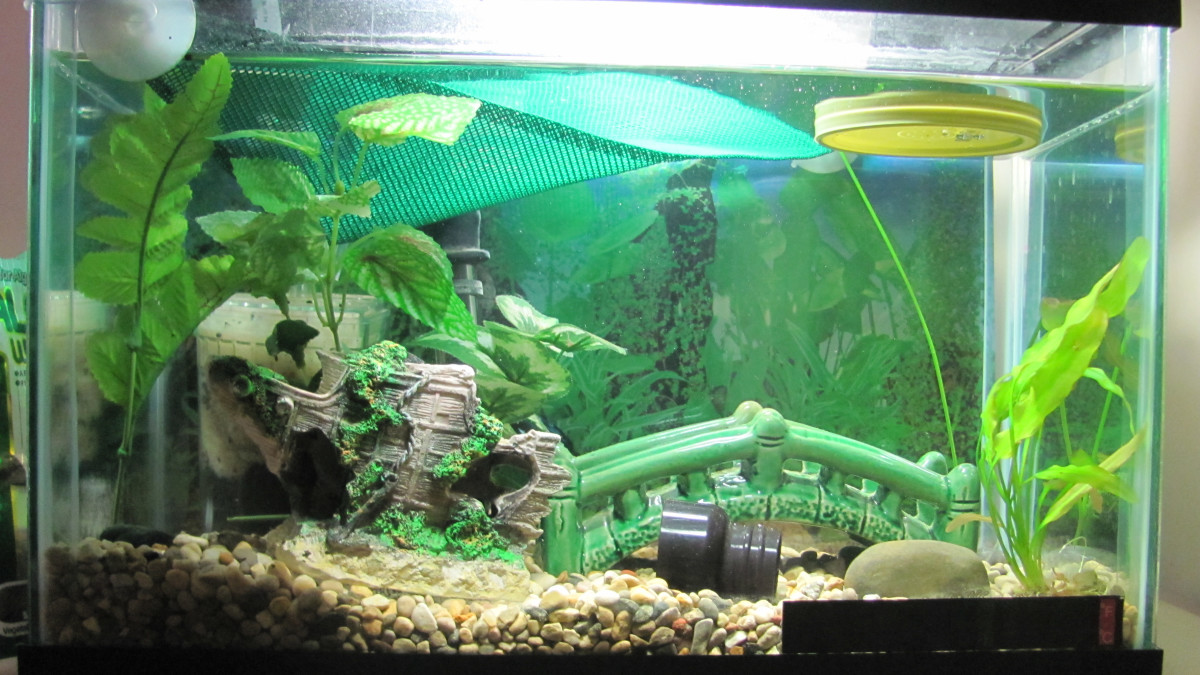
Credit: pethelpful.com
Choosing The Right Tank
Picking the right fish tank is key to a happy home aquarium. The tank size and shape affect fish health and room space.
Material and where you place the tank also matter. These choices help your fish live well and your tank look great.
Tank Sizes And Shapes
Fish tanks come in many sizes and shapes. The size you choose depends on the space you have and the fish you want.
Taller tanks hold less water than longer, wider tanks. Square tanks fit well in corners. Rectangular tanks show fish better.
- Small tanks (5-10 gallons) fit small spaces and few fish
- Medium tanks (20-40 gallons) suit most homes and fish types
- Large tanks (50+ gallons) allow many fish and plants
- Shapes: rectangular, square, bow front, cylindrical
Material Options
Most tanks are made of glass or acrylic. Glass is clear and scratch-resistant but heavier. Acrylic is lighter and stronger but scratches easily.
Choose based on your budget and where you plan to place the tank. Both materials hold water well and are safe for fish.
- Glass tanks are heavier and cost less
- Acrylic tanks are lighter and more expensive
- Glass is harder to scratch
- Acrylic can bend into unique shapes
Placement Tips
Place your tank on a sturdy, level surface. Avoid direct sunlight to stop algae growth and temperature changes.
Keep the tank away from heaters or air conditioners. Check that the floor can hold the tank’s full weight.
- Use a strong stand made for aquariums
- Keep tank out of direct sunlight
- Avoid spots near windows or vents
- Check floor strength for large tanks
Essential Equipment
Setting up a fish tank at home needs the right tools. These tools keep fish safe and healthy.
Good equipment makes cleaning, lighting, and temperature control easy for beginners.
Filters And Pumps
Filters keep the water clean by removing dirt and waste. Pumps move water to keep oxygen flowing.
- Mechanical filters trap solid waste
- Biological filters help break down toxins
- Pumps improve water circulation and oxygen levels
- Choose filter size based on tank volume
Lighting Choices
Lighting helps fish see and plants grow. Different lights suit different tank setups.
| Light Type | Best For | Duration |
| LED | Energy saving, bright colors | 8-10 hours daily |
| Fluorescent | Budget-friendly, good for plants | 8-12 hours daily |
| Incandescent | Low cost, less plant growth | 6-8 hours daily |
Heaters And Thermometers
Heaters keep water warm for tropical fish. Thermometers check if the temperature is right.
Follow these tips to keep the tank temperature stable:
- Pick a heater that fits your tank size
- Place the thermometer where fish swim often
- Check temperature daily to avoid shocks
- Adjust heater settings slowly if needed
Water Preparation
Preparing water is the first step in setting up a fish tank at home. Good water helps fish stay healthy and happy.
We must make sure the water is safe and clean before adding fish. This process includes conditioning and testing the water.
Conditioning And Testing
Conditioning water removes harmful chemicals like chlorine. Testing checks water for the right pH and hardness.
Use water conditioners to make tap water safe. Test kits help measure water quality before adding fish.
- Check pH level (ideal is 6.5 to 7.5 for most fish)
- Test water hardness (soft or hard water affects fish health)
- Remove harmful chemicals with conditioners
Maintaining Water Quality
Keep water clean by changing part of it regularly. Clean filters help remove waste and toxins.
Watch water parameters often to keep fish safe. Good quality water prevents diseases and stress.
- Change 10-20% of water weekly
- Use a gravel vacuum to remove dirt
- Keep filters clean and working well
Dealing With Chlorine And Chloramines
Chlorine and chloramines are in tap water to kill germs. They can harm fish if not removed.
Use special water conditioners that neutralize both chemicals. Let treated water sit before adding fish.
- Chlorine evaporates if water stands 24 hours
- Chloramines need a conditioner to remove safely
- Always treat new water before adding to the tank
Selecting Fish And Plants
Setting up a fish tank at home needs careful choice of fish and plants. The right mix keeps the tank healthy and beautiful.
You must pick species that live well together and plants that are easy to care for. This guide helps you select the best options.
Popular Freshwater Species
Many freshwater fish fit well in home tanks. They vary in size, color, and care needs. Some are great for beginners.
- Betta fish – bright colors, small size, easy care
- Guppies – active swimmers, colorful, peaceful
- Neon tetras – small, peaceful, like schools
- Corydoras catfish – bottom dwellers, clean tanks
- Angelfish – larger, graceful, need space
Compatible Fish Combinations
Mixing fish needs care to avoid fights and stress. Choose species that share water needs and temperaments.
| Fish 1 | Fish 2 | Compatibility Notes |
| Guppies | Neon Tetras | Both peaceful, small, good school swimmers |
| Betta | Corydoras Catfish | Betta can be aggressive; catfish stay at bottom |
| Angelfish | Gouramis | Both need space and similar water conditions |
| Neon Tetras | Mollies | Both peaceful, but mollies need harder water |
| Platies | Corydoras Catfish | Both peaceful and occupy different tank levels |
Aquatic Plants For Beginners
Plants add oxygen and beauty to the tank. Start with easy plants that grow well in most conditions.
- Java Fern – tough and low light
- Anubias – grows slowly, needs little light
- Amazon Sword – large leaves, needs moderate light
- Cryptocoryne – good for low light, slow growth
- Water Wisteria – fast grower, helps clean water
Aquascaping Ideas
Aquascaping is the art of arranging aquatic plants, rocks, and other decorations in a fish tank. It enhances the beauty of your home while providing a healthy environment for your fish. Let’s explore different options to create a stunning aquascape.
Substrate Options
The substrate is the material that lines the bottom of your fish tank. It supports plant growth and affects the tank’s appearance. Choose carefully to ensure a balanced ecosystem.
- Gravel: Easy to clean and comes in various colors.
- Sand: Provides a natural look, but can be challenging for beginners.
- Aquarium soil: Best for plant growth, but may cloud water initially.
Decor And Hardscape
Decor and hardscape add structure and interest to your fish tank. They help mimic natural environments for your fish, promoting their well-being.
- Rocks: Create caves and hiding spots for fish.
- Driftwood: Adds an organic feel and can lower pH levels.
- Plants: Provide oxygen and enhance visual appeal.
Creating Natural Habitats
Designing natural habitats in your fish tank keeps fish healthy and reduces stress. It involves replicating their natural surroundings as closely as possible.
Research the natural habitats of your fish species. Use plants, rocks, and wood that are similar to their natural environment. This approach helps fish thrive and makes your tank more beautiful.

Credit: www.blessingsaquarium.com
Setting Up The Tank
Setting up a fish tank at home is a rewarding task. It requires care and attention to make a healthy habitat for your fish.
This guide will help you assemble your tank, cycle the water, and introduce fish safely.
Step-by-step Assembly
Start by placing the tank on a strong, level surface. Add a layer of clean gravel or sand at the bottom. Install the filter and heater according to the instructions.
- Wash the tank and decorations with water only
- Place the tank away from direct sunlight
- Add substrate evenly to cover the bottom
- Install filter and heater securely
- Fill the tank slowly with water to avoid disturbing the substrate
Cycling Your Aquarium
Cycling means growing good bacteria to keep water safe for fish. It takes time but is very important.
| Cycle Phase | Description | Duration |
| Ammonia Rise | Fish waste creates ammonia | 1-2 weeks |
| Nitrite Rise | Bacteria turn ammonia into nitrite | 1-2 weeks |
| Nitrate Formation | Another bacteria turn nitrite into nitrate | Ongoing |
| Safe Levels | Ammonia and nitrite drop to zero | After 4-6 weeks |
Introducing Fish Safely
Bring fish home slowly to avoid stress. Match tank water temperature and chemistry before adding fish.
- Float the fish bag on the tank water for 15 minutes
- Add small amounts of tank water to the bag every 5 minutes
- Use a net to transfer fish gently into the tank
- Do not add fish water to your tank
- Watch fish closely for signs of stress
Routine Maintenance
Keeping a fish tank clean and healthy needs regular care. Routine maintenance helps your fish live longer and stay happy. It also keeps the water clear and safe.
Follow simple steps to maintain your tank every week. This keeps problems away and makes your tank look great.
Cleaning Tips
Clean your tank to remove dirt and algae. Use tools made for aquariums to avoid harming fish or plants.
- Use an algae scraper for glass surfaces.
- Clean decorations and plants gently.
- Vacuum the gravel to remove leftover food and waste.
- Wipe outside glass with a soft cloth and water only.
Water Changes
Change water to keep it fresh and safe. Partial water changes help keep chemicals balanced.
| Water Change Size | Frequency | Purpose |
| 10-20% | Weekly | Remove waste and toxins |
| 25-30% | Monthly | Deep cleaning and refresh |
| 5-10% | Daily (if needed) | For crowded or sick tanks |
Monitoring Fish Health
Watch your fish daily for signs of illness or stress. Healthy fish swim actively and eat well.
- Check for changes in color or spots on fish bodies.
- Look for unusual swimming or hiding behavior.
- Note if fish stop eating or act weak.
- Keep water temperature and quality stable.

Credit: www.reddit.com
Troubleshooting Common Issues
Setting up a fish tank at home is exciting. Yet, common issues can arise. This guide helps you solve these problems easily.
We will explore ways to manage algae, prevent diseases, and fix equipment problems. These tips ensure your fish remain healthy and your tank stays beautiful.
Algae Control
Algae can make your tank look dirty. It can also harm your fish. Controlling algae is important for a clean tank.
Reduce the amount of light the tank gets. Algae grow more with too much light. Feed your fish the right amount to avoid extra waste.
- Use a timer for lights
- Clean the tank regularly
- Add algae-eating fish
Disease Prevention
Diseases can spread fast in fish tanks. Keeping fish healthy is key. Prevention is better than treatment.
Quarantine new fish before adding them to the tank. This stops diseases from spreading. Keep the water clean and balanced.
- Check water temperature regularly
- Test water quality weekly
- Look for signs of illness daily
Equipment Problems
Equipment keeps the tank running smoothly. Problems with equipment can cause stress to fish. Fixing issues quickly is important.
Check the filter to make sure it is working well. Replace any broken parts. Keep extra equipment on hand to avoid emergencies.
- Inspect the heater for proper function
- Clean the filter regularly
- Have spare parts available
Frequently Asked Questions
How Do I Choose The Right Fish Tank Size?
Choose a tank size based on your space and fish type. Larger tanks offer stable water conditions and more fish options. For beginners, a 20-30 gallon tank is ideal. Always consider future fish growth and maintenance ease when selecting size.
What Equipment Is Essential For A Home Fish Tank?
Essential equipment includes a filter, heater, lighting, and air pump. Filters keep water clean, heaters maintain temperature, and lights support plant growth. An air pump ensures oxygen circulation. Proper equipment ensures a healthy environment for your fish.
How Often Should I Clean My Fish Tank?
Clean your fish tank partially every 1-2 weeks. Replace 10-20% of the water and remove algae buildup. Avoid full cleaning as it disrupts beneficial bacteria. Regular maintenance keeps fish healthy and water clear.
What Fish Species Are Best For Home Tanks?
Beginner-friendly fish include guppies, tetras, and bettas. They adapt well to home tanks and require minimal care. Choose species compatible with your tank size and water parameters. Research fish behavior to avoid aggression and overpopulation.
Conclusion
Setting up a fish tank at home brings calm and beauty to any space. Choose the right tank size and keep water clean. Add plants and decorations for a natural feel. Feed fish properly and watch them thrive. Regular care keeps your tank healthy and bright.
Enjoy the peaceful view and simple joy fish bring. A well-set fish tank creates a happy, relaxing home. Start small, learn as you go, and have fun.