
Setting up a fish tank in your school can be an exciting way to bring learning to life. Imagine your students gathering around a colorful aquarium, watching fish swim calmly while discovering science, responsibility, and teamwork.
But where do you start? You might wonder what equipment you need, how to keep the water clean, or which fish are best for beginners. This guide will walk you through every step, making the process simple and enjoyable. By the end, you’ll feel confident creating a lively classroom aquarium that inspires curiosity and care in your students.
Ready to dive in? Let’s get started!

Credit: www.youtube.com
Choosing The Right Tank
Setting up a fish tank for schools needs careful thought. The tank must fit the space and the students’ needs. Choosing the right tank makes care easier.
This guide covers tank size, shape, and material options. Each part helps you pick the best tank for a classroom.
Tank Size And Shape
Size and shape affect how many fish you can keep and how easy it is to clean. Bigger tanks hold more water and are more stable for fish.
- Choose a tank at least 10 gallons for small groups of fish.
- Taller tanks show fish better but can be harder to clean.
- Wider tanks offer more surface area for oxygen exchange.
- Rectangular tanks fit well on shelves and desks.
- Avoid very small tanks; they can stress fish quickly.
Material Options
Most tanks are made from glass or acrylic. Each material has benefits and drawbacks for classroom use.
| Material | Pros | Cons |
| Glass | Scratch resistant, clear view | Heavier, can break if dropped |
| Acrylic | Lighter, more impact resistant | Scratches easily, may yellow over time |
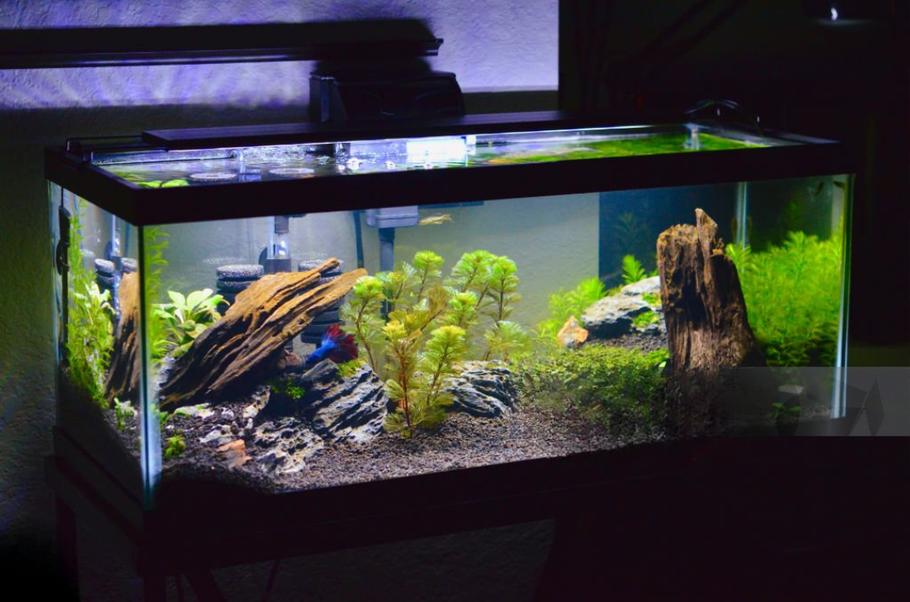
Credit: www.ratemyfishtank.com
Selecting Suitable Fish
Setting up a fish tank in schools can teach students about biology and responsibility. Choosing the right fish is important for a healthy tank.
Fish need proper care and space. Pick species that are easy to keep and safe for children to observe.
Best Species For Beginners
Beginner fish should be hardy and low-maintenance. These fish survive well in school tanks and show interesting behavior.
Some species grow slowly and adapt to tank life easily. They need simple feeding and clean water.
- Betta fish – colorful and easy to care for
- Guppies – small, active, and friendly
- Zebra Danios – tough and swim in groups
- Platies – peaceful and come in many colors
- Corydoras Catfish – bottom dwellers that clean the tank
Fish Compatibility
Not all fish get along. Some fish may fight or stress each other. Choose species that live peacefully together.
Group fish with similar size and temperament. Avoid mixing aggressive fish with gentle ones.
| Fish Species | Compatibility Notes |
|---|---|
| Betta | Best kept alone or with calm, non-fin-nipping fish |
| Guppies | Peaceful; good with other small fish |
| Zebra Danios | Active and social; best in groups |
| Platies | Friendly; mix well with other peaceful fish |
| Corydoras Catfish | Bottom dwellers; peaceful and good tank cleaners |
Essential Equipment
Setting up a fish tank in schools needs the right tools. Good equipment keeps fish healthy and happy.
This guide explains the main equipment for a school fish tank. Each part helps create a safe home for fish.
Filtration Systems
Filtration cleans the water by removing waste and dirt. It keeps the tank water clear and safe for fish.
There are three main types of filters: mechanical, biological, and chemical. Each type has a special job.
- Mechanical filterscatch solid waste like fish food and waste.
- Biological filtersuse good bacteria to break down harmful chemicals.
- Chemical filtersremove toxins and odors from the water.
Heating And Lighting
Most fish need warm water to stay healthy. A heater keeps the water temperature steady.
Lighting helps fish see and plants grow. It also makes the tank look nice and bright.
- Use a reliable heater with adjustable temperature settings.
- Choose lighting that matches the needs of the fish and plants.
- Keep lights on a timer to create a day and night cycle.
Aeration Tools
Aeration adds oxygen to the water. Fish and plants need oxygen to survive.
Air pumps and air stones help move air into the water. This keeps the water fresh.
- Air pumps push air through tubes into the tank.
- Air stones spread air bubbles evenly in the water.
- Proper aeration prevents fish from suffocating.
Preparing The Aquarium
Setting up a fish tank for schools is a great way to teach students about nature. Preparing the aquarium carefully helps keep the fish safe and healthy.
Before adding water or fish, the tank must be cleaned and arranged properly. This ensures a good environment for the fish to live in.
Cleaning And Setting Up
Start by rinsing the tank with warm water only. Avoid using soap or chemicals because they can harm fish.
Check the tank for cracks or damage before placing it on a sturdy stand. Make sure the stand is level and strong enough to hold the tank’s weight.
- Rinse tank with warm water
- Do not use soap or chemicals
- Inspect tank for cracks
- Place on a stable, level stand
Adding Substrate And Decorations
Substrate is the material at the bottom of the tank. It can be gravel or sand. It helps plants grow and fish feel at home.
Choose decorations like rocks, plants, or small caves. These give fish places to hide and explore. Rinse decorations before adding them to the tank.
- Use clean gravel or sand as substrate
- Rinse substrate before adding
- Add decorations that are safe for fish
- Place hiding spots like caves or plants
Water Conditioning
Setting up a fish tank in schools is exciting. Water conditioning is important for fish health. It keeps the water safe for fish to live in.
Learn about dechlorination and balancing pH and hardness. These steps help create a good environment for your fish.
Dechlorination
Tap water often has chlorine. Chlorine is harmful to fish. Removing it is called dechlorination. Use a water conditioner to remove chlorine.
Some water conditioners also remove heavy metals. Follow the instructions on the product. This ensures safe water for your fish.
- Check the water conditioner label.
- Use the correct amount for your tank size.
- Add conditioner to the water before adding fish.
Balancing Ph And Hardness
Fish need the right pH level. pH measures how acidic or basic the water is. Most fish prefer a pH between 6.5 and 7.5.
Water hardness is also important. It refers to minerals in the water. Test kits help you check pH and hardness levels.
| Test | Ideal Range |
| pH Level | 6.5 – 7.5 |
| Water Hardness | 50 – 150 ppm |
Adjust pH using safe products if needed. Always make changes slowly. This keeps your fish healthy and happy.
Introducing Fish Safely
Setting up a fish tank in schools helps students learn about nature. It is important to bring fish into the tank safely.
Safe introduction keeps fish healthy and happy. This guide shows how to do it right.
Acclimation Techniques
Fish need time to get used to new water. Sudden changes can harm or stress them.
Slowly adjust fish to the tank water by following these steps:
- Float the sealed fish bag in the tank for 15 minutes.
- Add small amounts of tank water into the bag every 5 minutes.
- Repeat adding water for 30 to 60 minutes.
- Gently release fish into the tank without pouring the bag water.
Avoiding Stress
Fish feel stress from loud noise and bright lights. Stress makes them sick.
Help fish stay calm with these tips:
- Keep the tank in a quiet place away from direct sunlight.
- Handle fish gently and only when needed.
- Keep the water clean and at the right temperature.
- Feed fish small amounts at regular times each day.
Maintaining Water Quality
Keeping water clean is important for fish health in school tanks. Good water quality helps fish grow and stay active.
Teachers and students should watch the water often. This helps catch problems before they get worse.
Regular Testing
Test the water regularly to check its quality. Key tests include pH, ammonia, nitrite, and nitrate levels.
Use simple test kits designed for aquariums. Testing helps spot harmful changes early.
- Test pH to keep it stable for fish
- Check ammonia to avoid poison buildup
- Measure nitrites and nitrates for safety
- Test at least once a week
Water Changes
Change part of the water often to keep it fresh. This removes waste and keeps fish healthy.
Replace about 10 to 20 percent of the tank water each week. Use clean, dechlorinated water for refills.
- Remove 10-20% of water weekly
- Use water without chlorine
- Match water temperature to tank water
- Clean tank sides and decorations during changes

Credit: www.youtube.com
Feeding And Care Tips
Setting up a fish tank in schools is a fun and educational activity. It’s important to know how to feed and care for the fish properly.
Students can learn responsibility and enjoy observing the colorful aquatic life. Let’s explore the essentials of proper diet and monitoring health.
Proper Diet
Fish need a balanced diet to stay healthy. They eat flakes, pellets, or frozen food.
Feeding them once or twice a day is enough. Too much food can make the tank dirty and unhealthy.
- Use quality fish food for better nutrition
- Feed small amounts, just enough for a few minutes
- Remove uneaten food to prevent water pollution
Monitoring Health
Keeping fish healthy involves regular checks. Look for signs of sickness or stress.
Clear water and lively fish are good signs. Cloudy water or fish hiding a lot might indicate problems.
- Check water temperature and quality regularly
- Observe fish behavior for any changes
- Consult a fish expert if unsure about fish health
Involving Students
Setting up a fish tank in school offers a hands-on learning experience. Students get to observe fish and aquatic plants closely.
This activity helps them learn about biology and ecosystems. It also encourages teamwork and care for living things.
Educational Activities
Students can take part in many learning activities with the fish tank. They study fish behavior and water quality.
- Observe fish feeding habits daily
- Record water temperature and pH levels
- Draw diagrams of the tank ecosystem
- Research different fish species in the tank
- Create posters about fish care
Responsibility Sharing
Sharing tasks helps all students learn responsibility. They take turns feeding fish and cleaning the tank.
| Task | Frequency | Student Role |
| Feeding fish | Daily | Feed fish at set times |
| Checking water | Twice a week | Test water and record data |
| Cleaning tank | Weekly | Clean glass and remove debris |
| Plant care | Weekly | Trim and check aquatic plants |
Frequently Asked Questions
What Size Fish Tank Is Best For Schools?
A 20-30 gallon tank suits most school classrooms. It provides enough space for multiple fish and is easy to maintain. Larger tanks support a healthier ecosystem and reduce maintenance frequency, enhancing learning experiences for students.
How Often Should A School Fish Tank Be Cleaned?
Clean the tank weekly by changing 10-20% of the water. Regular cleaning prevents toxin buildup and keeps fish healthy. Avoid full water changes to maintain beneficial bacteria essential for the tank’s ecosystem.
Which Fish Species Are Ideal For School Tanks?
Betta fish, guppies, and tetras are great choices. They are hardy, colorful, and easy to care for. These species tolerate classroom conditions well and engage students with their active behavior.
What Equipment Is Essential For School Fish Tanks?
A filter, heater, thermometer, and proper lighting are must-haves. These tools maintain water quality, temperature, and fish health. Including an aquarium stand and water test kits improves safety and monitoring.
Conclusion
Setting up a fish tank in schools creates a fun learning space. It teaches students about nature and responsibility. Choose the right tank size and fish type carefully. Keep the tank clean and water healthy every day. Watch students grow curious and excited about science.
This simple project brings life and joy to classrooms. It helps children respect living things and teamwork. A school fish tank makes lessons more real and lively. Try it and see how students engage and learn.