
If you want a vibrant, lively aquarium filled with colorful fish, setting up a tank for Platies and Swordtails is a great choice. But how do you create the perfect environment where these beautiful fish can thrive?
You might wonder about tank size, water conditions, plants, and decorations. Getting these details right will not only keep your fish healthy but also make your aquarium a stunning centerpiece. In this guide, you’ll discover simple, practical steps to set up your Platy and Swordtail tank with ease.
Let’s dive in and make sure your fish feel right at home!
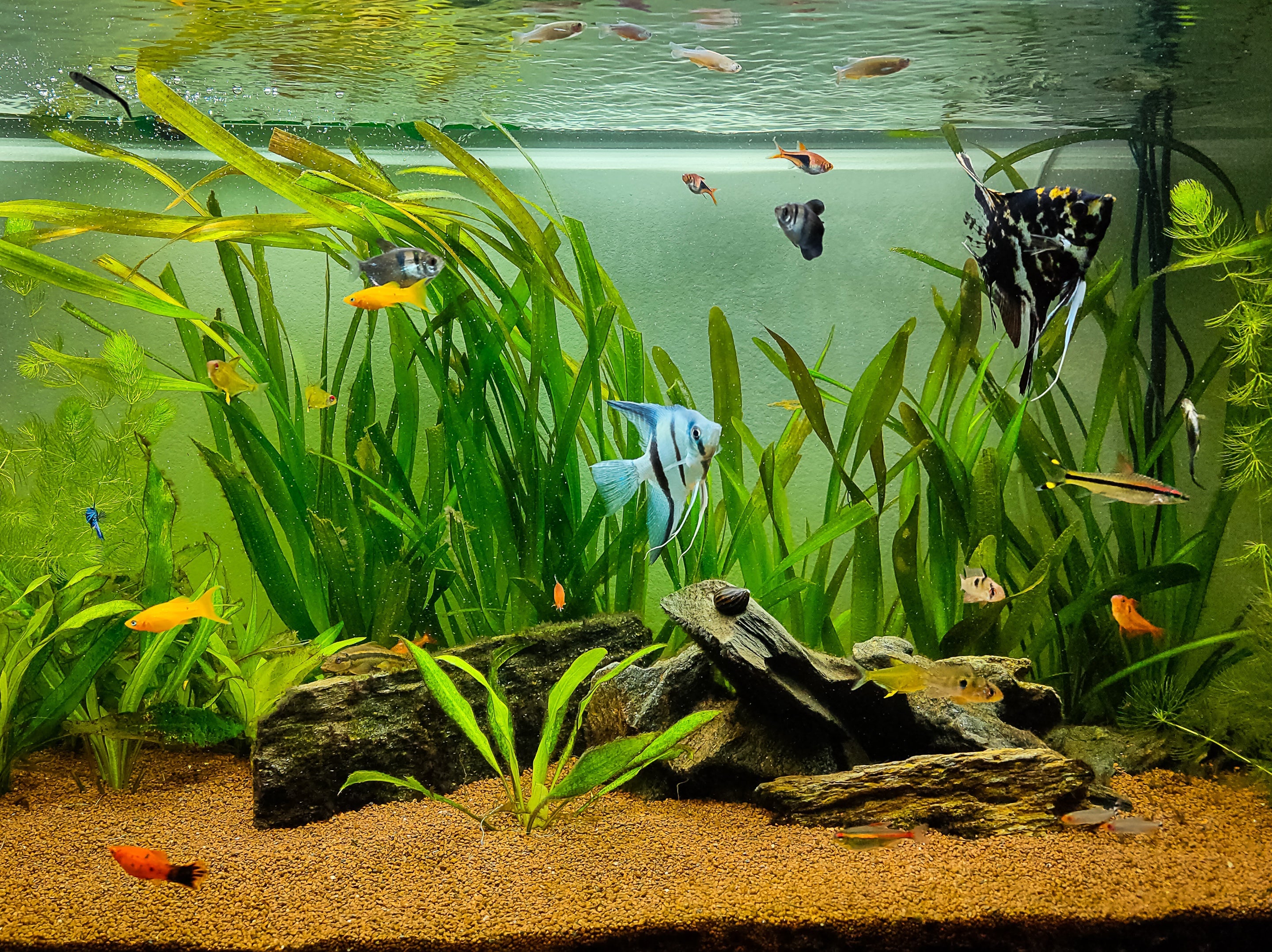
Credit: splashyfishstore.com
Choosing The Right Tank
Setting up a tank for platies and swordtails needs careful planning. The tank you choose affects their health and happiness.
Think about space, shape, and light before buying your tank. These factors help create a good home for your fish.
Ideal Tank Size
Platies and swordtails need enough room to swim freely. A larger tank means cleaner water and less stress.
- A minimum of 20 gallons is good for a small group.
- 30 gallons or more is better for many fish.
- More space helps keep water stable and fish healthy.
Tank Shape And Space
Choose a tank shape that fits your space and allows fish to swim comfortably. Wide tanks give more surface area for oxygen.
| Tank Shape | Benefits |
| Rectangular | Good surface area and fits many spaces |
| Square | Compact but less swimming area |
| Tall | Less surface area, harder for fish to swim |
Placement And Lighting
Place the tank where it gets stable temperature and no direct sunlight. Bright light can cause algae growth.
- Keep the tank away from windows and heaters.
- Use aquarium lights for 8-10 hours a day.
- Lighting helps plants grow and fish stay active.
Water Parameters
Setting the right water parameters is key for healthy Platies and Swordtails. Proper water conditions help them thrive and show their best colors.
Careful attention to temperature, pH, hardness, and filtration keeps the tank stable. This reduces stress and disease risks for your fish.
Temperature Range
Platies and Swordtails prefer warm water. Keep the temperature steady between 72°F and 79°F (22°C to 26°C). Avoid sudden changes to prevent stress.
Ph And Hardness Levels
These fish do well in slightly alkaline water. The ideal pH is 7.0 to 8.0. They also like moderately hard water with general hardness (GH) between 10 and 20 dGH.
| Parameter | Ideal Range |
|---|---|
| pH Level | 7.0 – 8.0 |
| General Hardness (GH) | 10 – 20 dGH |
| Carbonate Hardness (KH) | 3 – 10 dKH |
Water Filtration And Aeration
Good filtration keeps water clean and clear. It removes waste and harmful chemicals. Aeration adds oxygen, which fish need to breathe well.
- Use a filter rated for your tank size.
- Perform regular water changes to reduce toxins.
- Ensure the filter flow is gentle to avoid stressing fish.
- Add an air stone or bubbler to improve oxygen levels.
Substrate And Decorations
Setting up a tank for platies and swordtails needs the right substrate and decorations. These fish enjoy a natural environment that keeps them active and healthy. Choosing the right base and plants helps keep water clean and provides shelter.
Decorations create hiding spots and open swimming areas. Balancing these elements makes the tank comfortable for your fish and easy to maintain.
Best Substrate Options
Pick a substrate that suits platies and swordtails well. The substrate affects water quality and plant growth. Soft and natural substrates work best for these fish.
- Fine gravel: Easy to clean and safe for fish
- Sand: Offers a natural look and gentle on fish fins
- Plant substrate: Supports root growth for live plants
- Mixed substrate: Combines gravel and plant substrate
Plants For Platies And Swordtails
Live plants improve water quality and provide hiding spots. Platies and swordtails like plants with broad leaves and soft stems. Make sure plants are easy to care for and can grow in your tank conditions.
| Plant Name | Light Need | Growth Speed |
| Java Fern | Low to medium | Slow |
| Anubias | Low | Slow |
| Amazon Sword | Medium | Medium |
| Hornwort | Medium to high | Fast |
Hiding Spots And Open Areas
Platies and swordtails need places to hide and spots to swim freely. Use decorations to create these spaces. Avoid overcrowding the tank to keep fish active and reduce stress.
- Use caves and rock formations for hiding
- Add driftwood or resin decorations for shelter
- Keep open swimming areas in the center
- Arrange plants to create natural hiding spots
Feeding Essentials
Platies and swordtails need proper feeding to stay healthy and active. Good food helps them grow and show bright colors.
Feeding them right means giving a mix of foods and feeding at the right times. This guide covers what they need to eat and how often.
Balanced Diet Choices
Platies and swordtails eat both plants and small animals. They need a mix of foods for a balanced diet.
Offer high-quality flakes or pellets made for tropical fish. Add live or frozen foods for extra protein.
- Flakes or pellets with vitamins and minerals
- Live foods like brine shrimp or daphnia
- Frozen bloodworms or mosquito larvae
- Vegetables like blanched spinach or peas
Feeding Frequency
Feed platies and swordtails small amounts two to three times each day. This keeps their energy up without polluting the tank.
Only give what they can eat in three minutes. Remove leftover food to keep water clean.
- Feed 2-3 times daily
- Small portions each feeding
- Remove uneaten food quickly
- Adjust food amount as fish grow
Supplements And Treats
Supplements help fill nutrition gaps. Use them occasionally to keep fish healthy.
Treats like freeze-dried foods can add variety. Do not overfeed treats to avoid health problems.
- Use vitamin supplements once a week
- Offer freeze-dried foods as treats
- Avoid too many treats to prevent obesity
- Keep a varied diet for best health
Tank Mates And Compatibility
Platies and swordtails are friendly fish. They thrive in a community tank with the right companions.
Choosing compatible tank mates ensures a peaceful and vibrant aquarium environment.
Compatible Fish Species
Platies and swordtails get along well with many fish. They enjoy swimming with peaceful species.
- Guppies
- Mollies
- Corydoras catfish
- Tetras
Avoiding Aggressive Fish
Avoid placing aggressive fish with platies and swordtails. Aggressive fish can stress and harm them.
Fish that nip fins or show territorial behavior should not be included.
- Betta fish
- Cichlids
- Barbs
Community Tank Tips
Create a balanced environment for your fish. Provide enough space and hiding spots.
Regular water changes and proper filtration keep the tank healthy. Monitor fish behavior and adjust tank mates as needed.
| Temperature | 22-28°C (72-82°F) |
| pH Level | 6.8-8.0 |
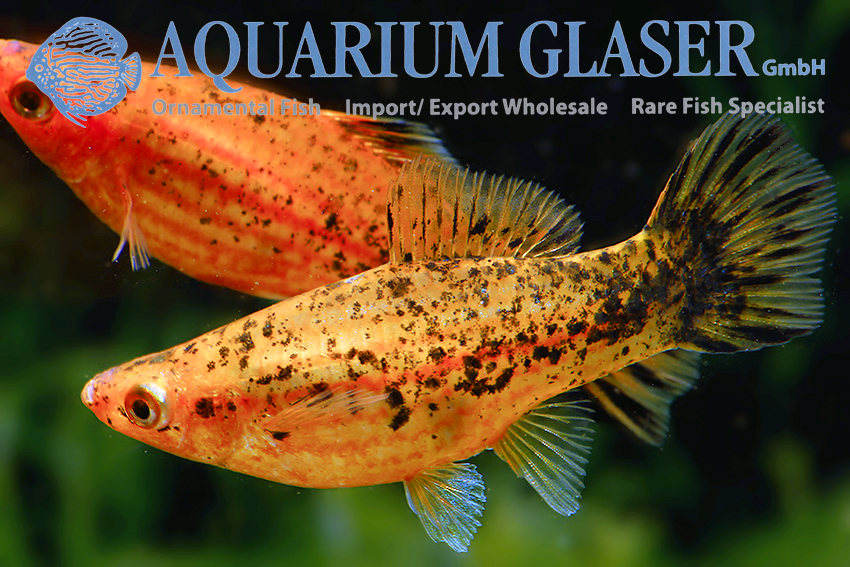
Credit: www.aquariumglaser.de
Breeding Tips
Platies and swordtails are popular livebearers in home aquariums. Breeding them can be easy with the right care.
Learn how to identify males and females, set breeding conditions, and raise the fry successfully.
Identifying Males And Females
Male platies and swordtails are smaller and more colorful than females. Males have a gonopodium, a tube-like fin used for mating.
Females are usually larger and rounder, especially when pregnant. Their fins are more rounded and lack the gonopodium.
- Males have a gonopodium (modified anal fin)
- Females have rounded anal fins
- Females grow larger and rounder
- Males often show brighter colors
Breeding Conditions
Maintain water temperature between 75°F and 80°F for best breeding results. Keep the pH around 7.0 to 8.0.
Provide plenty of plants or hiding spots. This helps reduce stress and protects fry from adults.
- Water temperature: 75°F – 80°F (24°C – 27°C)
- pH level: 7.0 to 8.0
- Use live plants or artificial hiding spots
- Feed a varied diet with quality flakes and live foods
Raising Fry Successfully
Move pregnant females to a separate tank to protect fry. Fry need small foods like baby brine shrimp or crushed flakes.
Keep the water clean with regular changes. Avoid strong currents and provide gentle filtration.
- Separate pregnant females before birth
- Feed fry small, frequent meals
- Maintain clean water with partial changes
- Use gentle filtration and low water flow
Common Health Issues
Platies and swordtails are popular aquarium fish that can face health problems. Knowing common issues helps keep them healthy.
These fish need clean water and good care to avoid sickness. Watch for signs early to treat problems fast.
Signs Of Illness
Sick platies and swordtails show clear signs you can spot. Watch their behavior and look for changes.
Some common signs include less activity, loss of appetite, and strange swimming patterns.
- Faded or dull colors
- Clamped fins or torn fins
- White spots or patches on the body
- Labored breathing or gasping at the surface
- Scratching against objects in the tank
- Swollen belly or bloating
- Rapid gill movement
Preventative Measures
Good tank care reduces health problems in platies and swordtails. Keep their environment clean and stable.
Feed a balanced diet and avoid overcrowding. Regular water changes help keep fish healthy.
- Test water regularly for ammonia, nitrites, and nitrates
- Keep water temperature between 72°F and 78°F (22°C – 26°C)
- Use a good filter and clean it often
- Feed high-quality food suitable for livebearers
- Quarantine new fish before adding them to the main tank
- Remove uneaten food to prevent water pollution
- Provide hiding spots with plants or decorations
Treatment Options
Treatment depends on the illness type. Early care improves the chance of recovery.
Use medicine designed for aquarium fish and follow instructions carefully. Keep water clean during treatment.
- For white spots (Ich), use anti-parasitic medications
- Bacterial infections may need antibiotics or salt baths
- Fungal infections require antifungal treatments
- Isolate sick fish in a quarantine tank
- Increase water temperature slightly to speed healing
- Perform regular water changes to reduce stress
- Consult a vet or fish expert if unsure about symptoms
Maintenance Routine
Setting up a Platy and Swordtail tank requires regular maintenance to keep fish healthy. A clear routine helps maintain a thriving aquatic environment.
Following a structured plan ensures your tank stays clean and your fish live in optimal conditions. Let’s explore the essential tasks.
Regular Cleaning Schedule
Regular cleaning prevents algae growth and keeps the tank visually appealing. Basic cleaning involves removing debris and wiping glass surfaces.
- Remove uneaten food to prevent water pollution.
- Gently scrub the tank walls to remove algae.
- Inspect and clean the filter to ensure proper functioning.
Water Change Guidelines
Regular water changes are crucial for maintaining water quality. They help remove toxins and replenish essential minerals in the tank.
Monitoring Water Quality
Monitoring water quality ensures the tank environment is safe for your fish. Test the water regularly for ammonia, nitrite, and pH levels.
| Parameter | Safe Range |
| Ammonia | 0 ppm |
| Nitrite | 0 ppm |
| pH Level | 6.8 – 7.8 |

Credit: shrimpybusiness.com
Frequently Asked Questions
What Tank Size Is Ideal For Platy And Swordtail?
A 20-gallon tank is ideal for Platy and Swordtail fish. It provides enough space for swimming and growth. This size helps maintain stable water conditions and reduces stress, promoting healthy fish behavior.
Can Platies And Swordtails Live Together Peacefully?
Yes, Platies and Swordtails are peaceful community fish. They coexist well in a shared tank with proper space. Both species have similar water and temperature needs, making them compatible tank mates.
What Water Parameters Suit Platy And Swordtail Setup?
Maintain water temperature between 70-78°F, pH 7. 0-8. 3, and moderate hardness. Regular water changes and filtration ensure clean conditions. Stable parameters promote healthy fish and vibrant colors.
What Diet Is Best For Platy And Swordtail Fish?
Feed a balanced diet of high-quality flakes, pellets, and live or frozen foods. Include vegetables like blanched spinach or peas. Variety ensures proper nutrition and supports their active lifestyle.
Conclusion
Creating a healthy tank for platies and swordtails takes care and planning. Keep the water clean and the temperature steady. Provide plenty of plants and hiding spots for comfort. Feed them a balanced diet to keep them active and colorful.
Watch your fish daily to spot any problems early. Enjoy the peaceful beauty these fish bring to your home. A simple, well-maintained setup makes all the difference. Your tank will thrive with attention and love.