
Setting up a fish tank can be exciting, but it often comes with challenges—especially when it comes to feeding your fish easily and without hassle. What if your tank allowed you quick, stress-free access to feed your aquatic friends without disturbing their environment?
Imagine a setup designed with feeding access in mind, making your daily care simple and enjoyable. You’ll discover how to create a fish tank that not only looks great but also gives you easy feeding access every time. Keep reading to learn the smart tricks that make feeding your fish effortless and keep your tank healthy and beautiful.
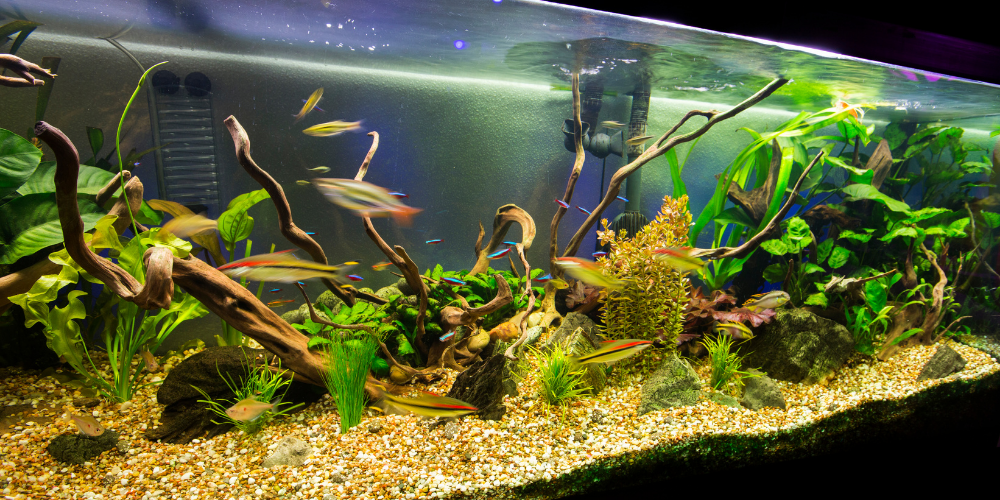
Credit: www.pond-planet.co.uk
Choosing The Right Tank
Setting up a fish tank with easy feeding access starts with choosing the right tank. The tank size and shape affect fish health and maintenance. Material and placement also play important roles.
Understanding these factors helps you create a good home for your fish. This guide covers size and shape options, material considerations, and placement tips.
Size And Shape Options
Fish tanks come in many sizes and shapes. The right choice depends on the type and number of fish you want. Larger tanks hold more water and keep conditions stable. Some shapes make feeding easier.
- Rectangular tanks offer more surface area for oxygen exchange.
- Bow-front tanks give good viewing and easy feeding access.
- Cylindrical tanks look stylish but have less swimming space.
- Small tanks are good for beginners but need frequent cleaning.
- Large tanks suit community fish and reduce water changes.
Material Considerations
Fish tanks are usually made from glass or acrylic. Each material has pros and cons. Choosing the right one affects tank durability and clarity.
| Material | Advantages | Disadvantages |
|---|---|---|
| Glass | Scratch-resistant, clear view, affordable | Heavier, can break on impact |
| Acrylic | Lighter, stronger, better insulation | Scratches easily, more expensive |
Placement Tips
Where you place your fish tank affects feeding and fish health. Pick a spot with stable temperature and easy feeding access. Avoid direct sunlight to stop algae growth.
- Keep the tank away from windows and heaters.
- Place it on a sturdy, level surface.
- Allow space to open the lid for feeding.
- Ensure easy access to power outlets for filters and lights.
Designing Feeding Access
Feeding your fish should be simple and safe. A well-designed feeding access saves time and stress. It also keeps your fish healthy and happy.
This guide covers types of feeding ports, location strategies, and safety features. These tips help you set up a fish tank that is easy to feed and maintain.
Types Of Feeding Ports
Feeding ports come in many shapes and sizes. Each type lets you add food without opening the entire tank lid.
- Slide-open ports:These have a small sliding door for quick access.
- Flip-top lids:A hinged cover that opens easily for feeding.
- Feeding tubes:Tubes that reach inside the tank to drop food.
- Magnetic ports:Small doors held by magnets for secure closure.
- Removable panels:Sections of the tank lid that come off for feeding.
Location Strategies
Where you place the feeding port matters. It should be easy to reach and not disturb the fish too much.
| Location | Advantages | Considerations |
|---|---|---|
| Top center | Easy to reach; good for all tank sizes | May cause water splashes |
| Side near front | Accessible without moving tank | Could stress shy fish |
| Corner of lid | Less disturbance to fish | Harder to reach in large tanks |
| Near filter | Food spreads well with water flow | Risk of clogging filter |
Safety Features
Safety is key for both fish and owner. Feeding ports should stop fish from jumping out and keep dirt out.
- Secure closures:Use tight lids or magnets to prevent escapes.
- Water-resistant seals:Keep water from leaking during feeding.
- Rounded edges:Avoid sharp edges to protect hands and fish.
- Easy to clean:Prevent mold and bacteria buildup.
- Locking mechanisms:For homes with pets or children.
Feeding Tools And Accessories
Setting up a fish tank requires more than just water and fish. Feeding tools and accessories make daily care easier and keep fish healthy.
Using the right tools helps control food portions and maintain tank cleanliness. It also ensures your fish get the proper nutrition.
Automatic Feeders
Automatic feeders release food at set times. They are great for busy fish owners or when you are away.
- Programmable timers control feeding schedules.
- Adjustable portions prevent overfeeding.
- Battery or electric powered for convenience.
- Some models come with backup food storage.
Manual Feeding Tools
Manual tools help you feed fish accurately and cleanly. They make feeding easier and reduce mess.
- Feeding tongs to place food precisely.
- Hand-held scoops for dry or frozen food.
- Feeding rings to keep food in one area.
- Dropper tools for liquid or powdered food.
Food Storage Solutions
Proper storage keeps fish food fresh and safe. Good storage prevents moisture and pests.
| Storage Type | Use | Benefit |
| Airtight Containers | Dry flakes and pellets | Keeps food dry and fresh |
| Refrigerated Jars | Frozen or live food | Maintains freshness longer |
| Plastic Bins | Bulk storage | Easy to organize and access |
| Labeling | All food types | Track expiration dates |
Maintaining Cleanliness
Keeping a fish tank clean is important for the health of your fish. A clean tank ensures a safe and happy environment for them to thrive.
Proper setup and maintenance can prevent common issues like algae growth and poor water quality. Let’s explore key elements in maintaining cleanliness.
Filtration Systems
Filtration systems are crucial in keeping the tank water clean. They remove debris, waste, and harmful chemicals from the water.
There are different types of filters available. Choose one based on your tank size and the type of fish you have.
- Mechanical filters trap physical particles
- Biological filters support beneficial bacteria growth
- Chemical filters remove toxins and odors
Regular Cleaning Routines
Regular cleaning routines help maintain a healthy fish tank environment. A consistent schedule prevents buildup of waste and algae.
Simple tasks like water changes and cleaning decorations make a big difference. Always use safe tools and methods to avoid harming your fish.
- Change 10-15% of the water weekly
- Clean tank walls to remove algae
- Rinse filter media in old tank water
Waste Management
Managing waste in the tank is essential for cleanliness. Fish produce waste that can quickly pollute the water if not managed properly.
Avoid overfeeding and remove uneaten food to reduce waste. Consider adding bottom dwellers to help clean the substrate naturally.
- Feed only what fish can eat in 2-3 minutes
- Use a gravel vacuum to clean the substrate
- Add snails or shrimp to help manage debris
Enhancing Efficiency
Setting up a fish tank with easy feeding access saves time and effort. It helps keep your fish healthy and your tank clean.
Efficient feeding and maintenance reduce waste and save energy. This guide shares simple tips for a better setup.
Optimizing Feeding Schedules
Feed your fish at regular times each day. Consistent feeding helps fish stay healthy and active.
Use a timer or automatic feeder for precise feeding. This avoids overfeeding and keeps the tank clean.
- Feed small amounts twice a day
- Check fish behavior to adjust feeding
- Use automatic feeders for busy days
Minimizing Food Waste
Only add food your fish can eat in a few minutes. Leftover food pollutes water and harms fish health.
Choose feeding access that allows easy food control. Remove uneaten food quickly to keep the tank clean.
- Feed small amounts to avoid leftovers
- Use a feeding ring to keep food in place
- Clean uneaten food after feeding
Energy-saving Tips
Use energy-efficient equipment for your fish tank. LED lights and low-power filters save electricity.
Set timers for lights and feeding to reduce energy use. Turn off equipment when not needed.
- Choose LED lighting over incandescent bulbs
- Use energy-saving filters and pumps
- Set timers for lights and feeding devices
- Turn off equipment during maintenance
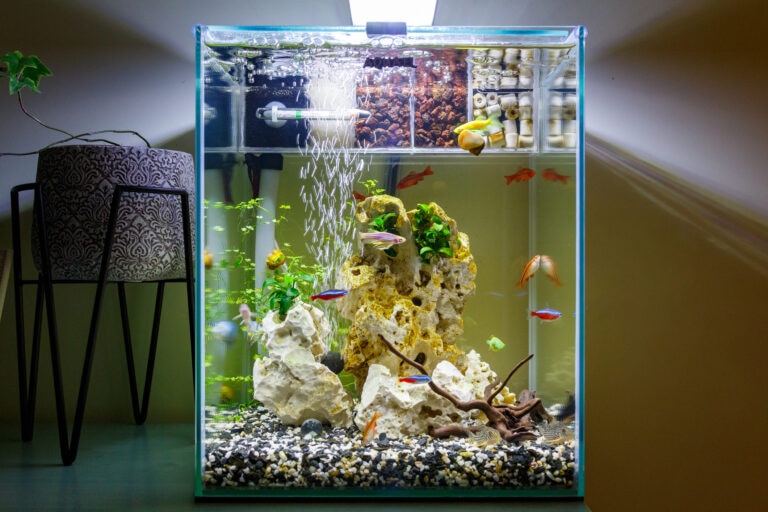
Credit: www.chewy.com
Common Challenges And Fixes
Setting up a fish tank with easy feeding access is great for keeping fish healthy. Many fish owners face common problems that can harm their tank.
Knowing simple fixes helps keep the tank clean and fish happy. This guide covers key challenges and how to solve them.
Preventing Overfeeding
Overfeeding fish causes leftover food to decay and pollute the water. It can also make fish sick and breed algae.
Feed only small amounts that fish can eat in 2-3 minutes. Use feeding access points to control portions easily.
- Feed once or twice a day with measured amounts
- Remove uneaten food after feeding time
- Use automatic feeders for precise portions
Dealing With Algae
Algae grow fast if the tank has too much light or nutrients. It can make the tank look dirty and harm fish health.
Control algae by reducing light exposure and keeping water clean. Regular tank cleaning and plant care help prevent algae.
- Limit tank light to 8-10 hours daily
- Clean tank walls and decorations weekly
- Add algae-eating fish or snails if safe
- Do regular water changes to lower nutrients
Managing Tank Health
Tank health depends on clean water, good filtration, and stable conditions. Poor health can stress fish and cause disease.
Test water regularly and keep filters working well. Watch fish behavior and act quickly if problems appear.
- Test water for ammonia, nitrite, and pH weekly
- Change 10-20% of water every week
- Clean or replace filter media monthly
- Keep water temperature steady for your fish type

Credit: m.youtube.com
Frequently Asked Questions
What Is A Fish Tank With Feeding Access?
A fish tank with feeding access allows easy food delivery without opening the entire lid. It reduces stress for fish and prevents water contamination. This design keeps the tank environment stable and convenient for daily feeding routines.
How To Set Up A Fish Tank With Feeding Access?
Choose a tank with a built-in feeding hatch or modify the lid. Ensure the access is secure and prevents fish escape. Position the feeding area for easy reach. Maintain proper filtration and lighting for a healthy aquarium setup.
Why Is Feeding Access Important In Fish Tanks?
Feeding access minimizes disturbance to fish during feeding. It helps maintain water quality by reducing lid opening time. This access also simplifies feeding, making daily care more efficient and less stressful for both fish and owners.
Can Feeding Access Affect Fish Tank Water Quality?
Proper feeding access reduces the frequency of opening the tank. This limits the introduction of contaminants and temperature fluctuations. As a result, water quality remains more stable, promoting a healthier environment for fish and aquatic plants.
Conclusion
Setting up a fish tank with easy feeding access makes fish care simple. It saves time and keeps fish healthy. You can enjoy watching your fish without stress. A well-planned tank helps fish thrive and grow. Small changes in setup make a big difference.
Keep your tank clean and feeding spot clear. Happy fish, happy tank. Start today and see the calm water life.