
Creating a lush moss carpet in your aquarium can transform it into a stunning underwater garden. But did you know that where you place your light makes all the difference?
If your moss isn’t growing as vibrant or as fast as you hoped, the problem might be right above your tank. You’ll discover simple yet powerful tips on light placement that will help your moss thrive and turn your aquarium into a living masterpiece.
Keep reading to unlock the secret to a greener, healthier moss carpet.
Choosing The Right Light
Choosing the correct light is key for a healthy moss carpet aquarium. The right light helps moss grow lush and green. It also keeps your aquarium looking natural and bright.
In this guide, we look at different types of aquarium lights. We also explain which light colors help moss grow best. Lastly, we cover how bright the light should be.
Types Of Aquarium Lights
You can choose from several light types for your moss aquarium. Each type has its own benefits and costs. Some lights use less energy, while others give better color.
- Fluorescent Lights: Common and affordable, but less efficient.
- LED Lights: Energy-saving and long-lasting with good light quality.
- Metal Halide Lights: Very bright but produce more heat and use more power.
- CFL (Compact Fluorescent Lamps): Smaller and brighter than standard fluorescents.
Light Spectrum For Moss Growth
Moss grows best under certain light colors. The spectrum affects how well it can use light for photosynthesis. A good balance of blue and red light helps moss thrive.
| Light Color | Wavelength (nm) | Effect on Moss |
| Blue | 400-500 | Supports growth and strong cell walls |
| Red | 600-700 | Helps photosynthesis and energy production |
| Green | 500-600 | Less used, but adds natural look |
Intensity Requirements
Moss needs the right light strength to grow well. Too little light slows growth. Too much light can cause algae problems. Measure light in PAR or lumens to get it right.
Recommended light intensities for moss types:
- Low Light Moss (e.g., Java Moss): 15-30 µmol/m²/s
- Medium Light Moss (e.g., Christmas Moss): 30-50 µmol/m²/s
- High Light Moss (e.g., Flame Moss): 50-70 µmol/m²/s
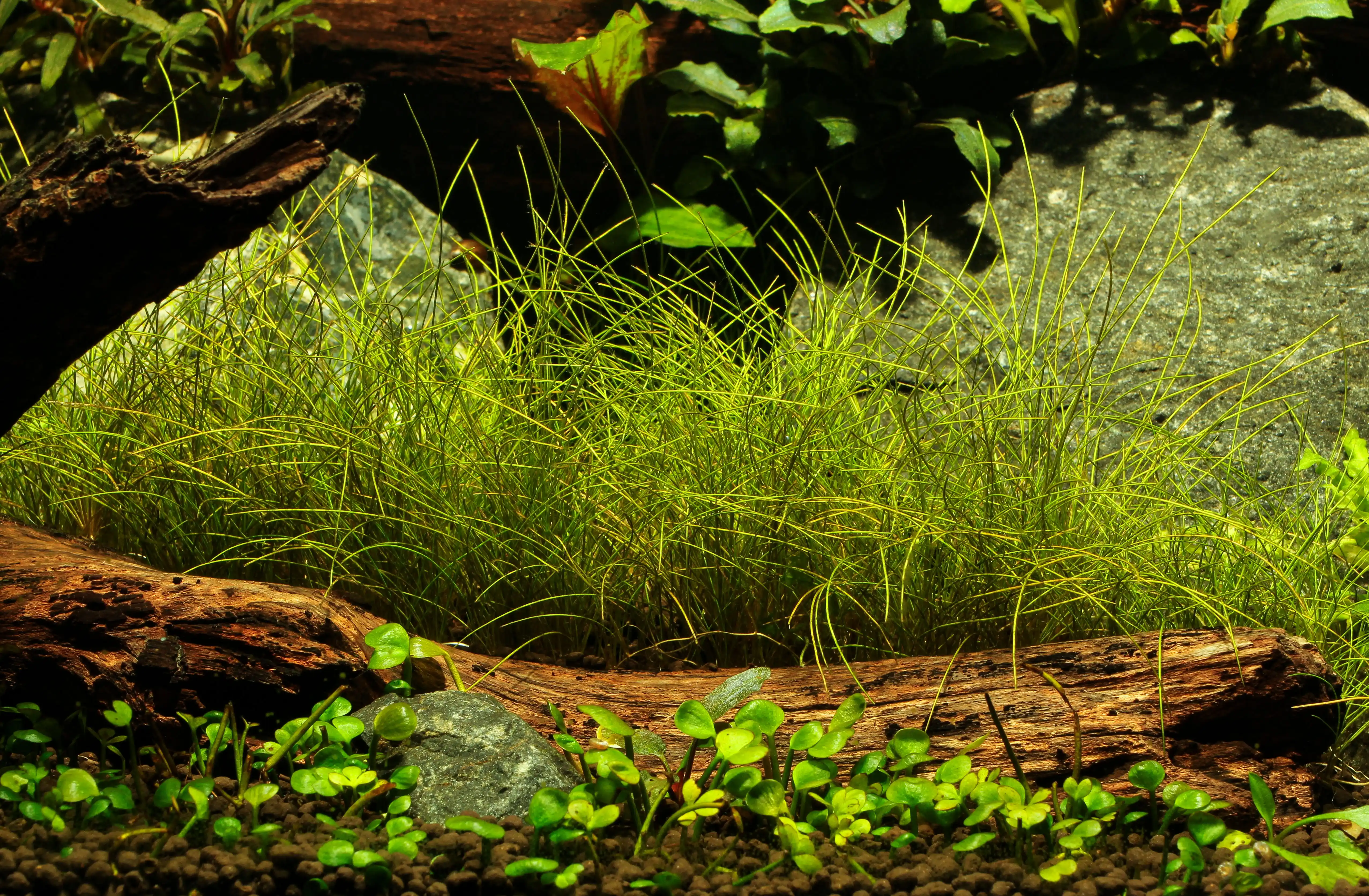
Credit: www.practicalfishkeeping.co.uk
Optimal Light Positioning
Proper light placement is very important for moss carpet aquariums. Good lighting helps moss grow evenly and stay healthy.
Placing your light in the right spot gives your moss the energy it needs. It also makes your aquarium look better.
Distance From Moss Carpet
The distance between the light and moss affects how much light the moss receives. Too close can burn the moss. Too far means less light.
Keep the light about 6 to 12 inches above the moss carpet. This range gives good light without causing damage.
- Close enough to provide strong light
- Far enough to avoid heat damage
- Adjust height based on your light type
Angle And Coverage
Light should cover the entire moss carpet evenly. Use a wide angle to avoid dark spots. Aim the light straight down or slightly angled.
Good coverage helps moss grow uniformly. Angled lights can create shadows if not placed right.
- Use lights with a broad beam angle
- Position lights to cover all moss areas
- Avoid narrow beams focused on one spot
Avoiding Shadows And Hotspots
Shadows and hotspots cause uneven moss growth. Shadows block light, and hotspots can burn the moss.
Move decorations or plants that cast shadows. Use diffusers or multiple light sources to spread light evenly.
- Check for objects that block light
- Use diffusers to soften intense light
- Place more than one light if needed
Duration And Timing
Light is key for moss carpet aquariums to grow well. The right duration and timing help moss stay healthy and green.
Too much light can cause algae, and too little slows moss growth. Knowing how long and when to light your tank is important.
Recommended Photoperiod
Moss carpets need about 8 to 10 hours of light daily. This time supports photosynthesis without causing algae problems.
Keep the light steady each day. A consistent schedule helps moss grow strong and keeps the aquarium balanced.
Using Timers For Consistency
Timers make it easy to give moss the right light every day. They turn lights on and off at the same time automatically.
This helps avoid giving too much or too little light. A regular schedule supports steady moss growth and prevents algae.
Adjusting For Seasonal Changes
Seasonal changes in daylight can affect your aquarium’s light needs. Adjust the light duration to match shorter or longer days.
In winter, increase light time slightly. In summer, reduce it to avoid overheating and algae growth.
- Winter: 9 to 10 hours of light
- Summer: 7 to 8 hours of light
- Spring/Fall: 8 to 9 hours of light

Credit: www.reddit.com
Balancing Light With Other Factors
Light is important for moss carpet aquariums. It helps plants grow strong and green.
But light alone is not enough. You must balance light with other things like CO2, nutrients, and water flow.
Co2 And Nutrient Considerations
Moss needs carbon dioxide (CO2) to grow well. Light helps photosynthesis, but CO2 is also needed.
Too much light without enough CO2 or nutrients can hurt moss. It may grow slowly or turn brown.
- Use balanced fertilizers for moss nutrients
- Keep CO2 levels steady for healthy growth
- Match light intensity with CO2 and nutrients
Water Flow And Light Interaction
Water flow moves nutrients and CO2 around the tank. It also affects how light reaches the moss.
Strong flow can block light from reaching moss in some spots. Gentle flow helps spread light evenly.
- Adjust flow to avoid shading moss areas
- Use gentle currents for better light distribution
- Check flow regularly to keep conditions stable
Preventing Algae Growth
Too much light can cause algae to grow on moss and tank surfaces. Algae compete for nutrients.
Balancing light with CO2 and nutrients helps stop algae from taking over your aquarium.
- Keep light duration around 6-8 hours a day
- Maintain good CO2 and nutrient levels
- Clean tank regularly to remove algae spots
Monitoring And Adjusting Light Setup
Setting up the right light for your moss carpet aquarium is essential. It helps the moss grow healthy and vibrant.
Understanding the signs of light stress and how to adjust your setup is key. Let’s dive into the details.
Signs Of Light Stress
Light stress can harm the moss in your aquarium. Look for these signs to know if your moss is stressed.
- Moss turns brown or yellow
- Algae growth on the moss surface
- Moss stops growing or appears wilted
Tools For Measuring Light Intensity
Using the right tools helps ensure your moss receives enough light. Here are some tools you can use.
| Tool | Purpose |
| Lux Meter | Measures light intensity |
| PAR Meter | Measures photosynthetically active radiation |
| Light Timer | Controls light duration |
Tweaking For Optimal Growth
Adjusting your light setup can boost moss growth. Follow these steps to tweak your setup for the best results.
- Measure current light levels using a lux meter.
- Adjust light duration using a timer.
- Reposition light sources for even distribution.
- Monitor moss health for signs of improvement.

Credit: www.co2art.eu
Frequently Asked Questions
How To Position Light For Moss Carpet Aquariums?
Place the light directly above the moss carpet for even coverage. Maintain a 6-12 inch distance to avoid overheating. Use adjustable fixtures to control intensity and angle. Consistent lighting promotes healthy moss growth and vibrant green color.
What Light Spectrum Is Best For Moss Carpets?
Use full-spectrum LED lights with 6500K color temperature. This mimics natural daylight and supports photosynthesis. Red and blue wavelengths enhance moss growth. Avoid lights with excessive heat, as they can damage the moss.
How Many Hours Of Light Does A Moss Carpet Need?
Provide 8 to 10 hours of light daily. Too much light causes algae growth, while too little slows moss growth. Use a timer to maintain a consistent lighting schedule for optimal results.
Can Improper Light Placement Harm Moss Carpets?
Yes, improper light placement can cause moss to yellow or die. Uneven lighting results in patchy growth. Excessive heat from close lights can burn moss. Balanced, diffused light ensures healthy and uniform moss coverage.
Conclusion
Proper light placement helps moss carpets grow healthy and green. Bright, even light avoids dark spots and keeps moss lush. Position lights close but not too hot to prevent damage. Adjust light time to stop algae and support growth. Watch your moss daily and change light as needed.
Good lighting makes your aquarium look fresh and natural. Small changes bring big differences in moss health. Keep it simple, steady, and your moss carpet will thrive beautifully.