
Setting up a fish tank for juvenile fish is more than just filling a tank with water and adding some decorations. If you want your young fish to grow healthy and strong, you need to create a safe and comfortable environment just for them.
In this guide, you’ll discover simple, practical steps to protect your juvenile fish from common dangers and stress. Whether you’re a beginner or have some experience, these tips will help you build the perfect home for your little swimmers. Keep reading to learn how to make your fish tank a safe haven that encourages growth and happiness for your juvenile fish.
Choosing The Right Tank
Setting up a fish tank for juvenile fish needs careful thought. The tank you pick affects their health and safety.
A good tank supports growth and keeps young fish safe from harm and stress.
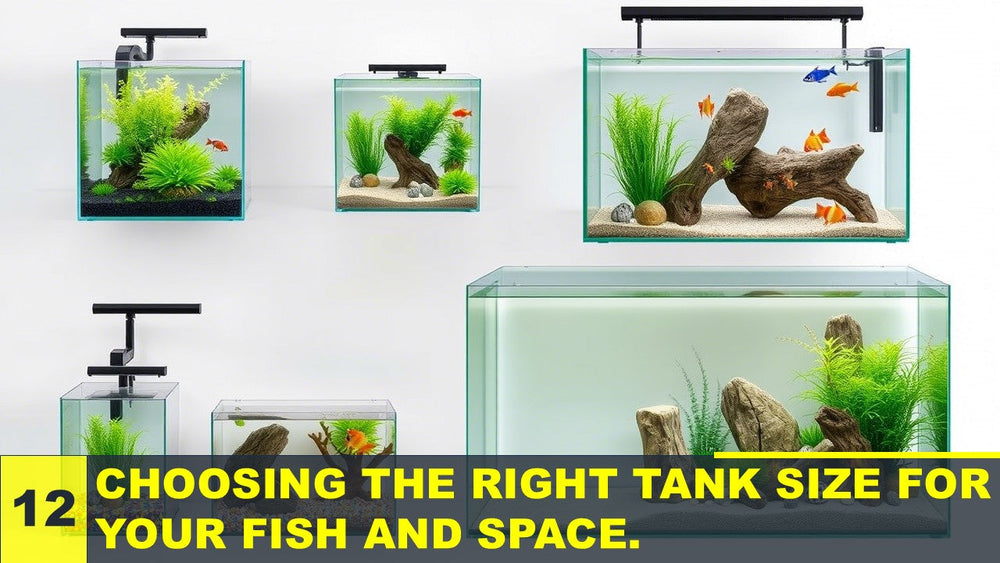
Tank Size And Shape
Choose a tank size that gives juvenile fish enough room to swim. Small tanks can cause stress and stunt growth.
Wide tanks provide more surface area for oxygen. Tall, narrow tanks may limit swimming space for young fish.
- Start with at least 20 gallons for small groups
- Use a wide tank shape for better oxygen exchange
- Avoid very tall tanks that limit horizontal space
Material Considerations
Choose safe materials that do not release harmful chemicals into the water. Most tanks are glass or acrylic.
Glass is sturdy and scratch-resistant. Acrylic is lighter and less likely to break but can scratch more easily.
- Glass tanks are heavy but clear and durable
- Acrylic tanks are light and impact-resistant
- Check for non-toxic seals and coatings
Location And Placement
Place the tank where it stays stable in temperature. Avoid direct sunlight that can heat the water too much.
Keep the tank away from loud noises and vibrations. These can stress young fish and affect their growth.
- Choose a quiet room with stable temperature
- Avoid windows with direct sunlight
- Place tank on a solid, level surface
Water Quality Essentials
Setting up a safe fish tank for juvenile fish needs careful water quality control. Good water quality helps fish grow strong and stay healthy.
Understanding key factors like filtration, pH balance, and temperature is important. Each part plays a role in keeping water safe for young fish.
Filtration Systems
Filtration removes dirt and harmful waste from tank water. It keeps the water clean and clear for juvenile fish.
- Mechanical filters trap solid particles.
- Biological filters break down fish waste using bacteria.
- Chemical filters remove toxins and odors.
Maintaining Ph Balance
pH shows how acidic or basic the water is. Juvenile fish need stable pH to avoid stress and health problems.
| pH Level | Effect on Juvenile Fish |
| Below 6.0 | Too acidic, can harm fish |
| 6.5 – 7.5 | Ideal range, keeps fish healthy |
| Above 8.0 | Too basic, causes stress |
Temperature Control
Juvenile fish need water temperature to stay steady. Sudden changes can shock or weaken them.
Use a reliable aquarium heater to keep temperature stable.
Check water temperature daily with a thermometer.
Ideal temperatures differ by fish species but usually range from 72°F to 78°F (22°C to 26°C).
Safe Decorations And Substrate
Setting up a fish tank for juvenile fish requires careful choice of decorations and substrate. These choices help keep young fish safe and comfortable.
Choosing safe materials prevents injuries and supports healthy fish growth in the aquarium.
Non-toxic Materials
Use decorations made from non-toxic materials only. This keeps the water clean and fish healthy.
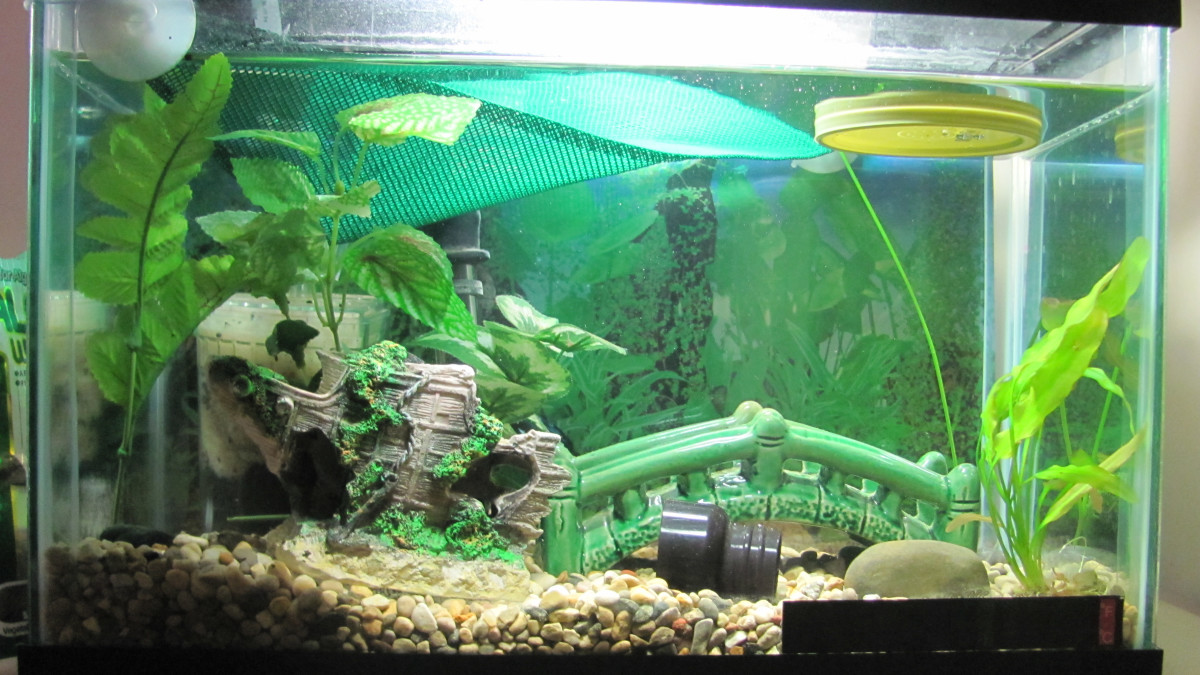
Plastic, ceramic, and smooth stones are safe if labeled aquarium-safe. Avoid painted or treated items that can release chemicals.
- Choose aquarium-safe plastics and ceramics
- Check labels for non-toxicity
- Rinse decorations before adding them
- Avoid painted or chemically treated items
Avoiding Sharp Objects
Sharp decorations can hurt juvenile fish easily. Remove items with edges or points.
Use smooth rocks, driftwood, or soft plants to create safe hiding spots. This prevents cuts and stress.
- Check all items for sharp edges
- Sand rough surfaces if needed
- Use smooth natural decorations
- Keep fragile glass or metal out
Optimal Substrate Choices
Substrate affects fish comfort and tank cleanliness. Choose soft, fine substrate for juveniles.
Avoid large, sharp gravel that can trap waste or hurt fish. Sand or small rounded gravel works well.
- Use fine sand or small smooth gravel
- Avoid sharp or large pieces
- Clean substrate regularly to prevent toxins
- Choose substrates that do not alter water chemistry
Credit: bubble-magus.net
Selecting Compatible Tank Mates
Choosing the right tank mates is important for juvenile fish safety. Some fish live well together. Others may fight or stress young fish.
Tank mates must be peaceful and have similar needs. This helps create a calm and healthy environment.
Species That Coexist Well
Some fish species are good companions for juveniles. They share space without causing harm. Small tetras, rasboras, and corydoras catfish often live peacefully with young fish.
- Neon Tetras
- Harlequin Rasboras
- Corydoras Catfish
- Guppies
- Platies
Avoiding Aggressive Fish
Avoid fish known for aggression. Aggressive fish can hurt or stress juvenile fish. Examples include cichlids and bettas. Their behavior can cause injury or death.
- Avoid large cichlids
- Do not add bettas with juveniles
- Skip aggressive barbs
- Watch out for fin-nippers
Schooling And Grouping Tips
Many juvenile fish feel safer in groups. Schooling reduces stress and helps them grow. Keep at least six fish of the same species together. This mimics their natural behavior.
Do not mix too many species in one tank. This can cause confusion and fights. Group similar fish with similar needs for best results.
- Keep groups of six or more
- Group same species together
- Watch for signs of stress or aggression
- Provide hiding spots and plants
Feeding Practices For Juvenile Fish
Setting up a fish tank for juvenile fish requires careful attention to feeding. Proper feeding ensures that young fish grow healthy and strong.
Understanding what to feed them and how often is crucial. This helps prevent health issues and promotes a safe environment.
Appropriate Food Types
Juvenile fish need specific types of food to thrive. Their diet should be rich in nutrients and easy to digest.
- Crushed flakes for small mouths
- Micro pellets for easy swallowing
- Frozen or live brine shrimp for protein
Feeding Frequency
Young fish need frequent feeding to support their growth. Regular feeding helps them develop properly.
Feed juvenile fish small amounts several times a day. This mimics their natural eating habits in the wild.
Avoiding Overfeeding
Overfeeding can harm juvenile fish. Too much food can lead to water pollution and health problems.
- Offer food that can be eaten in 2-3 minutes
- Remove uneaten food promptly
- Monitor fish behavior to adjust feeding amounts
Regular Maintenance Routines
Keeping juvenile fish safe means regular care of their tank. Regular maintenance keeps water clean and fish healthy.
Small problems can become big quickly. A steady routine helps prevent illness and stress for young fish.
Cleaning Schedules
Clean the tank parts on a set schedule. Remove algae and debris from glass and decorations to keep the tank clear.
Do not clean everything at once. Clean different parts on different days to keep beneficial bacteria alive.
- Wipe glass walls weekly
- Clean filters every two weeks
- Remove uneaten food daily
- Vacuum gravel once a month
Water Changes
Change part of the water regularly. This helps remove waste and keeps water fresh for young fish.
Use clean, treated water to avoid harming fish. Change 10 to 20 percent of water weekly or biweekly.
- Prepare water before adding
- Use a siphon to remove water gently
- Avoid sudden temperature changes
- Keep water chemistry stable
Monitoring Fish Health
Watch fish daily for signs of illness or stress. Check their behavior, color, and breathing closely.
Early detection helps treat problems fast. Remove sick fish to a separate tank to avoid spreading diseases.
- Look for spots, wounds, or swelling
- Notice if fish hide or swim oddly
- Check water parameters often
- Keep a log of fish health and tank changes
Safety Measures And Emergency Tips
Setting up a fish tank for juvenile fish needs careful safety steps. Young fish are fragile and need a healthy environment.
Knowing how to handle stress, quarantine new fish, and fix common problems keeps fish safe and healthy.
Handling Stress And Disease
Stress weakens juvenile fish and makes disease more likely. Keep the water clean and stable in temperature.
- Feed small amounts regularly to avoid overfeeding
- Keep noise and movement near the tank low
- Use gentle water flow to reduce fish stress
- Watch fish daily for signs of sickness
Quarantine Procedures
New fish can carry diseases. Keep them separate from juveniles for 2 weeks.
Use a separate tank with the same water conditions as the main tank. Check for any signs of illness.
| Quarantine Step | Details |
| Duration | At least 14 days |
| Water Temperature | Match main tank temperature |
| Observation | Look for unusual behavior or spots |
| Treatment | Apply medicine if disease appears |
Dealing With Common Problems
Common issues include cloudy water, algae, and fin damage. Fix problems quickly to protect juveniles.
- Change 25% of the water weekly to keep it clean.
- Remove sick fish to a separate tank immediately.
- Use aquarium salt to help heal minor wounds.
- Check filters and heaters daily for proper work.
Credit: pethelpful.com

Credit: www.aqqapet.com
Frequently Asked Questions
How To Ensure Juvenile Fish Safety In Tanks?
Use gentle filtration, stable water temperature, and avoid overcrowding. Provide hiding spots to reduce stress and prevent injuries. Regularly monitor water quality and remove aggressive tank mates promptly.
What Tank Size Is Ideal For Juvenile Fish?
A 10 to 20-gallon tank suits most juvenile fish. It offers enough space for swimming and growth. Larger tanks provide more stable water conditions and reduce stress.
How To Maintain Water Quality For Young Fish?
Perform regular water changes of 20-30% weekly. Use a reliable filter and test water parameters often. Avoid overfeeding to prevent waste buildup and harmful toxins.
Why Are Hiding Spots Important For Juvenile Fish?
Hiding spots reduce stress by offering shelter from aggressive fish. They mimic natural environments, promoting healthy growth. Use plants, caves, and decorations to create secure spaces.
Conclusion
Setting up a safe fish tank helps juvenile fish grow strong and healthy. Keep water clean and temperature steady for their comfort. Use gentle filters and avoid sharp decorations to prevent injuries. Provide hiding spots to reduce stress and encourage natural behavior.
Regular feeding with proper food supports their growth well. Watching your young fish thrive brings joy and pride. A safe tank means happy, healthy fish for a long time. Simple steps make a big difference in fish care.