
Are you curious about how temperature affects the health and survival of marine species? Understanding the right temperature ranges for different sea creatures is key to protecting them and keeping your aquarium or marine environment thriving.
You’ll discover clear and simple temperature guidelines that can help you care for marine life better than ever before. Keep reading to learn how small changes in temperature can make a big difference for your underwater friends.
Credit: moat.cefas.co.uk
Optimal Temperature Ranges
Marine species live in water with many temperature ranges. Each species does best in certain temperatures. Knowing these helps protect them.
Temperature affects growth, reproduction, and survival. Different species need different water temperatures to stay healthy.
Tropical Species
Tropical marine species live in warm waters near the equator. They need higher temperatures to thrive. Most prefer water between 23°C and 29°C.
Coral reefs and many fish species rely on these warm waters. If temperatures drop or rise too much, they can get stressed.
- Optimal range: 23°C to 29°C (73°F to 84°F)
- Examples: Clownfish, coral, parrotfish
- Too cold or hot can cause bleaching or death
Temperate Species
Temperate species live in waters with moderate temperatures. These waters are usually between 10°C and 20°C. They can handle some changes in temperature.
Fish like cod and seaweed grow well in these cooler waters. They adapt to seasonal changes better than tropical species.
- Optimal range: 10°C to 20°C (50°F to 68°F)
- Examples: Cod, kelp, sea bass
- Temperature swings are normal in their habitats
Polar Species
Polar marine species live in very cold waters near the poles. They need temperatures near or below 0°C. These species are adapted to icy conditions.
Examples include polar fish and certain types of whales. Small changes in temperature can harm their delicate balance.
- Optimal range: -2°C to 4°C (28°F to 39°F)
- Examples: Arctic cod, krill, bowhead whale
- They rely on cold water for oxygen and food sources
Effects Of Temperature On Metabolism
Temperature plays a key role in the metabolism of marine species. It changes how fast their bodies use energy. This can affect their daily activities and survival.
Understanding these effects helps us know how marine life adapts to different water temperatures. It also shows how climate change may impact ocean ecosystems.
Metabolic Rate Variations
Metabolic rate is how fast an organism burns energy. Warmer water usually speeds up metabolism. Colder water slows it down. This change affects how much food marine animals need.
- Higher temperatures increase oxygen use and energy needs.
- Lower temperatures reduce metabolism and slow movement.
- Extreme heat can cause stress and damage cells.
- Cold limits activity and slows growth.
Impact On Growth And Reproduction
Temperature changes affect growth rates and breeding cycles. Fish and shellfish grow faster in warmer water up to a point. Too much heat can reduce growth and cause illness.
| Temperature (°C) | Growth Rate | Reproduction Success |
| 10 | Slow | Low |
| 20 | Moderate | High |
| 30 | Fast | Moderate |
| 35+ | Decline | Low |
Temperature Stress And Adaptation
Marine species face changes in water temperature that affect their health. They need to adapt to survive heat and cold stress.
Understanding how marine animals respond to temperature helps protect ocean life and keep ecosystems balanced.
Heat Stress Responses
High temperatures can harm marine species by damaging cells and disrupting body functions. Animals use different ways to cope with heat stress.
- Produce heat shock proteins to protect cells
- Change metabolism to reduce energy use
- Move to cooler waters or deeper areas
- Increase breathing or water flow to cool down
Cold Tolerance Mechanisms
Cold water can slow down body processes and cause ice to form inside cells. Marine species have special ways to survive cold temperatures.
| Cold Adaptation | Description |
|---|---|
| Antifreeze Proteins | Prevent ice crystal growth inside cells |
| Fat Storage | Keep energy reserves for long cold periods |
| Membrane Changes | Adjust cell membranes to stay flexible in cold |
| Reduced Metabolism | Lower energy use to survive with less food |
Temperature And Habitat Selection
Marine species choose habitats based on water temperature. Temperature affects their health and survival.
Different species need different temperature ranges to live well. They move to find the right conditions.
Migration Patterns
Many marine animals migrate to stay in their preferred temperature range. They travel long distances for this.
Fish, whales, and turtles move between warm and cold waters with the seasons. This helps them find food and breed.
- Some species swim to warmer waters in winter
- Others head to cooler areas in summer
- Migration helps avoid extreme temperatures
- It supports their growth and reproduction
Shelter Preferences
Marine species seek shelter in places with suitable temperatures. Shelters keep them safe and comfortable.
Coral reefs, kelp forests, and rocky crevices provide good shelters. These habitats offer stable temperatures and protection.
- Corals thrive in warm, stable waters
- Kelp forests grow in cooler, nutrient-rich areas
- Rocky shelters help animals hide from predators
- Shelters reduce stress from temperature changes
Monitoring And Managing Temperature
Marine species need specific temperatures to thrive. Monitoring and managing temperature is crucial in aquariums.
Proper temperature control ensures marine life stays healthy. This involves using sensors and adjusting conditions.
Using Temperature Sensors
Temperature sensors help track water temperature. They provide accurate readings to keep marine species safe.
Sensors alert you to any temperature changes. This helps prevent stress in marine life.
- Install sensors at different tank levels
- Regularly check sensor functionality
- Choose sensors suitable for saltwater
Adjusting Aquarium Conditions
Adjusting conditions in the aquarium is important. This ensures the temperature stays stable for marine species.
Use heaters or coolers to maintain the right temperature. This helps create a comfortable environment.
- Set heaters to the desired temperature
- Use fans to cool the water if needed
- Monitor changes in room temperature

Credit: www.fisheries.noaa.gov
Climate Change Impacts
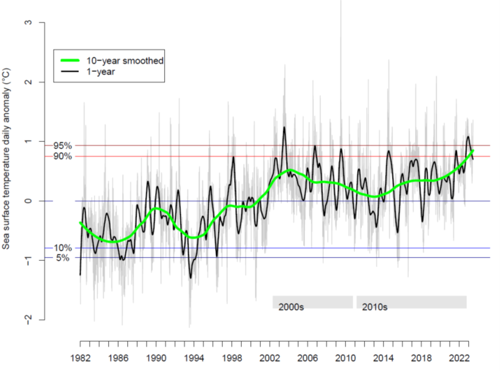
Climate change causes the ocean to warm up. This affects many marine species and their habitats.
Marine life depends on certain temperatures to survive and grow. Changes in temperature can harm these species.
Rising Sea Temperatures
Sea temperatures have risen over the past decades. Warmer waters cause stress to many marine animals.
Some species move to cooler areas. Others may not survive if the water gets too warm.
- Coral reefs bleach and die from heat stress
- Fish may shift their habitats to cooler waters
- Warmer water lowers oxygen levels in the ocean
Effects On Marine Biodiversity
Rising temperatures reduce the variety of marine life. Some species face extinction due to heat changes.
Changes in biodiversity affect the entire ocean food chain and ecosystem balance.
- Loss of habitat for cold-water species
- Increase in invasive species in warmer waters
- Disruption of breeding and feeding cycles
Best Practices For Marine Species Care
Maintaining the right temperature is vital for marine species health. Stable water conditions help them grow and stay active.
Temperature changes can stress marine animals and cause illness. Careful monitoring keeps their environment safe.
Maintaining Stable Conditions
Keep water temperature steady to support marine life. Sudden shifts can harm fish and coral.
Use heaters or chillers to control temperature. Check readings daily to avoid big changes.
- Place equipment away from direct sunlight
- Calibrate temperature sensors regularly
- Perform slow water changes to prevent shocks
- Match temperature to species needs
Emergency Temperature Control
Be ready to act fast if temperature rises or falls suddenly. Quick steps protect marine species from harm.
Have backup heaters or chillers available. Use fans or ice packs for short-term fixes.
- Move animals to a safe tank if needed
- Check power and equipment for failures
- Notify experts if problems persist
- Keep emergency tools easily accessible
Credit: www.mdpi.com
Frequently Asked Questions
What Is The Ideal Temperature For Coral Reefs?
Coral reefs thrive best between 23°C and 29°C. Temperatures outside this range can cause coral bleaching and stress. Maintaining this range supports biodiversity and reef health.
How Does Temperature Affect Marine Fish Survival?
Marine fish have specific temperature ranges for survival. Extreme temperatures can disrupt metabolism, reproduction, and growth. Optimal ranges vary by species but generally fall between 10°C and 30°C.
Why Is Water Temperature Crucial For Marine Species?
Water temperature influences metabolism, breeding, and migration in marine species. It affects oxygen levels and food availability. Stable temperatures ensure healthy marine ecosystems.
Can Temperature Changes Harm Marine Species?
Yes, rapid or extreme temperature changes cause stress, disease, and mortality in marine life. Climate change increases these risks by altering natural temperature patterns.
Conclusion
Maintaining the right temperature helps marine life stay healthy and strong. Different species need different temperatures to thrive. Watching water temperature protects ocean ecosystems and supports biodiversity. Simple actions can help keep waters safe for marine creatures. Understanding these guidelines benefits both nature and people who depend on the sea.
Keep learning and caring for our oceans every day. The balance of marine life depends on temperature control. Small changes can make a big difference in ocean health.