
Have you ever wondered how the right lighting can change the way your social fish behave? Lighting isn’t just about making your aquarium look good—it plays a big role in how your fish interact, feel safe, and thrive.
If you want to see your fish swim actively, form groups, and show their natural colors, understanding lighting is key. Keep reading to discover simple lighting tips that can transform your aquarium into a lively, harmonious home for your social fish.
Your underwater friends will thank you!
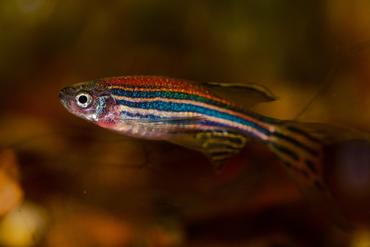
Credit: www.ratemyfishtank.com
Role Of Lighting In Fish Behavior
Lighting plays a key role in how fish behave in their environment. It affects their social actions and daily routines.
Understanding how light impacts fish can help in creating better habitats for them.
How Light Influences Social Interaction
Light affects how fish recognize each other and form groups. Brightness and color can change their mood and actions.
- Fish use light to find mates and avoid rivals.
- Different light levels can increase or reduce aggression.
- Lighting helps fish stay together in schools.
- Some species change color under certain lights to communicate.
Effect On Feeding And Activity Patterns
Light controls when fish eat and how active they are. Changes in light can shift these habits.
| Light Condition | Feeding Behavior | Activity Level |
| Bright Light | Increased feeding | High activity |
| Dim Light | Reduced feeding | Low activity |
| Flashing Light | Feeding stops | Stress response |
| Natural Daylight | Regular feeding | Normal activity |
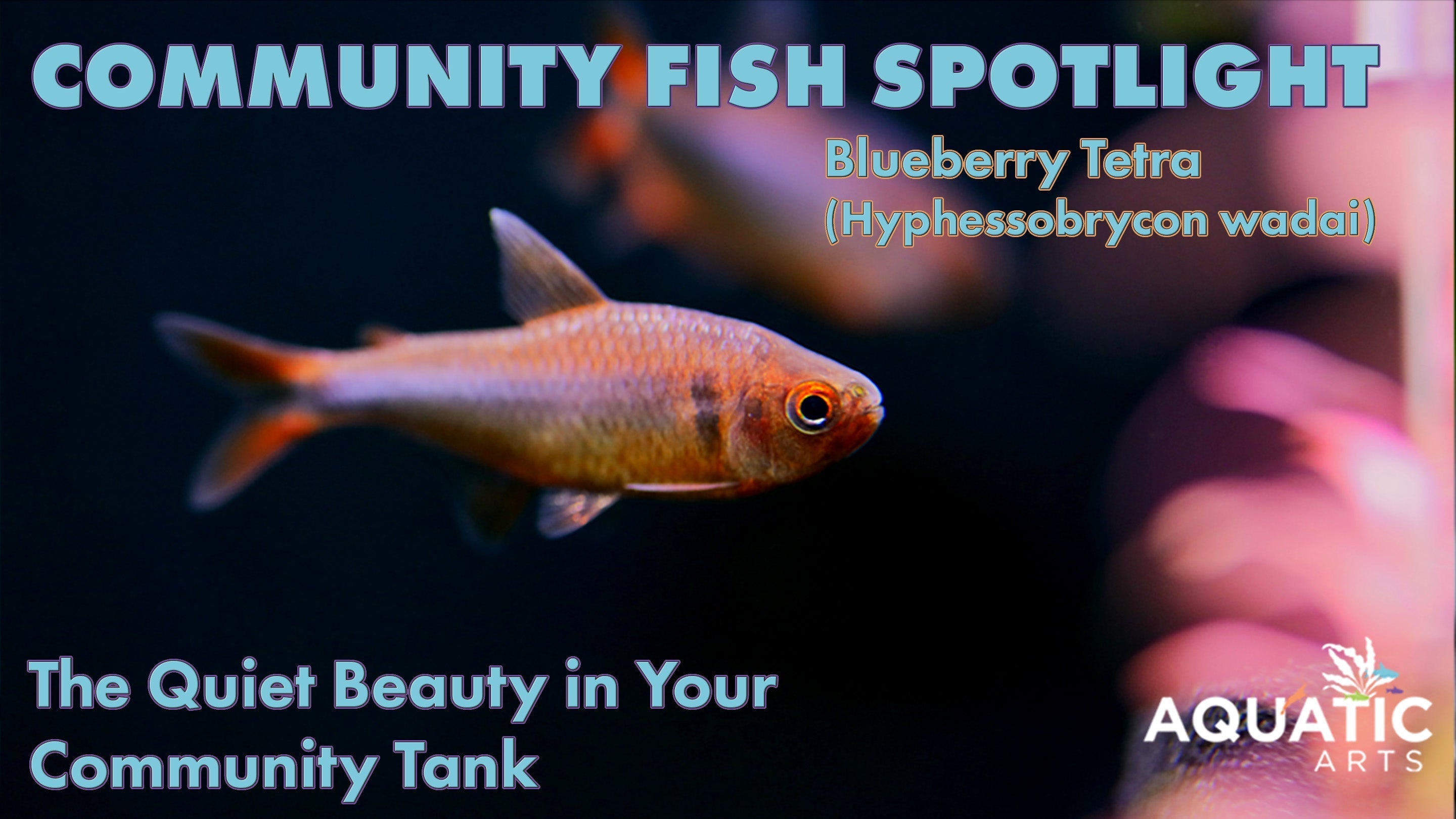
Credit: aquaticarts.com
Types Of Lighting For Social Fish
Lighting plays a key role in the health and behavior of social fish. It affects their activity, feeding, and interaction. Choosing the right light type helps create a good environment.
This guide explains different lighting types. You will learn about natural and artificial light and common bulb options for fish tanks.
Natural Vs Artificial Light
Natural light comes from the sun. It offers a full range of colors and a natural day-night cycle. Artificial light uses electric bulbs to light the tank.
Natural light helps fish behave as they do in the wild. Artificial light gives control over brightness and timing. Too much direct sunlight can cause algae growth.
- Natural light is free and natural for fish
- Artificial light allows control over light hours
- Direct sunlight may heat the tank too much
- Artificial light types vary in color and intensity
Led, Fluorescent, And Incandescent Options
Each bulb type has benefits and drawbacks. LED bulbs save energy and last long. Fluorescent bulbs give bright light but use more power. Incandescent bulbs are cheap but heat the water.
| Light Type | Energy Use | Heat Production | Light Quality | Cost |
|---|---|---|---|---|
| LED | Low | Low | Adjustable, bright | Medium |
| Fluorescent | Medium | Medium | Bright, cool tone | Low |
| Incandescent | High | High | Warm, dimmer | Low |
Optimal Light Intensity And Duration
Lighting plays a key role in social fish behavior. The right light intensity and time can help fish stay active and healthy.
Too much or too little light can confuse fish and cause stress. Finding the right balance improves their social interactions.
Balancing Day And Night Cycles
Fish need a clear day and night cycle to follow their natural rhythms. Light should mimic natural conditions as much as possible.
Keeping light on for about 10 to 12 hours a day works well for most social fish species. Night should be dark and quiet.
- Use a timer to keep consistent light schedules
- Bright light during the day helps fish stay active
- Low or no light at night allows fish to rest
Preventing Stress Through Proper Lighting
Strong or sudden light changes can stress fish and affect their behavior. Gentle light changes reduce this risk.
Use soft lighting and avoid flashing or very bright lights. This keeps fish calm and helps them socialize better.
- Choose dimmable lights or adjustable brightness
- Avoid direct sunlight or very bright lamps
- Keep light changes slow and smooth
Color Spectrum And Fish Health
Lighting plays a key role in the health of social fish. Different colors affect fish behavior and well-being.
Understanding how light colors impact fish helps create a better aquarium environment. This guide explains important effects.
Impact Of Different Wavelengths
Light wavelengths influence fish mood and activity. Blue light calms fish, while red light can increase energy.
Ultraviolet light helps with vitamin D production but too much can cause stress. Green light mimics natural water conditions.
- Blue light: promotes calm and rest
- Red light: raises activity and alertness
- Green light: supports natural behavior
- Ultraviolet: aids health but may stress
Choosing Colors To Enhance Interaction
Selecting the right colors encourages social behavior. Fish interact more under soft, natural light tones.
| Color | Effect on Social Behavior | Recommended Use |
| Soft Blue | Reduces aggression | Evening lighting |
| Warm White | Increases visibility | Daytime display |
| Amber | Encourages schooling | Group tanks |
| Low Red | Stimulates activity | Feeding time |
Lighting Setup Tips For Social Tanks
Setting up the right lighting in social fish tanks is important. Fish behavior is affected by light, so it needs careful consideration.
Proper lighting can help fish interact better. It creates a natural environment for them. Here are some tips for lighting setup in social tanks.
Positioning And Angle Considerations
Positioning the light correctly affects how fish behave. It can also reduce stress and aggression.
- Place lights above the tank to mimic natural sunlight.
- Avoid direct light on the fish to prevent stress.
- Use adjustable mounts for better angle control.
Using Timers And Dimmers Effectively
Timers and dimmers can help control the light cycle. They make sure the lighting is consistent and natural.
Consider these benefits:
| Tool | Benefit |
| Timers | Automate light schedules |
| Dimmers | Adjust light intensity |
| Smart Systems | Remote control and monitoring |
Credit: www.maono.com
Common Lighting Mistakes To Avoid
Proper lighting is important for social fish to behave naturally. Wrong lighting can cause stress and health problems.
Understanding common lighting mistakes helps keep fish happy and healthy in their environment.
Overexposure And Its Consequences
Too much light can make fish nervous and stressed. Overexposure affects their sleep and feeding habits.
It can also lead to algae growth, which harms water quality and fish health.
- Stress from constant bright light
- Disrupted sleep cycles
- Reduced feeding and activity
- Excessive algae growth
Inconsistent Lighting And Behavioral Issues
Changing light levels too often confuses social fish. They need a steady day and night cycle to feel safe.
Inconsistent lighting causes fish to hide more and reduces their social interactions.
- Increased hiding and stress
- Less social activity among fish
- Weaker immune systems
- Difficulty in feeding and mating
Monitoring Fish Responses To Lighting
Lighting affects how social fish behave in their environment. Watching their reactions helps keep them healthy.
Fish respond to light changes by altering activity and social interactions. Careful observation can show if lighting is right.
Behavioral Signs Of Lighting Stress
Fish under lighting stress may act restless or hide more. They might also lose interest in food or swim erratically.
Look for changes in social behavior, like increased aggression or isolation from the group. These signs indicate discomfort from light.
- Restless swimming or darting
- Hiding in corners or behind objects
- Refusing to eat
- Aggressive behavior toward other fish
- Reduced social interaction
Adjusting Light Based On Observation
Change the lighting if fish show stress signs. Use dimmer lights or shorter light periods to help them adapt.
Observe fish daily after adjusting light. Gradually find the best light level that keeps fish calm and active.
- Reduce light brightness slowly
- Shorten light exposure time
- Use timers to keep consistent lighting
- Provide shaded areas for fish to hide
- Watch behavior for improvement or new stress signs
Enhancing Tank Environment With Lighting
Lighting plays a key role in creating a vibrant aquarium environment. It impacts both the aesthetics and the behavior of the fish.
Choosing the right lighting can mimic natural habitats, encouraging social behaviors among fish. This guide explores how to enhance your tank with effective lighting strategies.
Combining Lighting With Aquascaping
Aquascaping involves arranging plants and other elements in the aquarium. Combining this with the right lighting can create a stunning visual effect and a healthy environment for fish.
- Select lights that mimic natural sunlight to enhance plant growth.
- Position lights to highlight key aquascape features.
- Adjust the light intensity to suit the needs of different fish species.
Creating Zones For Social Interaction
Fish are social creatures and thrive in environments that encourage interaction. Lighting can help define these zones within the tank.
Use dimmer lights in areas meant for resting. Bright lights can highlight zones for active swimming.
| Zone | Lighting Type |
| Resting Area | Dim Light |
| Swimming Zone | Bright Light |
| Feeding Area | Moderate Light |
Frequently Asked Questions
What Lighting Is Best For Social Fish Behavior?
Soft, natural-spectrum lighting mimics daylight, promoting natural social interactions among fish. Avoid harsh or overly bright lights, which stress fish and disrupt their behavior.
How Does Lighting Affect Fish Social Interactions?
Proper lighting enhances fish visibility and color recognition, encouraging natural social behaviors like schooling and mating. Poor lighting can cause stress and aggression.
Can Lighting Improve Fish Health And Socialization?
Yes, balanced lighting supports fish circadian rhythms, reducing stress and promoting active, healthy social behavior. Consistent light cycles help maintain their natural habits.
How Long Should Aquarium Lights Stay On Daily?
Aquarium lights should be on for 8 to 12 hours daily. This duration supports fish’s natural day-night cycle and healthy social interactions.
Conclusion
Proper lighting helps social fish feel safe and active. It encourages natural behaviors and reduces stress. Soft, consistent light mimics their natural environment well. Fish can interact better and show more colors. Changing light slowly avoids startling them. Good lighting supports a healthy and happy aquarium.
Keep your fish comfortable with the right light settings. This simple step makes a big difference for social fish. Enjoy watching your fish thrive and play together. Lighting truly shapes their daily life and mood.