
If you want your guppy tank to look vibrant and keep your fish healthy, the way you place your lights matters more than you might think. Proper light placement can bring out the beautiful colors of your guppies and support the plants in your tank.
But getting it wrong can stress your fish or cause unwanted algae growth. You’ll discover simple tips to set up the perfect lighting for your guppy tank. Keep reading to learn how to create a bright, balanced environment that makes your guppies thrive and your tank shine.
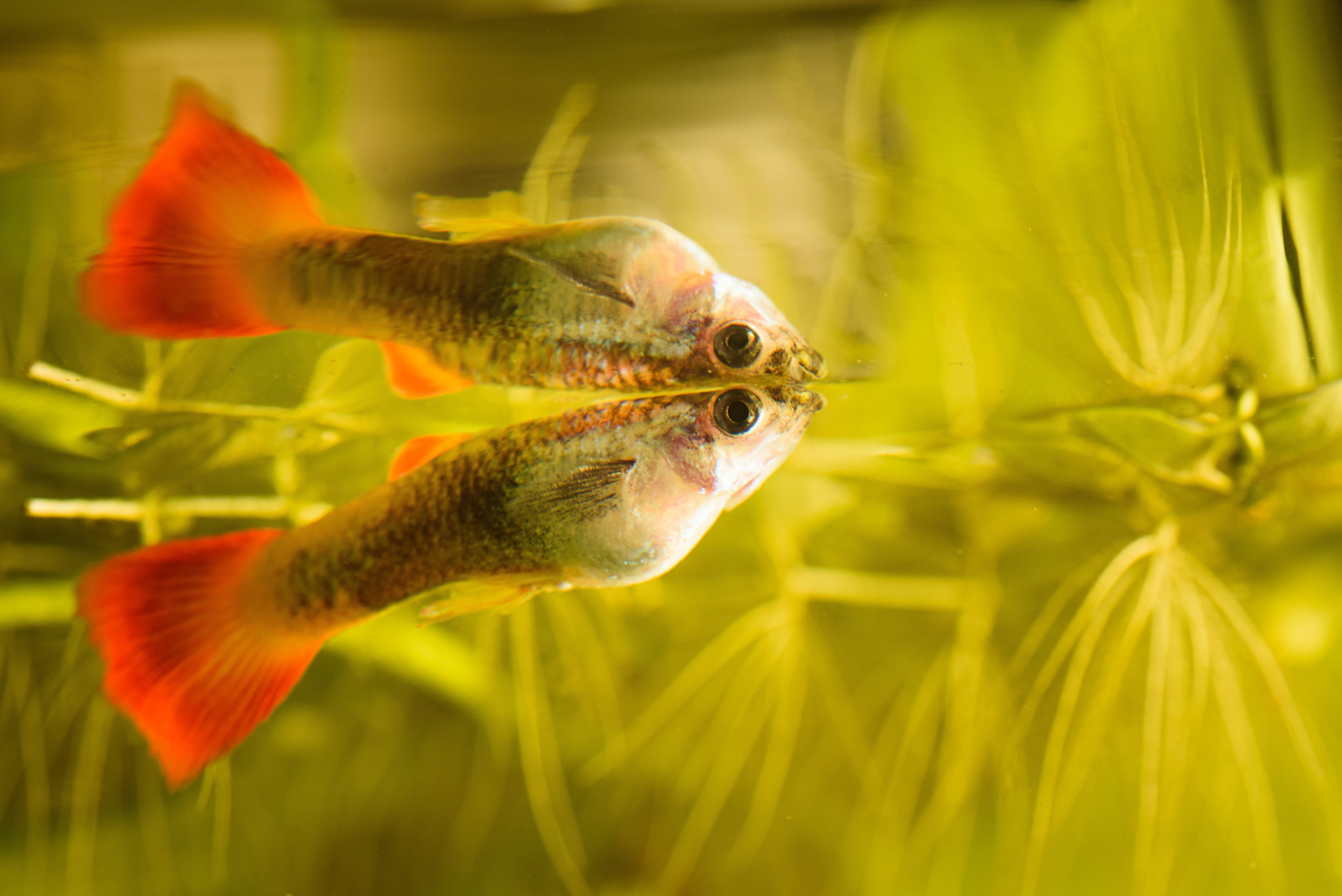
Credit: splashyfishstore.com
Choosing The Right Light
Proper lighting is key for guppy tanks. It helps fish stay healthy and shows their colors well.
Choosing the right light involves understanding different types, brightness, and energy use.
Types Of Aquarium Lights
There are several light types for guppy tanks. Each has benefits and drawbacks.
- LED lights are popular. They last long and use less power.
- Fluorescent lights give good color but use more energy.
- Incandescent lights are cheap but create too much heat.
- Compact fluorescent lights (CFL) are brighter but can heat the water.
Light Intensity And Spectrum
Light intensity affects fish behavior and plant growth. Too bright or dim can stress guppies.
| Light Intensity | Effect |
| Low (0-20 lumens) | Good for shy fish, low plant growth |
| Medium (20-40 lumens) | Balanced for fish and plants |
| High (40+ lumens) | Best for plants but may stress fish |
Light spectrum means the color of light. Full spectrum lights mimic sunlight. They enhance fish colors and help plants grow.
Energy Efficiency Considerations
Energy use matters for cost and environment. Choose lights that save power but give good results.
- LED lights use the least energy and last longest.
- Fluorescent lights consume more power and need replacing often.
- Turn lights off when not needed to save energy.
- Consider timers to control lighting periods automatically.

Credit: www.aqqapet.com
Optimal Light Positioning
Proper light placement is key for healthy guppy tanks. Light affects plant growth and fish behavior.
Choosing the right position helps avoid stress and keeps the tank bright and clear.
Top-mounted Lighting Benefits
Top-mounted lights shine directly down into the tank. This setup gives even light across the tank.
This type of lighting helps plants grow well. It also shows fish colors clearly.
- Provides full coverage for the whole tank
- Helps plants get enough light for photosynthesis
- Reduces dark spots in the tank
- Easy to install and maintain
Side Lighting Effects
Side lighting creates light at an angle. This can highlight fish and plants differently.
It can create shadows and add depth to the tank’s look. It can also mimic natural sunlight.
- Enhances the tank’s visual depth
- Creates soft shadows for a natural feel
- Can stress fish if too bright or direct
- Best combined with other light sources
Avoiding Shadows And Glare
Shadows and glare can stress guppies and hide tank details. Proper light helps reduce these issues.
Position lights to spread light evenly. Avoid placing lights at sharp angles that cause glare.
- Use diffusers or covers to soften light
- Adjust light height to reduce harsh shadows
- Mix top and side lighting for balance
- Check tank from different angles for glare spots
Light Duration And Timing
Proper light duration and timing are important for guppy tanks. They help fish stay healthy and support plant growth.
Too much or too little light can cause problems like algae growth or stressed fish. Finding the right balance is key.
Recommended Daily Light Cycle
Guppy tanks usually need 8 to 10 hours of light each day. This mimics natural daylight and helps plants grow well.
Keep the light cycle consistent to avoid stressing your fish. A steady routine supports their natural behavior.
- Provide 8-10 hours of light daily
- Use a gentle light intensity suitable for plants
- Turn lights on and off at the same time each day
Using Timers For Consistency
Timers help keep the light schedule steady. They turn lights on and off without you needing to remember.
Using a timer avoids sudden changes that can stress fish and plants. It also stops over-lighting and saves energy.
- Set timer for 8-10 hours of light daily
- Choose a timer with easy settings
- Check timer regularly to ensure it works
Adjusting Light Based On Plant Growth
Watch your plants closely. If they grow well, your light is good. If not, adjust the light time or intensity.
Reduce light if algae appears or increase it if plants look weak. Small changes help keep balance in the tank.
- Increase light if plants grow slowly
- Decrease light if algae grows fast
- Adjust light gradually, not suddenly

Credit: www.youtube.com
Enhancing Guppy Colors
Proper light placement can make your guppy tank look stunning. Light helps bring out the bright colors of guppies. Knowing how to use light well improves your tank’s beauty.
This guide covers the light spectrum, natural and artificial light, and reflective surfaces. Each plays a key role in showing guppy colors at their best.
Light Spectrum For Vibrant Colors
Different light colors affect how guppy colors appear. Blue and white light can make colors look fresh and bright. Red and yellow light may dull the colors.
- Use full-spectrum LED lights for natural color display
- Cool white lights enhance blues and greens
- Warm lights highlight reds and oranges slightly less
- Mixing light colors creates balance and vibrancy
Role Of Natural Vs Artificial Light
Natural sunlight shows guppy colors well but can cause algae growth. Artificial lights give control over intensity and timing. Combining both can work if managed carefully.
| Type of Light | Advantages | Disadvantages |
| Natural Light | Bright, full spectrum | Algae growth, temperature changes |
| Artificial Light | Controlled, stable colors | May require adjustments |
Supplementing With Reflective Surfaces
Reflective surfaces help spread light evenly in the tank. They reduce dark spots and boost color brightness. Using shiny backgrounds or light-colored gravel works well.
Tips for using reflective surfaces:
- Place a white or metallic background behind the tank
- Use light-colored gravel to reflect light from below
- Avoid dark or matte surfaces that absorb light
Balancing Light And Algae Control
Light is important for guppy tanks. It helps plants grow and shows off the fish. But too much light can cause algae. It’s important to find a balance.
Algae can make tanks look messy. It can also harm fish and plants. Learn how to control light to keep your tank clean and healthy.
Causes Of Algae Overgrowth
Algae need light to grow. Too much light helps them spread fast. Nutrients in the water also feed algae. These can come from fish food or waste.
Warm water speeds up algae growth. Keeping the tank cool can help. Poor water circulation can also cause algae. It keeps nutrients in one place.
Light Management To Prevent Algae
Set a timer for your tank light. Keep it on for 8 to 10 hours a day. Use LED lights. They are energy efficient and better for the environment.
Place the tank away from windows. Sunlight causes algae to grow quickly. Choose lights with lower intensity to prevent algae.
- Use shades or curtains on windows
- Position lights above the tank, not inside
- Try using a dimmer switch for better control
Maintenance Tips For Clean Tanks
Clean the tank regularly. Remove any algae you see. Change the water often to keep it fresh. This helps remove extra nutrients.
Add live plants to the tank. They compete with algae for nutrients. This can slow down algae growth. Check your filter. It should work well to clean the water.
- Use an algae scraper for glass surfaces
- Clean decorations and rocks monthly
- Test water quality weekly
Special Considerations For Planted Tanks
Planted guppy tanks need special light care. Plants and fish have different needs.
Good light placement helps plants grow and keeps guppies healthy.
Plant Lighting Needs
Plants need light to make food through photosynthesis. They use light to grow strong leaves and roots.
Most aquarium plants need 8 to 10 hours of light daily. The light should be bright but not too harsh.
- Use full spectrum LED lights for best growth
- Choose lights with 6500 to 7000 Kelvin color temperature
- Avoid placing lights too close to prevent algae growth
Integrating Plants With Guppy Lighting
Guppies prefer moderate lighting that shows their colors well. Bright light can stress them.
Balance light levels so both plants and guppies are comfortable. Use timers to control light length.
- Use dimmable lights or adjustable LEDs
- Provide shaded areas with plants or decorations
- Keep light on for 8 to 10 hours daily to suit both
Promoting Healthy Plant Growth
Place lights evenly over the tank to avoid dark spots. Plants need light on all sides.
Remove dead leaves and trim plants regularly. Healthy plants absorb light better.
- Use reflectors to increase light spread
- Check light intensity with a PAR meter if possible
- Replace old bulbs to keep light quality high
Frequently Asked Questions
How To Position Light For Guppy Tanks?
Place the light above the tank, centered for even coverage. Ensure it mimics natural daylight to support guppy health and plant growth.
What Type Of Light Is Best For Guppy Tanks?
LED lights with a full spectrum are ideal. They provide energy efficiency, proper brightness, and enhance guppy colors naturally.
How Many Hours Should Guppy Tank Lights Stay On?
Keep the light on for 8-10 hours daily. This simulates a natural day cycle and helps maintain guppy activity and plant health.
Can Improper Light Harm Guppy Fish?
Yes, too much light stresses guppies and promotes algae. Balanced lighting ensures a healthy tank environment and vibrant fish.
Conclusion
Proper light placement helps guppies stay healthy and active. It supports plant growth and keeps the tank clean. Avoid placing lights too close or too far from the water. Find a balance that mimics natural sunlight. Regularly check the tank to adjust lighting as needed.
Good lighting creates a happy home for your fish. Simple steps make a big difference in tank care. Keep learning and observing your guppies every day. Small changes can improve their life a lot.