
Are you looking to boost your plants’ growth and see healthier, more vibrant results? The right lighting can make all the difference.
Whether you’re growing indoors or want to enhance your garden, understanding how to optimize light for your plants is key. This guide will show you simple, effective ways to use lighting that your plants will love—helping you get the best from your green space.
Keep reading to discover how the right light can transform your plants and your gardening success.
Types Of Grow Lights
Grow lights help plants grow indoors by providing light. Different types of grow lights offer various benefits for plant growth.
Choosing the right light can improve plant health and yield. Below are common types of grow lights used for plant growth.
Led Lights
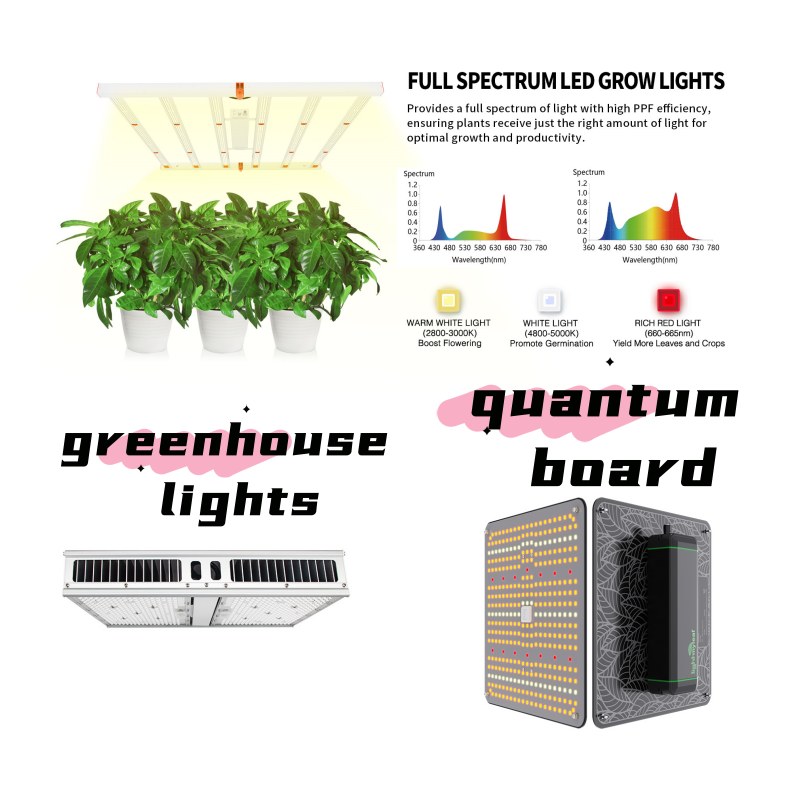
LED grow lights use light-emitting diodes to give plants the light they need. They are energy efficient and last a long time. LED lights produce less heat than other types.
These lights can be made to emit specific colors of light. Plants use red and blue light most for photosynthesis. LED lights can be customized to give the best light spectrum.
Fluorescent Lights
Fluorescent grow lights use gas discharge to create light. They are cost-effective and give off less heat. These lights work well for seedlings and small plants.
- They come in tubes or compact bulbs
- Good for low to medium light plants
- Use less electricity than incandescent bulbs
- Often used in home gardens and classrooms
High-intensity Discharge Lights
High-intensity discharge (HID) lights produce very bright light. They are strong enough for large plants and commercial growing. HID lights need special fixtures and produce heat.
| Type | Light Color | Use | Heat Output |
|---|---|---|---|
| Metal Halide (MH) | Blue-white | Vegetative growth | High |
| High-Pressure Sodium (HPS) | Red-orange | Flowering and fruiting | High |
Incandescent Lights
Incandescent bulbs produce light by heating a wire inside the bulb. They are cheap but use a lot of energy. They also give off much heat and are less effective for plant growth.
These lights are not recommended for growing plants because they waste energy and can damage plants with heat.
Credit: www.lightmyleaf.com
Light Spectrum And Plant Growth
Plants use light to make food through photosynthesis. Different light colors affect their growth in unique ways.
Understanding the light spectrum helps optimize plant health and yield. This guide explains key light types and their roles.
Role Of Blue Light
Blue light helps plants grow strong leaves and stems. It is important during the early growth phase.
Plants sense blue light to control their shape and size. It also supports chlorophyll production.
Role Of Red Light
Red light promotes flowering and fruit production. It is key for plants to mature and reproduce.
- Helps seeds germinate faster
- Boosts flowering and fruiting
- Works well with blue light for balanced growth
Full-spectrum Lighting Benefits
Full-spectrum light includes all colors plants need. It mimics natural sunlight for healthy growth.
| Light Color | Effect on Plants |
| Blue | Leaf and stem growth |
| Red | Flowering and fruiting |
| Green | Light penetration and balance |
| Far-Red | Seed germination and flowering |
Light Intensity And Duration
Plants need light to grow well. The amount and length of light affect their health. Knowing about light intensity and duration helps plants grow strong.
Different plants need different light levels. Giving them the right light makes sure they get enough energy to grow.
Measuring Light Intensity
Light intensity is how bright the light is. We measure it using special tools called light meters. These tools show numbers that tell us how much light plants get.
Knowing the light intensity helps you adjust the distance between the light and the plants. This keeps the plants safe and healthy.
- Use a light meter for accurate readings
- Measure at plant leaf level
- Check often for consistent light
Optimal Light Hours
Plants need light for a certain number of hours each day. This is called the photoperiod. Giving the right light hours helps plants grow and bloom well.
Most plants do well with 12 to 16 hours of light. Some plants need less or more. Watch your plants to see what they need.
- Short-day plants need less than 12 hours
- Long-day plants need more than 12 hours
- Use timers to control light duration
Effects Of Overexposure
Too much light can harm plants. It can cause leaves to burn or dry out. Plants may stop growing if they get too much light.
It is important to balance light. Watch for signs of stress like yellow leaves or slow growth. Adjust light to keep plants healthy.
- Leaf burn from intense light
- Dry soil and plant stress
- Reduced growth and poor health

Credit: www.amazon.com
Positioning And Setup
Proper positioning and setup of lighting help plants grow strong and healthy. The right light placement ensures plants get enough energy.
Understanding distance, angles, and reflectors can improve how light reaches your plants. This guide covers these key points.
Distance From Plants
Keeping the correct distance between the light and plants prevents damage and gives enough light for growth. Too close can burn leaves. Too far means weak light.
- Check the light manufacturer’s distance recommendations.
- Adjust the height as plants grow taller.
- Use a ruler or measuring tape to keep consistent spacing.
- Watch plants daily for signs of light stress.
Lighting Angles
Angle the lights to cover all plant leaves evenly. Direct light from above mimics natural sunlight. Side lighting can help lower leaves.
| Angle | Effect |
| 90° (directly above) | Best overall coverage, mimics sun |
| 45° (angled) | Improves light on sides of plants |
| 30° (low angle) | Helps reach lower leaves but less uniform |
Reflectors And Light Distribution
Reflectors bounce light to fill dark spots. They spread light evenly and help save energy by using all the light produced.
Common reflector types include:
- Flat reflectors that direct light downward
- Curved reflectors that spread light over wider areas
- Mylar or white walls that reflect scattered light
Energy Efficiency And Cost
Optimizing lighting for plant growth is important. It saves energy and reduces costs. Choosing the right lights can make a big difference.
Let’s explore how different lights affect power use. We will also look at cost-effective solutions and long-term savings.
Power Consumption Comparison
Different lights use different amounts of power. LED lights use less energy than traditional bulbs. This can save you money on bills.
| Type of Light | Power Usage (Watts) |
| LED | 10-15 |
| Fluorescent | 15-20 |
| Incandescent | 60-100 |
Cost-effective Lighting Solutions
LED lights are a smart choice for saving money. They last longer and need less power. This makes them a cost-effective option for plant growth.
- LED lights have a longer lifespan
- They require less maintenance
- LEDs are eco-friendly
Long-term Savings
Investing in efficient lighting pays off over time. You spend less on electricity and bulb replacements. This leads to long-term financial savings.
Calculate savings by comparing initial costs and energy use. Over the years, LED lights can save you a lot of money.
Adjusting Lighting For Different Plant Stages
Lighting is a key factor in plant growth. Different stages need different light types and durations.
Adjusting light helps plants grow strong and healthy from seed to flower.
Seedling Stage
Seedlings need soft light to avoid stress. Use gentle light with a cooler color temperature.
- Provide 14 to 16 hours of light daily
- Use fluorescent or LED lights with blue spectrum
- Keep light about 6 to 12 inches above seedlings
Vegetative Stage
Plants grow leaves and stems in this stage. They need strong light to build energy.
| Light Type | Duration | Distance from Plants |
| LED or Metal Halide | 16 to 18 hours | 12 to 24 inches |
| Blue Light Spectrum | Continuous | Maintain consistent height |
Flowering Stage
Plants produce flowers and fruits now. Light needs change to support this.
Use light with more red spectrum and reduce daily light hours.
- Switch to 12 hours of light and 12 hours of darkness
- Use LED or HPS lights with red spectrum
- Keep light 18 to 24 inches above plants
Common Lighting Mistakes To Avoid
Lighting is very important for plant growth. Using the wrong lighting can slow down or stop growth.
Avoiding common lighting mistakes helps plants grow strong and healthy. Learn what to watch for.
Inconsistent Light Cycles
Plants need regular light and dark periods. Changing light times can confuse plants.
Inconsistent cycles may cause weak growth or poor flowering. Keep a set schedule every day.
- Use timers to keep light on and off at the same times
- Avoid turning lights on and off manually
- Give plants enough darkness for rest
Improper Light Distance
Lights too close can burn leaves. Lights too far cause weak growth.
Find the right distance for your light type. Check manufacturer guidelines for best results.
- Keep LED lights 12 to 24 inches from plants
- Fluorescent lights should be closer, about 6 to 12 inches
- Adjust distance as plants grow taller
Neglecting Light Spectrum Needs
Plants need different light colors at different growth stages. Missing the right colors slows growth.
Blue light helps leaves grow. Red light helps flowers and fruit develop. Use full spectrum lights if possible.
- Use blue light during early growth
- Use red light for flowering and fruiting
- Full spectrum lights cover all stages well
Advanced Lighting Technologies
Lighting plays a vital role in plant growth. Advanced lighting technologies help optimize plant health and yield.
These technologies offer more control and efficiency. They adapt to the plant’s needs, improving growth conditions.
Smart Grow Lights
Smart grow lights adjust their brightness and spectrum. They use sensors to detect the plant’s needs.
These lights save energy and promote healthy growth. They can be controlled through apps for better management.
- Adjusts light intensity automatically
- Customizable light spectrum
- Remote management through apps
Automated Lighting Systems
Automated lighting systems follow preset schedules. They ensure plants get the right light at the right time.
These systems reduce the need for manual adjustments. They help maintain consistent growth conditions.
| Feature | Benefit |
| Scheduled Lighting | Consistent growth cycles |
| Energy Efficiency | Lower electricity costs |
Integration With Environmental Controls
Lighting can be integrated with environmental controls. This helps maintain an ideal growing environment.
It allows for synchronization with humidity and temperature. This integration supports overall plant health.
- Improved growth conditions
- Better energy management
- Enhanced plant health

Credit: www.fohse.com
Frequently Asked Questions
What Type Of Light Is Best For Plant Growth?
LED grow lights are best for plant growth. They provide specific light spectrums that plants need. LEDs are energy-efficient, produce less heat, and promote healthy photosynthesis. They support all growth stages from seedling to flowering.
How Much Light Do Plants Need Daily?
Most plants need 12 to 16 hours of light daily. This duration supports photosynthesis and healthy growth. Adjust light exposure based on plant type and growth stage for optimal results.
Can Artificial Light Replace Sunlight For Plants?
Yes, artificial light can replace sunlight effectively. Grow lights mimic sunlight’s spectrum, enabling photosynthesis indoors. This helps plants grow in low natural light or during winter months.
What Color Light Promotes Plant Growth Best?
Blue and red light colors promote plant growth best. Blue light encourages leaf development, while red light supports flowering and fruiting. Combining both improves overall plant health and productivity.
Conclusion
Choosing the right light helps plants grow strong and healthy. Different plants need different light colors and amounts. Using proper lighting can improve growth and yield. It saves energy and helps plants bloom faster. Pay attention to light duration and intensity too.
Small changes in lighting make big differences in results. Keep learning and adjusting to find what suits your plants best. Healthy plants mean a happier garden and better harvest. Lighting matters—use it well for growing success.