
Are you tired of battling stubborn algae that turns your tank into a green mess? The right lighting can be your secret weapon to keep your aquarium clean and healthy.
But not all lights are made equal—choosing the wrong type or intensity can actually invite algae to take over. You’ll discover how to use lighting smartly to prevent algae growth and create a vibrant, clear tank that you’ll love to show off.
Keep reading to learn simple, effective tips that make a big difference for your underwater world.
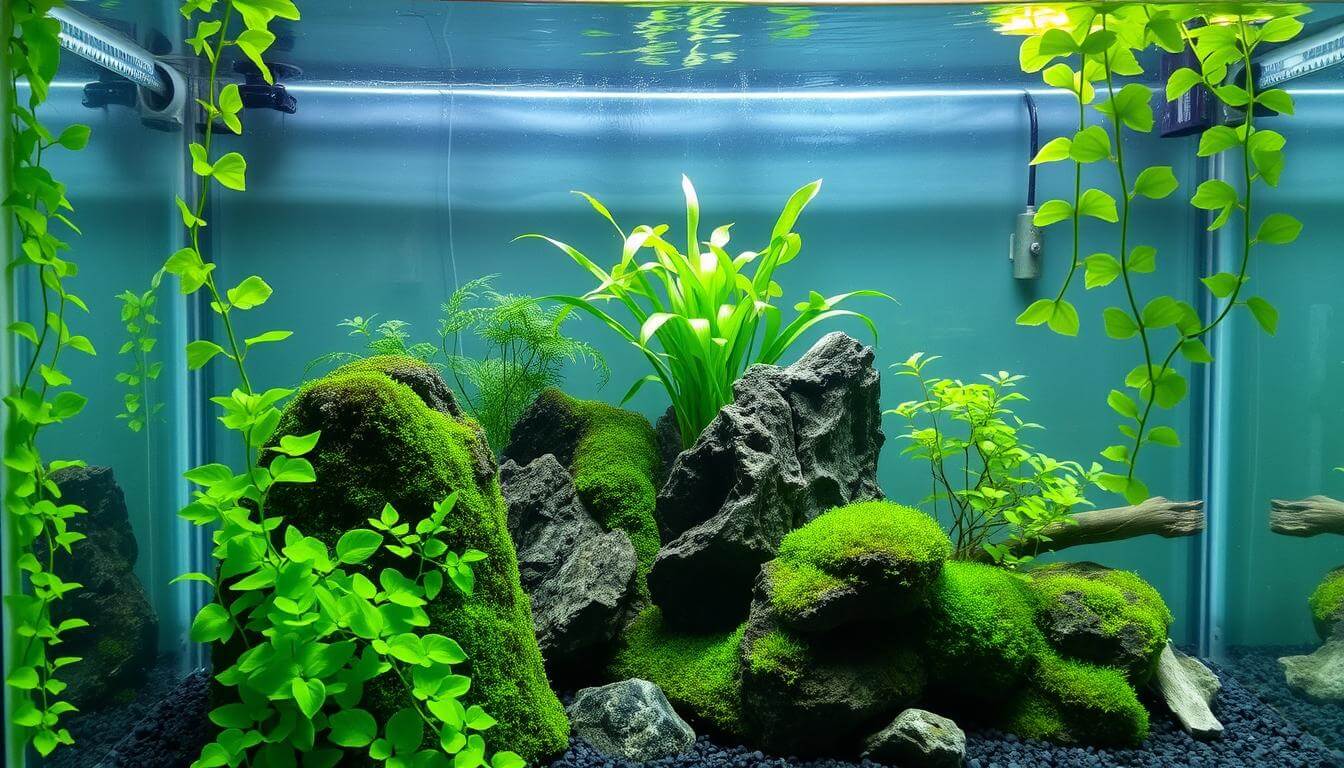
Credit: jungleaquatics.com
Choosing The Right Light Spectrum
Lighting plays a big role in keeping your tank free from algae. Picking the right light spectrum helps plants grow and stops algae from taking over. Blue and red lights affect algae and plants in different ways.
Understanding how light colors work can help you balance your tank’s environment. This keeps water clear and plants healthy.
Effects Of Blue And Red Lights
Blue light helps plants with photosynthesis and slows algae growth. Red light supports plant growth but can encourage some algae types if used too much.
- Blue light improves plant health and color.
- Red light boosts flowering and leaf growth.
- Too much red light can cause algae to grow faster.
- Balanced blue and red light stops algae from spreading.
Balancing Intensity For Algae Control
Light intensity matters as much as color. Bright light can help plants but may also feed algae if not controlled. Lower light slows algae but may hurt plants.
| Light Intensity | Effect on Plants | Effect on Algae |
| Low | Slow growth | Reduced growth |
| Medium | Healthy growth | Controlled growth |
| High | Fast growth | Rapid growth |

Credit: aquainitium.com
Optimal Lighting Duration
Lighting plays a big role in keeping your aquarium healthy. The right light time stops algae from growing too much. It also helps your plants and fish stay happy.
Setting the correct daily light hours is key. Too little light can hurt plants. Too much light causes algae to bloom.
Recommended Daily Light Hours
A good rule is to give your tank 8 to 10 hours of light every day. This range supports plant growth and limits algae growth. You can adjust based on your tank type and plant needs.
- Start with 8 hours of light daily
- If plants grow slowly, increase up to 10 hours
- Lower light times help if algae grows fast
- Use a timer for consistent lighting
Avoiding Overexposure
Too much light makes algae grow quickly. Avoid leaving lights on for more than 10 hours. Overexposure can cause cloudy water and harm fish.
Watch your tank daily. If you see algae spreading, reduce light time. Turning off lights for a short period helps control algae.
- Do not exceed 10 hours of light per day
- Turn off lights at night or during breaks
- Use shades or dimmers if light is too strong
- Keep tank clean to reduce algae risks
Types Of Aquarium Lights
Lighting plays a key role in keeping algae growth under control. Choosing the right aquarium light helps maintain a healthy tank environment. Different types of lights offer various benefits for fish and plants.
This guide explains the main types of aquarium lighting. Learn about LED lights, fluorescent options, and metal halide lights. Understanding these helps you pick the best light for an algae-free tank.
Led Lights Advantages
LED lights are popular for many aquariums. They use less energy and last longer than other lights. LEDs produce less heat, which helps keep water temperature stable. Many LED lights also allow you to adjust brightness and color.
- Energy efficient and cost-saving
- Long lifespan reduces replacement needs
- Low heat output protects aquatic life
- Adjustable light settings for plant growth
- Compact and easy to install
Fluorescent And Cfl Options
Fluorescent lights are common in many tanks. They are affordable and come in different shapes and sizes. Compact fluorescent lamps (CFL) fit small tanks well. These lights give good light spread but use more energy than LEDs.
| Type | Energy Use | Light Quality | Typical Lifespan |
| Fluorescent Tube | Medium | Good | 7,000–15,000 hours |
| CFL Bulb | Medium | Good | 6,000–10,000 hours |
| LED | Low | Excellent | 25,000–50,000 hours |
Pros And Cons Of Metal Halide Lights
Metal halide lights produce very bright light. They are great for deep tanks or tanks with demanding plants. These lights create more heat and use more electricity. Metal halides need special fixtures and regular bulb replacement.
- Pros:Strong light penetration, good for large tanks
- Cons:High energy use and heat output
- Cons:Bulbs wear out faster than LEDs
- Cons:Require special fixtures and cooling

Credit: modernrium.com.au
Lighting Placement Strategies
Good lighting helps keep your tank free from algae. Proper placement spreads light evenly. This helps plants grow and stops algae from taking over.
Lighting should cover all parts of the tank. Shadows and bright spots can cause algae growth. Planning the right position is key for a healthy tank.
Positioning For Even Coverage
Place lights so every part of the tank gets the same amount of light. Even light helps plants grow well and keeps algae away.
Use multiple light sources if the tank is large. This stops dark areas where algae can grow fast.
- Center lights above the tank for balanced coverage
- Use side lights to reach corners
- Adjust height to spread light evenly
- Check light levels with a meter if possible
Preventing Shadows And Hotspots
Shadows create dark spots where algae thrive. Hotspots are too bright and can stress plants. Avoid both for a healthy tank.
Move lights or add diffusers to soften bright areas. Make sure no decorations or plants block the light. This stops uneven lighting.
- Use diffusers to spread light evenly
- Check that plants do not block light paths
- Shift lights if shadows appear in corners
- Keep lights at a height to avoid hot spots
Supplemental Techniques To Reduce Algae
Algae in tanks can be a common issue for tank owners. Using certain techniques helps manage and reduce algae growth.
Explore ways to keep your tank algae-free through smart lighting and helpful species.
Using Timers And Automation
Timers and automation help control the amount of light in your tank. This reduces excess algae growth.
- Set timers to limit light exposure
- Automate light schedules to mimic natural day and night cycles
- Adjust light intensity with dimmers
Integrating Algae-eating Species
Certain species can naturally control algae levels. Adding them to your tank is a useful strategy.
| Species | Type of Algae Eaten |
| Siamese Algae Eater | Black Beard Algae |
| Amano Shrimp | Soft Green Algae |
| Nerite Snail | Film Algae |
These species can help maintain a balanced tank environment. They consume different types of algae efficiently.
Monitoring And Adjusting Light Settings
Keeping the right light settings is key for a healthy tank. Too much light can cause algae to grow fast.
Watch your tank closely and adjust the light to keep algae under control.
Signs Of Excessive Algae Growth
Algae growth can make your tank look cloudy or green. Look for these signs:
- Green film on glass and decorations
- Slime or fuzzy patches on plants
- Water looks murky or greenish
- Fish hiding more than usual
Tweaking Light Intensity And Duration
Adjust light intensity and how long the light stays on to control algae.
| Light Setting | Effect |
| High Intensity | Speeds algae growth |
| Low Intensity | Reduces algae growth |
| Long Duration (over 8 hrs) | Encourages algae |
| Short Duration (6-8 hrs) | Limits algae growth |
Try reducing light time by 1 hour if algae appears. Use a dimmer to lower brightness.
Impact Of Tank Size And Plant Density
Lighting plays a big role in keeping algae out of your aquarium. Tank size and plant density change how much light you need. Small tanks and large tanks do not need the same lighting. Plants also help control algae by using the light and nutrients.
Understanding the right lighting helps keep your tank clean and healthy. It also helps plants grow well and stops algae from taking over.
Lighting Needs For Small Vs. Large Tanks
Small tanks need less light because the water volume is low. Too much light in small tanks can cause algae to grow fast. A balanced light schedule is important to avoid algae problems.
Large tanks need stronger or more lights. The light must reach all areas, especially the bottom. Plants in big tanks need enough light to grow and compete with algae.
- Small tanks: Use low to medium light for 6-8 hours daily
- Large tanks: Use higher light intensity for 8-10 hours daily
- Adjust light based on plant types and tank depth
- Use timers to keep light consistent
Influence Of Live Plants On Algae Control
Live plants help stop algae by using nutrients and light. Dense plants shade the tank, leaving less light for algae. Healthy plants grow fast and outcompete algae for food.
Low plant density means more light and nutrients are free for algae. Adding more plants can reduce algae growth. Choose fast-growing plants for better control.
- High plant density reduces algae by blocking light
- Plants consume nutrients that algae need
- Regular trimming keeps plants healthy and dense
- Choose plants that suit your tank size and lighting
Frequently Asked Questions
How Does Lighting Affect Algae Growth In Tanks?
Lighting duration and intensity directly impact algae growth. Excessive light promotes algae bloom, while controlled lighting discourages it. Using proper light spectrum and timing helps maintain algae-free tanks by balancing photosynthesis and preventing algae overgrowth.
What Type Of Lighting Prevents Algae In Fish Tanks?
LED lights with adjustable intensity and timers are ideal. They provide consistent light without overheating and allow control over light exposure, reducing algae growth. Avoid high-intensity, unfiltered lights that encourage algae blooms.
How Long Should Aquarium Lights Be On Daily?
Limit aquarium lighting to 6-8 hours daily. Excessive lighting stimulates algae growth, while controlled timing supports plant health and fish activity. Using a timer ensures consistent light cycles and helps prevent algae buildup.
Can Lighting Color Influence Algae Development?
Yes, blue and red spectrums promote plant growth but may encourage algae if overused. Balanced white light supports tank health and reduces algae risk by providing a natural spectrum.
Conclusion
Choosing the right light helps keep algae growth low. Bright, balanced lighting supports healthy plants and fish. Avoid leaving lights on too long each day. Clean your tank regularly to remove algae spots. Watch your tank often to catch algae early.
Good lighting and care make your tank clear. A healthy tank looks beautiful and stays algae-free. Small changes in lighting can make a big difference. Keep learning and adjusting to find what works best. Your tank will thank you with clear, clean water.