
Setting up a fish tank can be exciting, but choosing the right filtration system is key to keeping your fish healthy and your water crystal clear. If you want a cleaner, quieter tank with less maintenance, an external filter might be exactly what you need.
In this guide, you’ll discover how to set up your fish tank with an external filter step-by-step. By the end, you’ll feel confident creating a perfect environment for your aquatic friends. Ready to make your tank sparkle? Let’s dive in!
Choosing The Right Fish Tank
Setting up a fish tank with an external filter starts with picking the right tank. The tank must fit your space and fish needs.
This guide helps you choose the best tank size, shape, material, and placement for a healthy fish home.
Tank Size And Shape
Choose a tank size based on the number and type of fish you want to keep. Bigger tanks offer more stable water conditions.
The shape affects how fish swim and how easy the tank is to clean. Rectangular tanks are common and space-friendly.
- Small tanks (5-10 gallons) suit few small fish
- Medium tanks (20-40 gallons) fit community fish
- Large tanks (50+ gallons) are for bigger or many fish
- Rectangular tanks save space and look natural
- Tall tanks show vertical plants and fish well
- Bow-front tanks offer a wide viewing area
Material Options
Fish tanks come in glass or acrylic. Glass is heavy but scratch-resistant. Acrylic is lighter and clearer.
Pick a material that fits your budget and care preferences. Both materials work well with external filters.
- Glass tanks are strong and resist scratches
- Acrylic tanks are lighter and less likely to break
- Acrylic is easier to shape for custom tanks
- Glass can be colder to the touch than acrylic
- Both materials need a sturdy stand for support
Placement Considerations
Place your tank where you can see it often. Avoid direct sunlight to prevent algae growth.
Make sure the surface can hold the tank’s weight when full. Keep it near a power outlet for the external filter.
- Choose a flat, strong surface for the tank
- Avoid spots with direct sunlight
- Keep the tank near an electrical outlet
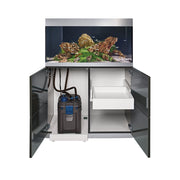
- Allow space for the external filter setup
- Place away from heavy foot traffic or pets
Credit: www.fleuristesavard.com
Selecting An External Filter
Choosing the right external filter is key for a healthy fish tank. It keeps the water clean and clear.
There are many types of external filters. You should also check the filter capacity and flow rate. Energy use is important too.
Types Of External Filters
External filters come in different styles. Each works in a special way to clean the water.
- Canister filters: These have a large tank outside the aquarium. They hold many filter materials.
- Hang-on-back filters: These hang on the tank’s edge. They are easy to install and maintain.
- Sponge filters: These use air to push water through a sponge. They are gentle for small fish.
- Fluidized bed filters: These use sand or small beads to trap dirt. They offer good biological filtration.
Filter Capacity And Flow Rate
Filter capacity means how much water the filter can clean at once. Flow rate is how fast water moves through it.
| Tank Size (gallons) | Recommended Flow Rate (GPH) |
| 10 – 20 | 100 – 200 |
| 21 – 40 | 200 – 400 |
| 41 – 60 | 400 – 600 |
| 61 – 80 | 600 – 800 |
| 81 – 100 | 800 – 1000 |
Energy Efficiency
Energy use affects your electricity bill. Choose filters with low power needs.
- Look for filters with energy-saving motors.
- Check if the filter has an automatic shut-off feature.
- Use timers to run filters only when needed.
- Regular cleaning keeps filters working well and saves energy.
Preparing The Tank
Setting up a fish tank with an external filter starts with preparing the tank. This step ensures a clean and safe environment for your fish.
Proper preparation helps maintain water quality and supports healthy fish life. It also makes the tank look nice and natural.
Cleaning And Rinsing
Before adding anything to the tank, clean the glass and all parts carefully. Use only water to rinse the tank and avoid chemicals.
Rinse decorations and the external filter parts well to remove dust or residues. Clean surfaces help prevent harmful substances from entering the water.
Adding Substrate And Decorations
Choose a suitable substrate like gravel or sand for your fish type. Spread it evenly at the bottom of the tank.
Add decorations such as plants, rocks, or driftwood. These provide hiding spots and make the tank more natural for fish.
- Use aquarium-safe materials
- Arrange decorations to allow swimming space
- Place heavier items at the bottom
Filling With Water
Fill the tank slowly to avoid disturbing the substrate and decorations. Use dechlorinated water to protect your fish.
Check the water temperature and make sure it matches the needs of your fish. Leave some space at the top for proper oxygen exchange.
Installing The External Filter
Setting up an external filter is essential for a clean and healthy fish tank. This guide covers how to install the filter correctly.
Follow each step carefully to ensure your filter works well and keeps your aquarium water clear.
Connecting Inlet And Outlet Tubes
Attach the inlet tube to the intake valve on the filter. Connect the outlet tube to the water return valve. Make sure both tubes fit tightly to avoid leaks.
- Cut tubes to the correct length if needed.
- Use clamps to secure the tubes on each valve.
- Check that the tubes do not kink or bend sharply.
- Place the inlet tube near the bottom of the tank.
- Position the outlet tube to allow good water flow.
Securing The Filter Unit
Place the filter unit on a stable surface below the aquarium. Use brackets or stands to keep it steady. Avoid vibrations that may disturb the fish.
| Task | Details |
| Placement | Below tank on flat surface |
| Fixing | Use brackets or anti-slip mat |
| Check | Ensure no movement or shaking |
| Accessibility | Keep filter easy to reach for cleaning |
Priming The Filter
Priming fills the filter with water before turning it on. This stops air pockets and helps the pump work well.
- Fill the filter chamber with water from the tank.
- Close the lid tightly to avoid leaks.
- Use the manual primer if your filter has one.
- Switch on the filter and watch for water flow.
- Check for any air bubbles or noise during start-up.
Setting Up Filtration Media
Setting up filtration media is key for a healthy fish tank. The right media keeps water clean and safe for fish.
External filters use different types of media to clean water in three ways. These are mechanical, biological, and chemical filtration.
Mechanical Filtration Options
Mechanical filtration removes solid waste from the water. It traps debris before the water flows further in the filter.
Common mechanical media include sponges, filter floss, and foam pads. They catch particles like uneaten food and fish waste.
- Sponge filters are reusable and easy to clean.
- Filter floss is fine and traps tiny particles.
- Foam pads come in different thicknesses for varied filtration.
Biological Media Choices
Biological media help grow good bacteria. These bacteria break down harmful ammonia and nitrites in the water.
Popular biological media are ceramic rings, bio balls, and porous stones. They have many small holes for bacteria to live.
- Ceramic rings provide a large surface area for bacteria.
- Bio balls offer good water flow and bacteria growth space.
- Porous stones are natural and support strong bacteria colonies.
Chemical Filtration Additions
Chemical filtration removes toxins and odors from the water. It uses special media that absorb impurities.
Activated carbon is the most common chemical media. Others include zeolite and resin, each targeting different chemicals.
- Activated carbon clears color and removes bad smells.
- Zeolite helps remove harmful ammonia quickly.
- Resin can remove specific pollutants like heavy metals.
Cycling The Aquarium
Setting up a fish tank with an external filter needs careful cycling. This process helps create a healthy home for fish.
Cycling means building good bacteria in the tank. These bacteria keep water safe by breaking down fish waste.
Nitrogen Cycle Basics
The nitrogen cycle changes fish waste into less harmful chemicals. It starts with fish waste and uneaten food.
First, bacteria change waste into ammonia, which is toxic. Then, other bacteria turn ammonia into nitrites and nitrates.
- Fish waste produces ammonia
- Good bacteria convert ammonia to nitrites
- Other bacteria change nitrites to nitrates
- Nitrates are less harmful and removed by water changes
Monitoring Water Parameters
Test water often to check ammonia, nitrite, and nitrate levels. This shows if the cycle is working well.
Use a water test kit to measure these chemicals. Safe levels mean the tank is ready for fish.
- Ammonia and nitrite should be zero
- Nitrate should be low, under 20 ppm
- Test water 2-3 times per week during cycling
Establishing Beneficial Bacteria
Good bacteria grow on surfaces like filter media and tank walls. The external filter helps by providing space for bacteria.
Add a source of ammonia, like fish food or pure ammonia, to feed bacteria. Wait several weeks for bacteria to grow strong.
- Use filter media from an established tank if possible
- Feed bacteria by adding small ammonia doses
- Do not add fish until ammonia and nitrite reach zero
- Keep the filter running to support bacteria growth
Maintaining Crystal Clear Water
Keeping your fish tank clean is important for the health of your fish. Using an external filter helps maintain clear water.
This guide will help you set up and maintain your tank with ease. Follow these tips for success.
Regular Cleaning Schedule
Cleaning your fish tank on a regular basis is important. It helps remove waste and keeps water clear.
Create a schedule that includes weekly and monthly tasks. Stick to this routine for best results.
- Weekly: Clean the glass and remove algae.
- Monthly: Change 20% of the water.
- Quarterly: Deep clean the filter system.
Filter Maintenance Tips
Filters are key to maintaining clear water. Regular maintenance ensures they work well.
Check the filter every month. Clean and replace parts as needed.
- Rinse filter media with tank water.
- Check for clogs in hoses or pipes.
- Replace filter media every 6 months.
Water Testing And Adjustments
Testing your water regularly helps you catch issues early. Keep water parameters stable for healthy fish.
Test for pH, ammonia, nitrite, and nitrate levels. Adjust as needed to maintain balance.
- Test water weekly for stability.
- Use water conditioners if needed.
- Adjust pH with safe products.
Credit: tanninaquatics.com
Common Troubleshooting Tips
Setting up a fish tank with an external filter can be challenging. Problems like cloudy water, algae growth, and filter malfunctions may occur.
Learn how to solve these common issues to keep your fish healthy and your tank clean.
Handling Cloudy Water
Cloudy water in a fish tank is a frequent issue. It can result from overfeeding, new tank syndrome, or dirty filters.
Ensure you feed your fish the right amount. Clean or replace the filter media regularly to avoid this problem.
- Test the water regularly for ammonia and nitrite levels
- Perform partial water changes weekly
- Use water conditioners to remove chlorine
Dealing With Algae Growth
Algae growth can make a tank look messy. It happens when there is too much light or excess nutrients.
Control the amount of light your tank gets. Limit feeding to reduce nutrient levels in the water.
- Keep the tank away from direct sunlight
- Use algae-eating fish or snails
- Clean the tank walls regularly
Addressing Filter Malfunctions
Sometimes, the external filter may not work as expected. It could be due to a blockage, air bubbles, or faulty parts.
Check for blockages in the intake and output pipes. Ensure the filter is assembled correctly and all parts are functioning.
- Inspect and clean the impeller regularly
- Ensure all connections are tight
- Replace worn-out filter parts promptly
Enhancing Tank Aesthetics
Setting up a fish tank with an external filter can make your aquarium look cleaner and more beautiful. The right choices in lighting, plants, and fish can improve the tank’s appearance.
Using these elements carefully can create a natural and attractive underwater scene. Each part plays a role in showing off your tank’s best side.
Lighting Choices
Good lighting shows the colors of your fish and plants clearly. It also helps plants grow well. Choose lights that do not overheat the tank.
- Use LED lights for bright and energy-saving illumination
- Pick lights with a color temperature of 6500K for natural look
- Set timers to keep a consistent day and night cycle
- Avoid very harsh lights that can stress fish
Aquatic Plant Selection
Plants add green color and life to your tank. They also help keep the water clean. Choose plants that fit your tank size and light levels.
| Plant Type | Light Needs | Growth Rate | Care Level |
| Java Fern | Low | Slow | Easy |
| Anubias | Low | Slow | Easy |
| Amazon Sword | Medium | Medium | Moderate |
| Water Wisteria | High | Fast | Moderate |
Fish Compatibility
Select fish that live well together and show off nice colors. Check their size and behavior to avoid fights.
Here are some popular compatible fish types for a tank with an external filter:
- Neon Tetras – Small, peaceful, bright colors
- Corydoras Catfish – Bottom dwellers, clean the tank floor
- Guppies – Active swimmers, colorful fins
- Harlequin Rasboras – Schooling fish, calm temperament

Credit: www.youtube.com
Frequently Asked Questions
What Are The Benefits Of Using An External Filter In A Fish Tank?
External filters provide superior mechanical, biological, and chemical filtration. They keep water cleaner and clearer, enhancing fish health. These filters are easier to maintain and save tank space, making them ideal for larger or heavily stocked aquariums.
How Do I Install An External Filter On My Fish Tank?
Install the external filter by connecting intake and output tubes securely. Place the filter below the tank for gravity flow. Prime the filter as instructed, then plug it in and check for leaks. Follow manufacturer guidelines for best results.
How Often Should I Clean An External Fish Tank Filter?
Clean the external filter every 4 to 6 weeks to maintain efficiency. Rinse filter media in tank water to preserve beneficial bacteria. Avoid over-cleaning to prevent disrupting the biological balance critical for healthy fish.
Can External Filters Handle Large Fish Tanks Effectively?
Yes, external filters are designed for large tanks and heavy bioloads. They offer high filtration capacity and customizable media options. This makes them suitable for maintaining optimal water quality in big or densely stocked aquariums.
Conclusion
Setting up a fish tank with an external filter keeps water clean and clear. It helps fish stay healthy and happy. The filter removes dirt and harmful chemicals fast. This setup also makes tank maintenance easier for you. Choosing the right filter size is important for good results.
Regular cleaning of the filter keeps it working well. Enjoy watching your fish thrive in a fresh, well-filtered tank. Simple steps lead to a beautiful, healthy aquarium you can be proud of.