
Are you looking to create a healthier, more vibrant environment for your fish? Adding vegetable supplements to your fish tank setup can make a big difference.
These natural additions not only boost your fish’s nutrition but also improve water quality and promote plant growth. You’ll discover simple, effective ways to incorporate vegetable supplements into your aquarium. By the end, you’ll know exactly how to give your fish the best care possible while keeping your tank clean and balanced.
Ready to transform your fish tank? Let’s dive in!
Choosing The Right Fish Tank
Setting up a fish tank with vegetable supplements starts with choosing the right tank. The tank size and shape affect fish health and plant growth. Material and placement also play key roles in creating a good environment.
This guide helps you pick the best tank for your fish and vegetables. Learn about size, materials, and where to place your tank for the best results.
Tank Size And Shape
Select a tank size that fits your space and the number of fish. Bigger tanks offer stable water conditions. The tank shape affects swimming space and plant arrangement.
- Long tanks provide more surface area for oxygen exchange.
- Tall tanks are good for plants but limit swimming space.
- Square tanks fit well in corners but may reduce light spread.
- Consider the fish species and vegetable types before choosing size.
Material Options
Fish tanks come in glass and acrylic materials. Each has pros and cons for durability and clarity.
| Material | Durability | Clarity | Price |
| Glass | High | Clear | Affordable |
| Acrylic | Very High | Very Clear | More Expensive |
Placement Tips
Place your tank in a spot with stable temperature and low direct sunlight. Avoid areas near heaters or air conditioners.
- Keep the tank away from windows with strong sunlight.
- Choose a sturdy surface that can hold the tank’s weight.
- Allow space around the tank for maintenance and equipment.
- Ensure easy access to power outlets for filters and lights.
Selecting Suitable Fish Species
Choosing the right fish for a tank with vegetable supplements is important. Fish must live well with plants and eat the vegetables.
Some fish like plants and vegetables more than others. Picking species that match your setup helps keep the tank healthy.
Compatibility With Vegetables
Not all fish eat vegetables or live well around plants. Choose species that enjoy nibbling on vegetables or ignore them.
Fish that eat plants can damage your vegetables. Some fish only eat certain types of plants or vegetables.
- Herbivores like plecos and silver dollars eat vegetables.
- Omnivores like guppies eat plants sometimes.
- Carnivores like bettas avoid vegetables mostly.
- Choose fish that match the vegetable types you use.
Growth Rate Considerations
Fish grow at different speeds. Fast growers need more food and space. They may also eat plants faster.
Slow-growing fish might be easier to care for with vegetables. They usually cause less damage and eat less.
- Small fish like neon tetras grow slowly.
- Large fish like goldfish grow fast.
- Balance fish size with tank space and vegetables.
Behavior And Care Needs
Fish behavior affects how they interact with plants and vegetables. Some fish are peaceful, others are aggressive.
Care needs like water temperature and tank conditions must match both fish and vegetables. Healthy fish and plants grow better.
- Peaceful fish like tetras keep plants safe.
- Aggressive fish may uproot vegetables.
- Check water needs for fish and plants to match.
- Feed fish properly to reduce plant damage.
Essential Equipment For Setup
Setting up a fish tank with vegetable supplements needs careful planning. The right equipment keeps fish healthy and plants growing well.
This guide covers the key gear to help you build a balanced aquarium environment.
Filtration Systems
Filtration removes waste and keeps water clean. Good filters support fish health and plant growth.
- Mechanical filters trap debris and particles.
- Biological filters break down harmful chemicals using bacteria.
- Chemical filters remove toxins and odors from water.
Lighting Requirements
Plants need light to grow and produce nutrients for fish. Use lights that mimic natural sunlight.
| Light Type | Purpose | Duration |
| LED | Energy efficient, promotes plant growth | 8-10 hours daily |
| Fluorescent | Good for freshwater plants | 8-12 hours daily |
| Incandescent | Not recommended for plants | — |
Aeration And Heating
Aeration keeps oxygen levels high for fish and plants. Heating maintains stable water temperature.
Key Aeration and Heating Equipment:
- Air pumps to supply oxygen
- Air stones to create bubbles
- Submersible heaters to keep water warm
- Thermometers to monitor temperature

Credit: www.amazon.com
Incorporating Vegetable Supplements
Adding vegetable supplements to your fish tank helps improve fish health. These supplements provide essential vitamins and nutrients.
Vegetable supplements also support natural digestion and enhance color. They are a good addition to a balanced fish diet.
Types Of Vegetable Supplements
There are many vegetable supplements you can use for fish tanks. Choose types based on your fish species and dietary needs.
- Spinach and lettuce leaves provide fiber and vitamins
- Peas help with digestion and reduce constipation
- Zucchini and cucumber slices are gentle and nutritious
- Algae wafers offer minerals and plant protein
- Commercial vegetable flakes contain balanced nutrients
Preparation And Storage
Prepare vegetable supplements by washing them well to remove dirt. Cut them into small, manageable pieces for your fish.
Store fresh vegetables in the refrigerator to keep them fresh. Use airtight containers to prevent spoilage and contamination.
- Wash vegetables under clean water
- Cut into small slices or cubes
- Store unused portions in sealed containers
- Keep in the fridge for up to three days
- Remove uneaten food promptly to avoid water pollution
Feeding Frequency And Quantity
Feed vegetable supplements in small amounts to avoid overfeeding. Too much can harm water quality and fish health.
Offer vegetable supplements two to three times a week. Observe how your fish react and adjust the amount as needed.
- Feed small portions that fish can finish in minutes
- Limit vegetable supplements to 20-30% of total diet
- Remove leftovers after feeding to keep water clean
- Increase frequency slightly for herbivorous fish
- Watch for signs of digestive issues or refusal
Benefits Of Vegetables In Fish Diet
Including vegetables in a fish diet brings many benefits. Fish enjoy a varied diet, and vegetables provide essential nutrients. This helps them stay healthy and thrive.
Incorporating vegetable supplements can enhance your fish tank setup. Let’s explore the advantages of vegetables for your fish.
Enhanced Growth And Color
Vegetables play a key role in improving fish growth and color. They are rich in vitamins and minerals that boost overall health. This leads to vibrant and colorful fish.
| Vegetable | Benefit |
| Spinach | Rich in iron and calcium |
| Carrots | High in beta-carotene for color |
| Peas | Good for digestion |
Improved Immunity
Vegetables strengthen the immune system of fish. This helps them fight diseases and stay active. A diet with vegetables ensures your fish remain healthy and lively.
- Boosts natural defense systems
- Reduces illness frequency
- Supports long-term health
Natural Behavior Stimulation
Adding vegetables encourages natural behavior in fish. It stimulates their instincts, making them more active and engaged. Fish enjoy exploring and nibbling on different veggies.

Credit: onthemediapk.medium.com
Maintaining Water Quality
Maintaining water quality in a fish tank is essential for healthy fish. It helps to prevent diseases and algae growth.
Vegetable supplements can aid in keeping the water clean and balanced. They also provide nutrients to your aquatic plants.
Regular Testing Procedures
Regular testing of your fish tank water ensures that it remains safe for fish. It helps you monitor pH levels and ammonia.
- Use a water test kit weekly.
- Check for pH, ammonia, and nitrate levels.
- Adjust levels as needed based on test results.
Managing Nutrient Levels
Nutrient levels in your fish tank can affect water clarity and fish health. Managing these levels is crucial for a balanced ecosystem.
| Nutrient | Ideal Range |
| Nitrate | 0-20 ppm |
| Phosphate | 0-0.5 ppm |
| Ammonia | 0 ppm |
Preventing Algae Overgrowth
Algae overgrowth can be a problem in fish tanks. It blocks light and reduces oxygen levels.
To prevent algae, try these tips:
- Reduce direct sunlight exposure on the tank.
- Limit fish feeding to reduce waste.
- Clean the tank walls regularly.
Common Challenges And Solutions
Setting up a fish tank with vegetable supplements can improve fish health. This setup needs careful attention to avoid problems.
Many fish keepers face issues like vegetable decay, diet balance, and water quality. Knowing how to fix these helps keep fish safe.
Vegetable Decay Issues
Vegetables in the tank can rot if left too long. Decay causes bad smells and harms fish health.
Remove uneaten vegetables after a few hours. Use fresh vegetables and cut them into small pieces for quick eating.
- Check vegetables daily for signs of rot
- Remove leftovers to avoid water pollution
- Use fast-eating vegetables like peas or spinach
Balancing Diets
Fish need more than vegetables to stay healthy. A balanced diet includes protein, vitamins, and minerals.
Mix vegetable supplements with fish flakes or pellets. Watch how much your fish eat to avoid overfeeding.
- Feed vegetables in small amounts
- Use commercial fish food for protein
- Observe fish behavior for diet adjustments
Avoiding Water Contamination
Vegetables can dirty the water if not managed well. Dirty water harms fish and plants in the tank.
Clean the tank regularly and change water often. Use filters to keep water clear and healthy.
- Remove decayed vegetables quickly
- Perform weekly water changes
- Use a good filtration system
Monitoring Fish Health
Keeping fish healthy is important when using vegetable supplements in their tank. Watch your fish closely to catch problems early.
Regular checks help you see if the diet meets their needs and if the tank environment is good.
Signs Of Nutritional Deficiency
Fish need vitamins and minerals from their food. Lack of these causes health problems.
Look for pale colors, slow growth, or weak fins. These are common signs fish lack proper nutrition.
- Faded or dull body colors
- Frayed or torn fins
- Slow or no growth
- Loss of appetite
- Unusual spots or marks on skin
Behavioral Changes
Healthy fish swim actively and eat well. Watch for changes in behavior that may signal problems.
Fish that hide often, swim erratically, or stay at the surface may be stressed or sick.
- Less swimming or hiding more
- Sudden aggression or lethargy
- Gasping at the water surface
- Scratching against objects
When To Consult A Vet
Some issues need expert care. Contact a vet if problems last or get worse.
Vets can diagnose diseases and suggest treatments to keep fish healthy.
- Fish stop eating for several days
- Visible wounds or severe fin damage
- Unusual lumps or growths
- Rapid weight loss or bloating
- Continuous abnormal behavior
Tips For Long-term Success
Setting up a fish tank with vegetable supplements can improve fish health. Using vegetables adds important nutrients and helps keep fish active.
To keep your tank healthy for a long time, follow some simple care tips. These tips help your fish get the most from their vegetable supplements.
Routine Maintenance
Regular cleaning keeps the tank water clear and safe. Remove uneaten vegetables to prevent water pollution. Change part of the water weekly to keep it fresh.
Check the filter and clean it if needed. Test water quality often to avoid harmful levels of chemicals. Healthy water helps fish digest vegetables better.
- Remove leftover vegetable scraps daily
- Change 10-20% of tank water every week
- Clean or replace filter materials monthly
- Test water pH, ammonia, and nitrite regularly
Adjusting Supplements Seasonally
Fish need different nutrients in different seasons. Warmer months may require more vegetables rich in vitamins. Cooler months may need fewer supplements.
Watch your fish’s behavior and appetite. Change the type and amount of vegetables based on their needs. Seasonal changes help fish stay healthy all year.
- Offer leafy greens like spinach in spring and summer
- Use softer vegetables like zucchini in fall and winter
- Reduce vegetable supplements if fish eat less
- Observe fish for signs of nutrient deficiency
Community Tank Considerations
Different fish have different diets and needs. Make sure vegetable supplements suit all fish in the tank. Avoid vegetables that some fish may reject or harm.
Watch how fish share food and space. Some fish may eat all the vegetables before others get a chance. Use feeding tools or separate feeding areas if needed.
- Choose vegetables safe for all tank fish
- Feed vegetables in small, manageable pieces
- Observe fish to prevent bullying during feeding
- Provide hiding spots so shy fish can eat safely
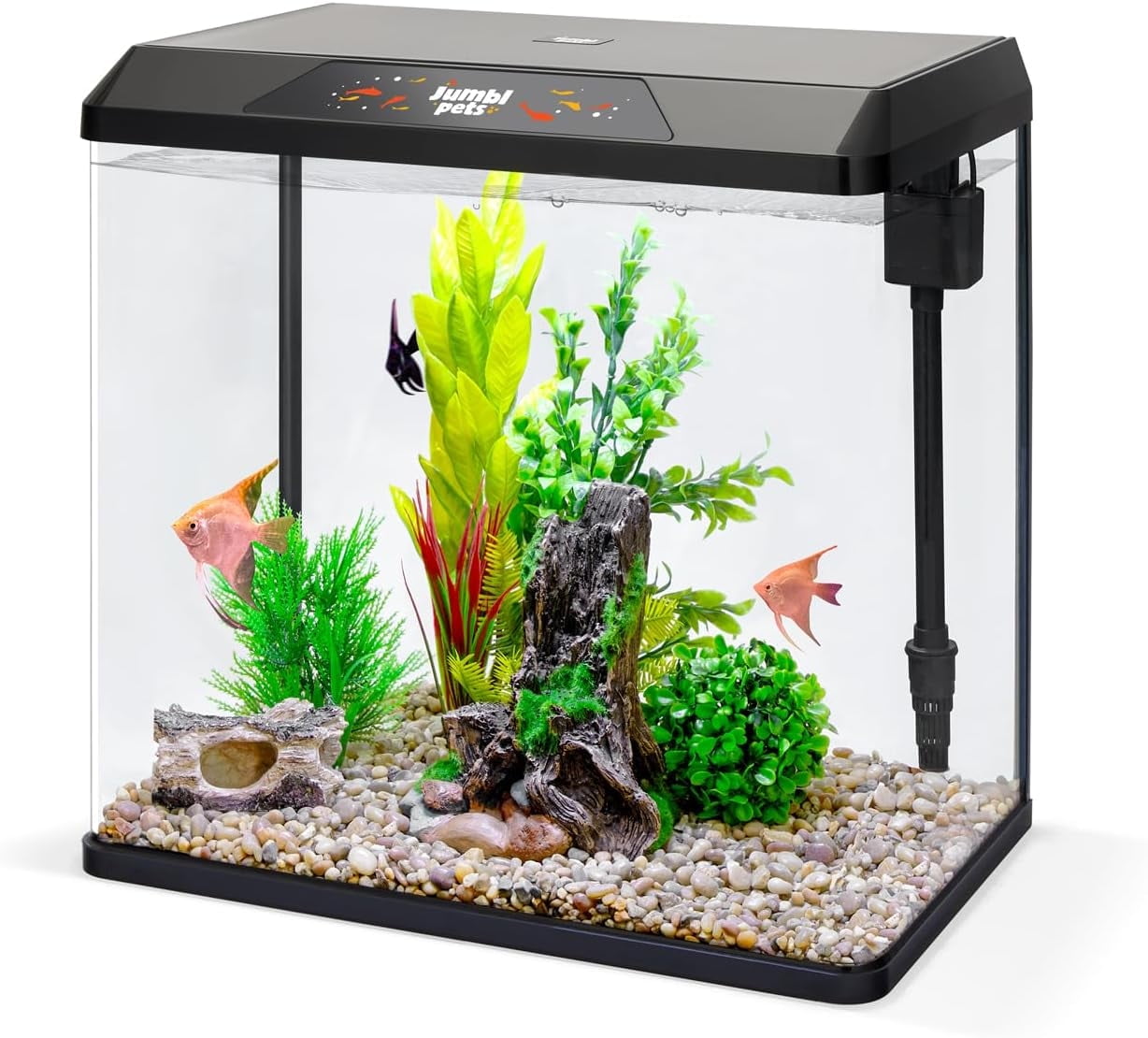
Credit: business.walmart.com
Frequently Asked Questions
What Are The Best Vegetable Supplements For Fish Tanks?
The best vegetable supplements include spinach, peas, zucchini, and lettuce. These provide essential nutrients and improve fish health naturally.
How Do Vegetable Supplements Benefit Aquarium Fish?
Vegetable supplements enhance digestion, boost immunity, and add fiber. They promote natural feeding habits and reduce disease risks in fish.
Can Vegetable Supplements Affect Water Quality In Tanks?
Yes, excessive vegetable waste can degrade water quality. Remove uneaten vegetables promptly and maintain regular tank cleaning to prevent pollution.
How Often Should I Add Vegetable Supplements To My Fish Tank?
Add vegetable supplements 2-3 times weekly in small amounts. Monitor fish response and adjust frequency to avoid overfeeding and water issues.
Conclusion
Adding vegetable supplements helps fish stay healthy and active. Vegetables provide essential nutrients that fish need every day. They also improve water quality by reducing waste. A good tank setup means clean water, proper lighting, and balanced food. Watching fish thrive brings joy and peace to any space.
Small efforts lead to big rewards in fish care. Try simple vegetable additions for a natural, happy tank. Your fish will thank you with bright colors and lively behavior. Keep learning and enjoy the calming world of fish tanks.