
Keeping your home or workspace at a stable temperature all year round isn’t just about comfort—it’s about saving money, protecting your health, and making your environment more enjoyable. You’ve probably noticed how sudden temperature changes can throw off your focus or even impact your energy bills.
But what if you could easily maintain the perfect temperature no matter the season? You’ll discover simple, effective ways to keep things balanced and cozy, so you can stop worrying about the heat or cold and start enjoying your space every single day.
Ready to take control of your comfort? Let’s dive in.
Benefits Of Stable Temperature
Maintaining a stable temperature year-round helps improve daily life. It keeps homes and workplaces comfortable and safe.
Stable temperatures reduce stress on heating and cooling systems. This leads to better energy use and saves money.
Health Advantages
Consistent temperatures protect the body from sudden changes. This lowers the risk of colds and flu.
Stable heat helps people with breathing problems feel better. It also reduces dry skin and irritation.
- Prevents illness from cold or heat shocks
- Improves air quality by reducing humidity swings
- Supports better sleep and overall wellness
Energy Efficiency
Keeping temperature steady uses less energy. Heating and cooling systems run less often and last longer.
Lower energy use means smaller bills and less pollution. It helps protect the environment and saves money.
- Reduces power consumption by avoiding sudden temperature changes
- Decreases wear on HVAC equipment
- Lowers carbon footprint and energy costs
Enhanced Comfort
Stable temperatures create a cozy and pleasant indoor space. People feel relaxed and more productive.
Avoiding hot and cold swings keeps furniture and belongings safe. It also reduces noise from heating and cooling units.
- Ensures a steady, comfortable environment
- Protects furniture and electronics from damage
- Minimizes noise from heating and cooling systems
Insulation And Sealing
Keeping your home at a steady temperature all year helps save energy and keeps you comfortable. Good insulation and sealing stop heat from escaping or coming in.
This guide covers how to pick insulation, stop air leaks, and improve windows and doors.
Choosing The Right Insulation
Insulation slows heat flow through walls, roofs, and floors. Choose insulation that fits your climate and house type.
- Fiberglass: common and affordable, good for walls and attics
- Foam board: provides high insulation with thin layers
- Spray foam: seals gaps and insulates, ideal for hard-to-reach spots
- Cellulose: made from recycled paper, eco-friendly and effective
Sealing Air Leaks
Air leaks let warm or cool air escape. Sealing them lowers energy bills and keeps rooms cozy or cool.
| Common Leak Areas | Sealing Methods |
| Around windows and doors | Use weatherstripping or caulk |
| Attic hatches and vents | Apply foam sealant or insulation strips |
| Electrical outlets and switches | Install foam gaskets behind covers |
| Baseboards and molding | Caulk gaps and cracks |
Window And Door Upgrades
Windows and doors affect temperature control. Upgrading them improves insulation and stops drafts.
- Install double or triple-pane windows for better insulation
- Use storm windows to add a protective layer
- Add door sweeps to block air at the bottom
- Replace old doors with insulated models
Heating And Cooling Systems
Maintaining a stable temperature in your home keeps you comfortable all year. Heating and cooling systems help control indoor climates effectively.
Choosing the right equipment and following simple habits can save energy and reduce costs.
Efficient Hvac Options
High-efficiency HVAC systems use less energy and work better. Look for models with ENERGY STAR ratings to ensure efficiency.
- Heat pumps that provide both heating and cooling
- Furnaces with high Annual Fuel Utilization Efficiency (AFUE)
- Central air conditioners with high Seasonal Energy Efficiency Ratio (SEER)
- Zoned HVAC systems that control temperatures room-by-room
Smart Thermostats
Smart thermostats adjust temperature based on your schedule. They help reduce energy use without losing comfort.
| Feature | Benefit |
| Remote control via phone | Adjust temperature anywhere |
| Learning ability | Adapts to your habits automatically |
| Energy reports | Track and reduce energy use |
| Integration with other devices | Works with smart home systems |
Regular Maintenance Tips
Regular maintenance keeps your system running well and lasts longer. Simple checks can prevent problems.
- Change or clean air filters every 1-3 months
- Inspect and clean vents and ducts yearly
- Schedule professional HVAC tune-ups annually
- Check thermostat settings regularly
- Clear debris around outdoor units
Ventilation Strategies
Maintaining a stable temperature all year needs good ventilation. Ventilation helps fresh air flow and controls heat inside buildings.
Using the right ventilation methods keeps rooms comfortable and reduces energy use. Let’s explore some common ventilation strategies.
Natural Ventilation Methods
Natural ventilation uses windows, vents, and openings to move air. It works without machines and saves energy.
Placing windows on opposite sides of a room lets air flow through. This cools the space and removes stale air.
- Use operable windows for cross ventilation
- Install vents near the roof to release hot air
- Use shading to reduce heat gain through openings
Mechanical Ventilation Systems
Mechanical systems use fans and ducts to control airflow. They provide steady ventilation even when natural airflow is low.
These systems can filter air and control temperature. They work well in sealed buildings or during extreme weather.
- Exhaust fans remove warm or moist air
- Supply fans bring in fresh outside air
- Heat recovery ventilators save energy by exchanging heat
Humidity Control
Humidity affects how warm or cool a room feels. Too much moisture can cause mold and discomfort.
Good ventilation reduces humidity by moving moist air outside. Dehumidifiers can also help keep levels balanced.
- Use ventilation to remove moisture from bathrooms and kitchens
- Keep indoor humidity between 30% and 50%
- Use dehumidifiers in damp areas
Smart Home Integration
Smart home technology helps maintain stable temperature all year. It offers control and ease through automation.
Integrating smart devices can optimize energy use and enhance comfort. This modern approach is efficient and user-friendly.
Automated Temperature Controls
Automated temperature controls adjust the climate in your home. They respond to changes in weather and occupancy.
- Smart thermostats adapt to your schedule
- Temperature sensors monitor room conditions
- Voice controls offer hands-free adjustments
Energy Monitoring Tools
Energy monitoring tools track your energy use. They help you understand and reduce consumption.
| Tool | Function |
| Smart Meter | Tracks real-time energy use |
| Energy App | Displays usage statistics |
| Smart Plug | Monitors device energy draw |
Remote Access Benefits
Remote access allows you to control your home’s climate from anywhere. It adds convenience and peace of mind.

Credit: www.seattletimes.com
Seasonal Adjustments
Maintaining a stable temperature in your home is important all year. Seasonal changes bring different challenges for heating and cooling.
Adjusting your systems to match the season helps save energy and keeps your home comfortable.
Preparing For Winter
Winter needs extra care to keep your home warm and reduce heating costs. Check your insulation and seal any drafts.
- Inspect windows and doors for leaks
- Use weather stripping or caulk to seal gaps
- Set your thermostat to a comfortable but efficient temperature
- Keep curtains closed at night to keep heat inside
- Maintain your heating system with regular service
Cooling Tips For Summer
Summer heat can raise indoor temperatures quickly. Use cooling methods to stay comfortable without high energy bills.
| Cooling Method | Benefit |
| Use ceiling fans | Circulate air to cool skin |
| Close blinds during the day | Block sunlight and heat |
| Set thermostat higher when away | Save energy when no one is home |
| Use energy-efficient air conditioning | Reduce power use |
Transitional Season Strategies
Spring and fall bring mild weather. Adjust your temperature control for comfort and savings.
Try these simple actions during transition seasons:
- Open windows to let fresh air in on cool days
- Use fans instead of air conditioning when possible
- Lower heating use as temperatures rise
- Check your thermostat settings regularly
Lifestyle And Habits
Keeping a steady temperature all year helps you feel comfortable at home. Simple habits can make a big difference.
Choosing the right clothing, using fans and heaters well, and managing windows can keep your space cozy.
Clothing Choices
Wear clothes that match the weather to help your body stay cool or warm. Light fabrics work well in summer.
In winter, choose layers and warm fabrics. This helps keep your body heat and reduces the need for extra heating.
- Use breathable cotton in hot weather
- Wear wool or fleece during cold days
- Layer clothes so you can adjust easily
Using Fans And Heaters Wisely
Fans help cool down rooms by moving air. Use ceiling fans to push warm air down in winter.
Heaters should be used only when needed. Turn them off in rooms you do not use to save energy.
- Set fans to rotate counterclockwise in summer
- Change fan direction to clockwise in winter
- Keep heaters away from curtains and furniture
- Use timers to control heater usage
Optimizing Window Treatments
Use curtains or blinds to control sunlight and heat inside your home. Close them during hot days to block heat.
In cold weather, open curtains during the day to let sunlight warm your rooms. Close them at night to keep heat in.
- Choose thick curtains for better insulation
- Use light-colored blinds to reflect sunlight
- Seal windows to prevent drafts
- Adjust window treatments based on season
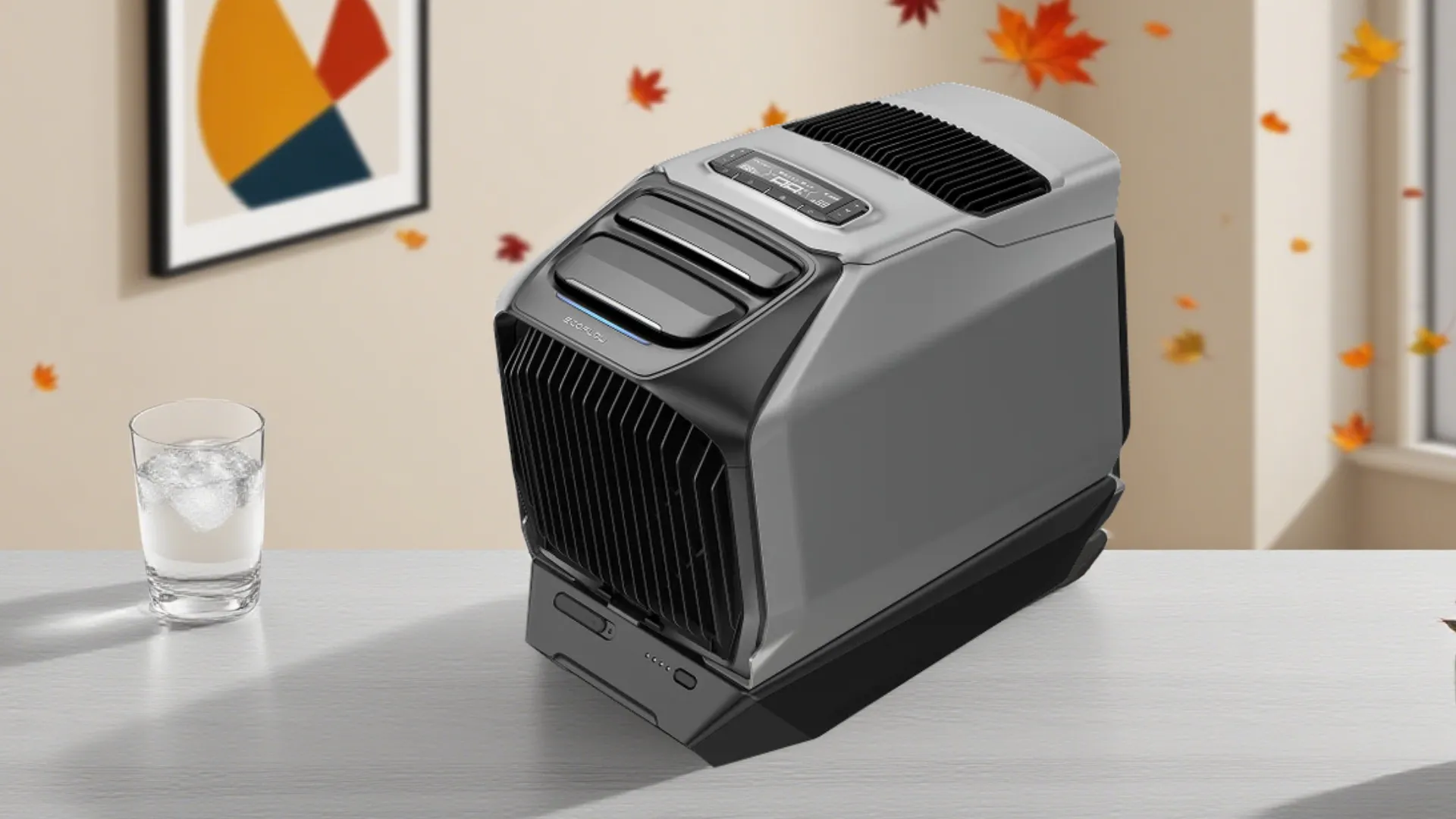
Credit: www.ecoflow.com

Credit: onlinelibrary.wiley.com
Frequently Asked Questions
How Can I Maintain A Stable Temperature Year-round?
Use insulation, programmable thermostats, and energy-efficient windows. These help regulate indoor temperature and reduce fluctuations effectively.
What Are The Best Insulation Materials For Temperature Control?
Fiberglass, spray foam, and cellulose are top insulation materials. They prevent heat loss in winter and keep heat out in summer.
How Do Programmable Thermostats Improve Temperature Stability?
Programmable thermostats adjust temperatures automatically based on your schedule. This ensures consistent comfort and saves energy by avoiding overheating or overcooling.
Can Regular Hvac Maintenance Help Maintain Stable Temperatures?
Yes, regular HVAC maintenance improves efficiency and prevents breakdowns. Clean filters and serviced units maintain consistent indoor temperatures year-round.
Conclusion
Keeping a steady temperature helps save energy and money. It also makes your home more comfortable all year. Simple steps can make a big difference. Use insulation, seal leaks, and choose the right heating and cooling systems. Small changes add up over time.
Stay consistent and check your settings often. A stable temperature creates a better living space for everyone. Try these tips to enjoy comfort every season.