
If you want your community tank to thrive with lush, healthy live plants, lighting is one of the most important factors you need to get right. The right light not only helps your plants grow strong but also creates a beautiful, vibrant environment that your fish will love.
But with so many lighting options out there, how do you choose what’s best for your tank? You’ll discover simple tips and expert advice to make sure your plants get exactly what they need to flourish. Keep reading to transform your tank into a stunning underwater garden.
Choosing The Right Light
Lighting plays a key role in growing live plants in community tanks. Plants need the right light to perform photosynthesis and stay healthy.
Choosing the correct light type, spectrum, and intensity helps plants grow strong and supports the tank’s balance.
Types Of Aquarium Lights
There are several types of lights used in planted tanks. Each type has benefits and limits depending on the tank size and plants.
- Fluorescent lights: Affordable and common, good for low to medium light plants.
- LED lights: Energy efficient, last long, and offer adjustable settings.
- Metal halide lights: Very bright, best for deep tanks and high light plants.
- CFL bulbs: Compact and bright, good for small tanks with moderate light needs.
Light Spectrum For Plants
Plants use different light colors for photosynthesis. The spectrum affects plant health and growth speed.
| Light Color | Effect on Plants |
| Blue (400-500 nm) | Supports leaf and stem growth |
| Red (600-700 nm) | Promotes flowering and root growth |
| Green (500-600 nm) | Least used by plants but adds natural look |
| Full Spectrum | Balanced growth and natural colors |
Intensity Needs For Growth
Different plants need different light intensities. Too little light slows growth; too much can cause algae.
Here are general intensity levels for aquarium plants:
- Low light: 0.25 to 0.5 watts per liter. Suitable for mosses and ferns.
- Medium light: 0.5 to 0.75 watts per liter. Good for most common plants.
- High light: Over 0.75 watts per liter. Needed for demanding plants like carpet species.

Credit: www.reddit.com
Light Duration And Scheduling
Lighting is important for live plants in community tanks. It helps plants grow and stay healthy. Setting the right light time and schedule is key to success.
Too much or too little light can harm plants and tank balance. Careful planning of light duration keeps plants happy and fish safe.
Optimal Photoperiods
Most live plants need 8 to 10 hours of light each day. This time is called the photoperiod. It supports photosynthesis and healthy growth.
- Provide 8 to 10 hours of light daily
- Keep light intensity moderate for community tanks
- Use full-spectrum lights for best plant health
- Adjust time slightly based on plant types
Using Timers For Consistency
Timers help keep the light schedule steady. They turn lights on and off at the same time each day. This reduces stress on plants and fish.
| Benefit | Reason |
| Consistent light cycle | Supports plant growth rhythms |
| Less manual work | Automates daily light control |
| Reduces human error | Prevents over or under lighting |
| Better fish health | Stable environment lowers stress |
Avoiding Algae Growth
Too much light or long light periods cause algae to grow fast. Algae can hurt plants and make tanks look dirty.
Follow these tips to control algae:
- Limit light to 8-10 hours daily
- Turn off lights at night
- Use a timer to avoid extra light
- Keep tank clean and balanced
Positioning And Placement
Lighting plays a key role in the health of live plants in community tanks. Proper positioning helps plants get enough light to grow well.
Incorrect placement can cause poor growth or algae problems. This guide explains how to place lights for best results.
Light Distance From Plants
Keep the light close enough to give plants enough energy, but not too close to cause heat damage. Usually, 6 to 12 inches is ideal.
Distance varies with the light type and plant needs. Adjust based on plant growth and leaf color.
Avoiding Shadows And Dark Spots
Shadows block light and slow plant growth. Place lights to cover the whole tank evenly. Move decorations or plants that cast shadows.
- Use multiple light sources for even coverage
- Arrange plants so taller ones don’t block smaller ones
- Check tank corners for dark spots and adjust light
- Keep lights centered over the tank
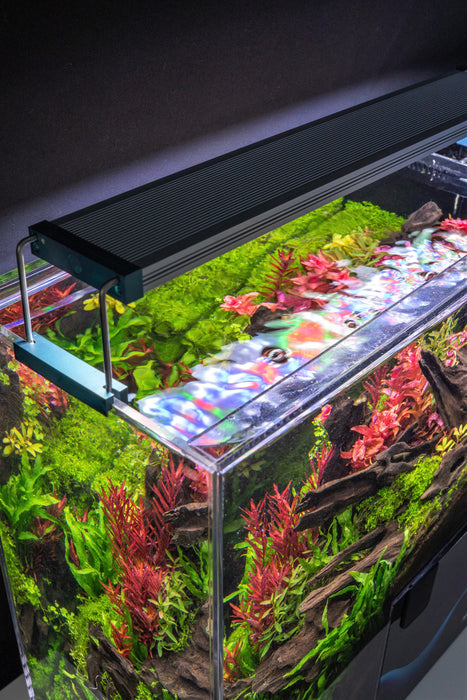
Using Reflectors And Diffusers
Reflectors help bounce light to shaded areas. Diffusers spread light softly and reduce harsh spots.
| Accessory | Purpose | Benefits |
| Reflector | Redirects light | Increases brightness, reduces shadows |
| Diffuser | Softens light | Even light spread, less glare |
Credit: buceplant.com
Balancing Light With Tank Inhabitants
Lighting plays a key role in growing live plants in community tanks. It also affects fish and invertebrates. Balancing light helps keep all tank inhabitants healthy.
Choosing the right light level is important. Too much light can stress animals. Too little light can stop plant growth. Finding a good balance supports a stable tank environment.
Fish And Invertebrate Considerations
Different fish and invertebrates have unique lighting needs. Some prefer dim light while others like bright light. Observe your tank inhabitants to learn what suits them best.
- Shy fish may hide under plants if light is too strong.
- Nocturnal species need low light or shaded areas.
- Active swimmers often prefer brighter lighting.
- Invertebrates like shrimp can be sensitive to intense light.
Managing Light For Mixed Species
Community tanks often have mixed species with different light needs. Use lighting strategies that fit all inhabitants. Create zones with varied light intensity.
| Species Type | Preferred Light Level |
| Low light fish (e.g., Corydoras) | Low to medium |
| Bright light fish (e.g., Tetras) | Medium to high |
| Shrimp and snails | Low to medium |
| Live plants | Medium to high |
Preventing Stress From Lighting
Sudden changes in lighting can stress tank animals. Gradually adjust light levels during tank setup or maintenance. Use timers to mimic natural day and night cycles.
- Start with low light and increase slowly if needed.
- Provide shaded areas using plants or decorations.
- Keep light on for 8 to 10 hours daily to avoid overstimulation.
- Watch for signs of stress like hiding or loss of color.
Supplementing With Co2 And Nutrients
Plants in community tanks need the right balance of light and nutrients. This helps them grow strong and healthy. Adding CO2 and nutrients can boost their growth.
When you supplement light with CO2, plants can photosynthesize better. They use the light to create energy and grow.
Enhancing Photosynthesis
Photosynthesis is how plants turn light into energy. CO2 is essential for this process. Without enough CO2, plants might struggle.
- Ensure the tank has enough CO2.
- Use a CO2 diffuser for even distribution.
- Monitor CO2 levels regularly.
Nutrient Availability And Light
Nutrients like nitrogen, potassium, and phosphorus are vital. They support plant health along with the right light.
| Nutrient | Role |
| Nitrogen | Leaf growth |
| Potassium | Overall health |
| Phosphorus | Root and flower growth |
Signs Of Deficiency And Excess
It’s important to recognize when plants have too much or too little nutrients. This helps prevent problems before they start.

Credit: www.reddit.com
Common Lighting Mistakes
Lighting is important for live plants in community tanks. Using the wrong light can harm plants and fish. Knowing common lighting mistakes helps keep your tank healthy.
Many people either give too much or too little light. Each plant also needs a certain type of light to grow well. Avoiding these errors will improve your tank’s balance.
Overlighting Risks
Too much light causes algae to grow fast. Algae blocks light from reaching plants. It also uses oxygen that fish and plants need.
- Algae blooms make the tank look dirty
- Plants may get burned or stressed
- Fish can become less active or stressed
- Water temperature may rise too much
Underlighting Effects
Low light slows plant growth. Plants may lose color and leaves. This weakens the plant and can cause it to die.
| Effect | Description |
| Slow Growth | Plants grow very slowly or stop growing |
| Leaf Loss | Plants lose their lower leaves |
| Color Fading | Plants become pale or yellow |
| Plant Death | Severe lack of light kills plants |
Ignoring Plant-specific Needs
Not all plants need the same light. Some need strong light. Others grow well in low light. Ignoring this causes poor growth.
- Research each plant’s light needs before buying
- Adjust light intensity if some plants look weak
- Use full spectrum lights for best results
- Provide shading for low-light plants
Frequently Asked Questions
What Type Of Light Is Best For Live Plants In Tanks?
Full-spectrum LED lights are ideal for live plants in community tanks. They provide balanced light that supports photosynthesis and plant growth effectively.
How Many Hours Of Light Do Plants Need Daily?
Live plants generally need 8 to 10 hours of light per day. Avoid excessive lighting to prevent algae growth and maintain tank health.
Can Fish Tolerate Strong Plant Lighting?
Yes, most community fish tolerate moderate to strong lighting well. Ensure gradual light intensity changes to reduce fish stress.
Should I Use A Timer For Aquarium Lighting?
Using a timer helps maintain consistent light cycles. Consistent lighting supports plant growth and stabilizes the aquarium environment naturally.
Conclusion
Proper lighting helps live plants grow strong and healthy in community tanks. It supports fish and plants together, creating a balanced environment. Choose lights that match your tank size and plant needs. Regularly check and adjust lighting to avoid algae growth.
Good lighting brings life and color to your aquarium. It keeps the tank clean and plants vibrant. Remember, simple care makes a big difference in your tank’s health. Bright, steady light helps plants thrive and fish stay happy. Keep your community tank glowing with the right lighting.