
Are you ready to create the perfect home for your betta fish? A Betta Fish Tank Kit gives you everything you need to start – no guesswork, no extra trips to the store.
Imagine watching your colorful betta swim happily in a vibrant, healthy environment you set up with ease. Whether you’re new to fishkeeping or want to upgrade your current setup, this guide will help you choose the best kit and care for your betta like a pro.
Keep reading, and discover how simple it is to bring beauty and calm into your space with the right tank kit.
Credit: www.hygger-online.com
Choosing The Right Betta Tank Kit
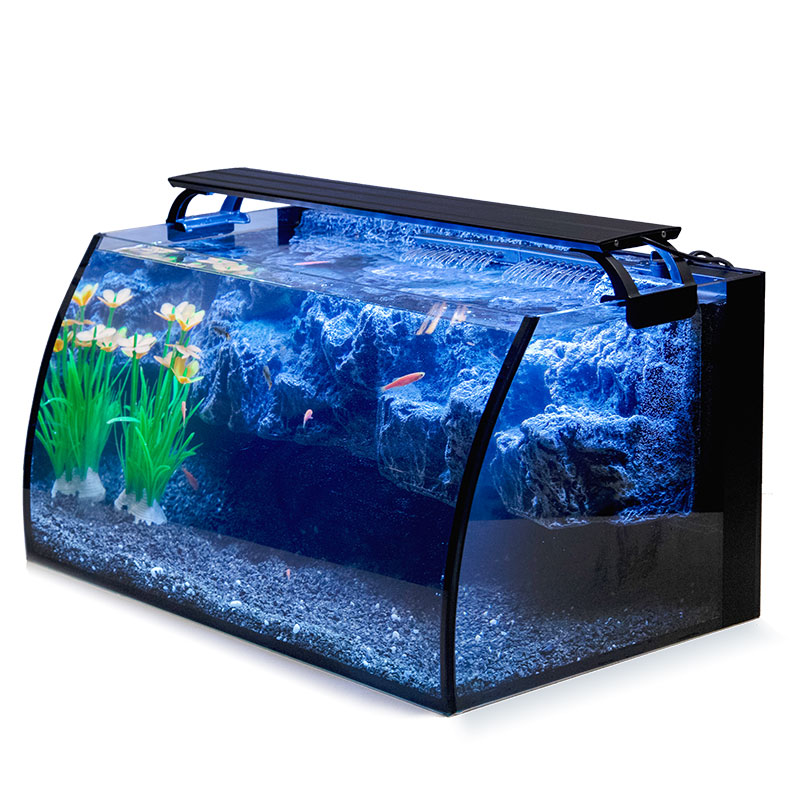
Picking the right tank kit helps your betta fish live a happy life. You should think about size, shape, and what comes in the kit.
Good care starts with the right setup. Let’s look at key points to choose the best betta tank kit.
Tank Size And Shape
A tank that is too small can stress your betta. Choose a tank that holds at least 5 gallons of water. Shape matters too. A wider base gives your fish more room to swim.
- Minimum 5 gallons capacity
- Wider tanks offer more swimming space
- Taller tanks can limit swimming area
- Clear glass helps you watch your fish
Essential Accessories Included
Some kits come with all you need to start. Check if the kit has these basic accessories to make care easy.
| Accessory | Purpose |
|---|---|
| Lid or cover | Prevents fish from jumping out |
| Lighting | Helps plants and shows fish colors |
| Decoration | Gives hiding spots and reduces stress |
| Water conditioner | Removes harmful chemicals from tap water |
Filter And Heater Options
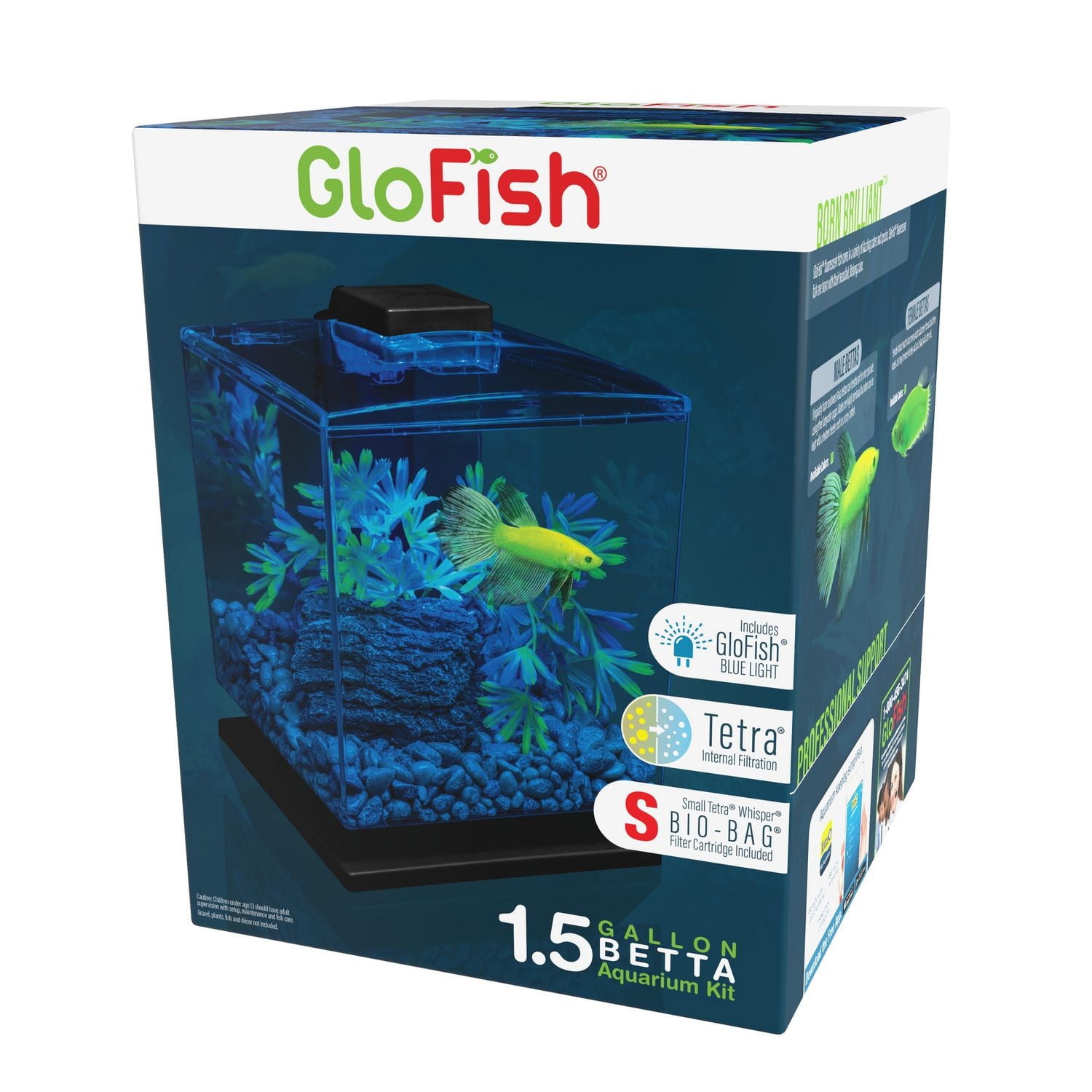
Betta fish need warm, clean water. The right filter and heater keep water safe and steady.
- Pick a gentle filter; strong currents stress bettas.
- Use a heater set between 76°F and 82°F.
- Look for adjustable temperature settings.
- Check if the filter is easy to clean.
Credit: www.walmart.ca
Setting Up Your Betta Tank
Setting up a tank for your betta fish is simple and rewarding. A proper environment keeps your fish healthy and happy.
Follow these steps to prepare the tank carefully before adding your betta fish.
Cleaning And Preparing The Tank
Start by washing the tank with warm water. Avoid soap or chemicals since they can harm fish.
Rinse the tank several times to remove dust and dirt. Check for cracks or sharp edges inside.
Adding Substrate And Decorations
Choose a soft substrate to protect your betta’s fins. Rinse the substrate well before adding it.
- Use smooth gravel or sand
- Add live or silk plants for hiding spots
- Include decorations without sharp edges
- Place items securely to avoid falling
Filling And Conditioning Water
Fill the tank with room temperature water slowly to avoid disturbing the substrate.
| Water Treatment | Purpose | How to Use |
| Dechlorinator | Remove chlorine and chloramine | Add as per product instructions |
| Water Conditioner | Remove heavy metals and toxins | Mix in water before adding fish |
| Beneficial Bacteria | Start nitrogen cycle | Use in new tanks before fish arrival |
Maintaining Ideal Water Conditions
Keeping the right water conditions helps Betta fish stay healthy and active. Water quality affects their color, behavior, and lifespan.
Good care means controlling temperature, testing water regularly, and doing water changes. These steps keep the tank safe for your Betta.
Temperature Control
Betta fish need warm water to thrive. The ideal temperature is between 76°F and 82°F (24°C to 28°C). Use a reliable heater to keep the water steady.
Sudden temperature changes can stress your fish. Avoid placing the tank near windows or air conditioners.
Water Quality And Testing
Test the water weekly to check for harmful chemicals. You need to measure pH, ammonia, nitrites, and nitrates.
- pH should be between 6.5 and 7.5
- Ammonia levels must be 0 ppm
- Nitrite levels must be 0 ppm
- Nitrate levels should stay below 20 ppm
Regular Water Changes
Change the water to keep it clean and safe. Small, regular water changes work best for Betta tanks.
| Water Change Frequency | Amount to Change | Notes |
| Weekly | 20-30% | Removes waste and keeps water fresh |
| Bi-weekly | 30-50% | Use only if weekly changes are not possible |
| Monthly | 50% | Not recommended for Betta tanks |
Feeding Your Betta Fish
Feeding your betta fish the right food keeps it healthy and happy. Good nutrition supports their colors and energy.
Understanding what to feed, how much, and how often is important. This guide helps you care for your betta fish well.
Best Diet Choices
Betta fish need a protein-rich diet. They eat insects and larvae in the wild. You should offer similar foods in your tank.
- High-quality betta pellets made from fish or shrimp
- Frozen or live foods like brine shrimp and bloodworms
- Occasional treats of daphnia or mosquito larvae
- Avoid plant-based flakes or food meant for other fish
Feeding Frequency And Portion
Feed your betta small amounts two times each day. Overfeeding can cause health problems and dirty water.
| Time | Portion Size | Notes |
|---|---|---|
| Morning | 2-3 pellets | Feed only what it can eat in 2 minutes |
| Evening | 2-3 pellets | Remove uneaten food to keep water clean |
Avoiding Overfeeding
Too much food causes bloating and poor water quality. Watch your fish’s belly size and behavior to avoid this.
Tips to prevent overfeeding:
- Feed only what your betta finishes quickly
- Skip feeding one day per week to help digestion
- Use a feeding ring to keep food in one spot
- Check for leftover food and remove it promptly
Common Health Issues And Prevention
Betta fish need proper care to stay healthy. Knowing common health problems helps you protect them.
Preventing illness is easier than treating it. Learn signs of sickness and ways to keep your betta well.
Signs Of Illness
Watch your betta closely for changes in behavior or appearance. These can show if it is sick.
Common signs include lack of energy, clamped fins, and loss of appetite. White spots or red marks also signal problems.
- Swollen belly or bloating
- Faded or dull colors
- Difficulty swimming or floating
- Gasping at the water surface
- Frayed or torn fins
Preventive Care Tips
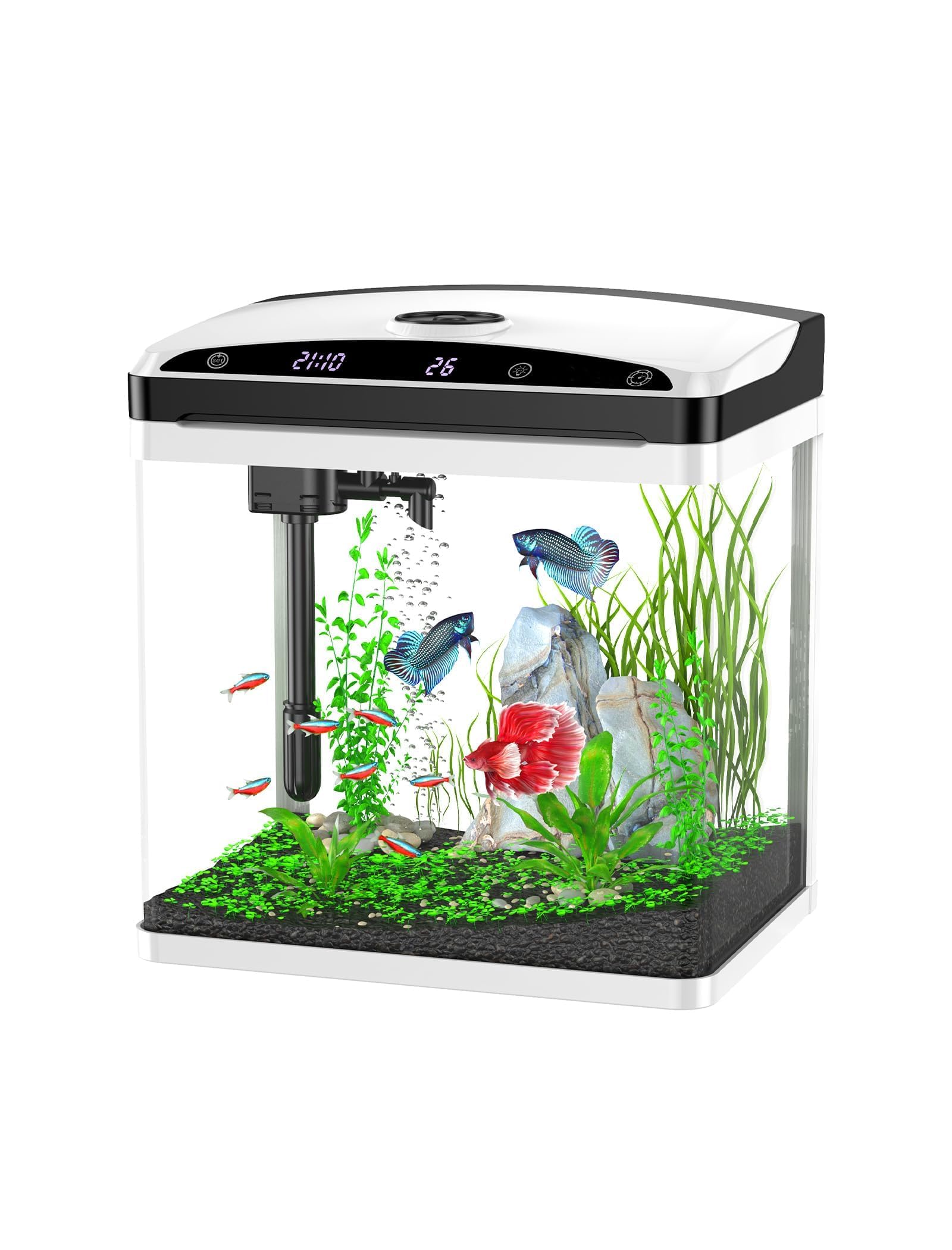
Keep your betta’s tank clean and well maintained. Good water quality prevents many diseases.
Feed a balanced diet and avoid overfeeding. Regularly check water temperature and conditions.
- Change 25% of the water weekly
- Use a water conditioner to remove chlorine
- Keep temperature between 76°F and 82°F
- Feed small amounts two times a day
- Avoid crowding the tank
When To Consult A Vet
See a vet if your betta shows serious or lasting symptoms. Early help can save your fish’s life.
If your betta stops eating, has trouble swimming, or shows wounds, get professional advice quickly.
- Persistent lethargy or hiding
- Visible injuries or ulcers
- Rapid breathing or gasping
- Swelling that does not improve
- Failure to respond to simple care changes
Credit: www.amazon.ca
Enhancing Tank Environment
Creating the perfect environment for your Betta fish is important. A well-set tank helps them thrive and stay healthy.
Understanding the right components can make a big difference. Let’s explore how to enhance your Betta fish tank.
Choosing Live Vs. Artificial Plants
Plants play a key role in a Betta fish tank. They provide shelter and improve water quality.
Live plants offer oxygen and a natural look. Artificial plants are easier to maintain and do not need light.
- Live plants: Java fern, Anubias
- Artificial plants: Silk plants are better than plastic
Safe Decorations For Bettas
Decorations make the tank more interesting. They provide hiding spots for your Betta fish.
Choose decorations without sharp edges. Safe materials include ceramic and resin.
- Caves and tunnels
- Floating logs
- Leaf hammocks
Lighting And Its Effects
Lighting affects the health and mood of your Betta fish. Proper lighting helps plants grow and showcases your fish’s colors.
Use LED lights for energy efficiency. Avoid direct sunlight to prevent algae growth.
- LED lights: Adjustable and efficient
- Natural light: Avoid direct exposure
Upgrading And Expanding Your Setup
Keeping your Betta fish happy means improving their tank over time. Upgrading your setup helps your fish stay healthy and active.
Expanding your tank setup can make the environment more interesting for your Betta. Small changes can make a big difference.
Adding Tank Mates Safely
Not all fish can live with Betta fish. Choose tank mates that are peaceful and won’t bother your Betta.
Watch your Betta’s behavior closely when you add new fish. Remove any fish that cause stress or fighting.
- Choose small, calm fish like snails or shrimp
- Avoid bright or long-finned fish that might provoke aggression
- Keep only one Betta per tank to prevent fighting
- Introduce new tank mates slowly and carefully
Upgrading Equipment
Better equipment keeps your Betta’s water clean and healthy. Upgrade filters and heaters to improve water quality.
Use a reliable heater to keep water temperature steady. Bettas like warm water around 78°F (25.5°C).
- Choose a quiet, adjustable filter with gentle flow
- Use a heater with an easy temperature control
- Upgrade lighting to support live plants
- Consider a water test kit to monitor water quality
Creating A Natural Habitat
Adding plants and decorations helps your Betta feel safe. Natural elements reduce stress and encourage natural behavior.
Use live or silk plants and smooth decorations. Avoid sharp objects that can harm your Betta’s fins.
- Add live plants like Java fern or Anubias
- Use smooth stones and driftwood for hiding spots
- Keep substrate soft to protect Betta’s belly
- Arrange items to create open swimming spaces
Frequently Asked Questions
What Does A Betta Fish Tank Kit Include?
A Betta fish tank kit typically includes a tank, filter, heater, lighting, and decorations. Some kits also offer water conditioners and food. These essentials help maintain a healthy environment for your Betta fish from the start.
How Big Should A Betta Fish Tank Be?
A Betta fish tank should be at least 5 gallons. This size provides enough space for swimming and stable water conditions. Larger tanks are easier to maintain and keep your Betta healthier.
Do Betta Fish Tank Kits Come With Heaters?
Yes, many Betta fish tank kits include heaters. Bettas need warm water between 76-82°F for optimal health. Built-in heaters make temperature control simple and consistent.
Can I Use A Betta Fish Tank Kit Without A Filter?
While some kits allow filter-free setups, a filter is recommended. Filters keep the water clean and reduce harmful toxins. They improve water quality and fish health.
Conclusion
A Betta fish tank kit makes caring for your fish simple and fun. It includes everything needed for a healthy environment. Setting up the tank is quick and easy. Your Betta will enjoy a clean and safe home. Regular care keeps your fish happy and colorful.
Choose the right kit to match your space and style. Enjoy watching your Betta swim with peace of mind. A good tank kit helps you start right and keep going strong.