
Are you struggling to keep your planted tank vibrant and healthy? One of the biggest factors that can make or break your aquatic garden is the light it receives.
Too little light, and your plants will wither; too much, and algae can take over. Finding the optimal light for planted tanks isn’t just about turning on a lamp—it’s about understanding what your plants truly need to thrive. You’ll discover simple, practical tips to get the perfect lighting balance, so your underwater world can flourish like never before.
Keep reading to transform your tank into a lush, green paradise.

Credit: www.reddit.com
Choosing The Right Light Spectrum
Light is key to healthy planted tanks. Plants need the right colors of light to grow well. Different light colors affect plants in different ways.
This guide explains how to pick the best light spectrum. It covers the effects of light wavelengths, how to balance red and blue light, and the role of white and full spectrum lights.
Effects Of Different Wavelengths
Light comes in many colors or wavelengths. Each color helps plants in a unique way. Blue light helps with leaf growth and strong stems. Red light supports flowering and root growth. Green light is less used but helps plants look natural.
- Blue light (400-500 nm): boosts leaf growth and photosynthesis
- Red light (600-700 nm): encourages blooming and root development
- Green light (500-600 nm): improves plant color and appearance
Balancing Red And Blue Light
Red and blue lights work best when balanced. Too much blue can slow plant growth. Too much red can cause plants to stretch and grow weak. A good mix helps plants grow strong and healthy.
| Light Type | Effect on Plants | Recommended Use |
| Blue Light | Leaf growth, photosynthesis | 40-60% of total light |
| Red Light | Flowering, root growth | 40-60% of total light |
| Balanced Mix | Healthy, strong plants | Equal parts red and blue |
Role Of White And Full Spectrum Lights
White and full spectrum lights include many colors. They mimic natural sunlight. This helps plants grow well and look good. Full spectrum lights also support fish and other tank animals.
Benefits of White and Full Spectrum Lights:
- Supports all plant growth stages
- Makes tank colors look natural
- Good for fish health and behavior
- Easier to balance than single-color lights
Light Intensity And Duration
Proper light is very important for planted tanks. Plants need the right light intensity and time to grow well.
Too little light slows growth. Too much light can cause algae problems. The time light shines also matters.
Ideal Brightness Levels For Growth
Plants need enough light to make food through photosynthesis. Brightness is measured in PAR (Photosynthetically Active Radiation).
Most planted tanks do well with medium light levels. Too low light makes plants weak. Too high light stresses plants.
- Low light: 15-30 micromoles per square meter per second (μmol/m²/s)
- Medium light: 30-50 μmol/m²/s
- High light: 50-100 μmol/m²/s
Setting Photoperiods For Plants
Photoperiod is how long the light stays on each day. Plants need a steady schedule for best growth.
Most plants grow well with 8 to 10 hours of light daily. Too short light time slows growth. Too long light causes algae.
- 8 hours: Good for low-light plants
- 10 hours: Best for most aquarium plants
- 12 hours: Use only if algae is controlled
Avoiding Algae Through Timing
Algae grow fast under too much light or long light periods. Control light timing to keep algae low.
Turn on lights at the same time each day. Avoid leaving lights on for more than 10 hours. Use a timer for consistency.
- Use 8-10 hour photoperiods
- Keep light intensity moderate
- Turn lights off at night
- Use timers to avoid accidental long lighting
Types Of Lighting Options
Lighting is key for healthy planted tanks. Plants need the right light to grow well.
Different lights have different effects on plants and fish. Choose based on your tank needs.
Led Vs Fluorescent Lights
LED lights use less power and last longer than fluorescent lights. They produce less heat.
Fluorescent lights give good light but use more energy. They also need changing more often.
Pros And Cons Of Cfl And T5
| Type | Pros | Cons |
| CFL | Low cost, bright light | Shorter life, more heat |
| T5 Fluorescent | Strong light, thin tubes | Needs special fixtures |
Innovations In Aquarium Lighting
- Adjustable color spectrum for plant growth
- Timers and dimmers for easy control
- Smart lights with app control
- Energy-saving designs

Credit: www.reddit.com
Placement And Positioning
Getting the right light placement in planted tanks is key. Good light helps plants grow healthy and strong.
Positioning your light source well ensures plants get the needed brightness without stress.
Optimal Light Distance From Plants
Light should not be too close or too far from plants. Too close, it can burn leaves. Too far, plants may not get enough light.
Keep the light about 6 to 12 inches above the plant tops. Adjust based on light type and tank setup.
Using Reflectors And Diffusers
Reflectors bounce light back into the tank. This boosts light without using more power. Diffusers spread light evenly to avoid hot spots.
- Place reflectors around the light source for better coverage.
- Use diffusers to soften harsh light and reduce glare.
- Combine both for balanced lighting and energy savings.
Adjusting Light For Tank Depth
Taller tanks need stronger or more focused light. Light weakens as it passes through water.
| Tank Depth | Recommended Light Distance | Light Intensity Notes |
|---|---|---|
| Less than 12 inches | 6 to 8 inches above plants | Standard light intensity works well |
| 12 to 18 inches | 8 to 10 inches above plants | Use medium to high intensity lights |
| More than 18 inches | 10 to 12 inches above plants | Strong lights and reflectors needed |
Impact On Plant Species
Lighting is crucial for plant growth in tanks. Different plants need different light levels. Understanding this helps in creating a thriving environment.
Some plants prefer high light, while others do better in low light. Providing the right light ensures healthy plants and a balanced ecosystem.
High Light Plants Vs Low Light Plants
High light plants need intense lighting. They grow faster and have vibrant colors. Examples include Dwarf Baby Tears and Rotala.
Low light plants thrive in dimmer settings. They grow slowly and are easy to maintain. Java Ferns and Anubias are popular choices.
- High light plants: Faster growth, more maintenance
- Low light plants: Slower growth, less maintenance
Adapting Lighting To Plant Needs
Adjust lighting to match plant requirements. Use timers to control light duration. Ensure the intensity is suitable for the plants you have.
Position light sources to avoid shadow areas. This helps all plants receive adequate light for photosynthesis.
- Use adjustable lights for flexibility
- Set timers for consistent light exposure
- Reposition lights for even distribution
Examples Of Plant Growth Responses
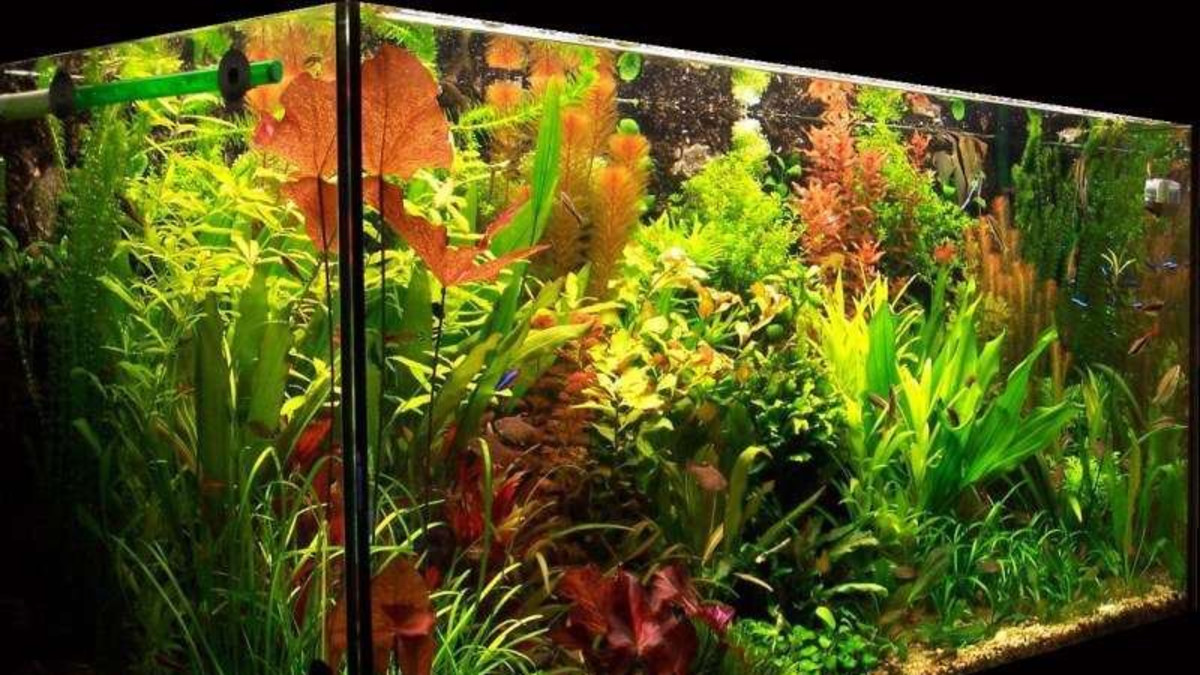
Plants show different responses to light changes. High light plants may turn reddish with more light. Low light plants stay green and healthy in low light.
Observe plant health and adjust lighting. Healthy plants have vibrant colors and steady growth. Monitor for signs of stress like yellowing leaves.
- High light: Reddish hues, faster growth
- Low light: Deep green, steady growth
- Signs of stress: Yellow leaves, stunted growth
Credit: pethelpful.com
Maintaining Lighting Systems
Good lighting keeps planted tanks healthy and beautiful. Proper care of lighting systems helps plants grow well.
Regular maintenance of lights improves their lifespan and performance. It also saves energy and prevents problems.
Cleaning And Replacing Bulbs
Clean bulbs often to remove dust and algae. Dirty bulbs give less light and waste energy.
Replace bulbs when they burn out or lose brightness. Old bulbs can harm plant growth.
- Turn off power before cleaning or replacing bulbs
- Use a soft cloth to wipe bulbs gently
- Replace bulbs with the same type and wattage
- Check bulb life expectancy on the package
Monitoring Light Degradation
Light bulbs lose brightness over time. Watch for dim or uneven lighting in the tank.
Use a light meter to measure how much light your tank receives. Replace bulbs if light falls below needed levels.
- Check light intensity every 3 to 6 months
- Note changes in plant growth or color
- Keep records of bulb age and performance
Automating Light Schedules
Use timers to control when lights turn on and off. Plants need consistent light times for good growth.
Set light schedules based on your plants’ needs. Avoid too much or too little light to stop algae or plant stress.
- Set lights for 8 to 10 hours daily
- Use digital timers for precise control
- Adjust schedule with seasons or plant changes
Frequently Asked Questions
What Is The Best Light Spectrum For Planted Tanks?
The best light spectrum for planted tanks is between 5000K and 7000K. This range promotes healthy photosynthesis. It mimics natural daylight, enhancing plant growth and color vibrancy. Avoid spectrums outside this range to prevent poor plant health and algae growth.
How Many Hours Of Light Do Planted Tanks Need?
Planted tanks generally need 8 to 10 hours of light daily. Too much light causes algae growth, while too little slows plant growth. Using a timer helps maintain consistent lighting. Adjust duration based on plant species and tank conditions.
Which Light Intensity Suits Planted Aquariums Best?
Moderate light intensity between 20 to 40 PAR is ideal for most plants. Low light suits low-demand plants, while high light suits demanding species. Proper intensity ensures optimal photosynthesis and growth without encouraging algae.
Can Led Lights Improve Planted Tank Growth?
Yes, LED lights are energy-efficient and customizable for planted tanks. They offer adjustable intensity and spectrum. LEDs produce less heat, reducing algae risk. Their longevity and cost-effectiveness make them a popular choice for aquarists.
Conclusion
Choosing the right light helps plants grow healthy and strong. Brightness and color affect how well plants thrive. Too little light slows growth; too much can harm them. Balance is key to a beautiful, green tank. Regularly check your plants for signs of stress.
Adjust your lighting to keep plants happy. A well-lit tank brings life and color. Enjoy watching your planted tank flourish every day. Simple steps lead to great results. Keep learning and experimenting to find what works best.