
Setting up a fish tank with aggressive fish can feel like a tough challenge. You want a vibrant, lively aquarium, but managing those feisty fish is key to keeping peace underwater.
If you’ve struggled with fish fighting or tank chaos, this guide is for you. You’ll learn simple, effective ways to create a balanced environment where your aggressive fish thrive without constant stress. Ready to transform your tank into a harmonious aquatic haven?
Keep reading, and discover how to take control of your fish tank setup like a pro.
Choosing Aggressive Fish Species
Setting up a fish tank with aggressive fish needs careful planning. You must pick species that fit well together and your tank size.
Aggressive fish can fight if you do not manage their environment properly. Choose fish that suit your tank and your experience level.
Top Aggressive Fish Types
Some fish are known for their strong and aggressive nature. These species often defend their space fiercely.
- Betta Fish – Very territorial and colorful.
- Oscar Fish – Large and can be aggressive toward smaller fish.
- Cichlids – Many types are aggressive and need room to roam.
- Jack Dempsey – Known for bold and aggressive behavior.
- Red Devil – Strong fighters and very territorial.
Compatibility Considerations
Aggressive fish need careful tankmate choices. Some fish can live together if space is enough.
Consider fish that are fast or can hold their own. Avoid mixing very passive fish with aggressive ones.
- Choose fish with similar aggression levels.
- Provide many hiding spots to reduce fights.
- Use larger tanks to give space and reduce stress.
- Monitor fish behavior regularly to prevent injury.
Size And Growth Patterns
Know the adult size of aggressive fish before buying. Some start small but grow very large and strong.
Growth affects how much space fish need and their tankmate choices. Bigger fish can bully smaller ones.
| Fish Species | Adult Size | Growth Speed |
|---|---|---|
| Betta Fish | 2.5 inches | Slow |
| Oscar Fish | 12-14 inches | Fast |
| Cichlids | 4-12 inches | Medium |
| Jack Dempsey | 8-10 inches | Medium |
| Red Devil | 10-15 inches | Fast |
Credit: clixfueling.com
Tank Size And Environment
Setting up a fish tank with aggressive fish needs careful planning.
The tank size and environment help reduce fights and stress among fish.
Ideal Tank Dimensions
Aggressive fish need more space to swim and claim areas.
- Minimum tank length: 36 inches
- Minimum tank width: 18 inches
- Tank height: At least 18 inches
- Volume: 40 gallons or more
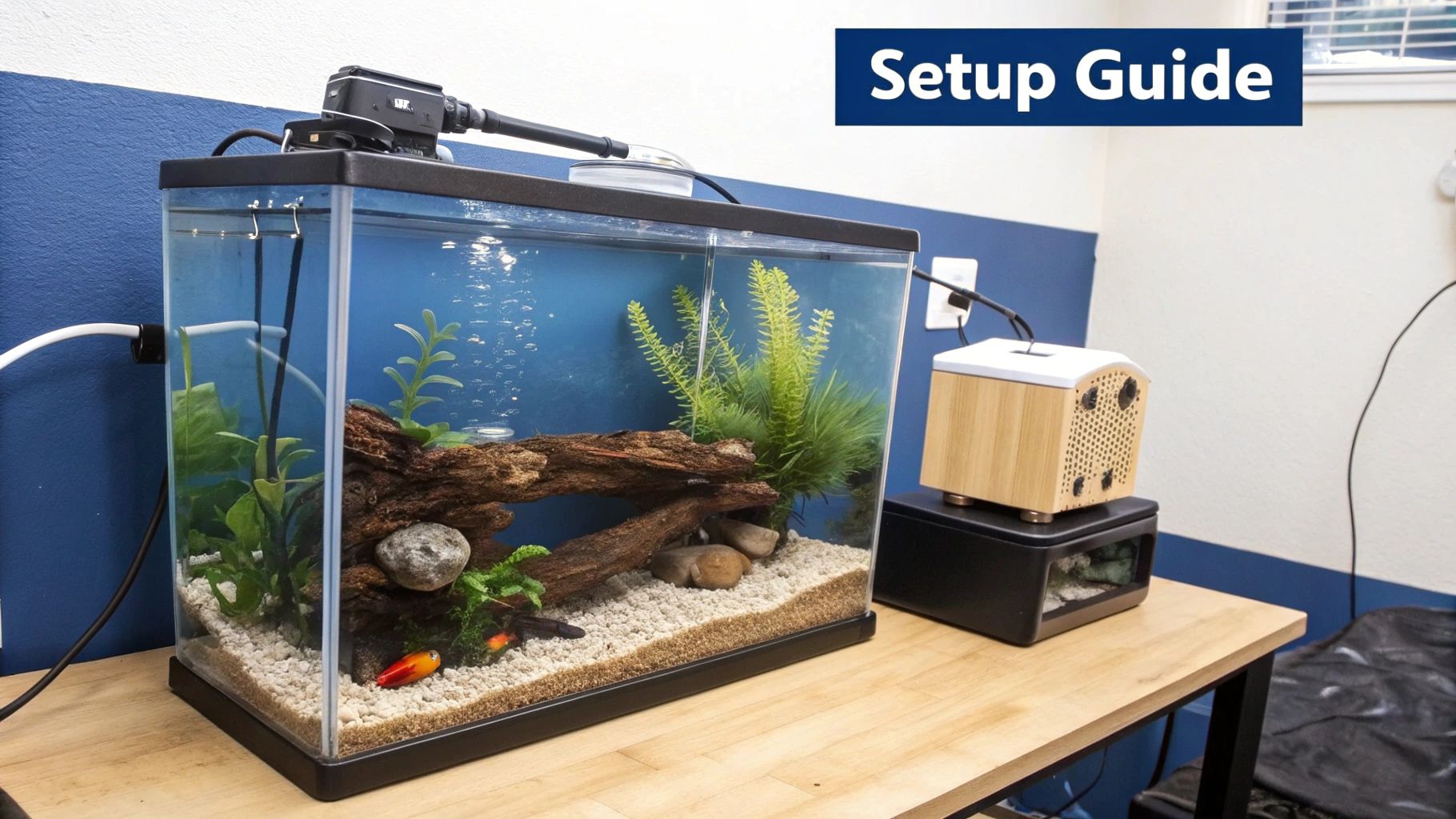
Hiding Spots And Territories
Fish need places to hide and mark as their own territory.
| Type | Description | Purpose |
| Rocks | Stacked to create caves | Safe hiding spots |
| Plants | Dense and tall | Visual barriers |
| Driftwood | Natural shapes | Territory markers |
| Artificial caves | Clay or resin structures | Extra shelters |
Substrate And Decorations
Choose substrate and decorations that support fish behavior and health.
- Use sand or fine gravel for substrate to avoid injury.
- Avoid sharp objects that can harm fish.
- Decorations should create natural barriers.
- Keep open swimming space between decorations.
Water Quality And Maintenance
Setting up a fish tank with aggressive fish needs careful water care. Clean water helps fish stay healthy and active.
Good water quality reduces stress and fights disease in your tank. Regular checks and cleaning keep the water safe.
Filtration Systems
Filtration removes waste and toxins from the tank water. It keeps the water clear and safe for fish.
- Mechanical filters catch debris and particles.
- Biological filters break down harmful chemicals.
- Chemical filters remove odors and impurities.
- Choose a filter that suits your tank size and fish type.
Water Parameters
Keep water parameters stable to prevent stress in aggressive fish. Check these key factors regularly.
| Parameter | Ideal Range | Why It Matters |
| pH | 6.5 – 7.5 | Controls acidity for fish comfort |
| Ammonia | 0 ppm | Toxic to fish even in low amounts |
| Nitrites | 0 ppm | Harmful waste from fish metabolism |
| Nitrates | < 20 ppm | High levels cause algae and stress |
| Temperature | 75°F – 80°F (24°C – 27°C) | Supports fish metabolism and activity |
Regular Cleaning Schedule
Cleaning keeps the tank free from dirt and harmful buildup. Stick to a routine for best results.
- Test water weekly for pH, ammonia, nitrites, and nitrates.
- Change 10-15% of water every week to keep it fresh.
- Clean the filter media monthly without removing beneficial bacteria.
- Remove uneaten food and waste daily to avoid decay.
- Check for algae growth and clean tank walls as needed.
Feeding Strategies
Feeding aggressive fish requires special care to keep the tank peaceful. Proper feeding helps reduce fights during mealtime.
Good feeding strategies ensure all fish get enough food without causing stress or competition.
Diet For Aggressive Fish
Aggressive fish need a balanced diet with enough protein. This keeps them healthy and less likely to attack others.
Feed a mix of pellets, flakes, and live or frozen foods like bloodworms or brine shrimp.
- High-protein pellets help build strength
- Live foods encourage natural hunting behavior
- Vegetable matter supports digestion
Feeding Frequency
Feed aggressive fish small amounts two to three times a day. This prevents overfeeding and fights.
Regular feeding keeps fish calm and less likely to compete for food.
- Feed twice daily for young or active fish
- Once or twice daily for adult fish
- Avoid feeding late at night
Preventing Food Aggression
Spread food across the tank to reduce fighting. Feeding in different spots helps all fish eat safely.
Use feeding rings or place food near hiding places to give shy fish a chance to eat.
- Feed small portions slowly
- Use multiple feeding points
- Remove uneaten food quickly
- Separate very aggressive fish if needed
Behavior Monitoring
Setting up a fish tank with aggressive fish needs careful monitoring. Observing fish behavior helps in keeping harmony in the tank.
Watch for signs of stress or aggression. This can prevent problems before they start.
Signs Of Aggression
Aggressive fish show certain behaviors. These signs help identify potential issues early.
- Chasing other fish constantly
- Nipping fins or tails
- Claiming specific areas of the tank
Separating Problem Fish
Sometimes, aggressive fish need separation. This helps reduce stress for the whole tank.
Use a divider or move the aggressive fish to another tank. This can create a peaceful environment.
Stress Reduction Techniques
Reducing stress in a fish tank is important. Happy fish make for a healthier tank.
- Provide plenty of hiding spaces
- Maintain clean water with regular changes
- Ensure proper tank size for all fish

Credit: www.blessingsaquarium.com
Tank Mates Selection
Setting up a fish tank with aggressive fish needs careful planning. Choosing the right tank mates helps keep peace.
Some fish fight more than others. Picking calm or tough fish can stop fights and injuries.
Compatible Species
Some fish live well with aggressive species. They either hide well or stand their ground.
- Corydoras catfish – peaceful bottom dwellers
- Plecostomus – algae eaters with tough armor
- Silver dollars – fast and schooling fish
- Gouramis – can hold their own but not too aggressive
- Rainbowfish – colorful and fast swimmers
Avoiding Overcrowding
Too many fish cause stress and fights. Aggressive fish need more space than calm fish.
Leave enough room for each fish to swim and hide. Overcrowded tanks increase aggression and disease risk.
- Follow tank size guidelines for each species
- Provide hiding spots with plants and rocks
- Keep fewer fish if the species is very aggressive
Introducing New Fish
New fish can cause fights if added wrongly. Introduce fish slowly and watch their behavior.
Use a quarantine tank first. Let new fish adjust before adding them to the main tank.
- Add new fish during feeding time to distract aggression
- Use a divider to separate new fish at first
- Watch for signs of stress or injury
- Remove aggressive fish if fights get too serious
Breeding And Aggression Control
Setting up a fish tank with aggressive fish needs careful planning. Breeding and managing aggression help keep your aquarium healthy.
Understanding fish behavior and tank conditions helps reduce fights. It also improves chances of successful breeding.
Breeding Setup
Choose a separate breeding tank to protect eggs and fry. Use soft water and plants for hiding spots.
Keep water temperature steady and clean. Proper lighting helps fish feel safe to breed.
- Set water temperature between 75-80°F (24-27°C)
- Add plants like java moss or spawning mops
- Use a gentle filter to avoid harming eggs
- Keep the tank quiet and low light during breeding
Managing Territorial Disputes
Aggressive fish defend their space strongly. Add hiding places to reduce fights and stress.
Use decorations and plants to break sight lines. This lowers aggression by limiting direct confrontations.
- Provide caves, rocks, and plants for hiding
- Keep enough space for each fish to claim territory
- Feed fish regularly to reduce competition
- Remove very aggressive fish if fights continue
Raising Fry Safely
Fry need gentle care and safe space to grow. Keep them in a separate tank or breeding box.
Feed small amounts of food often. Use fine fry food like crushed flakes or baby brine shrimp.
- Maintain clean water with frequent small changes
- Keep temperature stable and suitable for fry
- Avoid larger fish that may eat the fry
- Gradually move fry to main tank after they grow

Credit: www.aqqapet.com
Frequently Asked Questions
What Is The Best Tank Size For Aggressive Fish?
A larger tank reduces territorial conflicts among aggressive fish. At least 30 gallons is recommended for most species. Bigger tanks allow fish to establish separate territories, which minimizes fights and stress.
How To Choose Compatible Aggressive Fish Species?
Select species with similar temperament and size to avoid bullying. Avoid mixing highly territorial fish with peaceful ones. Research each fish’s behavior and habitat needs before adding them to your tank.
What Tank Decorations Help Manage Aggressive Fish Behavior?
Use rocks, caves, and plants to create hiding spots and territories. These decorations break sight lines and reduce direct confrontations. Proper layout encourages natural behaviors and decreases aggression.
How Often Should Aggressive Fish Tanks Be Cleaned?
Clean aggressive fish tanks weekly to maintain water quality. Regular water changes reduce toxins that stress fish. Good water conditions help keep aggression levels lower and fish healthier.
Conclusion
Setting up a fish tank with aggressive fish needs care and patience. Choose the right tank size and decorations to reduce fights. Keep an eye on fish behavior every day. Feed fish properly to lower stress and aggression. Regular water changes keep the environment healthy and calm.
Remember, a peaceful tank creates happy fish. With careful steps, you can enjoy a lively, balanced aquarium. Simple care makes a big difference in fish harmony. Keep learning and adjusting for the best results.