
Are you ready to transform your fish tank into a stunning underwater masterpiece? Setting up the perfect tank for aquascaping can feel overwhelming, but with the right steps, you’ll create a vibrant, living work of art that captivates everyone who sees it.
Whether you’re new to aquascaping or looking to refine your skills, this guide will walk you through everything you need to know to bring your vision to life. Get ready to dive in and discover how to make your fish tank the highlight of your space.
Choosing The Right Tank
Setting up a fish tank for aquascaping starts with picking the right tank. The tank you choose affects how well your plants and fish will thrive.
Consider the size, shape, and material of the tank carefully. Also, think about where you will place it in your home or office.
Tank Size And Shape
The tank size determines how much space your aquascape will have. Bigger tanks offer more room for plants and fish but need more care.
- Small tanks (under 10 gallons) are easier to manage but limit plant growth.
- Medium tanks (10 to 30 gallons) balance size and maintenance.
- Large tanks (over 30 gallons) allow diverse aquascapes and stable water conditions.
- Long and shallow tanks are best for wide landscapes and planting layouts.
- Tall tanks suit vertical designs but may limit surface area for plants.
Material Options
Most tanks are made of glass or acrylic. Each material has its pros and cons for aquascaping.
| Material | Advantages | Disadvantages |
| Glass | Clear view, scratch-resistant | Heavier, can break easily |
| Acrylic | Lighter, impact-resistant | Scratches easily, may yellow over time |
Location Considerations
Place your tank where it gets stable temperature and low light changes. Avoid direct sunlight to prevent algae growth.
- Choose a flat, sturdy surface that can hold the tank weight.
- Keep the tank away from heaters, air conditioners, and windows.
- Allow easy access for maintenance and viewing.
- Ensure nearby power outlets for equipment like filters and lights.
Selecting Substrate And Hardscape
Setting up a fish tank for aquascaping needs careful choice of materials. The substrate and hardscape shape the look and health of your tank.
Good choices support plant growth and create natural scenes. Let’s explore what to use and how to arrange it.
Types Of Substrates
Substrate is the material at the bottom of your tank. It holds plants and helps keep water clean.
Different substrates suit different plants and fish. Pick one that fits your aquascape style.
- Gravel: Small stones, easy to clean, good for root plants
- Aquasoil: Rich in nutrients, promotes plant growth, darker color
- Sand: Fine texture, good for bottom dwellers, can compact easily
- Crushed Coral: Raises pH and hardness, best for certain fish types
- Clay-based Substrates: Release minerals slowly, great for plants
Incorporating Rocks And Driftwood
Rocks and driftwood add natural shapes and textures to your tank. They create hiding spots for fish and anchor plants.
Choose pieces that fit your tank size and theme. Avoid sharp edges that can hurt fish.
- Rocks: Use granite, slate, or lava rock for durability
- Driftwood: Adds warm colors and natural curves
- Clean hardscape items before placing to remove dirt or chemicals
- Combine rocks and wood for balanced, natural scenes
Design Principles For Layout
Arrange substrate and hardscape to guide the eye and keep balance. Use empty space as part of the design.
Plan the layout before adding water or plants. Think about height, depth, and focal points.
- Rule of Thirds: Place main features off-center for interest
- Layers: Build height with rocks and wood to add depth
- Natural Flow: Arrange hardscape to mimic riverbeds or forests
- Open Areas: Leave spaces for fish to swim freely
Picking Aquatic Plants
Choosing the right aquatic plants is key for a beautiful fish tank. Plants add color, oxygen, and hiding spots for fish.
Consider the tank size, lighting, and fish types before picking plants. Healthy plants make a healthy tank.
Popular Plant Species
There are many aquatic plants popular among aquascaping fans. Each has its own look and care needs.
- Anubias:Slow-growing and tough plant. Great for beginners.
- Java Fern:Easy to grow and low light tolerant.
- Amazon Sword:Large, leafy plant. Needs good lighting.
- Cryptocoryne:Comes in many shapes and colors.
- Mosses:Good for covering rocks and driftwood.
Planting Techniques
Proper planting helps plants grow strong and stay healthy in the tank.
- Rinse plants gently to remove dirt and pests.
- Trim dead or damaged leaves before planting.
- Plant roots into substrate carefully without damage.
- Place taller plants at the back, shorter ones in front.
- Avoid burying the crown of plants to prevent rot.
Maintaining Plant Health
Keep plants healthy by providing clean water and proper nutrients.
| Care Aspect | Tips |
| Lighting | Use moderate to strong light for 8-10 hours daily. |
| Fertilizer | Add liquid or substrate fertilizers regularly. |
| Pruning | Trim old leaves to encourage new growth. |
| Water Quality | Test water often and change 20% weekly. |
| CO2 | Consider CO2 injection for fast-growing plants. |
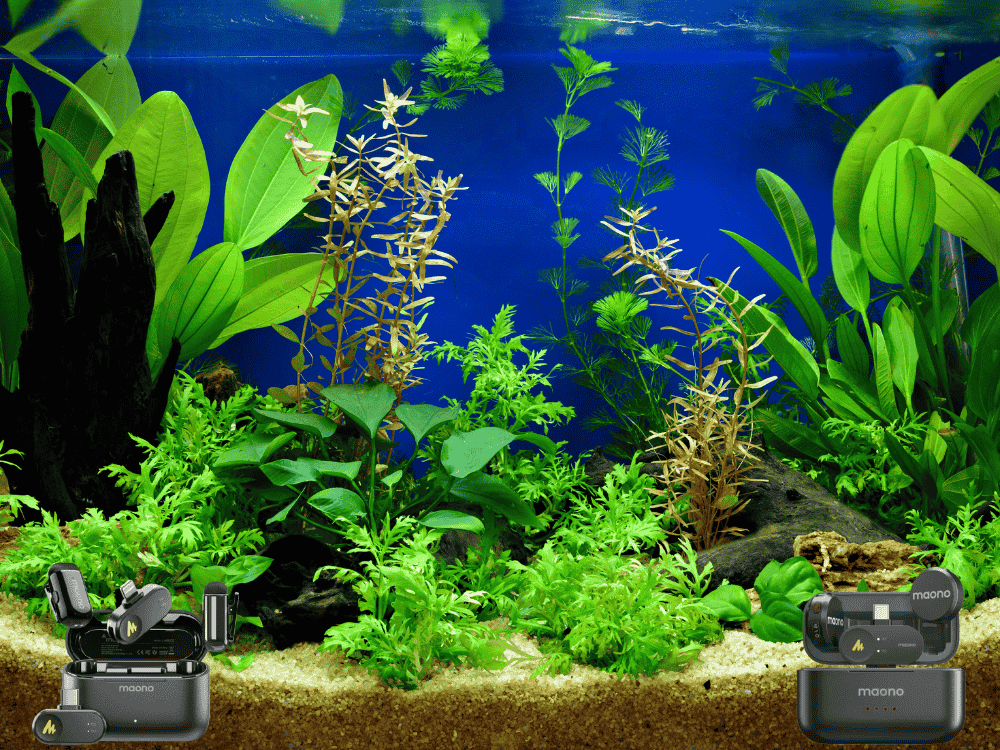
Credit: www.maono.com
Water Parameters And Filtration
Setting up a fish tank for aquascaping requires attention to water conditions and filtration. These elements ensure a healthy environment for aquatic life.
Understanding and maintaining ideal water parameters and choosing the right filtration system is crucial for success.
Ideal Water Conditions
Water parameters in your fish tank should mimic natural habitats. This helps fish and plants thrive.
| Parameter | Ideal Range |
| pH Level | 6.5 – 7.5 |
| Temperature | 24°C – 26°C |
| Ammonia | 0 ppm |
| Nitrate | < 20 ppm |
Filtration Systems
Filtration is key to keeping water clean and safe. There are different types of filtration systems to consider.
- Mechanical Filtration: Removes debris and particles.
- Biological Filtration: Uses bacteria to break down waste.
- Chemical Filtration: Removes toxins and impurities.
Regular Testing And Maintenance
Regular testing and maintenance keep your tank healthy. Check water parameters weekly and clean filters monthly.
Lighting Setup
Proper lighting is key to a beautiful aquascape. It helps plants grow and keeps fish healthy.
Choosing the right light type and controlling its intensity and duration can change your tank’s look and health.
Types Of Aquarium Lights
There are several kinds of lights for aquariums. Each has its benefits and uses for plants and fish.
- Fluorescent lights are common and cost-effective.
- LED lights use less energy and last longer.
- Metal halide lights give strong, bright light for deep tanks.
- CFL (compact fluorescent lamps) are good for small tanks.
Light Intensity And Duration
Light intensity means how bright the light is. Duration means how long the light stays on each day.
| Factor | Recommended Range | Notes |
| Light Intensity | 20-40 PAR (Photosynthetically Active Radiation) | Depends on plant type and tank depth |
| Light Duration | 8-10 hours per day | Too long can cause algae growth |
Effects On Plant Growth
Light affects how plants grow and stay healthy. Good lighting helps plants make food through photosynthesis.
- Strong light helps fast-growing plants thrive.
- Low light suits slow-growing plants and low-tech tanks.
- Too much light can cause algae problems.
- Proper light helps plants keep their color and shape.
Co2 Injection And Fertilization
Setting up a fish tank for aquascaping requires careful attention to plant health. CO2 injection and fertilization help plants grow strong and vibrant.
Both methods support aquatic plants by providing essential nutrients and improving their photosynthesis process.
Benefits Of Co2
CO2 injection increases carbon dioxide in the water, which plants need to make food. It helps plants grow faster and look healthier.
- Boosts plant growth and leaf size
- Improves color and overall plant health
- Reduces algae growth by supporting plants
- Helps plants absorb nutrients better
Fertilizer Types And Application
Fertilizers give plants the nutrients they lack. There are different types for various needs in your tank.
| Fertilizer Type | Purpose | How to Use |
| Liquid Fertilizer | Provides trace elements | Add to water weekly |
| Root Tabs | Feeds plant roots | Place in substrate near plants |
| Macro Nutrients | Supplies nitrogen, phosphorus, potassium | Use as directed on package |
Balancing Nutrients
Good plant growth needs balanced nutrients, CO2, and light. Too much or too little harms plants and fish.
- Test water regularly for nutrient levels
- Adjust CO2 injection to match plant needs
- Use fertilizers based on plant type and growth
- Watch for signs of deficiency or excess
Stocking The Aquarium
Stocking your aquarium means choosing the right animals to live inside. This step is key for a healthy aquascape. Fish and invertebrates add life and movement to your tank.
Selecting the right species helps keep the tank balanced. It also makes your aquascape look beautiful and natural.
Choosing Suitable Fish
Pick fish that match your tank size and water conditions. Small or peaceful fish often work best in planted tanks. Avoid fish that dig or uproot plants.
- Research fish size and adult behavior
- Choose species that like similar water temperature and pH
- Avoid aggressive or territorial fish
- Pick fish that feed on algae or small insects
Invertebrates And Their Roles
Invertebrates help keep your tank clean and healthy. They eat algae, leftover food, and dead plant parts. Many invertebrates are peaceful and fit well with fish.
| Invertebrate | Role in Aquarium |
| Amano Shrimp | Algae eater and plant cleaner |
| Nerite Snails | Algae control without harming plants |
| Cherry Shrimp | Removes leftover food and detritus |
| Malaysian Trumpet Snails | Aerate substrate and eat waste |
Compatibility And Population
Make sure fish and invertebrates live well together. Avoid overcrowding to reduce stress and disease. Keep a balanced number of each species.
- Check if species get along or fight
- Keep fish group sizes suitable for their social needs
- Do not add too many animals at once
- Watch water quality as population grows
Maintenance Routine
Keeping a fish tank for aquascaping is rewarding. Regular maintenance ensures plants and fish thrive. Follow a routine to keep your tank in top shape.
Consistent care helps maintain water quality. It also prevents problems that could harm your aquatic life. Here’s how to manage your tank effectively.
Water Changes
Water changes are vital for tank health. They remove waste and toxins. Replace 10-20% of the water weekly to keep it clean.
Use dechlorinated water at the same temperature. This prevents stress on fish and plants. Always check water quality before adding it to the tank.
- Use a siphon to remove old water
- Replace with fresh, treated water
- Check water temperature and pH
Cleaning Techniques
Regular cleaning keeps your tank clear. Clean glass, decorations, and filters monthly. This prevents algae and debris buildup.
Use soft sponges for glass cleaning. Avoid harsh chemicals. Rinse filters in old tank water to preserve beneficial bacteria.
- Wipe algae from glass with a sponge
- Rinse decorations to remove dirt
- Clean filter media gently
Monitoring Plant And Fish Health
Check plants and fish daily. Healthy plants are vibrant and growing. Healthy fish swim actively and eat well.
Look for signs of illness. Fading colors or unusual behavior may indicate problems. Address issues quickly to prevent spreading.
| Sign | Possible Issue |
| Yellow leaves | Nutrient deficiency |
| White spots on fish | Ich disease |
| Slow fish movements | Water quality problem |
Troubleshooting Common Issues
Setting up a fish tank for aquascaping can be fun but also challenging. Problems can happen with algae, plants, or equipment.
Knowing how to spot and fix these issues helps keep your tank healthy and beautiful.
Algae Control
Algae can grow fast and cover plants and decorations. It looks bad and can harm your tank’s balance.
To control algae, check light and nutrient levels. Too much light or nutrients makes algae grow more.
- Reduce light hours to 6-8 per day
- Do regular water changes to lower nutrients
- Add algae-eating fish or shrimp
- Clean tank surfaces gently to remove algae
Plant Meltdown
Plants can melt when they lose leaves or turn brown quickly. This often happens after changes in water or light.
Check water quality, CO2 levels, and lighting. Sudden changes can stress plants and cause melting.
- Test water for pH, hardness, and ammonia
- Keep lighting stable and suitable for plant type
- Use CO2 injection or liquid fertilizers if needed
- Remove dead leaves to prevent decay
Equipment Failures
Equipment like filters, heaters, or lights can stop working. This can harm fish and plants quickly.
Check your equipment often. Look for unusual noises, leaks, or temperature changes.
- Clean or replace filter parts regularly
- Use a reliable heater with a thermostat
- Replace burnt-out bulbs promptly
- Have backup equipment ready for emergencies

Credit: www.youtube.com

Credit: m.youtube.com
Frequently Asked Questions
What Is The Best Tank Size For Aquascaping Beginners?
A 20 to 30-gallon tank is ideal for beginners. It provides enough space to create detailed layouts. Medium size tanks are easier to manage and maintain water stability. This size supports a variety of plants and fish for a balanced ecosystem.
How To Choose The Right Substrate For Aquascaping?
Choose a nutrient-rich substrate for healthy plant growth. Options include aqua soil, sand, or gravel. The substrate should support root development and water filtration. Avoid substrates that alter water chemistry adversely. Proper substrate enhances both plant health and tank aesthetics.
Which Lighting Is Best For Aquascaping Tanks?
Full-spectrum LED lights are best for aquascaping. They promote photosynthesis and enhance plant colors. LEDs are energy-efficient and customizable for intensity and duration. Proper lighting helps plants thrive and showcases the aquascape beautifully.
How Often Should Water Changes Be Done In Aquascaping?
Perform water changes weekly, replacing 20-30% of the water. Regular changes maintain water quality and nutrient balance. This prevents algae growth and keeps fish healthy. Consistent water maintenance is crucial for a thriving aquascape.
Conclusion
Setting up a fish tank for aquascaping brings joy and calm. Choose the right plants and fish carefully. Keep water clean and light balanced. Regular care helps your aquascape thrive. Small changes can create a big impact. Enjoy the beauty you create every day.
Aquascaping is a fun way to connect with nature. Start simple and grow your skills over time. Your tank will become a peaceful, living artwork.