
If you want your saltwater tank to thrive, understanding the ideal water parameters is key. You might think it’s just about adding salt and water, but the truth is, the right balance can make or break your aquatic ecosystem.
Keeping your fish and coral healthy depends on more than just good intentions—it requires precise control of things like pH, salinity, and temperature. You’ll discover exactly what those numbers should be and how to maintain them easily. Get ready to unlock the secrets that will help your saltwater tank flourish like never before.
Key Water Parameters
Maintaining proper water parameters is vital for saltwater tanks. Stable conditions help marine life thrive and prevent health problems.
Each parameter plays a role in the tank’s balance. Regular testing and adjustment keep the environment safe and healthy.
Salinity Levels
Salinity is the amount of salt in the water. Ideal saltwater tanks usually have salinity between 1.023 and 1.025 specific gravity.
Temperature Range
Keep the tank temperature between 75°F and 80°F (24°C to 27°C). This range suits most marine fish and coral species.
Ph Balance
The pH level measures how acidic or basic the water is. Aim for a pH between 8.1 and 8.4 for a stable saltwater tank.
Alkalinity
Alkalinity helps keep pH stable. It should range from 8 to 12 dKH (carbonate hardness) in saltwater tanks.
Calcium Concentration
Calcium supports coral growth and skeleton building. Keep calcium levels between 400 and 450 ppm (parts per million).
Magnesium Levels
Magnesium controls calcium and alkalinity balance. Ideal magnesium levels are 1250 to 1350 ppm for healthy tanks.
Nitrate And Phosphate Control
- Keep nitrate below 20 ppm to avoid algae growth.
- Phosphate should stay under 0.03 ppm to protect coral health.
- Regular water changes reduce nitrate and phosphate levels.
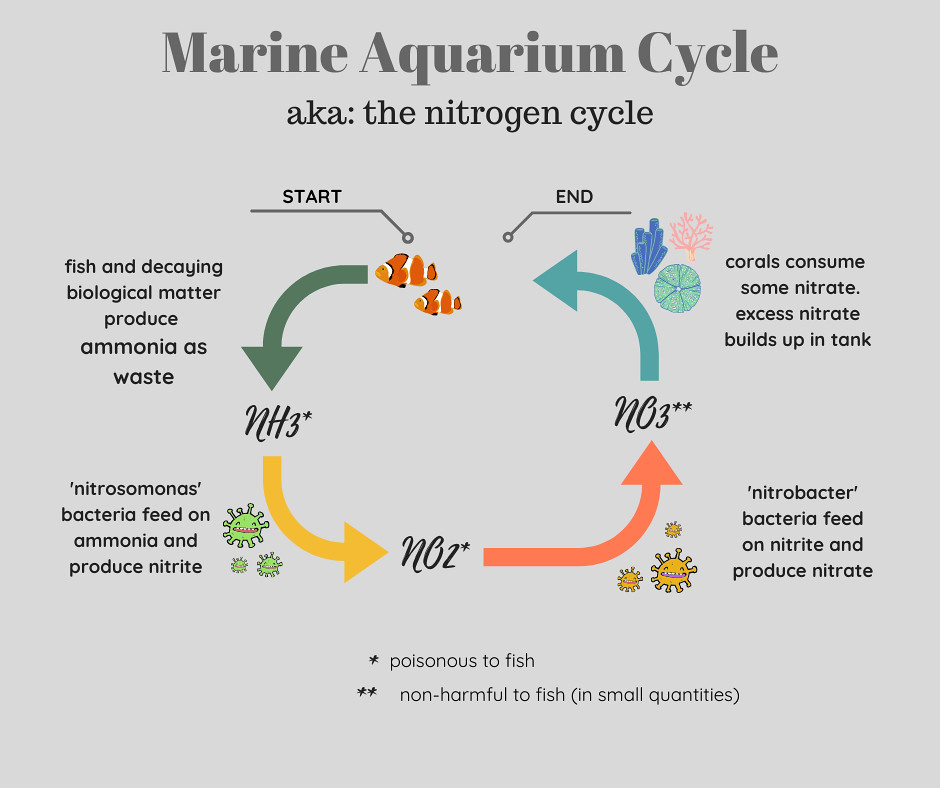
Ammonia And Nitrite Limits
| Parameter | Safe Range (ppm) | Notes |
| Ammonia (NH3/NH4+) | 0 | Highly toxic, must be zero |
| Nitrite (NO2-) | 0 | Also toxic, keep undetectable |
Measuring And Testing Tools
Maintaining the right water conditions is key for saltwater tanks. Accurate measurement tools help keep water safe for fish and corals. Testing regularly ensures the tank stays healthy and balanced.
Many tools are available to test saltwater parameters. Each tool checks different elements like salinity, pH, or nutrients. Using the right tools makes tank care easier and more effective.
Refractometers And Hydrometers
Refractometers and hydrometers measure salt levels in water. Refractometers use light to give precise readings. Hydrometers float and measure water density. Both help keep salinity at ideal levels for marine life.
Ph Meters And Test Kits
pH meters show the acidity or alkalinity of water. Digital meters give fast and accurate results. Test kits use color changes to show pH levels. Keep pH between 8.0 and 8.4 for healthy saltwater tanks.
Alkalinity Test Methods
- Titration kits measure alkalinity by adding a reagent.
- Test strips provide a quick alkalinity estimate.
- Electronic testers offer precise alkalinity readings.
Alkalinity helps stabilize pH. Keep alkalinity between 8 and 12 dKH for most saltwater tanks.
Calcium And Magnesium Testing
| Parameter | Ideal Range | Testing Method |
| Calcium | 400-450 ppm | Liquid test kits or electronic testers |
| Magnesium | 1250-1350 ppm | Liquid test kits or digital meters |
Calcium and magnesium support coral growth. Testing keeps these minerals at safe levels.
Nitrate And Phosphate Test Strips
Test strips check nitrate and phosphate levels quickly. High levels can harm fish and corals. Use strips often to catch nutrient spikes early. Aim for nitrate under 20 ppm and phosphate under 0.03 ppm.
Maintaining Stable Conditions
Keeping a saltwater tank healthy requires careful attention to water conditions. Stability is key for thriving marine life.
Changes in water parameters can stress fish and corals. Regular monitoring and adjustments help maintain balance.
Regular Water Changes
Water changes are essential for removing toxins and replenishing minerals. They help keep the tank environment stable.
- Perform weekly water changes of 10-15%
- Use a siphon to remove debris from the substrate
- Mix new water a day before the change
Using Ro/di Water
RO/DI water is purified and free from impurities. It’s ideal for saltwater aquariums to prevent algae and other issues.
Proper Filtration Systems
Filtration systems keep the water clean and clear. They remove waste and help maintain water quality.
| Type | Function |
| Mechanical | Removes particles |
| Chemical | Eliminates toxins |
| Biological | Supports bacteria |
Managing Evaporation
Evaporation changes salinity levels. It’s important to top off the tank with fresh water regularly.
Automated Dosing Systems
Automated dosing systems add supplements consistently. They help maintain calcium, alkalinity, and magnesium levels.
Credit: spec-tanks.com
Adjusting Parameters Safely
Keeping saltwater tanks healthy means watching water parameters closely. Sudden changes can stress or harm fish and corals.
Adjust parameters slowly and carefully. This helps your tank life adapt without shock.
Increasing And Decreasing Salinity
Salinity is the salt level in your tank water. It must stay within a safe range for marine life.
Raise or lower salinity by adding fresh water or saltwater little by little. Do this over several hours or days.
- Use a refractometer or hydrometer to check salinity.
- Add small amounts of saltwater to increase salinity.
- Add fresh water to decrease salinity.
- Aim for a salinity of 1.023 to 1.025 specific gravity.
- Change no more than 0.002 at a time.
Balancing Ph Levels
pH shows how acidic or basic your tank water is. Saltwater tanks do best with a pH near 8.1 to 8.4.
Raise pH by adding buffers or increasing aeration. Lower pH slowly using peat or chemical additives made for aquariums.
- Test pH regularly with a reliable kit.
- Make changes in small steps to avoid stress.
- Keep pH stable for healthy tank life.
Correcting Alkalinity
Alkalinity keeps pH stable. It should stay between 8 and 12 dKH in saltwater tanks.
Raise alkalinity by adding baking soda or commercial buffers. Lower it by diluting water with fresh water.
- Test alkalinity with a test kit.
- Add small amounts of baking soda to increase alkalinity.
- Do partial water changes to reduce high alkalinity.
- Make changes slowly over several days.
Supplementing Calcium And Magnesium
Calcium and magnesium help corals and shells grow strong. Calcium should be 400-450 ppm and magnesium 1250-1350 ppm.
Add supplements slowly to keep these minerals balanced. Avoid sudden spikes to protect tank life.
- Use test kits for calcium and magnesium levels.
- Add calcium supplements in small doses.
- Use magnesium supplements if levels drop.
- Keep a log to track changes over time.
Reducing Nitrate And Phosphate
Nitrate and phosphate cause algae growth and harm tank health if too high. Keep nitrate below 20 ppm and phosphate below 0.03 ppm.
Lower these by doing regular water changes and using phosphate removers. Avoid overfeeding fish to reduce waste.
- Test nitrate and phosphate levels weekly.
- Change 10-20% of water weekly to reduce buildup.
- Use chemical filters or media to remove phosphates.
- Feed fish only what they eat quickly.
Impact On Marine Life
Maintaining ideal water parameters is vital for saltwater tanks. It affects all marine life inside.
Fish, corals, and invertebrates need stable conditions to stay healthy and vibrant.
Effects On Fish Health
Fish react quickly to changes in water quality. Poor conditions cause stress and disease.
- Correct salinity keeps fish hydrated and active.
- Stable pH prevents damage to gills and skin.
- Proper temperature supports immune function.
- Low ammonia and nitrite avoid poisoning.
Coral Growth And Coloration
Corals need specific water parameters to grow and show bright colors. Small changes can harm them.
| Parameter | Ideal Range | Effect on Corals |
| Calcium | 400-450 ppm | Supports skeleton formation |
| Alkalinity | 8-12 dKH | Maintains pH stability |
| Magnesium | 1250-1350 ppm | Helps calcium absorption |
| Nitrate | 0-5 ppm | Too high causes algae growth |
Invertebrate Sensitivity
Many invertebrates like shrimp and crabs are sensitive to water changes. They need clean, stable water.
Key points for invertebrate care:
- Keep ammonia and nitrite at zero.
- Maintain stable salinity and temperature.
- Avoid heavy metals and pollutants.
- Provide proper oxygen levels.
Algae Control
Water parameters control algae growth. Balanced nutrients stop harmful algae from taking over.
- Low nitrate and phosphate limit algae food.
- Proper lighting duration prevents algae bloom.
- Good water flow reduces algae buildup.
- Regular water changes keep parameters balanced.

Credit: www.amazon.com
Common Issues And Solutions
Maintaining ideal water parameters in saltwater tanks is vital for healthy marine life. Problems can arise when these parameters fluctuate beyond safe limits.
This guide covers common issues and practical solutions to keep your tank stable and thriving.
Parameter Fluctuations
Sudden changes in temperature, pH, salinity, or nitrate levels stress fish and corals. These fluctuations often come from poor maintenance or equipment failure.
- Check and adjust temperature daily using a reliable heater and thermometer.
- Test pH and salinity levels weekly and adjust with additives if needed.
- Perform regular water changes to keep nitrate and phosphate low.
- Use quality test kits to monitor parameters accurately.
- Inspect equipment like filters and pumps for proper function.
Algae Blooms
Excess nutrients and light cause algae to grow quickly, clouding water and harming tank life. Controlling algae is key to a balanced tank.
| Cause | Solution |
| High nitrate and phosphate | Do regular water changes and reduce feeding |
| Too much light | Limit lighting hours to 8-10 hours daily |
| Poor water flow | Increase circulation with powerheads or pumps |
| Lack of algae-eating fish or invertebrates | Add snails, crabs, or fish that eat algae |
Coral Bleaching
Coral bleaching happens when corals lose their color due to stress. This usually results from poor water quality or too much light.
- Keep stable temperature between 75°F and 80°F (24°C to 27°C).
- Maintain proper salinity around 1.025 specific gravity.
- Ensure moderate lighting; avoid sudden changes in brightness.
- Test and keep alkalinity, calcium, and magnesium at correct levels.
- Reduce pollutants by avoiding overfeeding and cleaning detritus.
Fish Stress Symptoms
Fish stress shows as rapid breathing, hiding, or loss of appetite. Stress lowers immunity and can lead to disease.
| Symptom | Possible Cause | Solution |
|---|---|---|
| Rapid gill movement | Low oxygen or poor water quality | Increase aeration and do water change |
| Hiding or erratic swimming | New tank or aggressive tank mates | Provide hiding spots and remove aggressive fish |
| Loss of appetite | Illness or poor water conditions | Check water parameters and consult vet if needed |
| Color fading | Stress or disease | Improve water quality and reduce stressors |
Advanced Tips For Experienced Hobbyists
Saltwater tanks need careful attention to water parameters. Experienced hobbyists use advanced tools to keep tanks healthy.
Controlling salinity, nutrients, and water quality helps corals and fish thrive. This guide covers key techniques.
Implementing Auto Top-off Systems
Auto top-off systems keep water levels steady by adding fresh water. This helps maintain stable salinity in your tank.
Place the sensor where evaporation is highest. Check the system often to avoid overfilling or leaks.
- Use distilled or RO/DI water for topping off
- Regularly clean sensors and reservoirs
- Set alarms for low water or pump failure
Using Protein Skimmers Effectively
Protein skimmers remove organic waste before it breaks down. This keeps water cleaner and reduces toxins.
Adjust the air and water flow for fine bubbles. Check the skimmer cup often and clean it to keep performance high.
- Place skimmer in a stable water flow area
- Use a needle wheel pump for better bubbles
- Clean skimmer parts monthly for efficiency
Refining Dosing Techniques
Dosing adds needed elements like calcium and alkalinity. Use precise amounts to avoid spikes or drops.
Test water regularly to track changes. Use automated dosers for consistent delivery and fewer mistakes.
- Measure parameters before dosing
- Keep a dosing schedule and log
- Adjust doses based on test results
Monitoring With Digital Controllers
Digital controllers track water parameters like temperature and pH. They alert you to changes that need quick fixes.
Connect controllers to pumps and heaters for automatic adjustments. Check the data daily to ensure tank stability.
- Calibrate sensors regularly
- Set safe parameter ranges for alerts
- Use controllers with remote monitoring
Credit: www.thereeftank.com
Frequently Asked Questions
What Is The Ideal Salinity For Saltwater Tanks?
The ideal salinity for saltwater tanks ranges between 1. 023 and 1. 025 specific gravity. This level supports marine life health and growth. Maintaining stable salinity is crucial to avoid stress and disease in tank inhabitants.
How Often Should I Test Water Parameters In Saltwater Tanks?
Test water parameters at least once a week. Frequent testing helps detect changes early, ensuring a stable environment. Key parameters include pH, salinity, ammonia, nitrite, and nitrate levels.
What Is The Best Ph Range For Saltwater Aquariums?
The best pH range for saltwater aquariums is between 8. 1 and 8. 4. This range mimics natural seawater conditions, promoting coral and fish health. Consistent pH helps prevent stress and supports biological functions.
Why Is Ammonia Control Important In Saltwater Tanks?
Ammonia is toxic to marine life even at low levels. Controlling ammonia ensures fish and coral safety. Regular water changes and proper filtration help keep ammonia near zero.
Conclusion
Maintaining ideal water parameters keeps saltwater tanks healthy. Regular testing helps catch problems early. Stable temperature, salinity, and pH support fish and coral life. Avoid sudden changes to prevent stress and disease. Clean water means happier, longer-living marine animals. Small efforts make a big difference in tank success.
Keep your saltwater tank balanced for a vibrant underwater world.