
If you have a heavily stocked tank, you know how important it is to keep your aquatic friends comfortable and healthy. Choosing the right heater can make all the difference in maintaining stable water temperatures, preventing stress, and ensuring your fish thrive.
But with so many options out there, how do you find the perfect heater that suits your tank’s needs? Keep reading, because we’ll guide you through everything you need to know to pick the best heater for your heavily stocked tank and keep your underwater environment just right.
Choosing The Right Heater
Keeping heavily stocked tanks warm is important for fish health. A good heater keeps the water temperature steady.
Choosing the right heater means thinking about tank size, heater type, and material. These factors help you pick the best option.
Types Of Heaters For Stocked Tanks
There are different heaters for tanks. Submersible heaters go inside the tank. Inline heaters fit in the filter system.
There are also substrate heaters that warm the tank bottom. Each type works well for certain tank setups.
- Submersible Heaters:Easy to install and control.
- Inline Heaters:Heat water before it enters the tank.
- Substrate Heaters:Warm the tank floor gently.
Wattage And Size Considerations
Choose heater wattage based on tank size. Larger tanks need higher wattage to keep warm.
Use about 3 to 5 watts per gallon of water. Check the heater size fits well inside the tank.
- Small tanks (up to 10 gallons): 25-50 watts
- Medium tanks (10-50 gallons): 100-200 watts
- Large tanks (50+ gallons): 300 watts or more
Material And Durability
Heater materials affect safety and lifespan. Glass heaters are common but can break easily.
Stainless steel heaters last longer and resist damage. Choose materials that stand up to tank conditions.
- Glass: Clear and easy to see, but fragile.
- Stainless steel: Strong and durable, good for busy tanks.
- Plastic parts: Check for heat resistance and quality.
Credit: www.homehardware.ca
Factors Affecting Heating Efficiency
Heating efficiency is key for tanks with many fish. It helps keep water at the right temperature. This supports fish health and growth.
Several factors change how well a heater works. These include tank size, fish amount, and how water moves. Understanding these helps keep water warm and stable.
Tank Size And Stocking Density
Large tanks need more heat than small ones. Tanks with many fish also use more heat. Fish take heat from water, so more fish means more heat loss.
- Big tanks cool down slower but need stronger heaters.
- High stocking density means heaters work harder.
- Low fish numbers reduce heat demand.
Ambient Temperature Impact
Room or outdoor temperature affects heater work. Cold surroundings make tanks lose heat fast. Warm surroundings help keep heat inside the tank.
| Ambient Temperature | Heating Demand |
| Below 60°F (15°C) | High |
| 60°F to 75°F (15°C – 24°C) | Medium |
| Above 75°F (24°C) | Low |
Water Circulation And Heat Distribution
Good water flow spreads heat evenly. Poor circulation creates cold spots. These areas stress fish and reduce heater efficiency.
- Use water pumps or filters to move water.
- Place heaters where water flows well.
- Check for blocked or slow-moving zones.
- Mix warm and cool water to keep temperature stable.
Installation Tips
Installing a heater in a heavily stocked tank needs careful planning. Proper setup helps keep water warm and fish safe.
This guide shares simple tips for placing, wiring, and ensuring safety during heater installation.
Placement For Optimal Heating
Place the heater where water flows well. This spreads heat evenly across the tank.
Avoid spots near filters or air stones. These can cause uneven heating and stress fish.
- Install heater near water circulation areas
- Keep heater away from tank walls to prevent damage
- Submerge heater fully to maintain proper function
Safety Precautions
Check heater for cracks or damage before use. Damaged heaters can cause shocks or fires.
Use a heater guard to protect fish from burns. Keep cords dry and away from water spills.
- Inspect heater regularly for signs of wear
- Use a heater guard to cover the heating element
- Keep power cords elevated and dry
- Do not use heaters without a ground fault circuit interrupter (GFCI)
Wiring And Power Supply
Use a dedicated power outlet for the heater. Avoid sharing sockets with other devices.
Check that the heater’s power rating matches the outlet. Use waterproof plugs and cables for safety.
- Plug heater into a GFCI-protected outlet
- Ensure power cord is rated for wet environments
- Do not use extension cords or power strips
- Turn off power before handling the heater
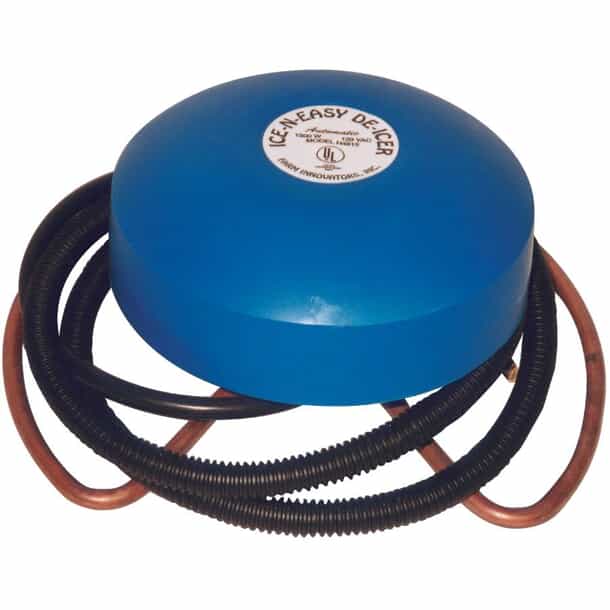
Credit: www.homehardware.ca
Maintaining Your Heater
Keeping your heater in good condition is key for heavily stocked tanks. Regular care prevents problems and saves money.
This guide covers cleaning, fixing issues, and making your heater last longer. Follow these tips for best results.
Cleaning And Inspection
Clean your heater every few weeks to remove dirt and algae. Check parts for damage or wear to ensure safety.
- Unplug the heater before cleaning.
- Use a soft cloth to wipe the surface.
- Remove any buildup on the heating element.
- Inspect power cords for cracks or frays.
- Check seals and joints for leaks.
Troubleshooting Common Issues
If your heater stops working or heats unevenly, check simple causes first. Many issues have easy fixes.
| Issue | Possible Cause | Action |
| No power | Unplugged or tripped breaker | Plug in and reset breaker |
| Heater not heating | Thermostat set too low | Increase thermostat setting |
| Overheating | Blocked water flow | Clear debris around heater |
| Strange noises | Loose parts | Tighten screws and mounts |
Extending Heater Lifespan
Proper use and care keep your heater working longer. Avoid common mistakes that shorten its life.
- Always use the heater within its recommended tank size.
- Do not drop or hit the heater.
- Keep the heater submerged while in use.
- Turn off the heater before removing it from water.
- Store in a dry, safe place during tank cleanings.
Energy Efficiency Strategies
Keeping your heavily stocked tank warm can use a lot of energy. There are smart ways to save power without losing heat. Let’s explore some key strategies.
Efficient heating can help save money and protect the environment. Here are some tips to make your tank more energy-efficient.
Using Timers And Thermostats
Timers and thermostats help control when your heater is on or off. This can reduce energy waste.
- Set timers to run only during cooler times.
- Adjust the thermostat to a lower setting when not needed.
- Use digital thermostats for precise control.
Insulating Your Tank
Insulation helps keep the heat inside the tank. This reduces the need for continuous heating.
Wrap the tank with a special insulation blanket. This keeps the water warm longer.
Alternative Heating Methods
Explore other ways to heat your tank that use less energy. Solar heaters and heat pumps are options to consider.
| Method | Energy Source |
| Solar Heater | Sunlight |
| Heat Pump | Electricity |
| Gas Heater | Natural Gas |
Signs Of Overheating And Solutions
Keeping the right temperature in heavily stocked tanks is very important. Overheating can hurt fish and plants. Knowing the signs helps you act fast.
This guide explains how to watch water temperature, avoid stress in aquatic life, and what to do in emergencies.
Monitoring Water Temperature
Use a reliable thermometer to check water temperature daily. Look for sudden changes or readings above safe limits for your species.
- Check temperature twice a day: morning and evening
- Use digital or glass thermometers for accuracy
- Note temperature trends over several days
- Keep backup thermometers in case one breaks
Preventing Stress On Aquatic Life
Fish and plants get stressed if water gets too warm. Stress can cause illness or death. Keep water cool and oxygen levels high.
| Sign of Stress | Possible Cause | Solution |
| Gasping at surface | Low oxygen from heat | Increase aeration |
| Faded colors | Heat stress | Lower water temperature |
| Erratic swimming | Overheating | Provide shade or cooling |
Emergency Measures
If the tank overheats, act fast to protect your aquatic life. Use these steps to cool the water and reduce harm.
- Turn off heaters and lights
- Add cool water slowly to avoid shock
- Increase air flow with fans or aerators
- Use shade covers to block sunlight
- Consider partial water changes if needed
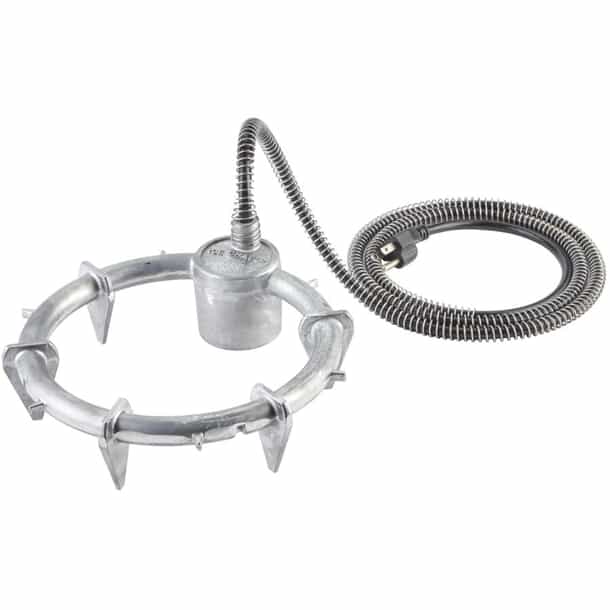
Credit: www.homehardware.ca
Frequently Asked Questions
What Size Heater Is Best For Heavily Stocked Tanks?
Choose a heater that matches your tank’s volume and fish load. Oversized heaters ensure stable temperature in densely stocked tanks. Calculate wattage as 3-5 watts per gallon for best results.
How To Prevent Overheating In Heavily Stocked Tank Heaters?
Use a reliable thermostat to regulate heater temperature precisely. Avoid placing the heater near water flow outlets. Regularly monitor water temperature to prevent overheating risks.
Can Heater Placement Affect Temperature In Dense Fish Tanks?
Yes, placing the heater near water circulation improves heat distribution. Avoid corners or stagnant water areas for better temperature stability. Proper placement ensures even warmth for all fish.
What Safety Features Are Important In Tank Heaters?
Look for heaters with automatic shut-off to prevent overheating. Shatterproof glass and waterproof designs enhance safety in aquatic environments. These features protect both fish and equipment.
Conclusion
Choosing the right heater keeps your tank safe and healthy. It helps maintain steady water temperature for all fish. Avoiding sudden cold or hot changes reduces stress in fish. Proper heating supports growth and prevents diseases. Regular checks ensure the heater works well and lasts longer.
A good heater means happier fish and a cleaner tank. Simple steps can make a big difference in tank care. Keep your tank warm, stable, and comfortable for your fish.