
If you want your tropical fish to thrive and show their brightest colors, understanding the light spectrum is key. The right lighting doesn’t just make your aquarium look beautiful—it plays a huge role in your fish’s health and behavior.
Imagine giving your fish a natural environment where they feel comfortable, active, and stress-free. That’s exactly what the perfect light spectrum can do for your underwater friends. Keep reading to discover how you can easily create the best lighting setup and unlock the secret to a healthier, happier aquarium.
Light Spectrum Basics
Light is important for tropical fish health. It affects their behavior and growth.
The light spectrum shows all the colors light can have. Different colors help fish in different ways.
Visible Light And Wavelengths
Visible light is the part of the spectrum we can see. It has many colors like red, blue, and green.
Each color has a wavelength. Wavelengths are the distance between light waves. They affect how light looks and feels.
- Red light has a long wavelength
- Blue light has a short wavelength
- Green light is in the middle
Types Of Aquarium Lighting
Aquariums use different lights to help fish and plants. Each type gives off different colors and brightness.
Common types are LED, fluorescent, and incandescent lights. LED lights use less energy and last longer.
- LED lighting: bright and energy-saving
- Fluorescent lighting: soft and good for plants
- Incandescent lighting: warm but uses more energy
Natural Vs Artificial Light
Natural light comes from the sun. It gives all colors in the light spectrum.
Artificial light is made by bulbs. It can mimic natural light but may lack some colors.
- Natural light changes with time and weather
- Artificial light stays steady and is easy to control
- Both types affect fish health and plant growth

Credit: www.glowrium.com
Effects Of Light On Tropical Fish
Light plays a big role in the health of tropical fish. Different light colors affect their behavior and growth.
Using the right light helps fish stay healthy and show their best colors. It also supports their natural habits.
Behavioral Changes
Light affects how tropical fish act in their tanks. Some fish become more active under certain lights.
Fish may hide or swim less if the light is too bright or too dim. Proper lighting helps them feel safe.
- Bright light encourages activity in many fish
- Dim light can cause fish to hide or rest more
- Natural light cycles help regulate fish sleep patterns
Color Enhancement
Light helps tropical fish show their true colors. Certain light spectrums make colors look brighter.
Blue and white lights are often used to bring out vibrant reds and blues in fish scales.
- Blue light enhances blues and greens
- White light shows natural colors clearly
- Red light can make reds and oranges stand out
Growth And Health Impact
Light affects fish growth and overall health. Proper light helps fish develop well and stay strong.
Plants in the tank also need light to grow. Healthy plants improve water quality for fish.
- Light supports fish metabolism and immune system
- Balanced light cycles reduce fish stress
- Good light helps aquatic plants grow and oxygenate water
Ideal Light Spectrum For Tropical Fish
Light plays a key role in the health of tropical fish. The right colors and brightness help fish stay active and colorful. Knowing the ideal light spectrum helps create a good environment for fish.
This guide covers the important parts of light that tropical fish need. It focuses on blue and white light, red and green light, and UV light effects.
Blue And White Light Balance
Blue and white lights together mimic natural sunlight in water. Blue light helps fish see clearly and supports their natural behavior. White light adds brightness and shows fish colors well.
- Blue light supports healthy fish activity at all times.
- White light enhances color and visibility in the tank.
- A mix of both gives a natural look and feel.
- Too much white light can stress fish, so balance is key.
Red And Green Light Benefits
Red and green lights help tropical fish in different ways. Red light can boost fish metabolism and growth. Green light supports plant life in the aquarium, which improves water quality.
| Light Color | Benefit |
| Red | Boosts metabolism and growth |
| Green | Supports healthy plants and oxygen levels |
Uv Light Considerations
UV light can help control harmful bacteria in the tank. It also supports vitamin D production in fish. But too much UV light can harm fish and plants, so use it carefully.
Tips for safe UV light use:
- Use UV light for short periods daily.
- Choose UV bulbs made for aquariums.
- Monitor fish behavior for stress signs.
Choosing Aquarium Lights
Proper lighting is essential for tropical fish health. It supports their natural behaviors and helps plants grow.
Choosing the right light depends on many factors. This guide covers the main points to consider.
Led Vs Fluorescent Lighting
LED lights last longer and use less energy than fluorescent lights. They also produce less heat, which keeps the tank cooler.
- LED lights offer better color options
- Fluorescent lights are usually cheaper upfront
- LEDs are more durable and break less easily
- Fluorescent tubes need more frequent replacement
Light Intensity And Duration
Fish and plants need the right light intensity to stay healthy. Too much light can stress fish and cause algae growth.
| Light Intensity | Effect on Fish | Effect on Plants |
| Low | Fish may hide more | Plants grow slowly |
| Moderate | Fish active and healthy | Plants thrive well |
| High | Fish stressed | Plants grow fast but algae grows too |
Most aquariums need about 8 to 10 hours of light each day. Use a timer for consistent lighting.
Energy Efficiency And Cost
Energy use affects the cost of running your aquarium. LED lights use less electricity than fluorescent bulbs.
- LEDs cost more at first but save money over time
- Fluorescent lights are cheaper to buy but use more power
- Replacing fluorescent bulbs often adds to cost
- LEDs produce less heat, lowering cooling costs
Lighting Setup Tips
Proper lighting is crucial for tropical fish health. It helps in simulating their natural environment. Good lighting also enhances their colors and growth.
With the right setup, you can create a healthy and vibrant aquarium. Let’s explore how to optimize your lighting for tropical fish.
Positioning And Angles
The position of your lights affects how well your fish thrive. Proper angles ensure even light distribution. This reduces stress on fish and prevents dark spots in the tank.
Place lights above the tank for natural light simulation. Angling lights slightly downward helps cover all areas. This setup mimics sunlight and benefits fish health.
Timers And Automation
Timers help maintain a consistent lighting schedule. Fish need regular day and night cycles. Automation ensures lights turn on and off at the right times.
Set timers for 10 to 12 hours of light daily. This imitates a natural tropical environment. Regular cycles promote healthy fish behavior.
- Set timers to turn on in the morning
- Turn off lights in the evening for rest
- Use smart plugs for easy automation
Avoiding Algae Overgrowth
Too much light can lead to algae overgrowth. Algae competes with fish for nutrients. Keeping algae in check is crucial for a clean tank.
Use lights with a spectrum that limits algae growth. Blue and green lights often promote algae. Balance the light spectrum for healthy plants and fish.
- Reduce light exposure if algae appears
- Choose bulbs that limit algae-promoting colors
- Regularly clean the tank to remove excess algae

Credit: www.amazon.ca
Special Lighting For Plants And Corals
Light plays a key role in keeping tropical fish tanks healthy. It helps plants grow and corals thrive. Using the right light spectrum supports life under the water.
Different organisms need different types of light. Plants and corals require special lighting to support their unique needs. We will explore how to provide the best light for both.
Photosynthesis And Spectrum Needs
Plants use light to make food through photosynthesis. They need blue and red light for this process. Blue light helps leaf growth. Red light supports flowering and root growth.
- Blue light (400-500 nm) helps chlorophyll absorb energy.
- Red light (600-700 nm) triggers photosynthesis and growth.
- Green light (500-600 nm) is less used but improves plant color.
Combining Fish And Plant Lighting
Fish need light too, but not as intense as plants. Combining lighting for both means balancing brightness and spectrum. Avoid too much light to reduce algae growth.
| Lighting Aspect | Plants | Fish |
| Light Intensity | Moderate to High | Low to Moderate |
| Spectrum | Blue and Red | Full Spectrum (Natural) |
| Duration | 8-12 hours | 8-10 hours |
Coral-specific Light Requirements
Corals need light to support their symbiotic algae. These algae perform photosynthesis and feed the coral. Corals require strong light in blue and violet ranges.
Key coral light needs:
- High intensity blue light (420-460 nm)
- UV light for color and growth
- Balanced spectrum to mimic natural reef sunlight
Monitoring And Adjusting Light
Light plays a big role in the health of tropical fish. It affects their color, behavior, and overall well-being. Watching how your fish react to light helps you keep them healthy.
Adjusting the light spectrum means changing the color and intensity of light to fit your fish’s needs. This can improve their comfort and reduce stress.
Signs Of Light Stress In Fish
Fish can show stress if the light is too strong or the wrong color. Look for changes in behavior or appearance to spot stress early.
- Faded or dull colors
- Hiding more than usual
- Loss of appetite
- Erratic swimming
- Clamped fins
Adjusting Spectrum For Different Species
Different fish species need different light colors. Some prefer bright light, while others do better with dim or blue light. Adjust the spectrum based on the fish type.
| Fish Species | Preferred Light Spectrum | Light Intensity |
| Discus | Soft white to blue | Low to medium |
| Neon Tetra | Blue to white | Medium |
| Cichlids | Full spectrum white | High |
| Betta | Warm white | Low |
Seasonal Light Changes
Light changes with the seasons affect fish behavior. Adjust your aquarium lighting to match these changes for better fish health.
- Use timers to mimic natural day length
- Reduce light intensity in winter months
- Increase blue spectrum light in summer
- Monitor fish for stress during changes
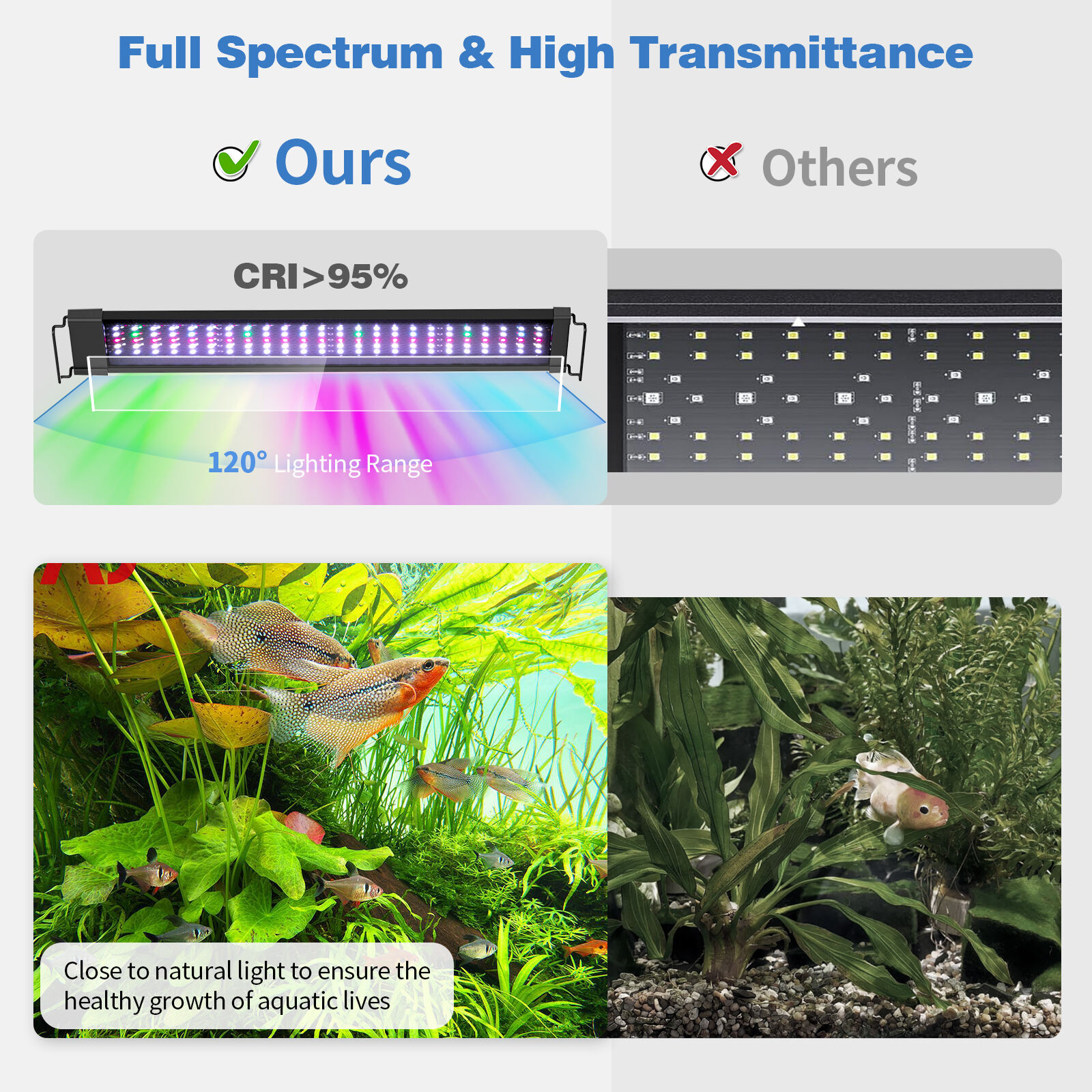
Credit: www.taucken.com
Common Lighting Mistakes
Lighting is key for a healthy tropical fish tank. Mistakes can harm fish health and tank beauty.
Understanding common errors helps maintain a balanced aquatic environment.
Overexposure Risks
Too much light can lead to problems. Algae growth becomes uncontrollable and water quality suffers.
- Algae blooms cover tank surfaces
- Fish stress increases due to constant light
- Water temperature rises, affecting fish health
Underlighting Issues
Insufficient lighting affects plant growth and fish activity. A dim tank can appear dull and lifeless.
| Problem | Effect |
| Poor plant growth | Plants may die off |
| Inactive fish | Fish remain hidden |
| Dark tank appearance | Unattractive environment |
Ignoring Fish Species Needs
Different fish species need different light levels. Ignoring these needs can lead to stress and disease.
Frequently Asked Questions
What Is The Ideal Light Spectrum For Tropical Fish Health?
The ideal light spectrum mimics natural sunlight, including blue and white wavelengths. This promotes fish growth, color vibrancy, and overall health. Proper lighting supports photosynthesis in aquatic plants, balancing oxygen levels and creating a healthy environment for tropical fish.
How Does Light Spectrum Affect Tropical Fish Behavior?
Light spectrum influences fish activity, feeding, and breeding. Blue and white light reduces stress and encourages natural behaviors. Incorrect lighting can cause lethargy or aggression. Using the right spectrum helps maintain a stable, calm aquarium environment for tropical fish.
Can Improper Lighting Harm Tropical Fish Health?
Yes, improper lighting can cause stress, weakened immunity, and poor coloration. Too much or too little light disrupts fish circadian rhythms. Balanced light spectrum and duration are crucial to prevent health issues and support tropical fish vitality.
Why Is Blue Light Important For Tropical Fish Tanks?
Blue light penetrates water deeply, enhancing fish color and promoting plant growth. It simulates dawn and dusk, reducing fish stress. Blue wavelengths help maintain a natural day-night cycle, essential for tropical fish health and wellbeing.
Conclusion
Choosing the right light spectrum helps tropical fish stay healthy. Light affects their colors, growth, and behavior. Blue and white light often work best for most fish. A balanced light cycle supports their natural rhythms. Avoid too much light to prevent stress and algae.
Regularly check your aquarium light settings. Small changes make a big difference in fish health. Bright, clear water makes fish look vibrant and happy. Proper lighting creates a peaceful, natural environment for your fish. Keep their light needs in mind for a thriving aquarium.