
Keeping your aquarium at the perfect temperature is key to your fish’s health and happiness. But how can you be sure you’re getting it right all the time?
That’s where smart aquarium temperature devices come in. These gadgets take the guesswork out of monitoring and controlling your tank’s climate. Imagine having real-time updates and automatic adjustments right at your fingertips. If you want to protect your aquatic friends and make your life easier, keep reading to discover how these smart tools can transform your aquarium care.
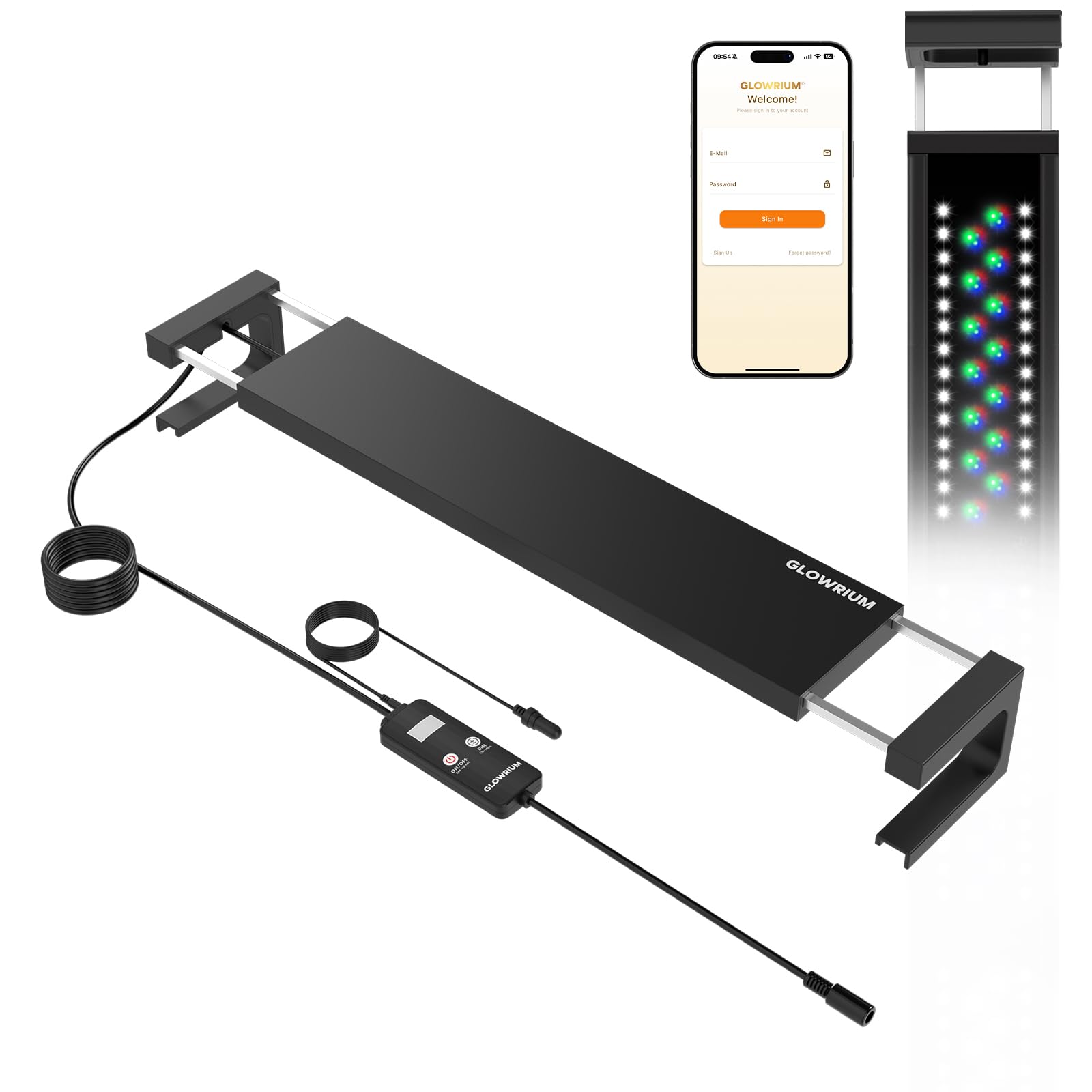
Credit: www.amazon.com
Why Temperature Matters
Temperature plays a key role in keeping aquarium fish healthy. The right temperature helps fish live longer and stay active.
Smart aquarium temperature devices help maintain stable water temperature. Stable temperature reduces stress and keeps fish comfortable.
Impact On Fish Health
Fish need specific temperatures to stay healthy. Too hot or too cold water can cause illness or death.
Temperature changes can weaken fish immune systems. This makes fish more likely to get sick from bacteria or parasites.
- Cold water slows fish metabolism and immune response
- Warm water increases oxygen demand and stress
- Stable temperature helps prevent diseases
Behavioral Changes
Fish behavior depends on water temperature. When temperature changes, fish may act differently.
Too cold water can make fish slow and inactive. Too warm water can cause fish to swim frantically or hide.
- Proper temperature keeps fish active and alert
- Temperature drops cause fish to rest more
- High temperatures may lead to aggression
Breeding And Growth
Fish grow best at the right temperature. Breeding also depends on stable water temperature.
Temperature affects egg development and fry survival. Incorrect temperature can stop breeding or cause weak babies.
- Optimal temperature speeds up growth
- Consistent warmth helps eggs hatch well
- Temperature swings can harm fry survival
Types Of Temperature Devices
Smart aquarium temperature devices help keep fish safe. They keep water at the right temperature.
Different devices measure or control temperature. Each device has a special role in the aquarium.
Thermometers
Thermometers show the water temperature inside the tank. They help monitor the environment for fish.
There are many types of thermometers. Some stick to the glass, and others float in the water.
- Digital thermometers show exact numbers on a screen.
- Glass thermometers use a liquid that moves with temperature changes.
- Stick-on thermometers attach to the outside of the tank.
Heaters
Heaters warm the aquarium water to keep it at a steady temperature. They stop the water from getting too cold.
Heaters come in different sizes for small or large tanks. Some have built-in thermostats to control heat.
- Submersible heaters go inside the water.
- In-line heaters heat water as it flows through a filter system.
- Adjustable heaters allow setting the exact temperature.
Chillers
Chillers cool aquarium water when it gets too warm. They help keep fish safe in hot weather.
Chillers are useful for tropical fish needing cool water. They work by removing heat from the water.
- External chillers connect outside the tank.
- Some chillers combine with filters for easy setup.
- Thermostat controls keep water at the right cold temperature.
Smart Controllers
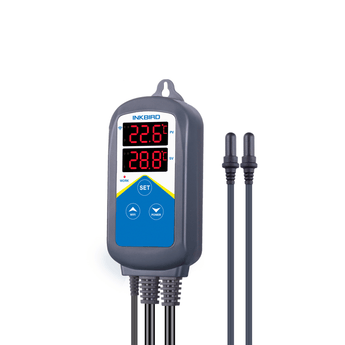
Smart controllers manage heaters and chillers automatically. They keep water temperature stable without manual work.
These devices connect to apps or computers. They alert owners if temperature changes suddenly.
- Monitor multiple devices at once.
- Set temperature ranges for safety.
- Receive alerts via phone or email.
Features Of Smart Devices
Smart aquarium temperature devices help keep water at the right heat. They use sensors and technology to monitor and adjust the temperature.
These devices improve fish health by avoiding sudden temperature changes. They also make aquarium care easier for owners.
Remote Monitoring
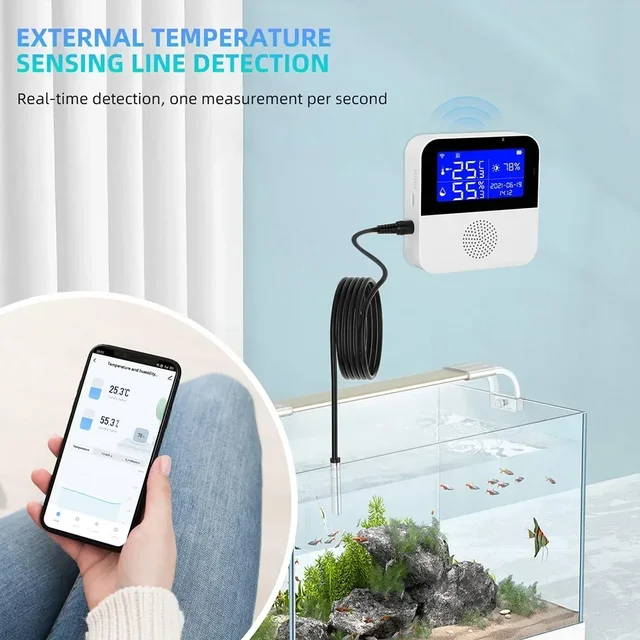
Smart devices let users check aquarium temperature from anywhere. You can use a phone or computer to see real-time data.
This feature helps catch problems early. You do not need to be near the tank to know its condition.
Automated Adjustments
The devices can change the heater or cooler settings on their own. They keep the temperature steady without manual work.
- Set desired temperature ranges
- Device changes temperature automatically
- Maintains safe levels for fish
- Reduces risk of temperature shock
Alerts And Notifications
Users get alerts if the temperature is too high or low. Notifications arrive by app message or email.
| Alert Type | Cause | User Action |
| High Temperature | Heater too hot | Turn off heater |
| Low Temperature | Heater failure | Check heater |
| Sensor Error | Device malfunction | Reset device |
Energy Efficiency
Smart devices save energy by adjusting only when needed. They avoid running heaters or coolers too long.
| Feature | Energy Benefit |
|---|---|
| Temperature Scheduling | Heater runs less at night |
| Precision Control | Less energy wasted on big swings |
| Power Saving Mode | Device uses low power when stable |
Credit: www.aliexpress.com
Choosing The Right Device
Smart aquarium temperature devices help keep your fish safe. They maintain the right water temperature automatically.
Choosing the right device depends on your tank size, fish needs, and budget. These factors guide your decision.
Tank Size Considerations
Large tanks need devices with strong heating or cooling power. Small tanks require less powerful devices.
Check the device’s temperature range and wattage. Match them with your tank’s volume for best results.
- Small tanks (under 20 gallons) use low wattage devices
- Medium tanks (20-50 gallons) need medium power devices
- Large tanks (over 50 gallons) require high power devices
Fish Species Needs
Different fish need different water temperatures. Tropical fish need warmer water than cold-water fish.
Choose a device that can keep the temperature stable for your fish species. Sudden changes can stress fish.
- Tropical fish: 75°F to 80°F (24°C to 27°C)
- Cold-water fish: 60°F to 70°F (15°C to 21°C)
- Brackish water fish: varies, check species needs
Budget And Quality
Higher quality devices last longer and work better. They keep temperature stable and have safety features.
Set a budget that balances cost and quality. Avoid very cheap devices that may fail quickly.
- Low budget: basic temperature control, limited features
- Mid budget: good accuracy, some smart functions
- High budget: precise control, smart alerts, durable build
Installation Tips
Installing a smart aquarium temperature device is simple. Follow these tips for a smooth setup.
Correct installation ensures accurate temperature readings. This helps keep your aquatic life healthy.
Placement Strategies
Place the device away from direct sunlight. This prevents false readings due to external heat.
Avoid placing it near heaters or filters. These areas may have fluctuating temperatures.
- Select a central location in the tank
- Ensure easy access for maintenance
- Avoid areas with strong water currents
Calibration And Testing
Calibrate the device before first use. This ensures accurate readings.
Testing helps verify the calibration. Use a separate thermometer for comparison.
- Follow manufacturer instructions for calibration
- Test readings at different tank locations
- Recalibrate if readings are inconsistent
Maintenance Practices
Regular maintenance keeps the device working well. Clean it to prevent algae build-up.
Check for battery life if the device is wireless. Replace batteries as needed.
- Clean the sensor monthly
- Inspect for physical damage
- Review settings every few months
Credit: inkbird.com
Common Issues And Solutions
Smart aquarium temperature devices help keep your fish safe. They control water temperature automatically. Sometimes, problems happen that need fixing. Knowing common issues helps you act fast.
This guide covers three common problems: temperature fluctuations, device malfunctions, and power outages. Read each section to learn simple solutions.
Temperature Fluctuations
Temperature changes can stress your fish. These happen if the device or environment is not stable. Check the thermometer and heater settings often.
- Make sure the device is placed away from direct sunlight.
- Check if the heater is the right size for your tank.
- Clean the sensor to remove dirt and algae.
- Use an aquarium cover to reduce heat loss.
Device Malfunctions
Devices may stop working due to wear or errors. Regular checks can spot issues early. Look for signs like no temperature reading or strange noises.
| Problem | Cause | Solution |
| No Power | Loose connection | Check plug and cables |
| Wrong Temperature | Faulty sensor | Replace sensor or device |
| Device Overheats | Blocked vents | Clean vents and fans |
Power Outages
Power outages stop the device from working. This can harm fish if the temperature changes fast. Prepare a backup plan to keep your tank safe.
Here are tips for power outage safety:
- Use a battery backup or UPS for your device.
- Keep warm water bottles ready to add heat if needed.
- Close tank lids to keep heat inside.
- Monitor water temperature closely until power returns.
Future Trends In Aquarium Tech
Smart aquarium temperature devices are changing how we care for fish tanks. These tools help keep water at the right temperature all the time.
New technology will make these devices even smarter. They will work better and use less energy to protect aquatic life.
Ai Integration
Artificial intelligence helps aquarium devices learn and adjust temperatures automatically. It can predict changes in water conditions and react fast.
AI systems can also analyze fish behavior. This helps keep the environment safe and healthy for all tank inhabitants.
Iot Connectivity
Internet of Things (IoT) lets aquarium devices connect to the internet. Owners can check and control temperature from their phones.
IoT devices send alerts if the temperature changes too much. This reduces risks and helps fix problems quickly.
- Remote monitoring and control
- Real-time alerts and notifications
- Data tracking for better care
Sustainable Innovations
New devices use less power to save energy. They also use eco-friendly materials that are safe for the environment.
Some temperature devices recycle heat to keep the tank warm. This lowers electricity use and costs over time.
- Energy-efficient heating and cooling
- Eco-friendly and recyclable parts
- Long-lasting and durable designs
Frequently Asked Questions
What Are Smart Aquarium Temperature Devices?
Smart aquarium temperature devices monitor and control water temperature automatically. They ensure a stable environment for fish and plants. These devices connect to apps for real-time alerts and adjustments. They improve aquarium health and reduce manual temperature checks.
How Do Smart Aquarium Temperature Devices Work?
These devices use sensors to measure water temperature continuously. They send data to a control unit or smartphone app. If temperature deviates, the device activates heaters or coolers. This keeps water temperature within the ideal range for aquatic life.
Why Use Smart Temperature Devices In Aquariums?
Smart devices prevent temperature fluctuations that stress fish and plants. They offer precise control, improving fish health and growth. Automated alerts help avoid emergencies. Users save time and effort on manual temperature monitoring and adjustments.
Are Smart Aquarium Temperature Devices Compatible With All Tanks?
Most smart temperature devices fit various tank sizes and types. However, compatibility depends on device specifications and tank setup. It’s important to check product details before buying. Some devices work better with freshwater or saltwater tanks.
Conclusion
Smart aquarium temperature devices help keep fish healthy and happy. They make it easy to control water temperature. You can avoid sudden changes that stress your fish. These devices save time and effort for aquarium owners. Many models offer alerts and automatic adjustments.
Choosing the right device improves your aquarium’s environment. A stable temperature means better fish growth and activity. Simple tools can make a big difference in fish care. Consider adding one to your setup for peace of mind. Smart devices bring comfort to both fish and owners.