
When winter arrives, your home’s warmth becomes your top priority. But are you sure your heating system is working at its best?
Small adjustments can make a big difference in comfort and energy bills. Imagine walking into a cozy, perfectly heated room without worrying about high costs or chilly spots. You’ll discover simple, effective winter heating adjustments that put you in control of your home’s temperature and your wallet.
Keep reading to learn how to stay warm smarter this season.

Credit: www.yahoo.com
Optimize Thermostat Settings
Adjusting your thermostat helps keep your home warm and saves energy. Small changes make a big difference in comfort and bills.
Winter heating needs careful thermostat settings. You can stay cozy while using less power.
Best Temperature For Comfort And Savings
Set your thermostat to 68°F (20°C) when you are home. This keeps rooms warm without wasting heat.
Lower the temperature by 7-10 degrees at night or when you are asleep. This saves energy without losing comfort.
- 68°F during the day for comfort
- 58-61°F at night for savings
- Avoid setting temperatures too high
Use Programmable Thermostats
Programmable thermostats can change the temperature automatically. You do not need to adjust it yourself all the time.
Set the thermostat to lower heat when you sleep or leave home. It will warm up before you return.
- Set heating schedules for different times
- Save energy by reducing heat when not needed
- Easy to program and use
Adjust Settings When Away
Lower your thermostat when you leave the house. This stops heating an empty home and cuts costs.
Keep the temperature above 55°F (13°C) to avoid frozen pipes in cold weather.
- Reduce heat during work hours or trips
- Keep minimum temperature to protect pipes
- Use smart or programmable thermostats for easy control
Seal And Insulate Your Home
Keeping your home warm in winter saves energy and money. Sealing and insulating stops cold air from entering your house.
Small changes can make a big difference in comfort and heating costs.
Identify Drafts And Leaks
Check areas where cold air can enter your home. Common places include windows, doors, and vents. Use a candle or incense stick and watch the smoke to find drafts.
- Look for gaps around window frames
- Check door bottoms and edges
- Inspect electrical outlets and switches
- Examine attic hatches and basement doors
- Feel for cold air near plumbing or wiring
Weatherstrip Doors And Windows
Weatherstripping blocks cold air from entering your home. It is easy to install and very effective. Use foam tape, felt, or rubber strips to seal gaps.
| Type | Best Use | Durability |
| Foam Tape | Windows and doors with small gaps | Short-term |
| Felt Strips | Old doors and windows | Medium |
| Rubber or Vinyl | High-traffic doors | Long-term |
Add Insulation To Key Areas
Insulation keeps heat inside your home. Focus on attics, basements, and walls. These places lose the most heat in winter.
- Install attic insulation to prevent heat loss through the roof
- Seal and insulate basement walls and floors
- Add insulation inside exterior walls if possible
- Use weather-resistant insulation materials for damp areas
Maintain Heating Systems
Keeping your heating system in good shape saves energy and keeps you warm. Regular care helps avoid breakdowns and high repair costs.
Simple tasks like cleaning filters and checking vents improve heat flow. Professional checks catch hidden problems early.
Clean Or Replace Filters
Dirty filters block air and lower heating efficiency. Clean or replace them every month during winter to keep air flowing well.
- Turn off your heating system before handling filters
- Remove the filter carefully
- If washable, rinse with water and let dry fully
- If disposable, replace with the correct size filter
- Reinstall the filter securely
Schedule Professional Tune-ups
Experts check your system for leaks, wear, and safety issues. They clean parts and adjust settings for best performance.
- Contact a certified heating technician
- Set an appointment before peak cold weather
- Ask for a full inspection and cleaning
- Follow technician advice on repairs or upgrades
Check Vents And Radiators
Blocked vents and cold radiators reduce heat in your home. Keep them clean and free of furniture or curtains.
| Check | Action |
|---|---|
| Air Vents | Remove dust and debris regularly |
| Radiators | Bleed trapped air using a radiator key |
| Furniture | Keep at least 12 inches clear from heating units |
Credit: www.temu.com
Use Alternative Heating Methods
Winter can make homes feel cold and uncomfortable. Using different heating methods helps keep warm without relying on central heating.
These options can save energy and make specific areas cozy. Here are some ways to stay warm during winter.
Space Heaters For Targeted Warmth
Space heaters provide heat to small areas. They are good for rooms where you spend most time.
Use them to warm a home office or bedroom without heating the entire house. Always follow safety instructions.
- Place on flat, stable surfaces away from curtains
- Keep children and pets clear of heaters
- Turn off when leaving the room or sleeping
Utilize Fireplace Or Wood Stove
Fireplaces and wood stoves add warmth and charm to rooms. They can heat large spaces efficiently.
Burn dry, seasoned wood for better heat and less smoke. Regular cleaning helps keep them safe and working well.
- Open dampers before lighting fires
- Use fire screens to prevent sparks
- Store firewood in a dry place
Layer Clothing And Use Warm Bedding
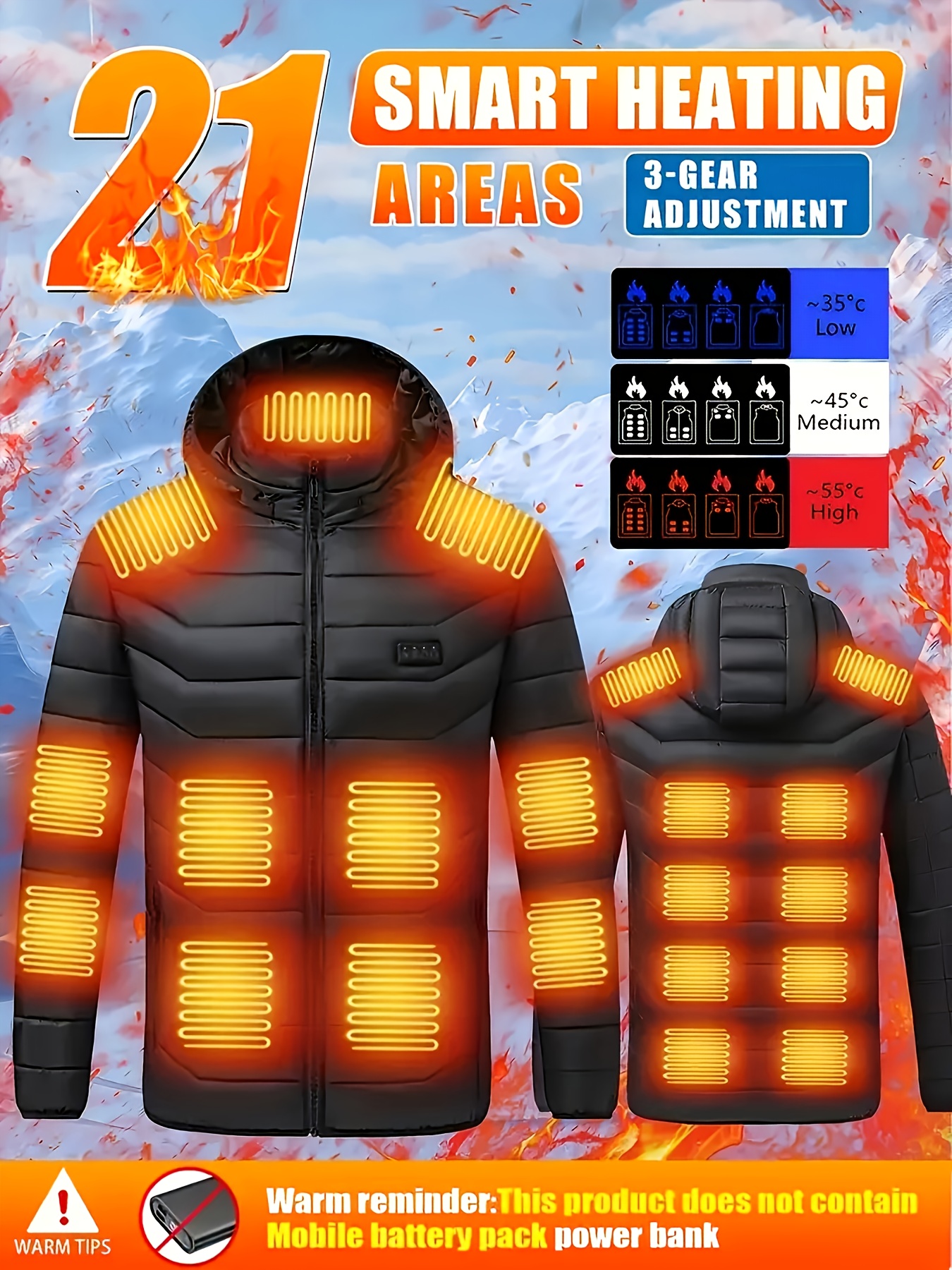
Wearing layers helps trap body heat. Combine shirts, sweaters, and jackets for better warmth indoors.
Use thick blankets and flannel sheets on your bed. This keeps you warm without extra heating.
- Wear socks and slippers to keep feet warm
- Choose thermal or fleece materials for clothes and bedding
- Remove layers carefully to avoid sweating
Manage Humidity Levels
Controlling humidity levels in winter keeps your home comfortable. It also protects your health and property.
Understanding how to manage humidity can save energy and reduce heating costs. Let’s explore how to adjust your indoor environment effectively.
Benefits Of Proper Humidity
Maintaining the right humidity level can prevent health issues and structural damage. It improves air quality and comfort in your home.
- Reduce static electricity
- Prevent dry skin and throat
- Protect wood furniture and flooring
- Minimize respiratory problems
Use Humidifiers Efficiently
Humidifiers add moisture to the air, making your home feel warmer. They can help you lower heating bills.
- Choose a humidifier size that fits your room.
- Clean the device regularly to prevent mold.
- Set humidity levels between 30% and 50%.
Prevent Excess Moisture
Excess moisture can lead to mold and mildew. Proper ventilation is key to preventing these issues.
| Action | Benefits |
| Use exhaust fans in bathrooms | Removes steam and moisture |
| Ventilate kitchens during cooking | Reduces humidity from cooking |
| Fix leaks promptly | Prevents water damage |
Maximize Natural Heat
Using natural heat from the sun helps keep your home warm in winter. It can lower your heating bills and make your space cozy.
Simple changes in how you use your windows and furniture can improve heat from the sun. This saves energy and keeps your home comfortable.
Open Curtains During Daylight
Open curtains and blinds on sunny days to let sunlight enter your rooms. Sunlight warms surfaces and the air inside your home.
Make sure windows are clean to let in the most light. This helps natural heat reach your living spaces better.
Close Curtains At Night
Close curtains and blinds as soon as the sun sets. This keeps the warm air inside and blocks cold air from outside.
Thick or insulated curtains work best to reduce heat loss through windows at night. They act like a warm barrier for your home.
Strategic Furniture Placement
Arrange furniture to absorb and spread natural heat from the sun. Place sofas and chairs near sunny windows when possible.
Avoid blocking windows with large furniture. This allows sunlight to reach floors and walls, which store and release heat over time.
Energy-saving Habits
Saving energy during winter helps reduce bills and protects the environment. Simple habits can make a big difference in your home’s heating costs.
Try changing how you use appliances and lighting. Also, keep track of your energy use to find ways to save more.
Turn Off Unused Appliances
Many appliances use electricity even when they are off. This is called phantom energy use. Turning off or unplugging devices saves energy and money.
- Switch off lights in empty rooms
- Unplug chargers when not in use
- Turn off TVs and computers completely
- Use power strips to control multiple devices
Use Energy-efficient Lighting
Energy-efficient bulbs use less power and last longer than regular bulbs. Replace old bulbs to lower your energy bills.
| Type of Bulb | Energy Use | Average Lifespan |
| Incandescent | 60 watts | 1,000 hours |
| Compact Fluorescent (CFL) | 14 watts | 8,000 hours |
| LED | 10 watts | 25,000 hours |
Monitor Energy Consumption
Tracking your energy use helps you find where you use the most power. This lets you make better choices and save more energy.
Try these tips to monitor your energy use:
- Check your energy bills monthly
- Use a home energy monitor device
- Note the times when heating is highest
- Adjust settings based on your findings

Credit: www.entergy.com
Frequently Asked Questions
How Can I Save Energy With Winter Heating Adjustments?
Adjust your thermostat to 68°F during the day and lower it at night. Use programmable thermostats to automate temperature changes. Seal drafts around windows and doors to keep heat inside. These steps reduce energy use and lower heating bills effectively.
What Is The Best Thermostat Setting For Winter Heating?
Set your thermostat to 68°F when you’re home and awake. Lower it by 7-10°F when sleeping or away. This balance ensures comfort while saving energy. Programmable thermostats help maintain these settings automatically.
How Often Should I Maintain My Heating System In Winter?
Perform heating system maintenance at least once a year before winter. Change filters monthly during heavy use. Regular maintenance improves efficiency, prevents breakdowns, and extends system lifespan.
Are Humidifiers Helpful For Winter Heating Adjustments?
Yes, humidifiers add moisture to dry winter air. Moist air feels warmer, allowing you to lower the thermostat. This can improve comfort and reduce heating costs.
Conclusion
Keeping your home warm takes small but smart changes. Adjusting your thermostat saves energy and money. Seal doors and windows to stop cold air leaks. Use curtains to keep heat inside during the night. Regularly check your heating system for best performance.
These steps help you stay cozy all winter long. Simple actions make a big difference in comfort and bills. Stay warm and enjoy the season without worry.