
Are you dreaming of a vibrant underwater world right in your living room? A saltwater aquarium for reef fish is the perfect way to bring the beauty of the ocean home.
But setting up and maintaining a reef tank can feel overwhelming. What fish thrive together? How do you keep the water just right? Don’t worry—this guide will help you create a stunning, healthy reef aquarium that you’ll enjoy every day.
Keep reading to discover the secrets that make your reef fish happy and your tank a true masterpiece.
Choosing The Right Tank
Choosing the right tank is key for a healthy saltwater aquarium. The tank must fit your space and the needs of reef fish.
Think about size, material, and where you will place the tank before buying. These choices affect fish health and tank care.
Tank Size And Shape
Tank size affects water stability and fish space. Larger tanks keep water conditions steady.
Shape matters for fish swimming and decoration. Long tanks offer more swimming room, while tall tanks save floor space.
- Minimum 30 gallons for beginner reef fish
- Long tanks allow better swimming space
- Tall tanks fit small rooms but limit horizontal space
Material Options
Most saltwater tanks are glass or acrylic. Each has pros and cons for reef setups.
Glass is scratch-resistant and clear. Acrylic is lighter and easier to shape but scratches more easily.
- Glass tanks are heavier and stronger for large sizes
- Acrylic tanks offer better insulation and impact resistance
- Choose material based on tank size and budget
Placement Tips
Place the tank on a stable, level surface that can hold its weight. Avoid direct sunlight to control algae growth.
Keep the tank away from heat sources and vents. This helps keep water temperature steady for reef fish.
- Use a stand designed for aquarium weight
- Choose a spot with easy access for maintenance
- Avoid areas with strong temperature changes

Credit: seatechaquariums.com
Essential Equipment
Setting up a saltwater aquarium for reef fish needs the right tools. These tools keep fish and corals safe and healthy.
We will look at four key parts: filtration, lighting, heating, and water flow. Each part plays a big role in your tank’s success.
Filtration Systems
Filtration cleans the water and removes waste. It keeps the water clear and healthy for fish and corals.
- Mechanical filters trap debris and particles.
- Chemical filters remove toxins and odors.
- Biological filters support good bacteria to break down waste.
Lighting For Coral Growth
Corals need strong light to grow and stay colorful. Proper lighting mimics natural sunlight under the sea.
| Light Type | Purpose | Typical Use |
| LED | Energy efficient, adjustable spectrum | Most reef tanks |
| T5 Fluorescent | Even light spread, good color | Coral growth and viewing |
| Metal Halide | Very bright, deep penetration | Large or deep tanks |
Heating And Temperature Control
Saltwater fish and corals need steady temperatures. Sudden changes can stress or harm them.
- Choose an aquarium heater with the right wattage for your tank size.
- Use a reliable thermometer to monitor water temperature daily.
- Place heaters where water flows well to spread heat evenly.
Water Circulation
Water movement helps deliver oxygen and nutrients. It also removes waste and stops algae growth.
Common devices for water circulation include:
- Powerheads for strong flow and direction control.
- Wave makers to simulate ocean currents.
- Return pumps in sump setups for steady circulation.
Water Parameters
Maintaining proper water parameters is vital for a healthy saltwater aquarium. Stable conditions help reef fish thrive and reduce stress.
Water quality affects fish health, coral growth, and overall tank balance. Monitoring key factors ensures a safe environment.
Salinity Levels
Salinity measures the salt concentration in aquarium water. Reef fish need stable salinity to stay healthy.
- Ideal salinity is between 1.023 and 1.025 specific gravity.
- Use a refractometer or hydrometer to check levels.
- Keep salinity steady by topping off with fresh water.
- Sudden changes can stress or harm fish.
Ph Balance
The pH level shows how acidic or basic the water is. Reef fish prefer slightly alkaline water.
| pH Range | Ideal Level for Reef Fish |
| Too Low | Below 7.8 |
| Optimal | 8.0 to 8.3 |
| Too High | Above 8.5 |
Nitrate And Phosphate Control
High nitrate and phosphate levels cause algae growth and harm fish health. Keep these nutrients low.
- Test water weekly for nitrate and phosphate.
- Maintain nitrate below 20 ppm and phosphate below 0.03 ppm.
- Use protein skimmers and water changes to reduce levels.
- Avoid overfeeding, which raises nutrients.
Calcium And Alkalinity
Calcium and alkalinity support coral growth and fish health. Both must stay in balance.
| Parameter | Ideal Range |
| Calcium | 400-450 ppm |
| Alkalinity | 8-12 dKH |
Selecting Reef Fish
Choosing the right fish is important for a healthy saltwater reef aquarium. The fish must fit the tank size and environment.
Reef fish add color and life. Select species that live well with corals and other tank mates.
Popular Species
Some fish are well-known for reef tanks. They are easy to care for and peaceful with corals.
- Clownfish – Friendly and colorful
- Blue Tang – Bright blue and active
- Royal Gramma – Small and peaceful
- Firefish – Shy but beautiful
- Gobies – Small bottom dwellers
Compatibility Considerations
Not all fish get along. Check their behavior before adding them to your reef tank.
Avoid aggressive fish that may harm corals or other fish. Choose peaceful species that share space well.
- Research fish temperament
- Keep similar sizes together
- Avoid territorial species
- Watch for coral-safe fish
Behavior And Care Needs
Know how each fish behaves and what it needs. This helps keep them healthy and happy.
Some fish need hiding spots. Others need open swimming space. Feed them the right food daily.
- Provide proper diet
- Keep stable water conditions
- Offer hiding places for shy fish
- Observe fish daily for health
Coral Choices
Choosing the right corals is important for a healthy saltwater aquarium. Corals add color and life to your reef fish tank. Different corals need different care and conditions.
This guide explains three main coral types and how to place them for good growth. Understanding coral needs helps you build a beautiful reef tank.
Soft Corals
Soft corals are easy to care for and flexible in many aquarium settings. They do not have hard skeletons and sway with the water flow. This makes them gentle for beginner reef keepers.
Soft corals grow fast but need moderate light and water flow. They help fill space and add texture to your tank.
- Examples: Zoanthids, Mushrooms, and Leather corals
- Light: Low to medium
- Water flow: Low to moderate
- Growth speed: Fast
Lps Corals
LPS corals have large, fleshy polyps and hard skeletons. They are colorful and often have big, visible mouths. LPS corals need moderate light and water flow.
They grow slower than soft corals but add bold shapes to the reef. Watch for their stinging tentacles when placing near other corals.
- Examples: Hammer, Frogspawn, and Brain corals
- Light: Medium
- Water flow: Moderate
- Growth speed: Moderate
Sps Corals
SPS corals have small polyps and hard skeletons. They need strong light and steady water flow. SPS corals are best for experienced reef keepers.
They grow slowly but create beautiful reef structures. SPS corals need stable water conditions to stay healthy.
- Examples: Acropora, Montipora, and Stylophora
- Light: High
- Water flow: Strong
- Growth speed: Slow
Placement And Growth
Place corals where they get the right light and flow for their type. Avoid crowding corals to prevent fighting. Give space for growth and movement.
Watch your corals often. Adjust placement if they look stressed or stop growing. Proper care leads to a colorful and thriving reef.
- Soft corals: low to medium light, low flow, lower tank areas
- LPS corals: medium light, moderate flow, middle tank areas
- SPS corals: high light, strong flow, upper tank areas
- Leave space between corals to avoid aggression
- Keep stable water quality for best growth
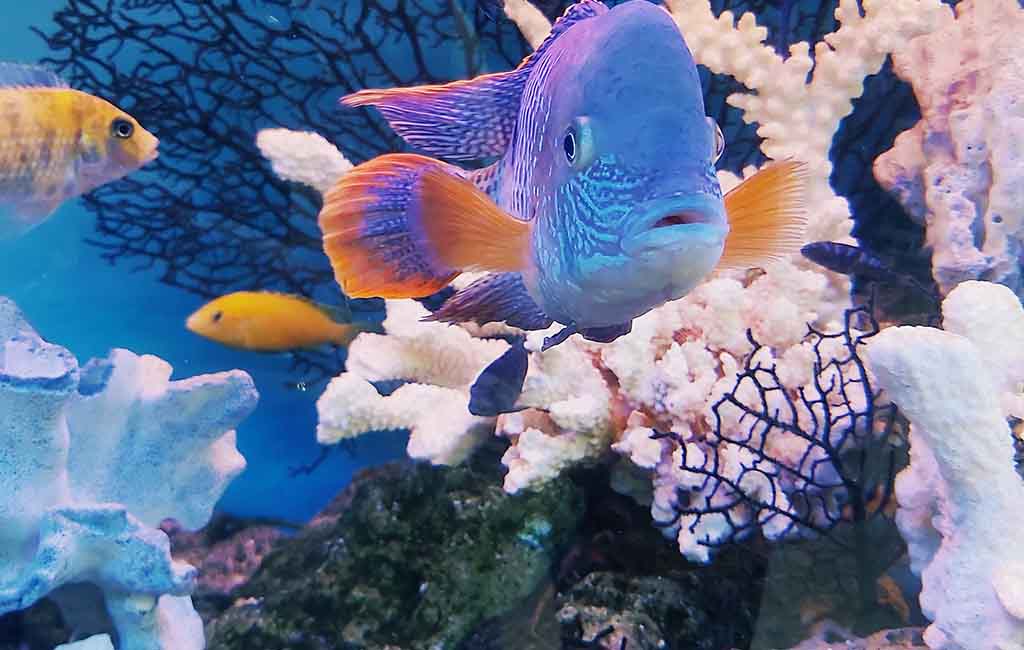
Credit: www.hygger-online.com
Setting Up The Aquarium
Creating a saltwater aquarium for reef fish can be rewarding. It requires careful planning and setup to ensure a healthy environment for the fish and corals.
In this guide, we will cover the essential steps to set up your aquarium. You will learn about cycling the tank, adding live rock and substrate, and introducing fish and corals.
Cycling The Tank
Cycling the tank is crucial for establishing beneficial bacteria. These bacteria help break down waste, keeping water clean and safe for fish.
The cycling process usually takes several weeks. You can use ammonia or a hardy fish to start the cycle. Test the water regularly to monitor ammonia, nitrite, and nitrate levels.
Adding Live Rock And Substrate
Live rock and substrate are important for the aquarium’s ecosystem. They provide habitats for marine life and host beneficial bacteria.
Place live rock carefully to create hiding spots and caves. Choose a substrate like sand or crushed coral to cover the bottom of the tank.
- Live rock enhances biological filtration
- Substrate supports natural behaviors of fish
- Arrange rocks to ensure stability
Introducing Fish And Corals
Introducing fish and corals must be done gradually. This helps prevent stress and disease. Start with hardy fish and corals that are easier to care for.
Acclimate new additions by slowly mixing tank water with their transport water. This helps them adjust to the water conditions.
- Research species compatibility
- Introduce species slowly
- Monitor their health and behavior
Maintenance Routine
Maintaining a saltwater aquarium for reef fish keeps the environment healthy. Regular care helps fish stay active and colorful.
Following a steady routine prevents problems and supports the reef’s delicate balance.
Water Testing And Changes
Test water regularly to keep key levels in check. Check pH, salinity, ammonia, nitrite, and nitrate.
Change 10-20% of the water every one or two weeks. This removes waste and keeps water fresh.
- Use a reliable test kit weekly
- Keep salinity between 1.023 and 1.025
- Maintain pH around 8.1 to 8.4
- Ammonia and nitrite should be zero
- Nitrate below 20 ppm is best
- Perform partial water changes on schedule
Cleaning Techniques
Clean the tank surfaces and decorations to stop algae buildup. Use tools made for aquariums.
Clean the glass inside and outside regularly. Remove uneaten food and debris from the sand or substrate.
- Use an algae scraper or magnetic cleaner for glass
- Siphon the substrate during water changes
- Remove dead plant matter or coral pieces
- Clean decorations gently to avoid damage
Equipment Checks
Inspect all equipment weekly to ensure it works well. Check filters, heaters, pumps, and lights.
Replace or repair parts that show wear or stop working. Proper equipment keeps water stable and fish safe.
- Look for clogs or damage in filters
- Verify heater temperature settings
- Check water flow from pumps
- Ensure lights are on a proper schedule
- Clean or replace filter media as needed
Troubleshooting Common Issues
Maintaining a saltwater aquarium for reef fish can be rewarding. Sometimes, challenges arise that need addressing. This guide will help you troubleshoot common problems.
Understanding these issues will keep your fish healthy. It also ensures your corals thrive.
Algae Control
Algae can quickly take over an aquarium. It blocks light and competes with corals for nutrients. Managing algae is crucial for a balanced ecosystem.
Regular maintenance and monitoring water quality help reduce algae growth. Remove excess algae manually when needed.
- Check water parameters weekly
- Use algae-eating fish or snails
- Limit light exposure to 8-10 hours daily
- Perform regular water changes
Disease Prevention
Fish diseases can spread fast in aquariums. Prevention is key to keeping your fish healthy. Quarantining new fish is a good practice.
Healthy water conditions and proper feeding routines help avoid diseases. Be attentive to any changes in fish behavior or appearance.
- Quarantine new fish for two weeks
- Feed a balanced diet
- Monitor for signs of illness like spots or lethargy
- Maintain clean water with regular filtration
Coral Bleaching Causes
Coral bleaching is a serious issue. It happens when corals lose their vibrant colors. Stress from environmental changes often causes this.
Temperature fluctuations and poor water quality are common triggers. Ensuring stable conditions helps prevent bleaching.
| Factor | Impact |
| High temperature | Increases bleaching risk |
| Poor water quality | Weakens coral health |
| Insufficient light | Reduces coral energy |
Feeding And Nutrition
Feeding saltwater reef fish properly is key to their health. Good nutrition helps fish stay vibrant and active.
Different fish and corals need different types of food. Knowing what to feed them keeps your aquarium balanced.
Fish Diets
Reef fish eat a variety of foods. Some eat only plants, while others need meat or small animals. Feeding the right diet keeps them healthy.
- Herbivores eat algae and seaweed.
- Carnivores eat small fish and crustaceans.
- Omnivores eat both plants and animals.
- Feed small amounts two to three times daily.
- Use quality flakes, pellets, or frozen foods.
Coral Feeding
Corals get food from water and their symbiotic algae. Some corals benefit from extra feeding to grow strong.
| Coral Type | Feeding Method | Common Foods |
|---|---|---|
| Soft Corals | Absorb nutrients from water | Phytoplankton, dissolved organics |
| LPS Corals | Target feeding with pipette | Meaty foods like brine shrimp |
| SPS Corals | Rely on light and water nutrients | Supplement with coral foods |
Supplementing Nutrients
Sometimes fish and corals need extra vitamins and minerals. Supplements help keep their immune system strong.
Use these supplements carefully:
- Calcium to build coral skeletons
- Magnesium to keep water chemistry balanced
- Vitamins A, C, and E for fish health
- Trace elements to support coral growth
- Follow dosing instructions on supplements

Credit: theplecofeeder.com
Enhancing Aquarium Beauty
A saltwater aquarium can be a stunning centerpiece in any room. Reef fish and corals add color and life to the water. Careful design can make your tank look like an underwater paradise.
Enhancing the beauty of your aquarium takes planning. You need to think about layout, colors, and lighting. Each element works together to create a vibrant scene.
Aquascaping Ideas
Aquascaping is the art of arranging rocks, corals, and plants. It creates a natural look for your reef fish. Use different heights and shapes to add depth.
- Place tall corals at the back for a layered effect
- Use rocks to create caves and hiding spots
- Combine smooth and rough textures for contrast
- Keep open swimming space for fish
- Add sand or crushed coral as the base
Using Colorful Fish And Corals
Bright fish and corals bring energy to your tank. Choose species with colors that match or contrast well. Mix different shapes and sizes for interest.
| Fish | Color | Coral | Color |
| Clownfish | Orange & White | Zoanthids | Green & Purple |
| Mandarinfish | Blue & Orange | Montipora | Red & Pink |
| Royal Gramma | Purple & Yellow | Acropora | Blue & Green |
Lighting Effects
Lighting sets the mood and highlights colors. Use LED lights with adjustable settings. Different light colors can mimic sunrise or moonlight.
Lighting Tips:
- Use blue light to enhance coral fluorescence
- Set a timer for consistent light cycles
- Adjust brightness to avoid stressing fish
- Mix white and colored LEDs for natural look
Frequently Asked Questions
What Is The Ideal Tank Size For A Saltwater Reef Aquarium?
The ideal tank size is at least 30 gallons. Larger tanks offer better stability for reef fish and corals. Small tanks require more frequent maintenance and careful monitoring.
How Do I Maintain Water Quality In A Saltwater Reef Tank?
Regular water testing and partial water changes are essential. Use a good protein skimmer and live rock for natural filtration. Maintaining stable temperature, salinity, and pH is crucial for reef fish health.
Which Reef Fish Are Best For Beginner Saltwater Aquariums?
Clownfish, damselfish, and gobies are beginner-friendly reef fish. They adapt well to aquarium life and are generally hardy. Avoid aggressive or delicate species to reduce stress and mortality.
How Often Should I Feed Reef Fish In A Saltwater Aquarium?
Feed small amounts two to three times daily. Use high-quality, species-appropriate food. Avoid overfeeding to prevent water quality issues and algae growth.
Conclusion
Creating a saltwater aquarium for reef fish brings joy and beauty to any space. Careful attention to water quality and fish needs keeps them healthy. Regular cleaning and monitoring help avoid common problems. Patience and learning make the experience rewarding.
Small steps lead to a vibrant and thriving reef tank. Enjoy watching colorful fish and coral grow day by day. This hobby offers calm and fun for many years. Start simple, stay consistent, and your tank will flourish.