
If you have a large planted aquarium, you know how important the right lighting is. The right light can make your plants thrive, showing off their vibrant colors and healthy growth.
But choosing the perfect lighting isn’t always easy. You might wonder what type of light works best, how much brightness you need, or how to keep your plants happy without algae taking over. This guide will help you understand everything about lighting for large planted aquariums, so you can create a stunning underwater garden that truly shines.
Keep reading to discover the secrets to perfect aquarium lighting and watch your plants flourish like never before.
Choosing The Right Light Spectrum
Lighting plays a key role in large planted aquariums. The right light spectrum helps plants grow strong and healthy. It also creates a natural look in the tank.
Different colors of light affect plants in various ways. Knowing how blue and red light work is important. Balancing the full spectrum is the best way to support all plants.
Effects Of Blue And Red Light
Blue light helps plants grow leaves and stems. It is good for underwater plants because it penetrates water well. Red light helps plants make energy and grow flowers or fruits.
- Blue light supports strong leaf growth
- Red light boosts energy production
- Both colors together improve photosynthesis
- Too much red light can cause algae
Balancing Full Spectrum Lighting
Full spectrum lighting gives plants all the colors they need. It mimics natural sunlight, which helps all parts of plants grow. Balancing the spectrum means giving the right amount of blue, red, and other colors.
| Light Color | Benefit | Risk of Too Much |
| Blue | Leaf and stem growth | Slow flowering |
| Red | Energy and flowering | Algae growth |
| Green | Visual appeal | Less impact on growth |
| Full Spectrum | Balanced growth and health | Higher energy use |
Types Of Aquarium Lighting
Lighting is important for large planted aquariums. It helps plants grow and keeps the tank healthy. Choosing the right light type can make a big difference.
There are different kinds of lights used in aquariums. Each has its own benefits and uses. Here are the main types you can find.
Led Lights
LED lights are popular for planted tanks. They use less energy and last a long time. They come in many colors and can be dimmed easily.
- Low energy use
- Long lifespan
- Adjustable brightness and color
- Stay cool during use
Fluorescent Tubes
Fluorescent tubes have been used for many years. They give off a bright, even light. They are cheaper but use more power than LED lights.
| Type | Energy Use | Lifespan | Light Quality |
| Standard Fluorescent | Medium | 1-2 years | Good for low light plants |
| Compact Fluorescent | Low to Medium | 2-3 years | Bright and efficient |
| T5 Fluorescent | Low | 2-3 years | Strong and even |
Metal Halide Lamps
Metal halide lamps produce very strong light. They are good for deep or very large tanks. These lamps get hot and use more electricity.
- High light intensity
- Good for deep aquariums
- Generate heat
- Higher energy consumption
Light Intensity And Duration
Lighting is key for large planted aquariums. It helps plants grow and stay healthy.
Both light intensity and how long lights stay on affect plant growth in the tank.
Optimal Brightness Levels
Plants need enough light to perform photosynthesis. Too little light slows growth.
Too much light can cause algae to grow and harm plants. Find a balance.
- Low light: 0.25 to 0.5 watts per liter
- Medium light: 0.5 to 1 watt per liter
- High light: 1 to 2 watts per liter
Setting Daily Photoperiods
Plants grow best with a steady light schedule. Usually, 8 to 10 hours of light is good.
Too long lighting can cause algae. Too short can slow plant growth.
- Start with 8 hours of light daily
- Increase up to 10 hours if plants need more
- Use timers to keep a regular schedule
- Adjust if algae problems appear
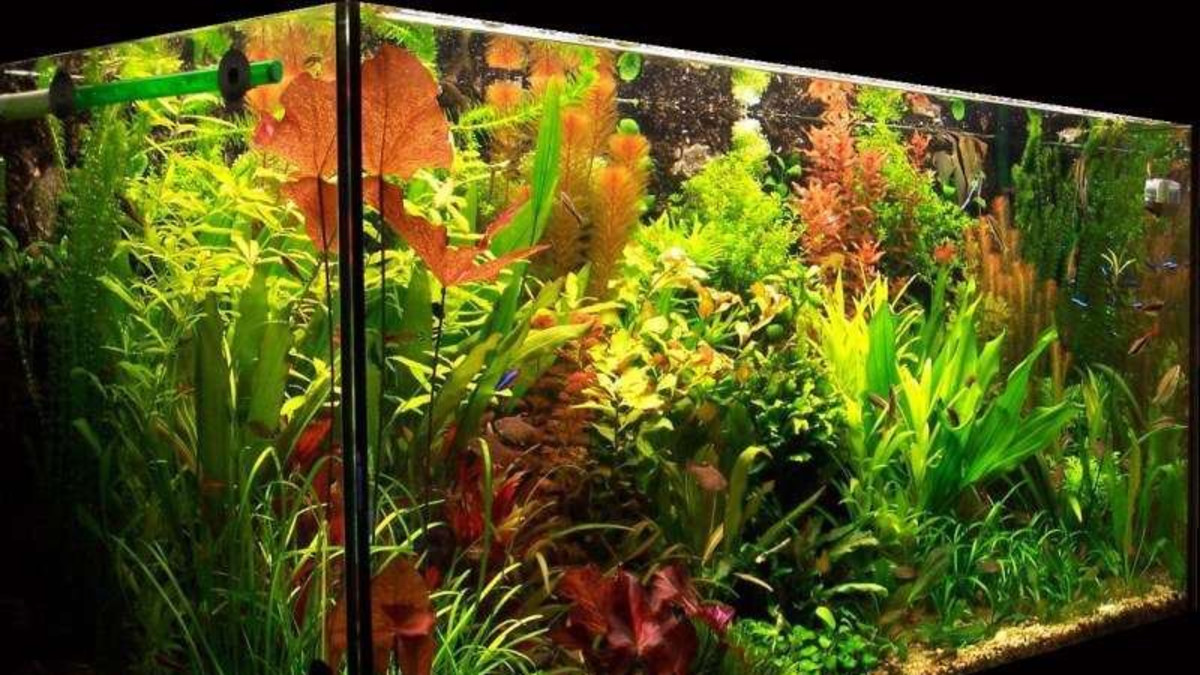
Credit: pethelpful.com
Placement And Coverage
Lighting is very important for large planted aquariums. Proper placement and coverage help plants grow well. Lights must reach all parts of the tank.
Good lighting keeps the aquarium bright and healthy. It also prevents plants from dying in dark spots.
Ensuring Uniform Light Distribution
Place lights evenly across the top of the aquarium. This spreads light over all plants. Use multiple light sources if needed.
Adjust the height of the lights to cover the whole tank surface. Make sure no spot gets too much or too little light.
- Use LED bars or tubes spaced evenly
- Place lights close to the water surface
- Check light intensity at different points
- Use reflectors to direct light where needed
Avoiding Shadowed Areas
Shadowed areas stop plants from growing well. Large decorations or tall plants can block light. Move lights or objects to reduce shadows.
Use angled lights or add side lighting. This helps light reach hidden spots. Trim plants that grow too tall and block light.
- Arrange lights to shine from different angles
- Keep tall plants away from light sources
- Use additional small lights for dark corners
- Regularly check for and remove shadows
Impact On Plant Growth And Algae Control
Lighting plays a key role in large planted aquariums. It affects plant growth and algae levels. Proper light helps plants grow strong and healthy. At the same time, it controls unwanted algae.
This article covers how lighting supports photosynthesis and limits algae outbreaks. Understanding these effects helps keep the aquarium balanced and beautiful.
Promoting Healthy Photosynthesis
Plants need light to perform photosynthesis. This process turns light into energy for growth. The right light spectrum and intensity improve plant health. Too little light slows growth. Too much can stress plants.
- Use full-spectrum lights that mimic natural sunlight.
- Provide 8 to 10 hours of light daily for steady growth.
- Adjust light intensity based on plant species and aquarium depth.
- Keep a consistent light schedule to avoid plant shock.
Minimizing Algae Outbreaks
Algae compete with plants for nutrients and light. Too much light can cause algae to grow fast. Controlling light reduces algae problems. Balance light with nutrients and CO₂ for best results.
| Lighting Factor | Effect on Algae |
| Light Duration | Long periods increase algae growth |
| Light Intensity | High intensity fuels algae blooms |
| Light Spectrum | Blue and red light favor plants, less algae |
| Consistent Schedule | Prevents sudden algae outbreaks |

Credit: www.reddit.com
Energy Efficiency And Cost Considerations
Lighting is important for large planted aquariums. It helps plants grow well. Choosing the right lighting can save energy and money.
LED lights are popular for aquariums. They use less power and last longer. This makes them a good choice for saving money over time.
Long-term Savings With Led
LED lights are energy efficient. They use less electricity than older lights. This means lower electric bills each month.
LEDs last many years, reducing the need to buy new bulbs often. This saves money over time and is better for the environment.
- LEDs use less power
- LEDs have a long lifespan
- LEDs reduce electricity costs
Balancing Performance And Expenses
Finding the right lighting balance is key. You want good plant growth without high costs. LED lights can help achieve this balance.
Consider initial costs and long-term savings when choosing lights. While LEDs might cost more upfront, they save money over time.
| Light Type | Initial Cost | Long-Term Savings |
| LED | High | Significant |
| Fluorescent | Low | Moderate |
Maintenance And Upkeep
Keeping lighting in large planted aquariums working well needs regular care. Good maintenance helps plants grow healthy and keeps the tank bright.
Proper upkeep extends the life of the lights and prevents problems. Check and clean the lighting often to keep it at its best.
Cleaning And Replacing Bulbs
Light bulbs and fixtures collect dust and water spots. This can reduce light output and harm plant growth. Clean bulbs carefully with a soft cloth to avoid damage.
- Turn off and unplug lights before cleaning.
- Use a damp cloth to wipe the bulbs and covers.
- Do not use harsh chemicals or abrasive materials.
- Replace bulbs every 6 to 12 months, based on usage.
- Check bulb packaging for recommended lifespan.
- Handle bulbs with gloves to prevent oils on glass.
Monitoring Light Performance
Watch how your lights perform over time. Light output drops slowly and can affect plant health. Use a light meter or observe plant growth to track performance.
| Task | Frequency | Notes |
| Check light intensity | Monthly | Use a light meter if possible |
| Inspect bulbs for dimming | Every 3 months | Replace if brightness drops |
| Clean light covers | Monthly | Remove dust and water spots |
| Review plant health | Weekly | Look for signs of low light |

Credit: www.reddit.com
Frequently Asked Questions
What Type Of Lighting Is Best For Large Planted Aquariums?
LED lighting is best for large planted aquariums. It provides bright, energy-efficient light with adjustable intensity and spectrum. LEDs support healthy plant growth and enhance aquarium aesthetics while consuming less power compared to traditional bulbs.
How Many Lumens Are Needed For Large Planted Tanks?
Large planted tanks typically need 30-50 lumens per liter. This intensity supports photosynthesis and vibrant plant growth. Adjust lumens based on plant species and tank depth for optimal lighting conditions.
How Long Should Lighting Stay On In Planted Aquariums?
Lighting should be on 8-10 hours daily. This mimics natural daylight cycles and prevents algae growth. Use a timer to maintain consistent lighting schedules for healthy plants and fish.
Can Lighting Affect Algae Growth In Large Aquariums?
Yes, excessive or improper lighting promotes algae growth. Balanced light intensity and duration help control algae. Combining proper lighting with good maintenance reduces unwanted algae in planted tanks.
Conclusion
Choosing the right light helps plants grow healthy and strong. Brightness and color affect how well plants thrive. Keep a steady schedule for lighting each day. Avoid too much light to stop algae growth. Watch your plants to see what they need most.
Good lighting makes your aquarium look beautiful and alive. Simple steps create a perfect home for aquatic plants. Care and attention bring a lush, green underwater world.