
Are you ready to create the perfect home for your aquatic pets? Choosing the right plants for species-specific tanks can make all the difference.
The plants you pick don’t just add beauty—they help your fish feel comfortable, stay healthy, and thrive. But with so many options out there, how do you know which plants suit your tank’s unique needs? Keep reading, and you’ll discover simple tips to select the best plants that match your species perfectly.
Your underwater world will thank you!
Selecting Plants By Species Needs
Choosing the right plants for species-specific tanks helps create a healthy environment. Plants support fish by mimicking their natural homes and improving water quality.
Select plants that meet the needs of the fish species. This ensures the tank stays balanced and comfortable for all creatures inside.
Matching Plants To Fish Habitats
Fish come from many places, like rivers, lakes, or swamps. Each habitat has unique plants that fish are used to.
Pick plants that grow in the same environment as your fish. This helps fish feel safe and behave naturally.
- Amazon fish like dense, leafy plants
- African cichlids prefer rocky tanks with sparse plants
- Betta fish thrive with floating plants and broad leaves
Considering Water Parameters
Water conditions include temperature, pH, and hardness. Plants and fish both need compatible water settings to survive.
Choose plants that can live in your tank’s water parameters. This avoids stress and plant death.
- Soft, acidic water suits many Amazon plants
- Hard, alkaline water fits African plants better
- Temperature ranges must match both plants and fish needs
Light Requirements For Different Species
Plants need light to grow. Different plants require different amounts of light.
Match light levels to the plants and fish species in the tank. Too much or too little light can harm plants or fish.
- Low-light plants work well with shy fish
- High-light plants need strong bulbs and more care
- Floating plants reduce light for bottom dwellers
Popular Plants For Common Species
Choosing the right plants helps keep your tank healthy and beautiful. Different fish and animals prefer different plants. This guide covers popular plants for bettas, cichlids, and shrimp tanks.
Adding species-specific plants can improve your tank’s environment. Plants provide hiding spots, improve water quality, and create a natural look.
Plants For Betta Tanks
Bettas enjoy calm water with lots of hiding places. Soft leaves and floating plants work best. Avoid plants with sharp edges that can harm their fins.
- Anubias: tough leaves, grows slowly, needs low light.
- Java Fern: easy to care for, attaches to rocks or wood.
- Amazon Sword: broad leaves, good for hiding.
- Water Lettuce: floating plant, provides shade.
- Marimo Moss Balls: soft and fun for bettas to explore.
Plants For Cichlid Tanks
Cichlids often dig and move plants. Choose hardy plants that can survive rough behavior. Use strong roots or attach plants to rocks to keep them in place.
| Plant | Care Level | Notes |
|---|---|---|
| Vallisneria | Easy | Fast grower, forms tall grass-like leaves |
| Anubias | Easy | Strong leaves, attach to decorations |
| Java Fern | Easy | Resists digging, attach to wood or rocks |
| Cryptocoryne | Medium | Slow grower, good hiding spots |
| Amazon Sword | Medium | Large leaves, needs nutrient-rich substrate |
Plants For Shrimp Tanks
Shrimp need plants that provide food and shelter. Mosses and fine-leaved plants work well. They help shrimp hide and graze on biofilm.
Popular plants for shrimp tanks include:
- Java Moss – excellent surface for biofilm growth
- Christmas Moss – dense and soft, perfect for shrimp to hide
- Subwassertang – easy to grow and shrimp-friendly
- Duckweed – floating plant that offers shade and food
- Marimo Moss Balls – slow growing and fun for shrimp
Plant Care In Species-specific Tanks
Choosing plants for species-specific tanks means matching plant care to the fish needs. Healthy plants help keep fish safe and happy.
Good plant care supports tank balance and creates a natural home for your aquatic species.
Maintaining Water Quality
Plants play a key role in keeping water clean. They absorb harmful chemicals and provide oxygen.
- Change 20% of water weekly to remove waste.
- Use a gentle filter to avoid harming plants and fish.
- Test water pH regularly to keep it stable.
- Remove dead leaves to prevent decay and pollution.
Fertilization And Co2 Tips
Plants need nutrients and carbon dioxide to grow well. Adding fertilizers and CO2 helps them thrive.
| Type | Purpose | Notes |
| Liquid Fertilizer | Provides nutrients to plants | Use low doses for sensitive species |
| Root Tabs | Feeds root plants | Place near plant roots |
| CO2 Injection | Boosts plant growth | Adjust flow to fish tolerance |
| Liquid Carbon | Alternative to CO2 gas | Use carefully to avoid fish stress |
Pruning And Growth Control
Regular pruning keeps plants healthy and prevents overgrowth. This helps fish move freely in the tank.
- Trim dead or yellow leaves to stop decay.
- Cut fast-growing plants to control size.
- Use sharp scissors for clean cuts.
- Remove trimmed parts to avoid water pollution.

Credit: glassboxdiaries.com
Avoiding Plant And Species Conflicts
Choosing the right plants for your species-specific tank is important. Some fish and plants do not get along well. This can cause stress and damage to both.
Knowing which plants are safe and which to avoid helps keep your tank healthy. It also creates a better environment for your fish.
Plants That Are Safe For Herbivores
Herbivores eat plants, so you need tough plants that can handle nibbling. Some plants grow fast and recover quickly. These are good choices for tanks with herbivores.
- Anubias – thick leaves resist bites
- Java Fern – hardy and grows well
- Amazon Sword – grows fast and strong
- Cryptocoryne – tough and low maintenance
- Vallisneria – long, ribbon-like leaves
Plants To Avoid With Aggressive Species
Aggressive fish may tear or uproot delicate plants. Avoid soft or slow-growing plants that cannot recover fast. These plants often get damaged or destroyed.
- Java Moss – fragile and slow-growing
- Hornwort – delicate and floats easily
- Water Wisteria – soft leaves break easily
- Duckweed – small and easily eaten
- Cabomba – breaks apart under stress
Protecting Plants From Fish Damage
Some fish like to dig or nibble on plants. You can protect your plants to keep them safe. Use barriers or choose plants that grow from tough roots.
- Plant in pots to stop uprooting
- Use rocks to protect plant bases
- Choose plants with thick leaves
- Trim plants regularly to keep them healthy
- Provide enough food to reduce nibbling
Enhancing Tank Aesthetics And Function
Aquarium plants can transform your tank into a beautiful underwater scene. Choosing the right plants can also improve the tank’s function.
Species-specific tanks need plants that suit the fish and other creatures living in them. This guide helps you pick plants that enhance both looks and health.
Creating Natural Hiding Spots
Fish feel safe when they have places to hide. Plants can create these hiding spots. Choose plants with big leaves or dense growth to provide shelter.
Hiding spots help fish feel less stressed and more secure. This makes them healthier and happier.
- Java Moss is great for small fish to hide in.
- Anubias plants have large leaves for bigger fish.
- Cryptocoryne offers dense cover at the tank bottom.
Balancing Open Space And Plant Density
A good tank has both open swimming spaces and dense plant areas. This balance keeps fish active and happy. Too many plants can make fish feel crowded.
Plan your tank layout carefully. Leave open areas for swimming and plant denser sections for rest and privacy.
| Open Space | Dense Plant Areas |
| Encourages swimming | Offers hiding spots |
| Prevents overcrowding | Provides rest areas |
Using Plants To Improve Tank Health
Plants do more than look nice. They help keep the tank clean and healthy. Plants absorb waste and produce oxygen, improving water quality.
Healthy plants also fight algae by using up nutrients algae need to grow. This makes tank maintenance easier.
- Hornwort absorbs nutrients that algae need.
- Amazon Sword helps oxygenate the water.
- Duckweed can reduce nitrate levels.
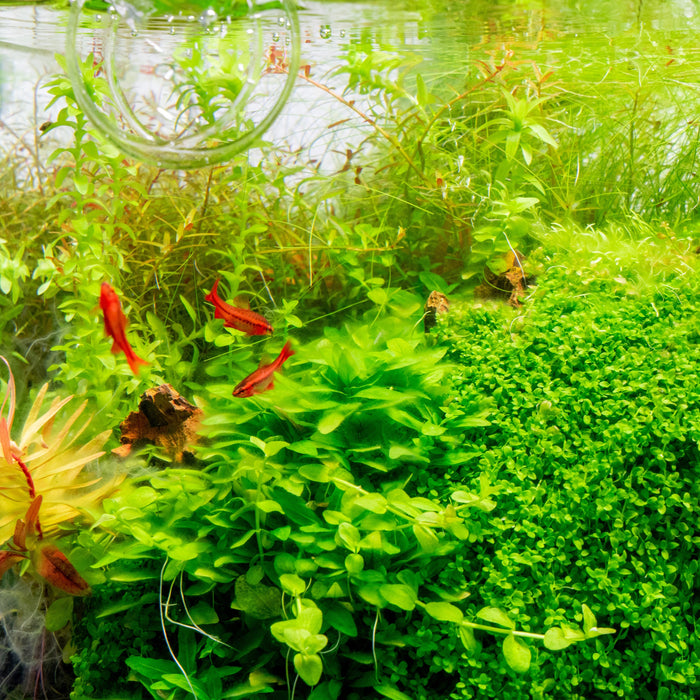
Credit: buceplant.com

Credit: glassboxdiaries.com
Frequently Asked Questions
What Plants Are Best For Species-specific Tanks?
Choose plants that match your tank’s fish species and water conditions. Research each fish’s natural habitat. Opt for hardy, low-maintenance plants if unsure. Examples include Anubias for cichlids and Java Fern for community tanks.
How Do Plants Benefit Species-specific Aquarium Tanks?
Plants improve water quality by absorbing nitrates and producing oxygen. They provide hiding spots, reduce stress, and mimic natural environments. This boosts fish health and encourages natural behaviors, creating a balanced ecosystem.
Can All Fish Species Live With Live Plants?
Not all fish tolerate live plants. Some species may uproot or eat them. Research your fish’s behavior before adding plants. Choose sturdy species like Anubias or Java Fern for aggressive or plant-eating fish.
How To Choose Plants Based On Water Parameters?
Match plants to your tank’s pH, hardness, and temperature. Some plants prefer acidic water; others thrive in alkaline. Understanding your species-specific tank’s conditions helps select compatible plants that will flourish.
Conclusion
Choosing the right plants helps create a healthy tank environment. Plants give fish places to hide and feel safe. They also improve water quality by absorbing waste. Select plants that fit your fish’s needs and tank conditions. Keep an eye on plant growth and health regularly.
Healthy plants lead to happy fish and a beautiful tank. Small choices make a big difference in tank success. Enjoy watching your species-specific tank thrive with the right plants.