
Are you tired of high heating bills every winter? What if you could keep your home warm without wasting energy or money?
Learning simple energy-saving heater techniques can make a huge difference for your comfort and your wallet. You’ll discover easy tips that save energy, lower costs, and keep your space cozy. Keep reading to find out how small changes in how you use your heater can lead to big savings and a greener home.
Choosing Efficient Heaters
Choosing the right heater can save energy and lower your bills. Efficient heaters use less power while keeping you warm.
Understanding different heater types and their features helps you pick the best option for your space.
Types Of Energy-saving Heaters
There are several types of heaters designed to save energy. Each type works differently and fits specific needs.
- Infrared heaters warm objects and people directly, not the air.
- Convection heaters warm the air in a room slowly and evenly.
- Oil-filled radiators keep heat for a long time after turning off.
- Micathermic heaters combine convection and radiant heat for fast warming.
Energy Ratings And Certifications
Energy ratings show how efficient a heater is. Higher ratings mean less energy use for the same heat.
Look for certifications that prove the heater meets energy-saving standards. These labels help you find reliable products.
- Energy Star is a common certification for energy efficiency.
- European Union energy labels show efficiency levels from A to G.
- Check local certifications for your country or region.
Size And Capacity Considerations
Choosing the right size heater is key to saving energy. A heater too big wastes power, too small won’t warm the space well.
Calculate the room size and pick a heater with the right capacity. This helps keep your space warm efficiently.
- Measure the room’s square footage before buying.
- Check heater wattage and recommended room size on labels.
- Consider insulation and ceiling height for better sizing.
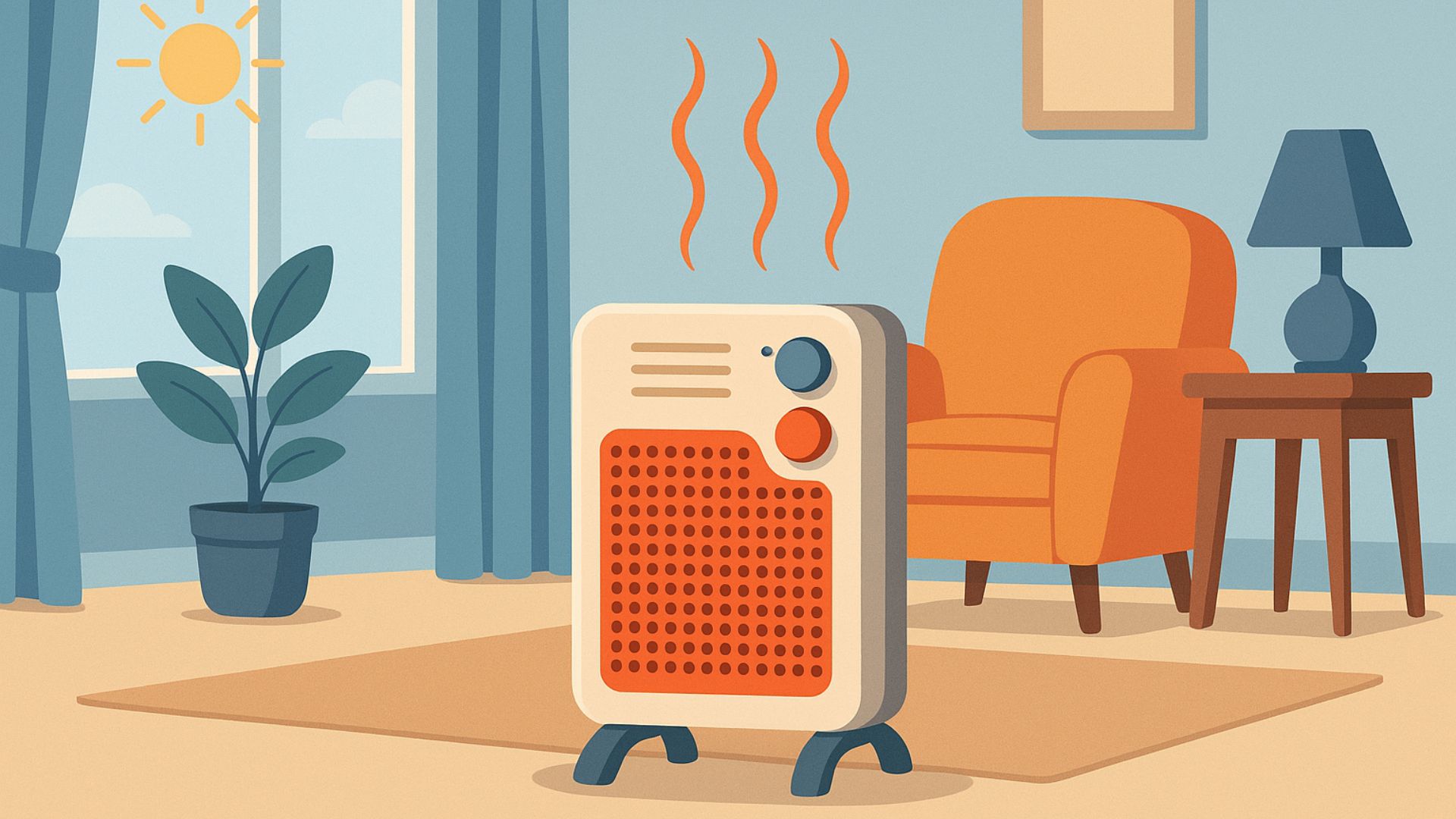
Credit: www.greenerwisdom.com
Optimizing Heater Placement
Placing your heater in the right spot helps save energy and keeps rooms warm. Good placement spreads heat evenly and lowers heating costs.
Learn how to find the best spots for heat, avoid heat loss, and use reflective materials to improve heater efficiency.
Best Spots For Heat Distribution
Place heaters near areas where people spend the most time. Avoid corners that block heat flow. Position heaters low to warm cold air near the floor.
- Near seating areas like sofas or desks
- Close to doors to warm incoming air
- Under windows to counter cold drafts
- In the center of large rooms for even heat
Avoiding Heat Loss Areas
Keep heaters away from places where heat escapes fast. Avoid placing heaters near open windows or thin walls. Seal gaps to keep warmth inside.
| Heat Loss Area | How to Avoid |
| Near drafty windows | Use weather stripping or curtains |
| Thin exterior walls | Add insulation or move heater inward |
| Open doors | Close doors or use door seals |
| Floors above unheated spaces | Place rugs or insulate floor |
Using Reflective Materials
Reflective materials bounce heat back into the room. Place them behind heaters on walls or floors. This blocks heat from escaping through walls.
Tips for Using Reflective Materials:
- Use aluminum foil or reflective panels
- Place material 2–3 inches behind the heater
- Ensure material covers the entire heater width
- Do not block heater vents or airflow
Smart Thermostat Usage
Smart thermostats help save energy by controlling your heater efficiently. They adjust heating based on your daily routine.
Using a smart thermostat can lower your heating bills and reduce energy waste. It makes managing home temperature easier.
Setting Temperature Schedules
Set your thermostat to match your daily schedule. Lower the temperature when you are not home or while you sleep.
This prevents heating empty rooms and saves energy. You can create different schedules for weekdays and weekends.
- Set lower temperatures during work hours
- Increase warmth before you arrive home
- Keep cooler at night to save energy
Utilizing Remote Controls And Apps
Remote controls and apps let you adjust your heater from anywhere. This means you can change settings on the go.
If you forget to set your thermostat before leaving, use the app to lower the heat. Adjust it before you get back to stay comfortable.
- Control temperature from your smartphone
- Turn heating on or off remotely
- Check energy usage anytime
Energy-saving Thermostat Features
Many smart thermostats include features that help save energy automatically. These features adjust settings based on your habits.
Some thermostats learn when you need heat and lower the temperature when you don’t. Others detect open windows or rooms with no activity.
- Auto-adjust based on your daily routine
- Detect when windows are open and pause heating
- Use sensors to track room occupancy

Credit: www.dreo.com
Insulation And Draft Prevention
Keeping your home warm can be expensive. Using energy-saving heater techniques helps. Insulation and draft prevention are key steps.
These methods keep heat in and cold out. They save money and energy.
Sealing Windows And Doors
Gaps around windows and doors let cold air inside. Sealing them stops drafts. It keeps your home warmer.
Use weatherstripping and caulk. They are easy to apply and effective.
- Check for gaps in frames
- Apply weatherstripping to edges
- Use caulk for cracks
Adding Curtains And Blinds
Curtains and blinds help keep warmth in. Thick materials work best. They add a layer of insulation.
Close them at night to trap heat. Open them during the day to let sunlight in.
- Choose thermal curtains
- Use blinds with tight fit
- Layer curtains for extra warmth
Insulating Walls And Floors
Walls and floors lose heat if not insulated. Adding insulation keeps your home cozy. It reduces heating costs.
There are many types of insulation. Choose the right one for your home.
- Install foam panels on walls
- Use rugs on floors
- Consider spray foam for hard areas
Supplementary Heating Techniques
Saving energy while keeping warm is important. Supplementary heating helps reduce main heater use.
These simple techniques add warmth without extra cost or energy waste.
Using Rugs And Furniture Placement
Rugs keep floors warm and stop heat from escaping through the ground. Thick rugs add insulation in cold rooms.
Place furniture near heaters to trap heat in living areas. Avoid blocking heaters with large items.
- Use thick rugs on tile or wood floors
- Arrange sofas and chairs close to heat sources
- Keep heater vents clear of furniture
Layering Clothing Indoors
Wearing layers traps body heat and reduces the need for high room temperatures. Use soft fabrics for comfort.
Layering lets you adjust warmth easily. Add or remove clothes to stay cozy without changing the heater.
- Wear a base layer like cotton or wool
- Add sweaters or fleece for extra warmth
- Use socks and slippers to keep feet warm
Harnessing Natural Sunlight
Open curtains and blinds during the day to let sunlight warm your rooms. Sunlight heats floors and walls naturally.
Close curtains at night to keep the heat inside. This simple step helps keep rooms warmer without energy use.
- Open south-facing windows in daytime
- Use light-colored curtains to reflect heat
- Close all curtains before sunset
Maintenance Tips For Efficiency
Keeping your heater in good shape helps save energy. Proper maintenance makes heaters work better and last longer.
Simple care steps can reduce power use and lower bills. Follow these tips to keep your heater efficient.
Regular Cleaning And Servicing
Dust and dirt can block heater parts. This makes heaters use more energy. Clean your heater often to keep it running well.
Have a professional check your heater once a year. They can spot problems early and fix them before they get worse.
- Clean air filters every month during use
- Remove dust from vents and grills
- Schedule yearly professional check-ups
Checking For Faulty Components
Broken parts make heaters work harder. This wastes energy and can cause breakdowns. Check parts regularly for damage.
Look for signs like strange noises, smells, or uneven heat. Replace or repair parts that do not work well.
- Inspect wiring and connections
- Test thermostats for accuracy
- Check heating elements for damage
- Listen for unusual sounds
Replacing Old Heaters
Old heaters use more energy than new models. They may break down often and cost more to fix. Consider replacing very old heaters.
New heaters use less power and heat better. Choose energy-efficient models to save money long-term.
- Check heater age and condition
- Compare energy ratings before buying
- Choose models with energy-saving features
Cost-saving Strategies
Heating your home uses a lot of energy, which can increase your bills. Using smart techniques helps save money.
Energy-saving heater methods focus on cutting costs without losing comfort. Learn how to pay less for heating.
Comparing Energy Tariffs
Energy tariffs are the prices you pay for electricity or gas. Different companies offer various rates.
Check and compare tariffs to find the cheapest option. Switching can lower your heating costs.
- Look for fixed or variable rates
- Check if prices change by season or time
- Consider standing charges and discounts
Utilizing Off-peak Heating
Off-peak hours are times when energy costs less. Using heaters during these times saves money.
Set timers or smart controls to heat only in off-peak periods. This reduces your energy bill.
- Check your energy provider’s off-peak times
- Use heaters with timers or smart plugs
- Heat rooms only when needed
Monitoring Energy Consumption
Tracking how much energy your heater uses helps control costs. You can find waste and fix it.
Use energy monitors or smart meters to see usage. Adjust heating habits to save more money.
- Check energy use daily or weekly
- Lower heater settings if use is high
- Turn off heaters in empty rooms
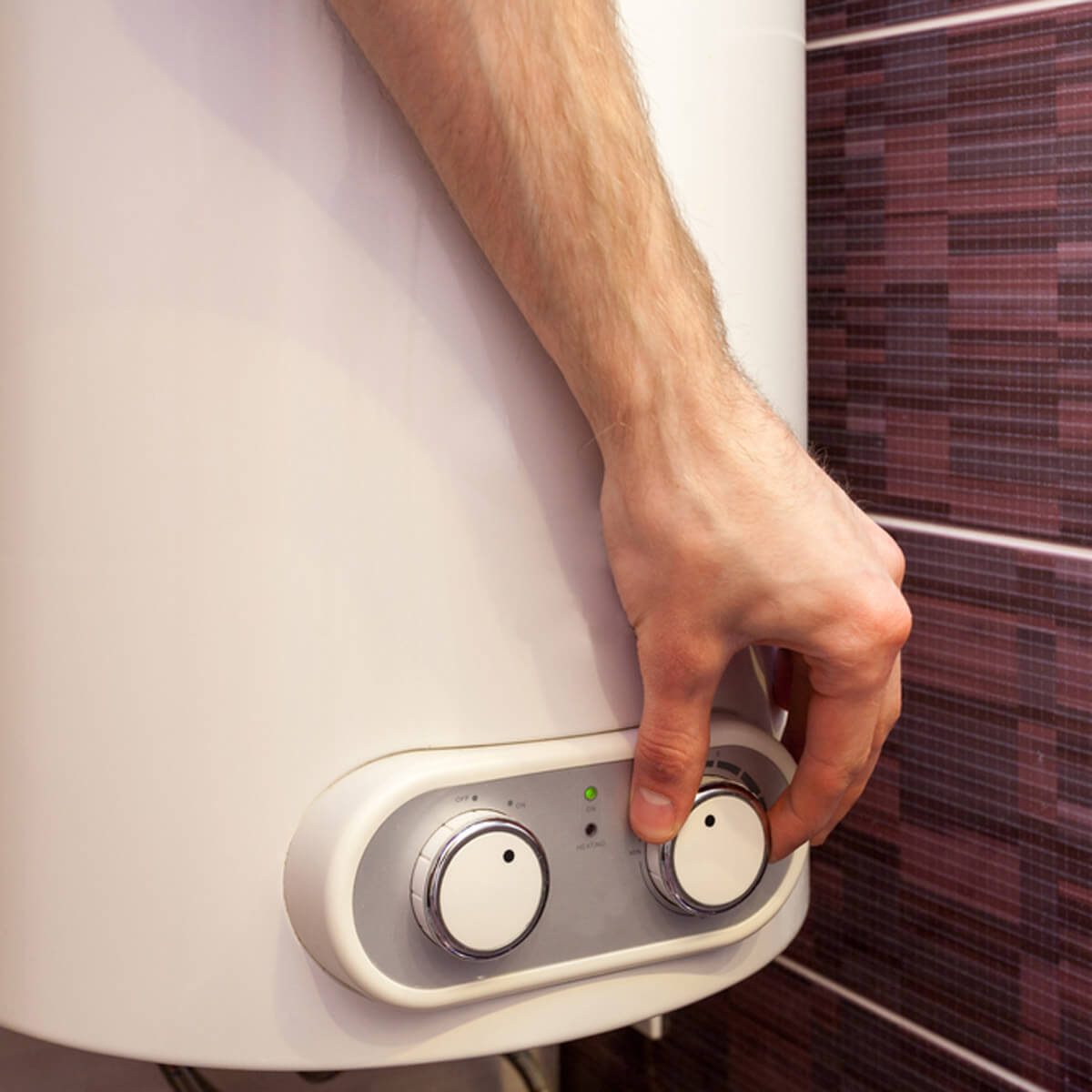
Credit: www.familyhandyman.com
Frequently Asked Questions
How Can I Reduce Heating Costs Effectively?
Lower your thermostat by a few degrees to save energy. Use programmable thermostats to control heating times. Seal windows and doors to prevent heat loss. Regularly maintain your heater for optimal efficiency.
What Are The Best Energy-saving Heater Types?
Consider electric infrared heaters for direct warmth. Heat pumps use less electricity by transferring heat. Pellet stoves offer eco-friendly, efficient heating. Choose heaters with energy-saving certifications.
How Does Insulation Improve Heating Efficiency?
Insulation traps heat inside your home, reducing loss. It helps maintain a consistent indoor temperature. This lowers heating system workload and energy use. Proper insulation can cut heating bills significantly.
Can Smart Thermostats Save Heating Energy?
Yes, smart thermostats learn your schedule and adjust heat. They reduce energy waste by heating only when needed. Remote control and monitoring optimize usage. Many models provide energy reports for better savings.
Conclusion
Saving energy with your heater helps lower bills and protects the planet. Small changes make a big difference over time. Use timers and lower settings to avoid wasting heat. Keep doors and windows closed to hold warmth inside. Regular maintenance keeps your heater working well and saves energy.
These simple steps create a cozy home without high costs. Start today and enjoy warmth that is smart and efficient. Every effort counts toward a greener, more comfortable future.