
Choosing the right tank mates for your fish can make or break your aquarium experience. If you want a peaceful, thriving underwater community, you need to understand which species get along and which don’t.
Imagine waking up to a vibrant tank where every fish swims happily without stress or aggression. That’s exactly what you’ll learn here. By the end of this article, you’ll know how to pick compatible fish friends that fit your tank perfectly.
Ready to create a harmonious aquatic world? Let’s dive in!

Credit: blog.petloverscentre.com
Factors Affecting Compatibility
Choosing the right tank mates for your fish is important to keep your aquarium peaceful. Fish that live well together share certain traits.
Learning about these traits helps you pick fish that will thrive together without stress or harm.
Temperament And Behavior
Fish have different temperaments. Some are peaceful, while others are aggressive or territorial. Matching temperaments helps avoid fights.
Watch for signs of aggression like chasing or nipping. Avoid mixing very aggressive fish with shy or slow swimmers.
- Peaceful fish do well with other calm species
- Aggressive fish may need their own space
- Territorial species need enough room to claim
- Schooling fish prefer groups of the same kind
Size And Growth Rate
Fish sizes and growth rates vary. Larger fish may bully or eat smaller ones. Slow growers can be outcompeted for food.
Pick fish with similar adult sizes and growth speeds to keep the tank balanced and safe.
- Small fish can be eaten by big fish
- Fast growers need enough space to swim
- Large fish need bigger tanks
- Match fish with similar size ranges
Water Parameters
Different fish need different water conditions like temperature and pH. Mixing fish with different needs causes stress.
Choose fish that thrive in the same water conditions to keep them healthy.
| Parameter | Example Fish 1 | Example Fish 2 |
|---|---|---|
| Temperature | 74-78°F (Tetras) | 76-80°F (Gouramis) |
| pH Level | 6.5-7.0 (Tetras) | 6.8-7.5 (Gouramis) |
| Hardness | Soft to moderate | Moderate |
Dietary Needs
Fish have different diets. Some eat plants, others eat meat. Mixing very different diets can lead to poor health.
Pick fish with similar eating habits to make feeding easier and to avoid competition for food.
- Herbivores eat plants and algae
- Carnivores eat other fish or insects
- Omnivores eat both plants and meat
- Feed all fish with food suited for their diet

Credit: www.completekoi.com
Popular Fish Species Pairings
Choosing the right tank mates is important for a peaceful fish tank. Different fish species have unique needs and temperaments.
This guide covers popular fish pairings to help you create a balanced aquarium.
Community Fish Combos
Community fish are peaceful and can live well with many species. They prefer similar water conditions and sizes.
- Neon Tetras with Corydoras Catfish
- Guppies with Platies
- Harlequin Rasboras with Cherry Barbs
- Danios with Swordtails
Cichlid Tank Mates
Cichlids can be aggressive. Choose tank mates that match their size and temperament.
Avoid mixing very peaceful fish with aggressive cichlids to reduce fights.
- Convict Cichlids with Firemouth Cichlids
- Angelfish with Bolivian Rams
- Electric Blue Jack Dempseys with Silver Dollars
Tropical Fish Mixes
Tropical fish enjoy warm water and active tank mates. Pick species with similar temperature needs.
- Gouramis with Tetras
- Rainbowfish with Corydoras
- Betta fish with Small Rasboras (in large tanks)
Coldwater Fish Options
Coldwater fish live in cooler tanks. They need companions that tolerate lower temperatures.
- Goldfish with White Cloud Mountain Minnows
- Rosy Barbs with Weather Loaches
- Zebra Danios with Hillstream Loaches
Avoiding Common Mistakes
Choosing tank mates for fish can be tricky. Many fish owners make simple mistakes.
These errors can cause stress and harm to your fish. Learn how to avoid them.
Overcrowding Issues
Adding too many fish causes overcrowding. Fish need space to swim and grow.
Overcrowding leads to poor water quality and more disease risks. Fish may fight too.
- Follow tank size recommendations for each fish
- Leave enough space for fish to hide and swim
- Check filtration system can handle the fish load
- Avoid adding too many fish at once
Aggression Triggers
Some fish are naturally aggressive. Mixing aggressive and peaceful fish causes fights.
Territorial fish can attack newcomers. Aggression can cause injuries or death.
- Know the temperament of each fish species
- Avoid mixing fish with very different behaviors
- Provide hiding spots to reduce stress
- Watch fish closely after adding new tank mates
Feeding Conflicts
Fish have different diets and feeding habits. Feeding all fish properly can be hard.
Some fish eat faster and take all the food. Others may not get enough to eat.
- Choose fish with similar feeding needs
- Feed in multiple spots to reach shy fish
- Use appropriate food types for each fish
- Monitor feeding to avoid overfeeding or underfeeding
Credit: bubble-magus.net
Setting Up A Harmonious Tank
Choosing the right tank mates is key to a peaceful fish tank. Different fish species have different needs.
Understanding these needs helps create a calm and happy environment for all fish.
Tank Size And Layout
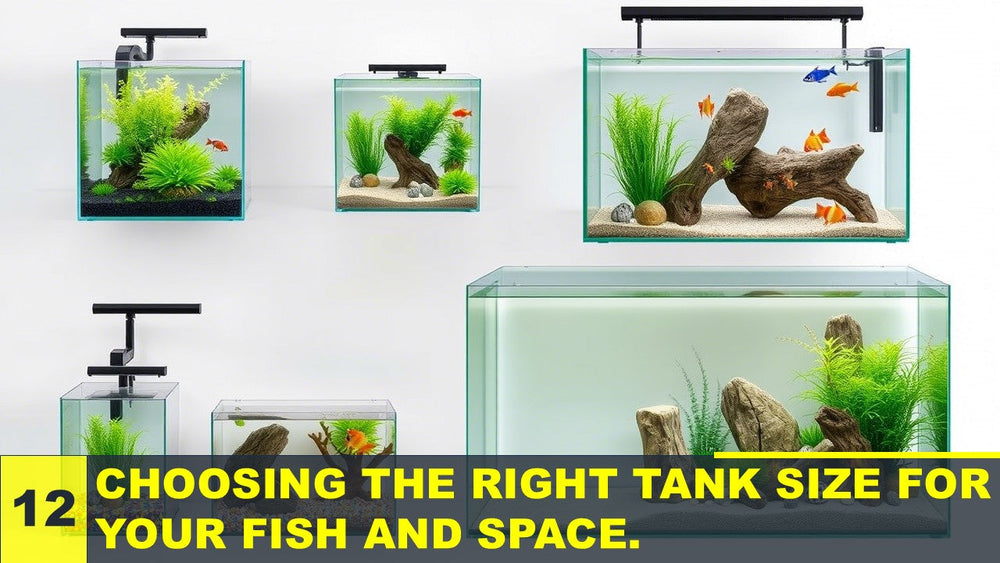
The size of your tank affects how many fish can live together. Bigger tanks allow more space for fish to swim.
Layout matters too. Open swimming space and areas for hiding help reduce stress among fish.
- Use a tank size that fits all fish comfortably
- Arrange decorations to create open and tight spaces
- Keep swimming routes clear to avoid fights
Hiding Spots And Territories
Fish need places to hide and claim as their own. This lowers aggression between species.
Provide plants, rocks, or caves to create safe spots for shy or territorial fish.
- Use plants and decorations to build hiding places
- Divide the tank into zones for different fish groups
- Respect fish that are territorial and give them space
Monitoring And Adjusting
Watch your fish regularly to see how they behave together. Look for signs of stress or fighting.
Change the tank setup or fish choices if problems appear. This keeps the tank peaceful and healthy.
- Check fish behavior daily for signs of aggression
- Move fish or add barriers if needed
- Keep water clean and balanced to reduce stress
Expert Tips For Long-term Success
Choosing the right tank mates for your fish is crucial for a healthy aquarium. Different species need different care. Follow these expert tips to ensure harmony in your fish tank.
Understanding your fish’s needs helps create a peaceful environment. Consider size, temperament, and habitat when selecting tank mates.
Gradual Introduction Techniques
Introduce new fish slowly to avoid stress. Fish need time to adjust to their new environment and tank mates.
- Start with a quarantine period for new fish.
- Add new fish during feeding times to distract existing fish.
- Observe fish interactions closely for the first few days.
Regular Health Checks
Regular health checks help identify issues early. Healthy fish are more likely to get along with their tank mates.
| Check | Frequency |
| Water quality | Weekly |
| Fish behavior | Daily |
| Physical appearance | Bi-weekly |
Adapting To Behavioral Changes
Fish behavior can change over time. Be ready to adjust your tank setup or fish companions as needed.
Frequently Asked Questions
What Factors Determine Compatible Tank Mates For Fish?
Compatible tank mates depend on fish size, temperament, and water needs. Matching these traits prevents aggression and stress. Also, consider diet and swimming levels to maintain harmony in the tank.
How To Avoid Aggression Among Different Fish Species?
Choose peaceful species with similar sizes and temperaments. Provide hiding spaces and avoid overcrowding. Proper feeding and water conditions also reduce stress and aggression.
Can Different Water Parameters Affect Fish Compatibility?
Yes, fish from different pH, temperature, or hardness ranges may struggle to thrive together. Always match tank mates with similar water parameter needs for health and compatibility.
How Many Fish Can I Safely Keep Together?
Tank size, species behavior, and filtration capacity limit fish numbers. Avoid overcrowding to reduce stress and disease. Research each species’ space needs before adding new tank mates.
Conclusion
Choosing the right tank mates keeps your fish happy and safe. Consider each fish’s size, temperament, and habitat needs carefully. Avoid mixing aggressive and peaceful species to prevent stress and harm. Watch how fish interact and act quickly if problems arise.
A peaceful, balanced tank creates a healthy environment for all. With patience and attention, you can build a beautiful, thriving community tank. Enjoy watching your fish live and grow together in harmony.