
If you want to keep saltwater fish healthy and happy, setting up the right aquarium is key. Saltwater fish have special needs that a regular tank can’t meet.
You might wonder how to create the perfect environment where your fish can thrive. This guide will help you understand everything you need to know about choosing and maintaining an aquarium designed just for saltwater species. By the end, you’ll feel confident creating a beautiful and balanced underwater world for your fish.
Keep reading to discover simple steps that make a big difference!
Credit: www.petsradar.com
Choosing The Right Aquarium
Setting up an aquarium for saltwater fish needs careful planning. The right tank helps keep your fish healthy and happy.
Think about space, materials, and where to place the aquarium in your home or office.
Tank Size And Shape
Choose a tank size that fits the fish species and your space. Bigger tanks give more stable water conditions.
- Small tanks (10-20 gallons) suit small fish but need frequent care.
- Medium tanks (30-50 gallons) are good for a variety of fish.
- Large tanks (over 50 gallons) support bigger or more fish.
- Rectangular tanks provide more surface area for oxygen.
- Cylindrical tanks look nice but have less water surface.
Material Options
Glass and acrylic are common materials for aquariums. Each has pros and cons.
| Material | Advantages | Disadvantages |
| Glass | Scratch-resistant, clearer view | Heavier, can break more easily |
| Acrylic | Lighter, more impact resistant | Scratches easily, can yellow over time |
Placement Considerations
Where you put the aquarium affects fish health and maintenance ease. Pick a stable spot away from direct sunlight.
- Avoid areas near windows to prevent algae growth.
- Place tank on a strong, level surface to support weight.
- Keep away from heaters, air conditioners, or vents.
- Choose a location with easy access for cleaning and feeding.
Essential Equipment
Maintaining saltwater fish needs the right tools. Good equipment keeps fish healthy and happy.
This guide covers key items for a saltwater aquarium. Each part plays a vital role in the tank’s success.
Filtration Systems
Filtration keeps aquarium water clean and safe. It removes waste and harmful chemicals.
- Mechanical filters trap debris and particles.
- Chemical filters remove toxins using activated carbon.
- Biological filters use good bacteria to break down waste.
Lighting Requirements
Proper lighting supports fish health and coral growth. Different species need different light types.
| Light Type | Purpose | Duration |
| LED | Energy efficient and bright | 8-12 hours daily |
| Fluorescent | Good for coral growth | 8-10 hours daily |
| Metal Halide | Strong light for deep tanks | 6-8 hours daily |
Heating And Temperature Control
Saltwater fish need steady water temperature. Use heaters and thermometers to keep it stable.
- Select a heater with the right power for your tank size.
- Place a thermometer to monitor water temperature daily.
- Adjust heater settings to keep the temperature between 72°F and 78°F.
- Use a backup heater or controller for safety.
Water Circulation
Water movement helps oxygen reach fish and removes waste. Pumps and powerheads create circulation.
Here is a simple setup for good water flow:
- Install a powerhead near the tank bottom.
- Place a return pump on the filter outlet.
- Aim flow towards the surface to increase oxygen.
- Check flow strength weekly to avoid stress on fish.
Water Quality Management
Maintaining good water quality is key for saltwater fish health. It helps fish stay strong and live longer.
Proper water management prevents diseases and keeps the tank environment stable for all species.
Salinity Levels
Salinity is the salt concentration in the water. Saltwater fish need stable salinity to survive.
Use a hydrometer or refractometer to measure salinity. Keep it between 1.020 and 1.025 specific gravity.
- Too low salinity stresses fish and can cause illness.
- Too high salinity may harm fish and corals.
- Adjust salinity slowly to avoid shock.
Ph Balance
pH shows how acidic or basic the water is. Saltwater fish need pH between 8.0 and 8.4.
Keep pH stable by avoiding sudden changes. Use buffers if pH starts to drop or rise.
- Low pH can stress fish and lower oxygen levels.
- High pH may cause ammonia to become more toxic.
- Test pH regularly to keep it in the safe range.
Ammonia, Nitrite, And Nitrate Control
Ammonia and nitrite are toxic waste products from fish and food. They must stay at zero levels.
Nitrate is less harmful but should be kept under 20 ppm. High nitrate stresses fish and causes algae.
- Use biological filters to break down ammonia and nitrite.
- Perform water changes to reduce nitrate levels.
- Do not overfeed fish to lower waste production.
Regular Water Testing
Test water often to catch problems early. Use test kits for salinity, pH, ammonia, nitrite, and nitrate.
Write down results to track changes. This helps keep water conditions stable for fish health.
- Test at least once a week in new or small tanks.
- Test less often in mature, stable tanks.
- Replace test kits regularly for accuracy.
Selecting Saltwater Fish
Choosing the right saltwater fish is key for a healthy aquarium. Each fish has different needs and behaviors.
Think about the tank size, water conditions, and how fish will interact before buying.
Popular Species Choices
Some saltwater fish are easier to care for and popular among hobbyists. Clownfish, damselfish, and gobies are good starters.
More advanced keepers might choose angelfish or tangs. These need bigger tanks and stable water quality.
- Clownfish: hardy and colorful
- Damselfish: small and active
- Gobies: peaceful bottom dwellers
- Angelfish: bright and larger
- Tangs: good algae eaters
Compatibility And Aggression
Not all saltwater fish get along well. Some species are aggressive and may attack others.
Choose fish that have similar temperaments and avoid mixing aggressive with peaceful species.
- Aggressive fish: triggers fights
- Peaceful fish: good for community tanks
- Territorial fish: need space to avoid stress
- Schooling fish: prefer groups of the same kind
Size And Growth Patterns
Fish grow at different rates and sizes. Some stay small, while others need large tanks as adults.
Check how big your fish will get before adding them to your aquarium.
| Fish Species | Adult Size | Growth Speed |
|---|---|---|
| Clownfish | 3 to 4 inches | Slow |
| Damselfish | 2 to 3 inches | Moderate |
| Gobies | 1 to 4 inches | Slow |
| Angelfish | 8 to 10 inches | Moderate |
| Tangs | 6 to 12 inches | Fast |
Feeding Saltwater Fish
Feeding saltwater fish correctly helps keep them healthy and active. Their diet depends on the species and size. Providing the right food supports their colors and immune system.
It is important to learn about diet types, feeding times, and extra supplements. This guide explains the basics to help you care for your saltwater fish.
Diet Types
Saltwater fish eat different types of food. Some prefer live food, while others eat frozen or prepared diets. Offering a variety keeps them strong and happy.
- Live food: brine shrimp, copepods, and small crustaceans
- Frozen food: bloodworms, mysis shrimp, and plankton
- Dry food: flakes and pellets designed for saltwater species
- Vegetables: seaweed and algae for herbivorous fish
Feeding Frequency
Feed your saltwater fish at regular times. Young fish eat more often than adults. Avoid overfeeding to keep the tank clean and fish healthy.
| Fish Age | Feeding Times per Day | Portion Size |
|---|---|---|
| Fry (young) | 3 to 4 | Small amounts each time |
| Juvenile | 2 to 3 | Moderate amount |
| Adult | 1 to 2 | Enough to eat in 5 minutes |
Supplements And Vitamins
Supplements help fish get nutrients missing in their diet. They keep fish colors bright and boost their immune system. Use supplements carefully and follow instructions.
- Vitamin C to improve healing and resistance
- Omega-3 fatty acids for healthy skin and fins
- Calcium for bone and shell strength
Maintaining Aquarium Health
Keeping a saltwater aquarium healthy is key for fish survival. Clean water and proper care help fish thrive.
Regular maintenance prevents problems and keeps your aquarium looking its best.
Routine Cleaning
Clean the tank weekly to remove waste and leftover food. Use a siphon to clean the gravel and change 10-20% of the water.
- Remove uneaten food daily
- Vacuum the substrate weekly
- Replace part of the water weekly
- Clean filter media monthly
- Wipe down the glass to remove debris
Algae Control
Algae can grow fast and harm the aquarium balance. Control light and nutrients to stop algae growth.
| Method | Details |
| Light Control | Limit lighting to 8-10 hours per day |
| Reduce Nutrients | Feed fish sparingly and clean waste |
| Algae Eaters | Add snails or fish that eat algae |
| Manual Removal | Scrape algae from glass and decorations |
Disease Prevention And Treatment
Keep fish healthy by watching for signs of illness. Quarantine new fish before adding them to the tank.
- Loss of appetite
- White spots or discoloration
- Rapid breathing or gasping
- Clamped fins or unusual swimming
Use medication only if needed and follow the instructions carefully.
Aquascaping For Saltwater Tanks
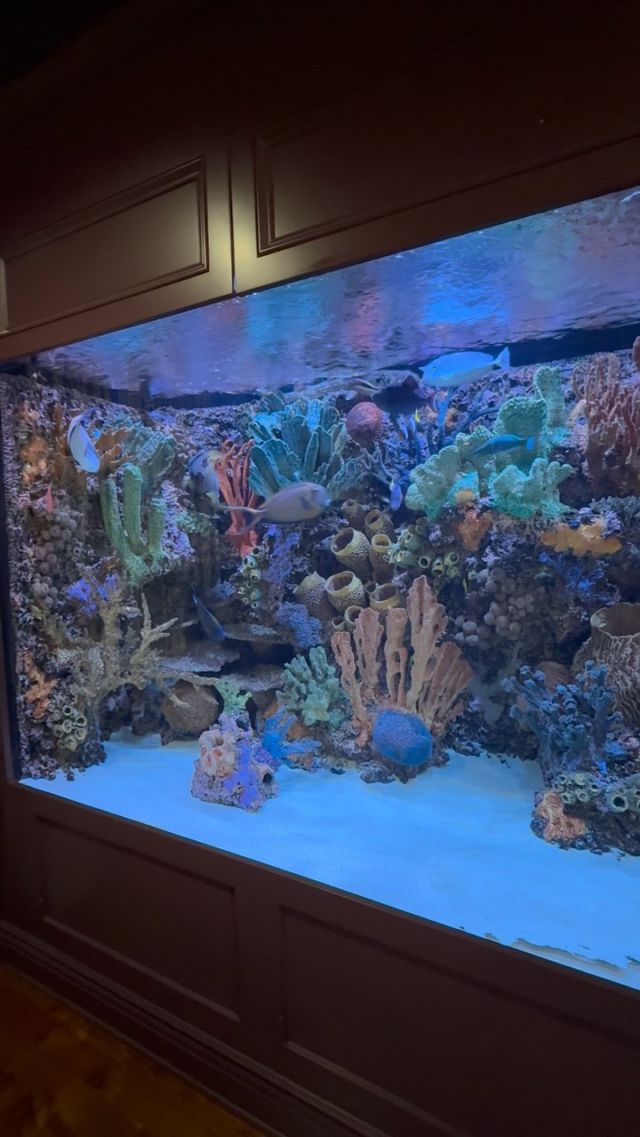
Aquascaping in saltwater tanks is an art. It involves arranging live rock, coral, and other elements to create a beautiful marine environment. This helps fish feel at home and keeps them healthy.
Designing a saltwater tank requires careful planning. Each component, like substrate and decorations, plays a role in the ecosystem. Let’s explore some key elements of aquascaping.
Live Rock And Coral
Live rock and coral are essential for saltwater tanks. They provide shelter and help filter the water naturally. Live rocks are the foundation for aquascaping.
Corals add vibrant colors and textures. They need proper lighting and water flow to thrive. Choose corals that are suitable for your tank size and water conditions.
- Soft corals: Easier for beginners
- Stony corals: Require more care
- Live rock: Supports beneficial bacteria
Substrate Choices
The substrate is the material on the tank’s bottom. It affects water chemistry and the tank’s appearance. Choose a substrate that suits your fish and corals.
A common choice is aragonite sand. It helps maintain pH levels. Crushed coral is another option but requires regular cleaning to prevent debris buildup.
- Aragonite sand: Stabilizes pH
- Crushed coral: Needs regular maintenance
- Live sand: Contains beneficial bacteria
Decorations And Hiding Spots
Decorations make the tank interesting for fish. Hiding spots help reduce stress for shy species. Use natural-looking items to create a realistic habitat.
Fish need places to hide and explore. Caves, rocks, and plants provide shelter. Ensure decorations are safe and do not harm the fish.
| Decoration Type | Purpose |
| Caves | Provide hiding places |
| Rocks | Create natural barriers |
| Plants | Enhance visual appeal |
Credit: infinityaquariums.com
Breeding Saltwater Fish
Breeding saltwater fish requires specific conditions. Each species has unique needs. It’s important to understand these for successful breeding.
With the right setup, you can encourage natural breeding behaviors. Let’s explore the key aspects of breeding saltwater fish.
Breeding Conditions
Creating the right environment is crucial. Temperature, salinity, and tank setup influence breeding success.
- Maintain stable water temperature suitable for the species.
- Ensure salinity levels match natural habitats.
- Provide hiding spots for fish to lay eggs.
Raising Fry
Fry care is vital for their survival. They need specific foods and a safe environment to thrive.
| Stage | Care Instructions |
| Hatching | Ensure water conditions are stable. |
| Feeding | Provide small, frequent meals of live food. |
| Growth | Monitor health and adjust tank conditions. |
Common Challenges
Breeding saltwater fish can be challenging. Common issues include water quality, disease, and compatibility.
Keep a close eye on water parameters to prevent stress and disease. Compatibility among fish species is essential for a harmonious tank.
Troubleshooting Common Issues
Keeping a saltwater aquarium can be tough for beginners and pros alike. Many common problems can affect fish health and water quality. Knowing how to spot and fix these issues helps keep your tank healthy.
This guide covers three frequent problems: cloudy water, fish stress, and equipment failures. Each section explains causes and simple fixes.
Cloudy Water
Cloudy water is a common sign of imbalance in your aquarium. It may be caused by bacteria, algae, or suspended particles. Clear water is important for fish health and tank appearance.
- Check for overfeeding. Remove uneaten food promptly.
- Clean or replace filter media regularly.
- Test water parameters like ammonia and nitrites.
- Perform partial water changes every week.
- Reduce light exposure to limit algae growth.
Fish Stress
Fish show stress through abnormal behavior and color changes. Stress weakens their immune systems and can cause illness.
| Cause | Signs | Solution |
|---|---|---|
| Poor water quality | Gasping, hiding | Test and improve water conditions |
| Overcrowding | Aggression, fin damage | Reduce fish number or increase tank size |
| Sudden changes | Erratic swimming | Keep stable temperature and pH |
Equipment Failures
Equipment like filters, heaters, and pumps keep your tank safe. Failures can harm fish quickly. Regular checks prevent many problems.
Follow this checklist to avoid equipment issues:
- Test heater temperature daily.
- Clean filter parts monthly.
- Listen for unusual pump noises.
- Have backup power for emergencies.
- Replace worn parts immediately.
Credit: www.chewy.com
Frequently Asked Questions
What Size Aquarium Is Ideal For Saltwater Fish?
A minimum of 30 gallons is recommended for saltwater fish. Larger tanks provide stable water conditions and more swimming space. This helps reduce stress and promotes healthier fish.
How Often Should Saltwater Aquarium Water Be Changed?
Change 10-15% of the water every 1-2 weeks. Regular water changes maintain water quality and remove toxins. This supports a healthy environment for saltwater species.
What Type Of Filtration Is Best For Saltwater Tanks?
A combination of mechanical, chemical, and biological filtration is best. Protein skimmers help remove organic waste. Proper filtration keeps water clear and safe for fish.
Can Freshwater Plants Survive In Saltwater Aquariums?
No, most freshwater plants cannot survive in saltwater. Saltwater tanks require marine plants or algae suited for saline conditions. Using correct plants supports tank balance and fish health.
Conclusion
Maintaining saltwater fish needs care and the right aquarium setup. Keep water clean and stable for healthy fish. Choose the right tank size and equipment for your species. Regular feeding and monitoring help fish thrive. Patience and attention make saltwater fishkeeping rewarding.
Enjoy the beauty and calm of your saltwater aquarium every day.