
Have you ever wondered how fish react when the water temperature changes suddenly? Understanding fish behavior under temperature stress is more important than you might think.
Whether you’re an angler, aquarium owner, or just curious about nature, knowing how your fish respond to heat or cold can help you protect them better. You’ll discover surprising ways temperature affects fish, how they cope with stress, and what signs to watch for.
Keep reading to unlock secrets that could make all the difference for your underwater friends.
Temperature Effects On Fish Physiology
Temperature affects how fish live and grow. Fish are cold-blooded, so their body changes with water temperature.
Fish must adapt to survive when water gets too hot or too cold. These changes impact their body functions.
Metabolic Rate Changes
Fish metabolism speeds up when water temperature rises. This means they use energy faster.
At low temperatures, metabolism slows down. Fish move and grow less in cold water.
- High temperature increases energy use
- Low temperature reduces metabolic activity
- Extreme temperatures can harm fish metabolism
Oxygen Consumption Variations
Fish need oxygen to live. Temperature changes how much oxygen fish use.
Warmer water holds less oxygen but makes fish breathe faster. This can stress fish.
- Warm water lowers oxygen levels
- Fish increase breathing rate in heat
- Cold water has more oxygen but slows breathing
Thermal Tolerance Limits
Fish have a range of temperatures they can survive in. Outside this range, they suffer stress.
Different fish species have different limits. Some tolerate cold better, others heat.
| Fish Species | Lower Limit (°C) | Upper Limit (°C) |
|---|---|---|
| Trout | 0 | 20 |
| Catfish | 10 | 35 |
| Tilapia | 15 | 32 |
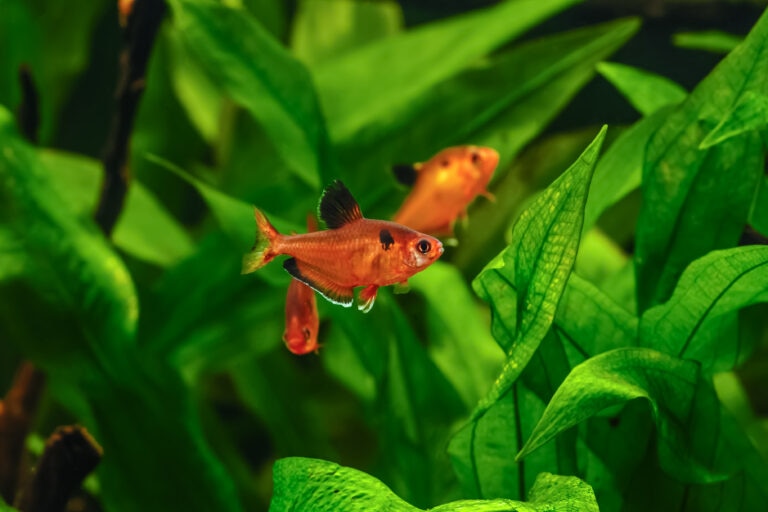
Credit: www.chewy.com
Behavioral Adaptations To Heat Stress
Fish face many challenges when water temperature rises. Heat stress affects their body and behavior.
To survive, fish change how they act. These changes help them cope with warmer water.
Altered Swimming Patterns
Fish often swim slower in hot water. This saves energy and reduces stress on their bodies.
Some fish also swim near the water surface where it is cooler. Others move less to avoid tiring out.
Feeding Behavior Shifts
Heat stress can make fish eat less. They may skip meals to save energy during hot times.
Fish might also change what they eat. They choose food that is easier to digest or find.
- Eating smaller amounts more often
- Choosing cooler feeding spots
- Preferring softer or easier food
Habitat Selection Adjustments
Fish look for cooler places to live when water heats up. They move to deeper or shaded areas.
Some fish avoid shallow waters that get too warm. They may gather near plants or rocks for cover.
Cold Stress Responses In Fish
Fish face many challenges in cold water. Low temperatures can slow their body functions. They need special ways to survive cold stress.
Cold stress affects fish behavior and their energy use. Fish adapt by changing how active they are and by making protective proteins.
Reduced Activity Levels
Fish move less in cold water to save energy. This helps them avoid using too much oxygen. They may rest more and swim slowly.
Energy Conservation Strategies
- Lower metabolism to use less energy
- Reduce feeding to match energy needs
- Seek warmer spots in their environment
- Limit unnecessary movements and activities
These strategies help fish survive when food is scarce and the cold is intense.
Cold Shock Protein Production
| Protein Type | Function |
| Heat shock proteins | Protect cell structures |
| Antifreeze proteins | Prevent ice crystal formation |
| Chaperone proteins | Help refold damaged proteins |
Fish produce these proteins to protect cells from cold damage. They keep fish healthy during sudden temperature drops.
Survival Mechanisms Under Extreme Temperatures
Fish face tough challenges when water temperatures rise or fall sharply. Extreme heat or cold can harm their bodies and disrupt normal functions.
To survive, fish use special methods that help their bodies adjust and protect themselves from damage caused by temperature changes.
Stress Hormone Regulation
When fish experience temperature stress, their bodies release stress hormones like cortisol. These hormones help manage energy and keep vital processes working.
Stress hormone levels rise quickly, triggering changes that protect fish from damage caused by heat or cold.
Immune System Modulation
Extreme temperatures affect fish immune systems. Their ability to fight infections may weaken or strengthen depending on the stress level.
| Temperature Effect | Immune Response |
|---|---|
| High Heat | Immune suppression, risk of infection rises |
| Cold Stress | Immune activation, slower metabolism |
| Moderate Stress | Balanced immune activity for survival |
Behavioral Avoidance Tactics
Fish change their behavior to avoid harmful temperatures. They move to cooler or warmer areas or hide in shaded spots.
- Swim to deeper water where temperature is stable
- Seek shelter among plants or rocks
- Reduce activity to save energy
- Form groups to reduce stress effects
Impact On Reproduction And Growth
Fish behavior changes when water temperatures rise. These changes affect their reproduction and growth. Understanding these impacts helps us protect fish populations.
Temperature stress can alter spawning times, affect egg and larvae health, and change growth rates. Each factor plays a crucial role in fish survival.
Spawning Timing Changes
Fish may spawn earlier or later due to temperature shifts. This can disrupt their natural breeding cycle. If the timing is off, their young may face survival challenges.
- Early spawning can expose eggs to cold conditions
- Late spawning may reduce food availability for larvae
- Incorrect timing affects fish population balance
Egg And Larvae Viability
Temperature stress impacts egg and larvae health. Higher temperatures can reduce their viability. This means fewer young fish survive to adulthood.
Healthy eggs and larvae are crucial for sustaining fish populations. Temperature changes can make them weaker and more vulnerable to predators.
Growth Rate Fluctuations
Fish growth rates vary with temperature changes. Warmer waters might speed up growth, but not always in a healthy way. Rapid growth can lead to weaker fish.
| Temperature | Growth Rate Impact |
| Cold | Slower growth, better health |
| Warm | Faster growth, possible health issues |

Credit: fishbio.com
Implications For Fisheries And Conservation
Fish behavior changes a lot when water temperature rises or falls. These changes affect fish survival and reproduction. Understanding these effects helps protect fish populations and manage fisheries well.
Temperature stress can cause fish to move, eat less, or breed differently. These shifts impact the balance of ecosystems and the fishing industry. Careful study guides better conservation decisions.
Population Dynamics Shifts
When temperatures change, fish populations often shift in size and location. Some species may grow smaller or reproduce less. Others might move to cooler areas.
- Reduced growth rates lower fish numbers.
- Altered breeding cycles affect young fish survival.
- Migration to new habitats can change predator-prey balance.
- Some species may face local extinction.
Habitat Management Approaches
Managing fish habitats means protecting places where fish live and breed. Warmer waters require new strategies to keep habitats healthy.
| Management Strategy | Purpose | Example |
|---|---|---|
| Restoring wetlands | Improve breeding grounds | Replanting marsh plants |
| Creating shaded areas | Lower water temperature | Adding trees along rivers |
| Controlling pollution | Maintain water quality | Reducing agricultural runoff |
| Monitoring fish movements | Track habitat use | Tagging fish for study |
Climate Change Considerations
Climate change raises water temperatures and changes rainfall patterns. These changes add stress to fish and their habitats. Planning must include climate effects for future success.
- Reduce carbon emissions to slow warming.
- Develop fish stocks that tolerate warmer water.
- Protect migration routes for shifting fish populations.
- Increase research on temperature effects.

Credit: fishbio.com
Frequently Asked Questions
How Does Temperature Affect Fish Behavior?
Temperature changes influence fish metabolism and activity levels. Cold stress slows movement, while heat stress increases aggression and oxygen demand. Fish may seek cooler or warmer areas to regulate body temperature and maintain survival.
What Signs Indicate Fish Under Temperature Stress?
Fish under temperature stress may show erratic swimming, reduced feeding, lethargy, or increased respiration rates. Color changes and hiding behavior are also common signs indicating discomfort or distress due to unsuitable temperatures.
Can Fish Adapt To Temperature Fluctuations?
Some fish species adapt by altering behavior, migration, or physiological processes. However, rapid or extreme temperature changes often overwhelm their adaptation ability, leading to stress, weakened immunity, and increased mortality risk.
Why Is Temperature Regulation Important For Fish Health?
Proper temperature regulation ensures optimal metabolic function and immune response in fish. It prevents stress-related diseases, supports growth, and maintains overall ecosystem balance, critical for aquaculture and wild fish populations.
Conclusion
Fish change their behavior when water temperature shifts. These changes affect feeding, movement, and breathing. Warmer water can make fish more active but also stressed. Cooler water may slow their actions and lower metabolism. Understanding these responses helps protect fish and their habitats.
It also guides fishing and conservation efforts. Watching how fish react reveals their health and environment. Temperature stress is a key factor in aquatic life survival. Paying attention to it supports a balanced ecosystem. Fish behavior tells a story we must listen to carefully.