
Setting up a species-specific reef tank is an exciting way to bring a slice of the ocean right into your home. But to keep your unique marine friends happy and healthy, you need more than just a tank and water.
You need to understand their specific needs and how to care for them properly. In this guide, you’ll discover simple yet effective tips that make all the difference in creating a thriving reef environment. Whether you’re new to reef keeping or looking to improve your skills, this article will help you take confident steps toward mastering your species-specific reef tank.
Ready to become the best caretaker your reef has ever seen? Let’s dive in!
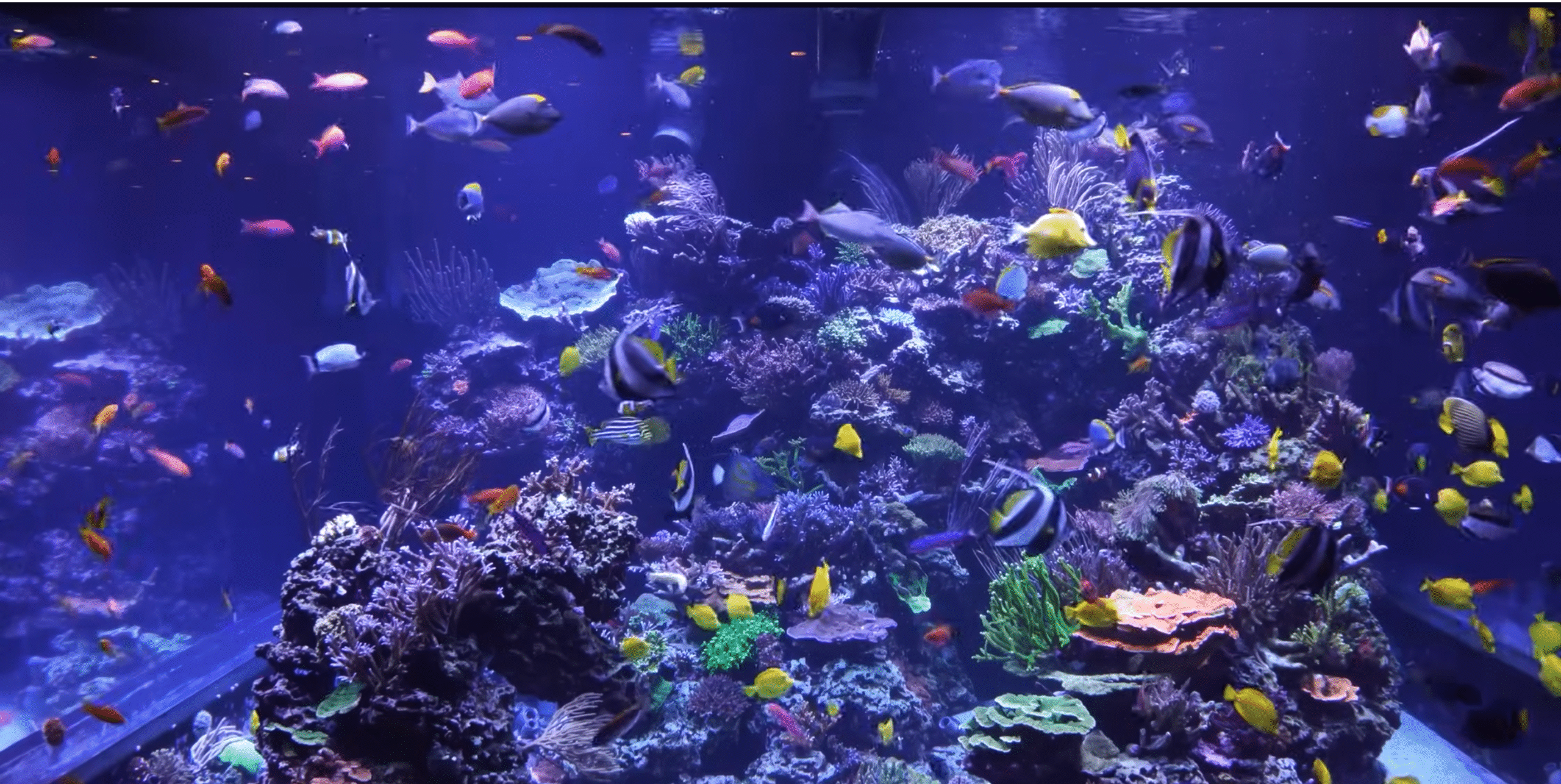
Credit: thefishtankcorner.com
Choosing The Right Species
Choosing the right species is key for a healthy reef tank. Each species has unique needs. Picking compatible animals helps the tank thrive.
Learn about species’ behavior and environment before adding them. This guide covers important points to consider when selecting species.
Compatibility Considerations
Not all fish and corals live well together. Some species may fight or compete for space. Understanding compatibility is vital.
- Check if fish are aggressive or peaceful.
- Avoid species that eat corals or smaller fish.
- Consider size differences to prevent bullying.
- Keep similar water condition needs together.
Researching Habitat Needs
Each species needs specific water conditions and habitat. Match these needs to your tank setup for best results.
| Species Type | Water Temperature (°F) | Salinity (ppt) | Light Level |
| Clownfish | 74-79 | 35 | Medium |
| Acropora Coral | 75-80 | 34-36 | High |
| Cleaner Shrimp | 72-78 | 33-35 | Low to Medium |
Selecting Compatible Fish And Corals
Choose fish and corals that live well together in similar conditions. Balance peaceful and active species to avoid stress.
- Pair small fish with gentle corals.
- Keep corals that need similar light and flow.
- Include scavengers to help clean the tank.
- Avoid mixing species that share the same food source.
Setting Up The Tank
Setting up a species-specific reef tank needs careful planning. The right environment helps your reef thrive.
Focus on tank size, substrate, decorations, and lighting. These factors create a healthy home for your reef species.
Tank Size And Shape
Choose a tank size that fits the species’ needs and your space. Larger tanks keep water conditions stable.
Shape matters too. A tall tank suits corals that grow upward. A wide tank gives more floor space for crawling species.
Substrate And Decorations
Select substrate and decorations that match the natural habitat of your species. This helps them feel safe and behave naturally.
- Use sand or crushed coral substrate for burrowing species
- Add live rock for hiding places and natural filtration
- Include coral skeletons or reef-safe ornaments as shelters
- Avoid sharp decorations that can harm delicate species
Lighting Requirements
| Light Type | Purpose | Recommended Duration |
| LED | Simulates natural sunlight and promotes coral growth | 8-10 hours daily |
| Fluorescent | Good for low light species | 6-8 hours daily |
| Metal Halide | Strong light for intense coral needs | 8-10 hours daily |
Adjust the light intensity to avoid stressing your reef species. Use timers to keep a steady light cycle.
Water Quality Essentials
Water quality is very important for a species-specific reef tank. Good water helps fish and corals stay healthy. Keeping water clean and balanced takes regular care and monitoring.
Different species need certain water conditions. You must keep these conditions steady. This guide covers key parts of water quality for your reef tank.
Filtration Systems
Filtration removes waste and toxins from the water. It keeps the water clear and safe. Use a filter that fits your tank size and species needs.
Common filters include mechanical, biological, and chemical types. Mechanical filters catch debris. Biological filters use bacteria to break down waste. Chemical filters remove harmful chemicals.
- Mechanical filters trap solid particles
- Biological filters convert ammonia to less harmful substances
- Chemical filters remove toxins and impurities
- Clean or replace filter media regularly
Maintaining Salinity And Ph
Salinity and pH levels affect how reef species live. Salinity means how salty the water is. pH shows how acidic or basic the water is.
Check salinity and pH often with reliable tools. Keep salinity stable between 1.023 and 1.025 specific gravity. Aim for pH between 8.0 and 8.4 for most reef tanks.
- Use a refractometer or hydrometer for salinity
- Test pH with a digital meter or test kit
- Adjust salinity by adding fresh or saltwater
- Use buffers to keep pH steady
Temperature Control
Temperature affects fish and coral health. Most reef species prefer 75°F to 80°F (24°C to 27°C). Keep the temperature steady to avoid stress.
Use a heater and a thermometer to control temperature. A cooling fan or chiller can help if the tank gets too warm. Check temperature daily to keep it stable.
- Set heater to the right temperature range
- Use a reliable thermometer for daily checks
- Cool water if temperature rises above 80°F (27°C)
- Avoid sudden temperature changes

Credit: pethelpful.com
Feeding Specific Species
Caring for a species-specific reef tank means feeding your marine animals properly. Each species has unique food needs. Feeding the right diet helps them stay healthy and active.
Understanding what and how often to feed is key. This guide covers diet types, supplementing nutrition, and avoiding overfeeding.
Diet Types And Schedules
Different reef species eat different foods. Some eat algae, others prefer meaty foods or plankton. Feeding schedules depend on the species’ metabolism and activity.
- Herbivores need algae or seaweed daily.
- Carnivores eat frozen or live shrimp, fish, or worms 2-3 times a week.
- Omnivores require a mix of plant and animal foods every day.
- Feed small amounts 1-2 times per day to avoid waste.
Supplementing Nutrition
Some species need extra vitamins and minerals. Supplements help fill gaps in their diet. Use supplements designed for marine life.
- Use liquid vitamins for corals and invertebrates.
- Add calcium or iodine for species that need strong shells or skeletons.
- Feed enriched foods to boost nutrient intake.
- Follow package instructions carefully to avoid overdose.
Avoiding Overfeeding
Overfeeding causes water pollution and health problems in reef tanks. Feed only what your animals can eat quickly. Remove leftover food to keep water clean.
- Feed small portions to prevent waste buildup.
- Watch your animals during feeding to check their appetite.
- Adjust feeding amounts if food remains uneaten.
- Keep a regular feeding schedule to maintain tank balance.
Regular Maintenance Tasks
Caring for a species-specific reef tank needs regular attention. Routine tasks keep the tank safe and healthy.
Consistent care helps your reef species thrive in their environment over time.
Water Changes
Regular water changes remove waste and keep water quality high. Changing 10-20% of water every 1-2 weeks is best.
- Use clean, salt-mixed water matching tank temperature
- Remove water slowly to avoid stressing the tank inhabitants
- Clean the substrate lightly during water removal
- Add new water gently to maintain balance
Equipment Checks
Check all equipment weekly to ensure it works properly. Broken gear can harm your reef tank.
| Equipment | Check | Frequency |
| Heater | Temperature accuracy | Weekly |
| Filter | Clean and clear flow | Weekly |
| Lighting | Proper intensity and timer | Weekly |
| Protein Skimmer | Remove waste buildup | Weekly |
Monitoring Health
Watch your reef species daily for signs of illness or stress. Early detection helps prevent problems.
Look for these signs in your reef inhabitants:
- Faded colors or unusual spots
- Slow or erratic movement
- Damaged fins or coral tissue
- Loss of appetite or hiding behavior
Managing Common Issues
Caring for a species-specific reef tank can be rewarding. Yet, common issues may arise that need attention. Understanding how to manage these problems ensures a healthy tank environment.
Here, we will explore ways to prevent disease, control algae, and handle aggressive behavior among your aquatic creatures.
Disease Prevention
Preventing disease in your reef tank is crucial. Healthy water conditions keep fish and corals safe.
- Maintain proper water temperature and salinity
- Regularly test water quality for ammonia and nitrates
- Quarantine new fish before adding them to the tank
Algae Control
Algae can quickly overtake a reef tank if not managed. It is important to take steps to control its growth.
Introducing algae-eating species, like snails, can also help. Ensure they are compatible with your existing tank inhabitants.
Handling Aggressive Behavior
Aggressive behavior among fish can lead to stress and injury. Identifying the root cause is essential for resolution.
| Behavior | Solution |
| Nipping fins | Provide more hiding spaces |
| Chasing | Rearrange tank decorations |
| Territorial disputes | Add more plants or rocks |
Monitoring the tank regularly can help catch these issues early. With the right steps, you can ensure a peaceful aquatic environment.
Enhancing Tank Environment
Creating a good environment is key for a species-specific reef tank. It helps fish and corals live healthy and happy.
Small changes can make a big difference. Focus on adding plants, making hiding spots, and encouraging natural behavior.
Adding Live Plants And Corals
Live plants and corals improve water quality and look natural. They provide shelter and food for many reef species.
Choose plants and corals that fit the needs of your specific species. Make sure they get enough light and nutrients.
Creating Hiding Spots
Hiding spots reduce stress for reef animals. They feel safe and can rest when they need to.
Use rocks, caves, and coral formations to build hiding places. Make sure spaces are big enough for your species.
- Use live rock to create caves and tunnels
- Add coral branches for small fish to hide
- Arrange decorations to avoid overcrowding
Encouraging Natural Behavior
Encouraging natural behavior keeps fish and corals active and healthy. It helps them feel at home.
Provide places to explore, feed in ways that mimic nature, and keep water conditions stable to support their habits.
- Feed small amounts several times a day
- Use flow pumps to mimic ocean currents
- Provide open spaces for swimming and exploring

Credit: myfirstfishtank.com
Frequently Asked Questions
What Is A Species-specific Reef Tank?
A species-specific reef tank houses only one coral or fish species. It ensures ideal conditions tailored to that species’ needs. This reduces stress and promotes healthier growth. It also simplifies care and monitoring in your reef tank.
How Do I Choose The Right Species For My Reef Tank?
Consider the species’ size, temperament, and care needs. Research their compatibility with your tank environment and other inhabitants. Choose species suited to your tank size and lighting. This helps maintain a balanced, thriving reef ecosystem.
What Water Parameters Are Crucial For Species-specific Tanks?
Maintain stable temperature, salinity, pH, and nitrate levels. Each species requires specific ranges for optimal health. Regularly test water and adjust using quality equipment. Consistency prevents stress and disease in your reef inhabitants.
How Often Should I Clean A Species-specific Reef Tank?
Clean the tank weekly or as needed to remove algae and debris. Regular water changes, filter maintenance, and substrate cleaning are essential. This preserves water quality and keeps your species healthy and vibrant.
Conclusion
Caring for a species-specific reef tank takes patience and care. Choose the right fish and corals for your tank. Keep water clean and check parameters often. Feed your creatures the food they need. Watch your tank daily for any changes.
Small steps make a big difference over time. Enjoy the beauty and peace your reef tank brings. Stay consistent, and your tank will thrive.