
If you love small fish, setting up the perfect aquarium can be both exciting and a little tricky. You want your tiny swimmers to thrive, but where do you start?
Choosing the right setup is key to keeping your fish healthy and your tank beautiful. You’ll discover simple tips and expert advice to create an aquarium that fits your small fish’s needs perfectly. Ready to make your aquarium a vibrant, peaceful home?
Let’s dive in!
Choosing The Right Tank Size
Picking the right tank size is important for small fish. It helps them live healthy and happy.
A proper tank size supports good water quality and enough space to swim.
Ideal Dimensions For Small Fish
Small fish need tanks that fit their size and activity level. Too small tanks can stress fish.
A tank that is at least 10 gallons is good for most small fish. It gives enough room to swim.
- Length: 20 inches or more
- Width: 10 inches or more
- Height: 12 inches or more
Benefits Of Smaller Tanks
Smaller tanks use less space and cost less to set up. They are easier to clean too.
Small tanks allow quick changes in water temperature and chemistry. This needs careful monitoring.
- Save space in your home
- Lower initial cost
- Easy to move and maintain
- Good for beginner fish keepers
Common Tank Shapes
Tank shape affects swimming space and decoration options. Choose shapes that match your fish needs.
Rectangular tanks are popular. They provide good surface area for oxygen and space for fish.
- Rectangular tanks: Best for most small fish
- Cylindrical tanks: Stylish but less space
- Bow-front tanks: Good viewing, less space inside
- Cube tanks: Compact and easy to fit
Selecting Suitable Fish Species
Choosing the right fish species is key for a healthy aquarium. Small fish fit well in limited spaces.
Each species has different needs and behaviors. Pick species that match your tank size and conditions.
Popular Small Fish Varieties
Many small fish species are great for beginners and small tanks. They add color and life without crowding.
- Neon Tetras: Bright and peaceful, they like groups.
- Guppies: Hardy and colorful, easy to care for.
- Zebra Danios: Active swimmers, tolerant of many conditions.
- Corydoras Catfish: Bottom dwellers, good for cleaning.
- Endler’s Livebearers: Small and lively, very social.
Compatibility Considerations
Not all small fish get along well. Some fish nip fins or compete for food.
| Fish Species | Temperament | Best Tank Mates |
| Neon Tetras | Peaceful | Other tetras, small rasboras |
| Guppies | Peaceful but active | Platies, mollies, other guppies |
| Zebra Danios | Active and social | Other danios, small peaceful fish |
| Corydoras Catfish | Calm bottom dweller | Most peaceful fish |
| Endler’s Livebearers | Social and peaceful | Small peaceful fish |
Avoiding Overcrowding
Overcrowding causes stress and poor water quality. It leads to fish illness and death.
- Calculate tank size before adding fish.
- Follow the one-inch-per-gallon rule.
- Keep similar size fish together.
- Monitor fish behavior regularly.
- Remove fish if tank seems crowded.
Essential Equipment For Small Aquariums
Setting up a small aquarium for fish needs the right tools. The right equipment keeps fish healthy and the tank clean.
Choosing good equipment helps maintain water quality, temperature, and lighting for small fish species.
Filters And Aeration
Filters keep water clean by removing waste and dirt. Aeration adds oxygen to the water, which fish need to breathe.
- Hang-on-back (HOB) filters are easy to use and clean.
- Sponge filters provide gentle filtration for small fish.
- Air pumps connect to air stones to add bubbles and oxygen.
- Internal filters fit inside the tank and save space.
Lighting Options
Lighting helps fish see and plants grow. It also shows the tank’s colors well.
| Type | Use | Best For |
|---|---|---|
| LED Lights | Bright and energy-saving | Most small aquariums |
| Fluorescent Lights | Good for plant growth | Planted tanks |
| Incandescent Bulbs | Less common, produce heat | Small tanks without plants |
Heaters And Thermometers
Small fish need steady water temperature. Heaters keep water warm, and thermometers show the temperature.
Choose heaters with these features:
- Adjustable temperature settings
- Auto shut-off to prevent overheating
- Small size to fit compact tanks
Use digital or stick thermometers for easy reading.

Credit: www.blessingsaquarium.com
Setting Up The Aquarium Environment
Setting up an aquarium for small fish needs careful planning. A good environment helps fish stay healthy and active.
Choose the right materials and decorations to create a safe and natural space for your fish.
Choosing Substrate And Decorations
Substrate is the material that covers the aquarium bottom. It affects water quality and fish comfort. Small gravel or sand works well for small fish.
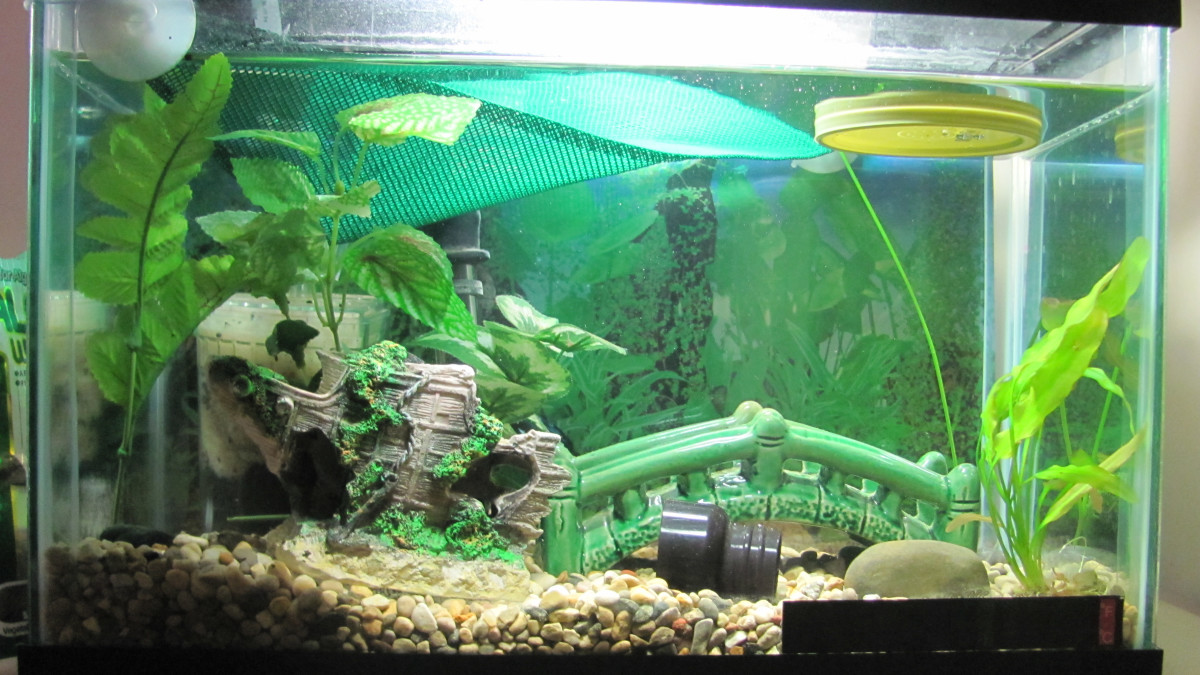
Decorations add beauty and interest. Use smooth stones and small ornaments without sharp edges. Avoid overcrowding the tank to give fish space to swim.
- Use fine gravel or sand for easy cleaning
- Pick natural colors to mimic fish habitat
- Avoid sharp or rough decorations
- Keep open swimming areas
Adding Live Plants
Live plants improve water quality by absorbing harmful substances. They also provide oxygen and natural hiding spots for fish.
Choose easy-to-care plants that grow well in your tank’s light and temperature. Plants like Java moss and Anubias are good for small fish tanks.
- Java moss offers good cover for small fish
- Anubias grows slowly and needs little light
- Amazon sword plants add height and color
- Place plants where fish can swim freely
Creating Hiding Spots
Small fish feel safe when they have places to hide. Use caves, tunnels, or plant clusters as hiding spots.
Hiding spots reduce stress and encourage natural behavior. Make sure the spots fit the fish size and allow easy entry and exit.
- Use small ceramic caves or clay pots
- Create tunnels with smooth rocks
- Group plants to form dense cover
- Check hiding spots often for cleanliness
Water Quality And Maintenance
Keeping the water clean is important for small fish. It helps them stay healthy and live longer.
Good water quality requires regular care. This includes testing, cleaning, and changing the water.
Testing Water Parameters
Testing the water helps you know if it is safe for fish. Regular tests check for harmful substances.
Common tests include pH, ammonia, and nitrate levels. Kits are available to make testing easy at home.
- Test weekly for stable conditions
- Record results to track changes
- Adjust levels if they are too high or low
Regular Cleaning Routines
Cleaning the tank removes dirt and waste. It prevents harmful bacteria from growing.
Cleaning includes wiping surfaces and vacuuming the gravel. This should be done every couple of weeks.
- Use a sponge for glass surfaces
- Vacuum the gravel to remove debris
- Rinse decorations under warm water
Water Change Tips
Changing the water helps keep it fresh. It dilutes pollutants that can harm fish.
Partial water changes are best. Replace about 25% of the water every week.
- Use a bucket to remove old water
- Add dechlorinator to new water
- Slowly pour new water into the tank
Credit: pethelpful.com
Feeding Small Fish Properly
Feeding small fish the right way is important to keep them healthy. Small fish need food that fits their size and diet needs.
Giving the correct amount of food helps avoid water problems in the aquarium. It also keeps your fish active and strong.
Types Of Fish Food
Small fish eat different types of food. Choose food that matches their natural diet and size.
Common types include flakes, pellets, and live or frozen foods. Each type offers different nutrients.
- Flakes are easy to digest and good for many small fish.
- Pellets sink slowly and suit bottom-feeding fish.
- Live foods like brine shrimp provide protein and help fish stay active.
- Frozen foods are a healthy alternative to live food and last longer.
Feeding Schedules
Small fish need regular feeding times. Feeding them twice a day works well for most species.
Keep feeding sessions short to avoid leftover food. Small meals help fish digest better and reduce waste.
- Feed in the morning and evening.
- Give only what fish can eat in 2-3 minutes.
- Adjust feeding based on fish activity and growth.
Avoiding Overfeeding
Overfeeding can harm fish and make the tank dirty. Extra food breaks down and pollutes the water.
Feed small amounts and watch your fish’s behavior. Stop feeding if food remains after feeding time.
- Remove uneaten food after feeding.
- Use a feeding ring to control food spread.
- Observe fish for signs of overeating like bloating.
Monitoring Fish Health
Keeping small fish healthy is key to a good aquarium setup. Watching your fish daily helps catch problems early.
Healthy fish swim actively and eat well. Changes in behavior or appearance may show illness.
Recognizing Common Diseases
Small fish can get many diseases. Some signs include spots, cloudiness, or frayed fins. Watch for fast breathing or hiding.
- White spots on body or fins
- Red or inflamed areas
- Swollen belly or eyes
- Loss of appetite or weight
- Erratic swimming or floating
Quarantine Practices
New fish may carry diseases. Keep them in a separate tank for at least two weeks. Watch for illness before adding them to the main tank.
| Quarantine Duration | At Least 14 Days |
| Tank Size | Small, 5-10 Gallons |
| Water Conditions | Same as Main Tank |
| Observation Tips | Check for Spots, Behavior Changes |
Treatment Options
Treat fish illnesses quickly. Use medicine designed for small fish. Follow instructions to avoid harm.
- Identify the disease or symptom
- Choose the correct medicine or remedy
- Isolate sick fish if possible
- Follow dosage instructions carefully
- Monitor fish daily for improvement
Tips For Beginners
Setting up an aquarium for small fish can be exciting. It is important to create a safe and healthy environment for your fish.
Beginners should focus on the basics. Understanding these can prevent common issues and ensure a thriving tank.
Avoiding Common Mistakes
Many beginners make similar mistakes. These errors can harm your fish and your tank’s ecosystem.
Overfeeding is one of the most common issues. Fish need only small amounts of food to stay healthy.
- Check water quality regularly
- Avoid overcrowding the tank
- Research fish compatibility before buying
Building A Routine
Having a consistent routine is key for aquarium health. Regular tasks ensure a clean and balanced environment.
Schedule weekly water changes. This keeps the tank clean and reduces harmful chemicals.
- Feed fish daily at the same time
- Inspect equipment monthly
- Monitor fish behavior for signs of stress
Seeking Community Support
Joining aquarium communities can be helpful. Experienced hobbyists offer advice and support.
Forums and social media groups are great places to ask questions. You can learn from others’ experiences.
- Share your aquarium setup photos
- Ask for feedback on your fish care routine
- Participate in local aquarium club meetings

Credit: www.youtube.com
Frequently Asked Questions
What Tank Size Is Best For Small Fish Species?
A 10 to 20-gallon tank is ideal for most small fish. It provides enough space for swimming and maintaining stable water conditions. Avoid overcrowding to ensure healthy fish and easy maintenance.
How To Choose The Right Substrate For Small Fish?
Use fine gravel or sand as substrate for small fish. It mimics their natural environment and supports beneficial bacteria. Avoid sharp or large substrate pieces that can harm delicate fish.
Which Plants Suit Small Fish Aquarium Setups?
Live plants like Java moss, Anubias, and Hornwort work well. They offer hiding spots, improve water quality, and create a natural habitat for small fish.
How Often Should I Clean A Small Fish Aquarium?
Clean 25% of the water weekly to maintain water quality. Remove debris and vacuum the substrate gently. Regular cleaning prevents harmful toxin buildup and keeps fish healthy.
Conclusion
Small fish need simple tanks with clean water and proper care. Choose the right size tank and add safe plants. Keep the water temperature steady for happy fish. Regular feeding and cleaning help fish stay healthy. Watching small fish swim brings calm and joy.
Start small, learn, and enjoy your aquarium journey. Small changes make a big difference in fish care. Your fish will thrive with patience and good habits.