
Are you tired of dealing with overheating problems that slow you down or damage your equipment? Finding the right cooling solutions and techniques can make a huge difference in keeping things running smoothly and comfortably.
Whether you’re managing a busy workspace, protecting sensitive electronics, or just trying to stay cool at home, understanding how to cool effectively is key. You’ll discover simple and smart ways to beat the heat, save energy, and improve performance. Keep reading to unlock the secrets that will help you stay cool when it matters most.
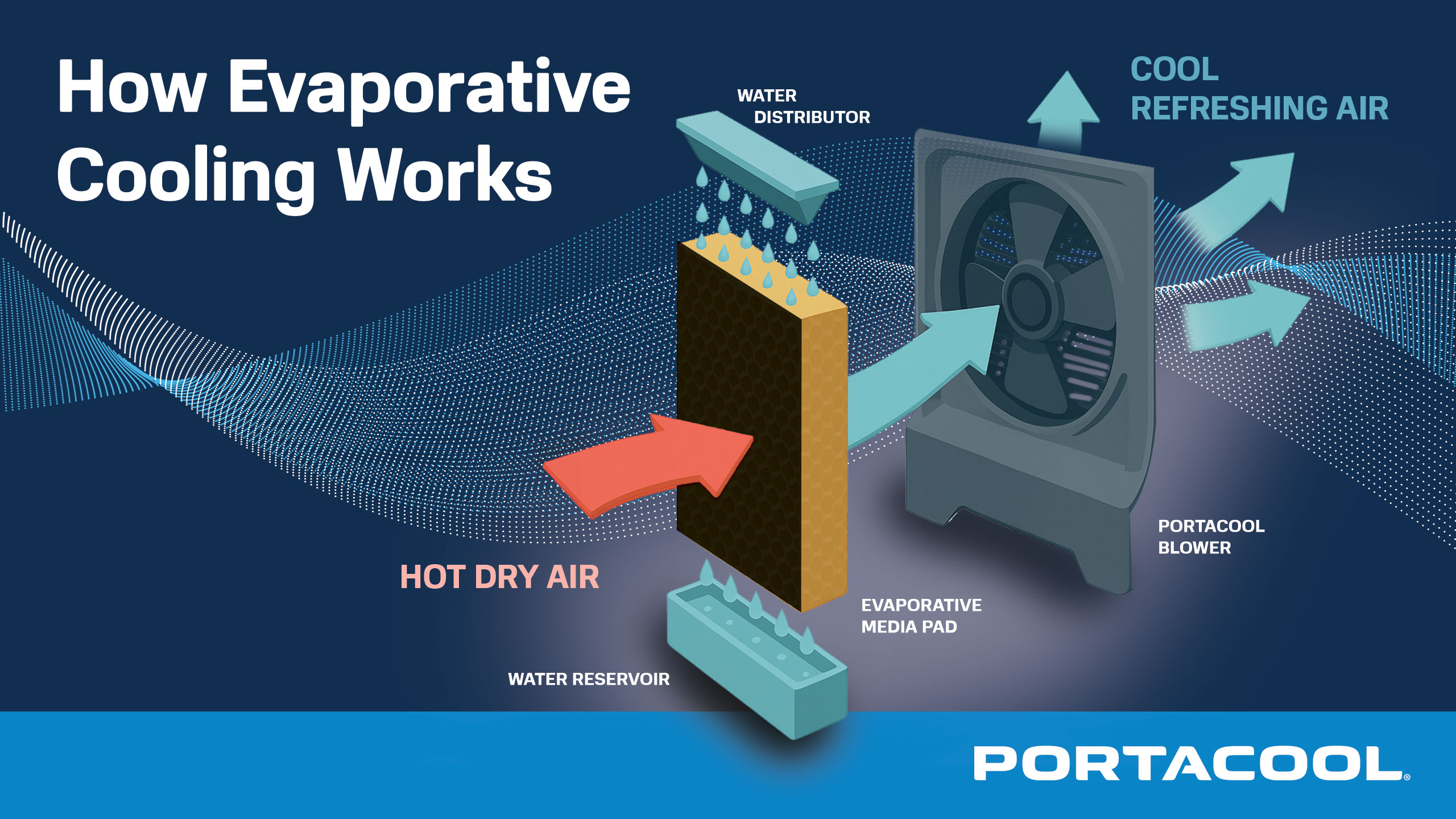
Credit: www.portacool.com
Types Of Cooling Solutions
Cooling solutions help keep devices and systems from overheating. They improve performance and extend device life.
There are several ways to cool electronics and machines. Each type works best in different situations.
Air Cooling Systems
Air cooling uses fans or blowers to move air over hot parts. This helps carry heat away from the device.
It is the most common cooling method because it is simple and cost-effective. Air cooling works well for many computers and appliances.
- Uses fans to blow air
- Relies on heat sinks to absorb heat
- Easy to install and maintain
- Best for low to moderate heat levels
Liquid Cooling Systems
Liquid cooling moves heat using water or special fluids. The liquid absorbs heat and moves it to a radiator.
This method cools better than air because liquids carry heat away faster. It is common in high-performance computers and machines.
- Uses water or coolant fluids
- Includes pumps to circulate liquid
- Needs a radiator to release heat
- Quiet and efficient for heavy cooling
Thermoelectric Cooling
Thermoelectric cooling uses electric current to move heat from one side to another. It works without moving parts.
This type is small and reliable. It fits well in compact devices that need precise cooling.
- Uses Peltier modules to cool
- No fans or liquids needed
- Good for small electronics
- Less efficient for large heat loads
Phase Change Cooling
Phase change cooling moves heat by changing a liquid into gas and back. This process absorbs and releases heat.
It works like a refrigerator or air conditioner. This method cools very well but is more complex and costly.
- Uses refrigerants to transfer heat
- Includes compressors and condensers
- Very effective for high heat loads
- Used in special electronics and data centers
Choosing The Right Cooling Method
Selecting the right cooling method is important for keeping devices safe. Cooling helps stop overheating and keeps things working well.
Different cooling techniques work better for different needs. It is good to know the options before choosing one.
Factors To Consider
Think about the space where cooling will happen. Size and airflow affect which option is best. Noise level may also matter in some places.
Heat output of the device is key. High heat needs stronger cooling. Low heat can use simpler methods.
- Room size and ventilation
- Heat generated by devices
- Noise restrictions
- Maintenance needs
Compatibility With Devices
Not all cooling techniques fit every device. Some devices need air cooling. Others work best with liquid cooling.
Check if the cooling method matches the device design and parts. Using the wrong method can cause damage or poor cooling.
- Air cooling suits low to medium heat devices
- Liquid cooling is good for high heat devices
- Passive cooling works for small or low power gadgets
- Active cooling uses fans or pumps for better heat removal
Cost And Efficiency
Cooling methods vary in price and how well they work. Choose one that fits your budget and cools well enough.
Some cooling options cost less but use more energy. Others cost more but save power. Think about long-term costs too.
| Cooling Method | Initial Cost | Energy Use | Cooling Efficiency |
|---|---|---|---|
| Air Cooling | Low | Medium | Good for low heat |
| Liquid Cooling | High | Low to Medium | Best for high heat |
| Passive Cooling | Very Low | None | Limited, small devices |
Installation Tips And Best Practices
Cooling solutions help keep spaces comfortable and safe. Proper installation is key to their performance.
Following best practices during setup saves time and avoids issues later. This guide covers key tips.
Proper Placement
Place cooling units where air can flow freely. Avoid spots blocked by furniture or walls.
- Install near windows or vents for fresh air intake
- Keep units away from heat sources like ovens
- Allow 12 inches of space around the unit
- Position at a height that cools the room evenly
Maintenance Tips
Regular care keeps cooling systems efficient. Clean and check parts often.
| Task | Frequency | Notes |
| Clean filters | Monthly | Removes dust and improves airflow |
| Check coolant levels | Every 6 months | Prevents system overheating |
| Inspect electrical connections | Annually | Ensures safe operation |
| Clear debris around unit | Monthly | Maintains airflow and efficiency |
Avoiding Common Mistakes
Many problems come from simple errors. Watch for these during installation.
- Do not block vents or filters
- Avoid undersized units for large spaces
- Never skip sealing gaps to prevent air leaks
- Don’t ignore manufacturer instructions
- Use correct power supply and wiring

Credit: www.familyhandyman.com
Innovative Cooling Technologies
Cooling technologies keep our homes, devices, and bodies comfortable. New ideas focus on saving energy and using smart designs.
These innovations help reduce heat in efficient and eco-friendly ways. They improve life quality and protect the environment.
Smart Cooling Systems
Smart cooling systems use sensors and automation to cool spaces efficiently. They adjust temperature based on real-time needs.
These systems reduce energy use by turning off or lowering cooling when rooms are empty. They also connect to smartphones for easy control.
- Use motion sensors to detect people
- Adjust cooling based on weather data
- Allow remote control via apps
- Learn user habits to optimize cooling
Eco-friendly Solutions
Eco-friendly cooling uses natural materials and low-energy methods. It helps reduce pollution and greenhouse gas emissions.
Examples include using water or plants to cool air and new refrigerants that do not harm the ozone layer.
- Use solar power for air conditioning
- Apply green roofs for natural cooling
- Use refrigerants with low global warming potential
- Design buildings for better airflow and shade
Wearable Cooling Devices
Wearable cooling devices keep people cool on the move. They use small fans or cooling pads worn on the body.
These devices help workers, athletes, and outdoor enthusiasts stay comfortable in hot weather.
- Battery-powered fans that attach to clothing
- Cooling neckbands using evaporative cooling
- Wearable air conditioners with small compressors
- Lightweight designs for easy use
Cooling Techniques For Different Environments
Cooling solutions are essential for comfort and productivity. Different environments need specific techniques to stay cool. Let’s explore how to effectively cool homes, offices, and outdoor spaces.
Understanding the best cooling methods can help maintain a pleasant temperature. This ensures both comfort and efficiency across various settings.
Home Cooling Strategies
Homes need effective cooling to stay comfortable in warm weather. There are several simple strategies to keep your home cool.
- Use fans to circulate air efficiently.
- Close blinds to block direct sunlight.
- Open windows at night for natural cooling.
- Seal gaps to prevent hot air from entering.
Office And Workspace Cooling
Workspaces require a comfortable environment for productivity. Cooling techniques can help maintain a pleasant office atmosphere.
- Install air conditioning units for temperature control.
- Position desks away from direct sunlight.
- Encourage dress codes that allow lighter clothing.
- Use window films to reduce heat gain.
Outdoor Cooling Options
Outdoor spaces can become hot in the sun. Cooling solutions can make outdoor areas more enjoyable.
- Set up shade structures like umbrellas or pergolas.
- Use misting systems to cool the air.
- Install outdoor fans for air circulation.
- Choose light-colored materials for outdoor furniture.

Credit: ev-lectron.com
Troubleshooting Cooling Issues
Cooling systems keep spaces comfortable and protect equipment from heat. When they stop working well, it can cause problems.
Knowing how to find and fix cooling issues helps save time and money. You can try some fixes before calling a professional.
Identifying Common Problems
Cooling problems often show clear signs. Look for strange noises, poor airflow, or warm air instead of cool air.
Other common issues include water leaks, ice buildup, and frequent system shutdowns. Spotting these early helps prevent bigger damage.
- Unusual sounds from the system
- Weak or no airflow from vents
- Warm air coming out instead of cold
- Water pooling near the unit
- Ice forming on coils or pipes
- System turns off often or won’t start
Quick Fixes
Some cooling issues can be fixed without special tools. Start by checking and replacing dirty filters.
Clear debris around outdoor units and make sure vents are not blocked. Resetting the thermostat can also help.
- Replace or clean air filters
- Remove leaves and dirt near units
- Check that vents and ducts are open
- Reset or replace thermostat batteries
- Clean evaporator and condenser coils
When To Seek Professional Help
Call a cooling expert if quick fixes do not work. Professionals can find deeper problems and fix them safely.
Do not try to repair electrical parts or refrigerant leaks yourself. These need special tools and training.
- System won’t turn on after resets
- Refrigerant leaks or low levels
- Electrical wiring or fuse issues
- Strange smells or burning odors
- Repeated breakdowns or poor cooling
Frequently Asked Questions
What Are The Most Effective Cooling Techniques?
Effective cooling techniques include air conditioning, evaporative cooling, and heat sinks. Each method suits different environments and needs. Choosing the right technique depends on factors like cost, efficiency, and space. Combining multiple techniques can also improve overall cooling performance.
How Do Cooling Solutions Improve Energy Efficiency?
Cooling solutions reduce energy consumption by optimizing temperature control. Advanced systems use smart sensors to adjust cooling based on demand. This prevents overcooling and saves electricity. Efficient cooling lowers operational costs and minimizes environmental impact.
What Materials Are Best For Cooling Systems?
Materials like copper, aluminum, and graphene are excellent for cooling. They have high thermal conductivity, which helps dissipate heat quickly. Choosing the right material improves system performance and durability. Material selection depends on the cooling application and budget.
Can Natural Cooling Methods Be Effective Indoors?
Yes, natural cooling methods like ventilation and shading reduce indoor temperatures. They lower reliance on mechanical systems, saving energy. Techniques include cross-ventilation, reflective coatings, and strategic landscaping. These methods are eco-friendly and cost-effective for many buildings.
Conclusion
Effective cooling solutions keep systems safe and running well. Choose techniques that match your space and needs. Simple methods can save energy and reduce heat quickly. Regular maintenance helps cooling tools work longer and better. Stay aware of new ideas to improve comfort and efficiency.
Cooling matters for health, comfort, and equipment life. Small changes make a big difference in keeping cool. Keep exploring ways to cool smartly and save costs.