
Are you curious about how temperature affects wrasse species? Understanding the temperature range these colorful fish thrive in is key to keeping them healthy and vibrant.
Whether you’re an aquarium enthusiast or a marine lover, knowing the right conditions for wrasses can make all the difference. You’ll discover the ideal temperature zones for various wrasse species and how this knowledge can help you create the perfect environment for them.
Keep reading to unlock the secrets that will ensure your wrasses flourish.
Wrasse Species Overview
Wrasses are a large family of colorful fish found in oceans worldwide. They live in tropical and temperate waters.
These fish vary in size, shape, and behavior. They play important roles in coral reef ecosystems.
Common Wrasse Types
There are many wrasse species. Some are popular in home aquariums, while others live in the wild.
- Cleaner Wrasse – cleans parasites from other fish
- Crescent Wrasse – known for bright colors and patterns
- Humphead Wrasse – large with a distinctive forehead bump
- Six-Line Wrasse – small and active reef fish
- Rockmover Wrasse – moves rocks to find food
Physical Characteristics
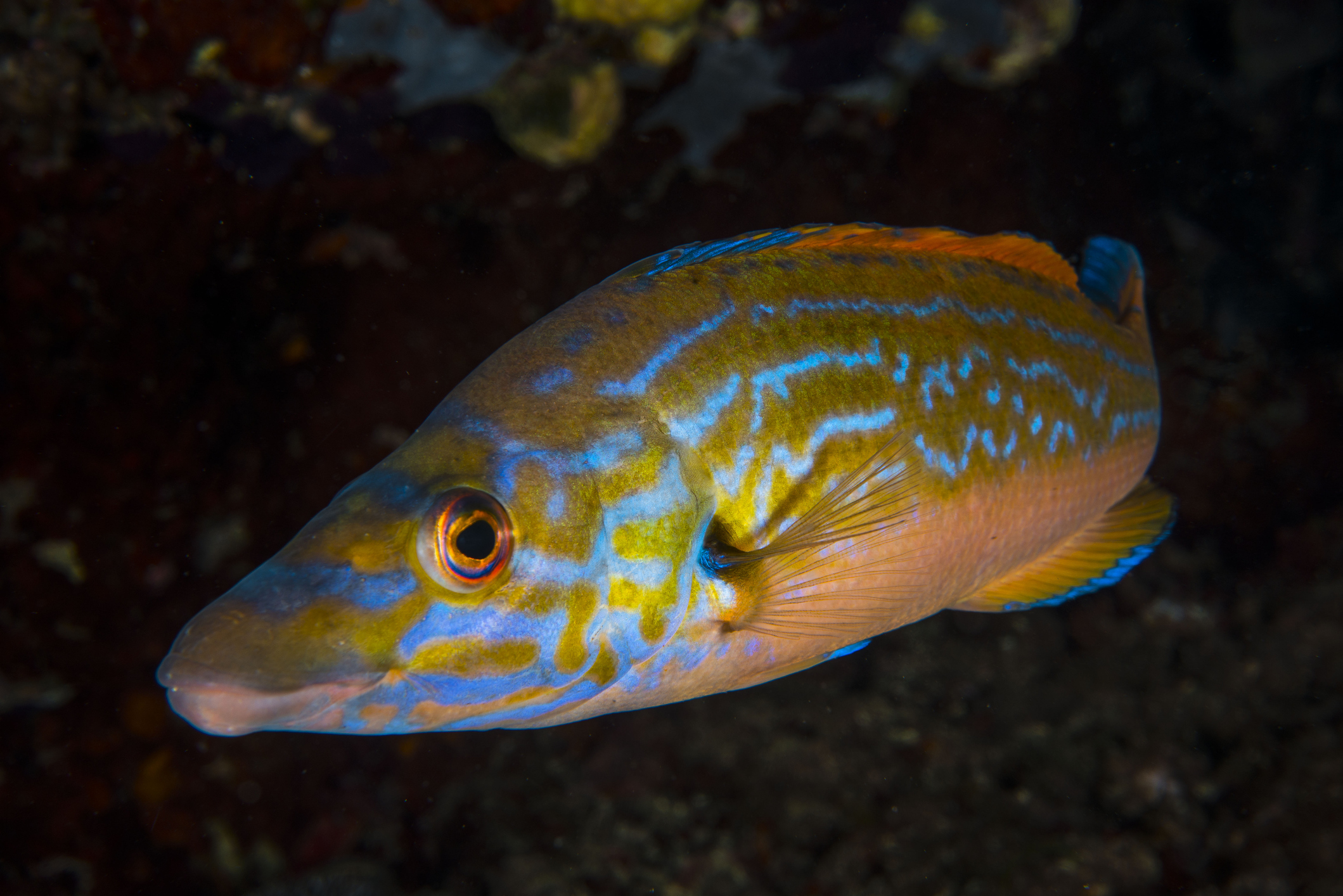
Wrasses have elongated bodies and thick lips. Many display bright colors and patterns.
Size ranges from a few inches to over three feet. Some species have special features like bumps or long fins.
- Colorful scales often in stripes or spots
- Strong jaws with teeth for crushing shells
- Some change color as they grow
- Fins help them swim quickly and turn sharply
Behavioral Traits
Wrasses show interesting behaviors. Many clean other fish by eating parasites from their bodies.
They often hide in coral or rocks to avoid predators. Some species change sex during their lifetime.
- Active swimmers during the day
- Use burrows or sand to sleep at night
- Some species switch from female to male
- Territorial and defend their home area
Credit: www.tynemouthaquarium.co.uk
Temperature Preferences
Wrasse species live in many water temperatures. Their temperature needs depend on their habitat. Understanding these needs helps keep them healthy.
Temperature affects wrasse behavior and survival. Different species like warm, mild, or cold water. Let’s look at these groups.
Tropical Wrasse Species
Tropical wrasses live in warm ocean waters. They prefer temperatures between 23°C and 28°C (73°F to 82°F). These waters are often near coral reefs.
Warm water helps tropical wrasses stay active and feed well. They may not survive if the water gets too cold.
- Temperature range: 23°C to 28°C (73°F to 82°F)
- Found in coral reef areas
- Need stable warm water for health
Temperate Wrasse Species
Temperate wrasses live in moderate water temperatures. They prefer 15°C to 23°C (59°F to 73°F). These species can adapt to changing seasons.
They often live near rocky shores or kelp forests. Temperate wrasses can handle cooler water than tropical types.
- Temperature range: 15°C to 23°C (59°F to 73°F)
- Found in rocky and kelp habitats
- Adapt well to seasonal temperature changes
Cold-water Wrasse Species
Cold-water wrasses live in cool ocean regions. They prefer temperatures below 15°C (59°F). Some live in icy waters near the poles.
These wrasses are slow and less active in cold water. They need clean, oxygen-rich water to survive.
- Temperature range: below 15°C (59°F)
- Found in cold, northern or southern waters
- Require clean and oxygen-rich environments
Ideal Habitat Conditions
Wrasse species live in many places in the ocean. Their habitat needs the right temperature and environment. These help them grow and stay healthy.
Understanding their habitat helps protect wrasses and keep the ocean balanced.
Water Temperature And Quality
Wrasses prefer water that is warm but not too hot. Ideal temperatures range from 22°C to 28°C (72°F to 82°F). Cooler or hotter water can stress them.
Clean water with low pollution is best. Wrasses need good oxygen levels and stable conditions. Dirty water can harm their health.
- Temperature: 22°C to 28°C (72°F to 82°F)
- Clear, unpolluted water
- High oxygen levels
- Stable pH and salinity
Coral Reef Environments
Many wrasse species live in coral reefs. These reefs give food and shelter. The coral structures protect them from predators.
Healthy coral reefs have many hiding spots. Wrasses use these spaces to rest and hunt small animals.
- Provides shelter and protection
- Rich food sources from reef animals
- Good for breeding and raising young
- Needs clean, warm water to thrive
Rocky And Sandy Substrates
Wrasses also live near rocks and sandy bottoms. These areas offer places to dig and hide. Some wrasses burrow in sand to rest.
Rocky areas have algae and small animals that wrasses eat. Sandy spots help with camouflage and safety.
- Rocks offer food and shelter
- Sandy areas allow burrowing and hiding
- Supports diverse small animals for food
- Requires clean water with good flow
Effects Of Temperature On Wrasse Health
Temperature plays a key role in the health of wrasse species. It affects how they grow, reproduce, and fight diseases. Keeping the right temperature range is important for their survival.
Different wrasse species have different temperature needs. Understanding these needs helps maintain their well-being in the wild and captivity.
Growth And Metabolism
Temperature controls the rate of growth and metabolism in wrasses. Warmer water speeds up their metabolism, making them more active. Colder water slows these processes down.
- Optimal temperature boosts growth speed.
- Too cold or too warm water slows metabolism.
- Extreme temperatures can cause stress and reduce feeding.
- Temperature changes affect energy use and movement.
Reproduction And Spawning
Temperature affects when and how wrasses reproduce. They spawn best in a narrow temperature range. Outside this range, spawning can fail or produce fewer offspring.
| Temperature (°C) | Effect on Spawning |
| 18-22 | Optimal spawning activity |
| 15-18 | Reduced spawning frequency |
| 22-25 | Increased spawning but with lower egg quality |
| Below 15 or above 25 | Spawning stops |
Disease Susceptibility
Wrasses become more vulnerable to diseases when water temperature changes. Stress from temperature shifts weakens their immune systems. This leads to higher infection rates.
Common effects of temperature on disease in wrasses include:
- Increased parasite loads in warm water
- Slower immune response in cold water
- Higher stress levels trigger infections
- Temperature stress may cause skin damage
Adapting To Temperature Changes
Wrasse species are known for their adaptability to changing water temperatures, which is crucial for their survival in the wild and in aquariums.
Seasonal Variations
Wrasse species exhibit different temperature preferences during various seasons.
| Season | Temperature Range (°C) |
|---|---|
| Spring | 18-22 |
| Summer | 22-26 |
| Autumn | 18-22 |
| Winter | 14-18 |
Climate Change Impact
Climate change is affecting the temperature ranges of wrasse species, which can impact their populations and distribution.
- Changes in ocean temperatures can lead to coral bleaching and habitat loss.
- Increased water temperatures can stress wrasse species, making them more susceptible to disease.
- Shifts in species distribution can alter the food web and ecosystem balance.
Aquarium Temperature Management
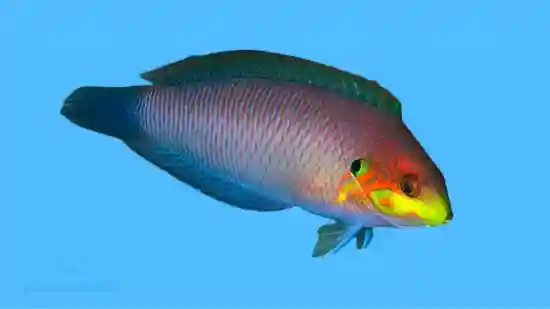
Aquarists must carefully manage the temperature in their aquariums to mimic the natural temperature ranges of wrasse species.
Here’s a temperature management schedule for wrasse species:
- Spring: Gradually increase temperature from 18°C to 22°C over 2-3 weeks.
- Summer: Maintain temperature between 22°C and 26°C.
- Autumn: Gradually decrease temperature from 22°C to 18°C over 2-3 weeks.
- Winter: Maintain temperature between 14°C and 18°C.
Credit: www.saltwaterfish.com
Tips For Maintaining Ideal Conditions
Wrasse species need the right temperature to stay healthy and active.
Keeping their environment steady helps them live longer and feel safe.
Monitoring Water Temperature
Check the aquarium temperature daily using a reliable thermometer.
- Place the thermometer where water flows well.
- Note any sudden changes and adjust the heater or cooler.
- Keep the water within the recommended range for your wrasse species.
Habitat Simulation Techniques
Make the tank feel like the wrasse’s natural home by controlling light and water flow.
| Factor | Ideal Condition |
| Light | Moderate with natural day/night cycle |
| Water Flow | Gentle to moderate current |
| Temperature Range | 72°F to 78°F (22°C to 26°C) |
Feeding And Care Adjustments
Change feeding habits if the water temperature shifts outside the ideal range.
- Offer smaller meals more often during cooler temperatures.
- Increase food quantity slightly when the water is warmer.
- Use high-quality food to support energy needs.
- Watch for changes in behavior and adjust care as needed.

Credit: roxyaquarium.com.au
Frequently Asked Questions
What Is The Ideal Temperature Range For Wrasse Species?
Wrasse species thrive best between 72°F and 78°F (22°C to 26°C). This range supports their metabolism and immune health effectively.
How Does Temperature Affect Wrasse Behavior?
Temperature impacts Wrasse activity and feeding patterns. Warmer water increases their activity, while cooler temperatures may slow them down.
Can Wrasse Survive In Temperatures Outside Their Range?
Wrasse can tolerate slight deviations but prolonged exposure outside 68°F-80°F harms their health and may cause stress or illness.
Do Different Wrasse Species Prefer Different Temperatures?
Yes, some Wrasse species prefer tropical warm waters, while others adapt to slightly cooler environments within their specific temperature ranges.
Conclusion
Wrasse species thrive in specific temperature ranges. Keeping water within these limits helps them stay healthy. Too cold or too warm water causes stress and illness. Knowing their temperature needs supports better care and survival. Each wrasse species has its own range to follow.
This knowledge helps hobbyists and researchers alike. Simple steps make a big difference for these fish. Watch water temperature closely and adjust as needed. Healthy wrasses mean a lively and balanced aquarium. Understanding temperature ranges keeps your wrasse happy and strong.