
If you want your reef aquarium to thrive, the right lighting is absolutely crucial. The colors of your corals, the health of your fish, and the overall beauty of your underwater world all depend on it.
But with so many lighting options out there, how do you choose what’s best for your tank? This guide will help you understand exactly what your reef needs to shine. Keep reading, and you’ll discover simple tips to make your aquarium glow with vibrant life every single day.
Types Of Aquarium Lighting
Lighting is very important for reef aquariums. It helps corals and plants grow well. Different lights give different effects and benefits.
Choosing the right light depends on your aquarium size and the types of corals you have. Let’s look at the common lighting types used in reef tanks.
Led Lights
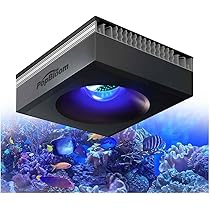
LED lights are popular for reef aquariums. They use less energy and last a long time. They also produce less heat than other lights.
LED lights can be adjusted to give different colors and intensities. This helps to mimic natural sunlight and support coral growth.
- Energy efficient
- Long lifespan
- Adjustable colors and brightness
- Low heat output
T5 Fluorescent Lights
T5 fluorescent lights use tubes to light the aquarium. They provide bright and even light over the tank. Many reef keepers like their consistent glow.
These lights work well for growing corals but use more power than LEDs. They also need to be replaced every year or so.
- Bright, even light
- Good for coral growth
- Needs regular tube replacement
- Higher energy use than LEDs
Metal Halide Lights
Metal halide lights are very strong and can shine deeply into large tanks. They produce a natural sunlight effect that corals enjoy.
These lights create a lot of heat and use more electricity. They need special fixtures and often require cooling fans.
- Strong, deep light
- Natural sunlight look
- High heat output
- Higher energy consumption
Credit: www.amazon.ca
Light Spectrum And Coral Health
Lighting is very important for reef aquariums. It helps corals grow and stay healthy. Different colors of light affect corals in different ways.
Understanding the light spectrum helps you choose the best light for your aquarium. This keeps your corals bright and strong.
Importance Of Blue Light
Blue light is the most important light for corals. It helps them make food through photosynthesis. This light reaches deep into the water.
Blue light also makes corals show their bright colors. It supports coral health and growth.
- Supports photosynthesis
- Penetrates deep water
- Enhances coral colors
Role Of White And Red Light
White light helps balance the spectrum. It mimics sunlight and makes the aquarium look natural. Corals use it for extra energy.
Red light is less used but still helpful. It helps some coral species grow faster. Red light also helps plants and algae in the tank.
- White light mimics sunlight
- Supports coral energy needs
- Red light aids some coral growth
- Helps plants and algae
Balancing Spectrum For Growth
Good coral growth needs a mix of blue, white, and red light. Too much of one color can harm corals. Balance keeps corals healthy.
Adjust the light hours and intensity for best results. Use timers to keep a steady light cycle.
- Mix blue, white, and red lights
- Avoid too much of one color
- Use timers for consistent light
- Adjust intensity for coral needs
Lighting Intensity And Duration
Proper lighting is essential for reef aquariums. It helps corals grow and stay healthy.
Two key factors are lighting intensity and how long the lights stay on each day.
Optimal Par Levels
PAR stands for Photosynthetically Active Radiation. It measures light useful for coral growth.
| Coral Type | Recommended PAR Range (µmol/m²/s) |
| Soft Corals | 50 – 150 |
| LPS Corals | 100 – 250 |
| SPS Corals | 200 – 450 |
Photoperiod Settings
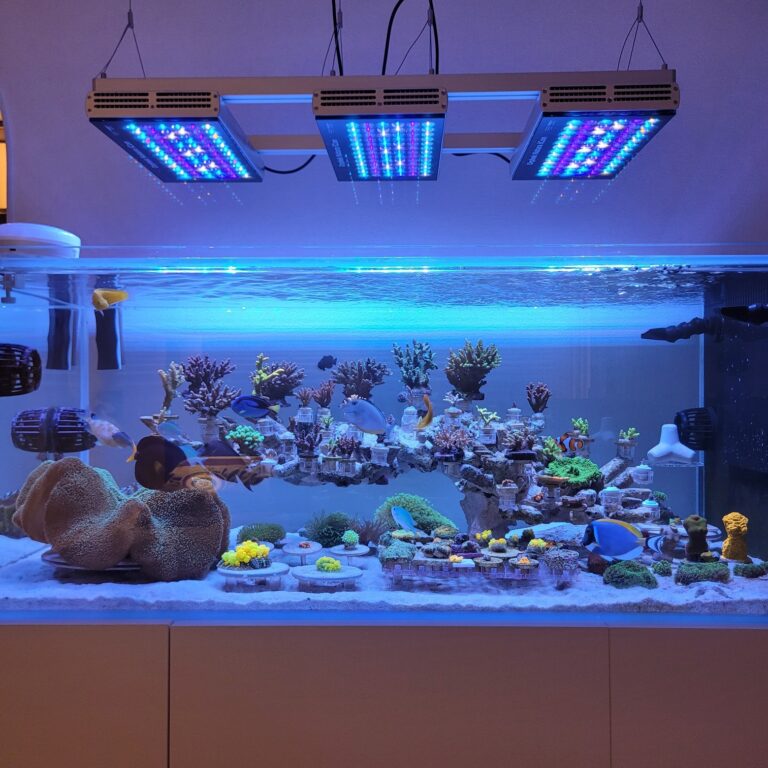
Photoperiod is the number of hours the light is on each day. Most reefs need 8 to 12 hours.
- Start with 10 hours of light daily
- Adjust based on coral response
- Keep a consistent schedule every day
- Use timers for accuracy
Avoiding Light Stress
Too much light or sudden changes can harm corals. Watch for bleaching or closed polyps.
Tips to reduce light stress:
- Increase light intensity slowly over weeks
- Use dimmers or adjustable LEDs
- Provide shaded areas in the tank
- Observe corals daily for signs of stress
Credit: orphek.com
Positioning And Installation Tips
Proper lighting is crucial for reef aquariums. Correct placement helps corals grow well and stay healthy.
This guide covers key tips on fixture placement, height, coverage, reflectors, and diffusers to set up your reef lighting right.
Fixture Placement
Place your light fixtures evenly over the aquarium. Avoid putting lights too close to the tank edges.
- Center fixtures above the tank for balanced light
- Keep lights away from walls to reduce heat buildup
- Use adjustable mounts to change fixture position easily
- Allow space for water flow and tank maintenance
Height And Coverage
Height affects light intensity and spread. Adjust the height based on tank depth and coral needs.
| Height Above Tank | Light Coverage Area | Effect on Intensity |
| 6 inches | Small | High intensity |
| 12 inches | Medium | Moderate intensity |
| 18 inches | Large | Lower intensity |
Reflectors And Diffusers
Reflectors focus light and increase intensity. Diffusers spread light evenly to reduce hotspots.
- Use reflectors to direct light onto corals needing more intensity
- Install diffusers to soften light and avoid coral bleaching
- Clean reflectors regularly to keep light output high
- Choose diffuser materials that do not block important light wavelengths
Controlling Lighting With Timers And Controllers
Lighting is crucial for reef aquariums. It supports coral growth and enhances the tank’s beauty. Using timers and controllers helps manage lighting efficiently.
Automating lighting ensures consistency and can mimic natural conditions. This benefits both the aquatic life and the aquarium’s visual appeal.
Automated Lighting Schedules
Automated schedules allow lights to turn on and off at set times. This mimics the natural day-night cycle. It is essential for the health of the aquarium’s inhabitants.
Timers can be simple or advanced. Simple timers switch lights on and off. Advanced controllers adjust lighting based on time and needs.
- Set consistent on/off times for a regular cycle
- Adjust schedule for seasonal changes
- Use advanced timers for gradual changes
Dimming And Color Control
Dimming allows you to control light intensity. This is important for simulating sunrise and sunset. It helps prevent stress in marine life.
Color control enhances the appearance of corals. Different colors can promote growth and health. Controllers often have presets for different needs.
- Gradual dimming reduces stress
- Color presets enhance coral health
- Experiment with color combinations
Simulating Natural Conditions
Simulating natural conditions is important for a healthy reef aquarium. This includes replicating sunrise, sunset, and even moonlight.
Controllers can simulate cloud cover or storms. This adds variety and realism to the environment. These conditions can be scheduled to match natural cycles.
- Replicate sunrise and sunset for natural cycles
- Use moonlight settings for nocturnal activities
- Simulate weather patterns for variety

Credit: www.amazon.ca
Common Lighting Mistakes
Lighting is very important for reef aquariums. It helps corals grow and stay healthy.
Many hobbyists make simple lighting mistakes that harm their tank. Avoiding these can improve your aquarium’s health.
Overlighting And Algae Growth
Too much light can cause algae to grow fast. Algae covers corals and blocks light.
Bright lights for many hours make algae problems worse. It also stresses corals.
- Use a timer to control light hours
- Choose light intensity that suits your tank size
- Reduce light if algae starts growing too much
Inconsistent Lighting Patterns
Corals need a steady light schedule to stay healthy. Changing light times confuses them.
Turning lights on and off at different times can stress corals and slow their growth.
- Set a daily lighting schedule and stick to it
- Use automatic timers to avoid mistakes
- Keep light duration consistent every day
Ignoring Coral Species Needs
Different corals need different light levels. Some like bright light, others need less.
Not knowing your coral’s needs can cause poor growth or death.
- Research your coral species before setting light intensity
- Group corals by light needs in your tank
- Adjust light to match the most sensitive corals
Upgrading And Maintaining Aquarium Lights
Good lighting is very important for reef aquariums. It helps corals grow and keeps fish healthy.
Upgrading and maintaining your aquarium lights keeps the tank bright and vibrant. This guide covers simple ways to care for your lights.
Replacing Bulbs And Leds
Aquarium bulbs and LEDs lose brightness over time. Replace them to keep the right light levels for your reef.
Check the manufacturer’s recommended replacement time. Use bulbs or LEDs that fit your fixture and tank size.
- Replace bulbs every 6 to 12 months
- Use LED lights with correct spectrum for corals
- Handle bulbs carefully to avoid damage
Cleaning Fixtures
Light fixtures can get dusty or have salt buildup. Clean them regularly to keep light strong and clear.
Use a soft cloth and mild cleaner. Avoid water inside electronic parts. Turn off power before cleaning.
- Wipe covers and reflectors weekly
- Remove salt deposits with a damp cloth
- Do not spray water directly on lights
Energy Efficiency Considerations
Energy-efficient lighting saves power and lowers bills. LED lights use less energy than old bulbs.
Choose lights with good brightness and low wattage. Consider timers to control lighting hours and save energy.
- LEDs use less electricity than fluorescent bulbs
- Set timers to run lights 8-12 hours daily
- Use dimmers to reduce light when possible
Frequently Asked Questions
What Type Of Lighting Is Best For Reef Aquariums?
LED lighting is best for reef aquariums. It offers energy efficiency, customizable spectrum, and adjustable intensity. LEDs promote coral growth and vibrant colors while producing less heat, making them ideal for maintaining a stable environment in reef tanks.
How Many Hours Should Reef Aquarium Lights Be On?
Reef aquarium lights should be on for 8 to 12 hours daily. This simulates natural sunlight cycles and supports coral photosynthesis. Proper timing helps maintain coral health and prevents algae overgrowth, ensuring a balanced and thriving reef ecosystem.
Why Is Light Spectrum Important In Reef Aquariums?
Light spectrum is crucial because corals need specific wavelengths for photosynthesis. Blue and actinic lights penetrate water well and enhance coral fluorescence. Proper spectrum supports coral growth, coloration, and overall health, mimicking natural reef conditions effectively.
Can Too Much Light Harm Reef Aquarium Corals?
Yes, excessive light can stress corals and cause bleaching. Overexposure leads to poor coral health and algae blooms. It’s important to balance light intensity and duration to maintain coral vitality and avoid damaging the reef ecosystem.
Conclusion
Choosing the right lighting helps your reef aquarium thrive. Healthy corals need proper light to grow strong. Good lighting also shows off your tank’s beauty. Keep a regular schedule to mimic natural daylight. Adjust light intensity based on your coral types.
Watch your reef closely and make small changes. Bright, balanced light creates a lively, colorful underwater world. Lighting is key to a happy reef aquarium. Take time to learn and enjoy the process.