
Are you struggling to keep your freshwater tank vibrant because of low light? You’re not alone.
Many aquarium lovers face the challenge of creating a thriving underwater world without strong lighting. But here’s the good news: some freshwater species actually love low-light conditions and can bring life and color to your tank even in dim settings.
If you want a beautiful, healthy aquarium that suits your space and lighting limits, keep reading. Discover which species will flourish in your low-light tank and how to care for them effortlessly. Your perfect underwater ecosystem is closer than you think!

Credit: glassboxdiaries.com
Benefits Of Low-light Tanks
Low-light tanks offer many benefits for freshwater species. They create a calm and stable environment for fish and plants.
This type of tank is easier to maintain and can improve the health of sensitive aquatic life.
Energy Efficiency
Low-light tanks use less electricity than high-light tanks. This reduces your energy bills and lowers environmental impact.
- Lights run for fewer hours per day
- Use of low-wattage bulbs is possible
- Less heat is generated, reducing cooling needs
Reduced Algae Growth
Less light means slower algae growth. This keeps the tank cleaner and fish healthier.
| Light Level | Algae Growth Rate |
| High Light | Fast |
| Low Light | Slow |
Suitable For Sensitive Species
Many freshwater species prefer dim environments. Low-light tanks reduce stress and help them thrive.
Examples of sensitive species that do well in low-light tanks:
- Betta fish
- Catfish
- Loaches
- Many types of shrimp
Key Features Of Low-light Freshwater Species
Freshwater species that live in low-light tanks have special traits. These traits help them survive with less light. They need unique care to thrive.
This guide looks at their key features. It covers how they adapt, their behavior, and how well they fit tank conditions.
Adaptations To Dim Environments
Low-light freshwater species have changes that help them live in dark water. Many have bigger eyes to see better. Some use colors that blend with shadows. Others have slow movements to save energy.
- Enlarged eyes for improved vision
- Darker or muted body colors for camouflage
- Lower metabolism to reduce energy use
- Enhanced senses other than sight, like smell
Behavioral Traits
These species often show calm and shy behavior. They stay near plants or decorations to hide. Many are active during dawn or dusk. They avoid bright lights and prefer quiet environments.
| Behavior | Description |
| Hiding | Use plants and rocks for shelter |
| Low Activity | Move slowly to save energy |
| Crepuscular | Active mostly at dawn and dusk |
| Social | Often live in groups or pairs |
Compatibility With Tank Conditions
Low-light species need specific tank setups. They thrive in tanks with dim lighting and plenty of hiding spots. Water quality should be stable with moderate flow. Plants that grow in low light help create a natural feel.
- Use low or adjustable light fixtures
- Add live plants like Java fern or Anubias
- Keep water temperature stable between 72-78°F
- Maintain clean water with gentle filtration
Top Freshwater Fish For Low-light Tanks
Many freshwater fish can live well in tanks with low light. These fish do not need bright light to stay healthy. They are perfect for rooms with less sunlight or shaded tanks.
Choosing the right fish helps keep the tank balanced. It also makes the tank more interesting and lively without extra lighting.
Betta Fish
Betta fish are colorful and easy to care for. They can live in low-light tanks because they come from shaded waters. Bettas like calm water and small spaces.
Corydoras Catfish
Corydoras catfish are small bottom dwellers. They stay active in dim light and help clean the tank by eating leftover food. They are peaceful and do well in groups.
- Keep at least six Corydoras together
- Provide soft substrate for digging
- Feed with sinking pellets or flakes
- Maintain clean water with gentle flow
Kuhli Loach
Kuhli loaches look like tiny snakes and enjoy hiding in dark places. They thrive in low light and soft sand tanks. These loaches are shy but peaceful with other fish.
Otocinclus Catfish
Otocinclus catfish are small algae eaters. They prefer low light to prevent too much algae growth. Otos are gentle and good for planted tanks.
| Fish | Light Preference | Tank Role | Social Needs |
| Betta Fish | Low to Moderate | Colorful centerpiece | Usually solitary |
| Corydoras Catfish | Low | Bottom cleaner | School in groups |
| Kuhli Loach | Low | Hides and cleans | Keep in groups |
| Otocinclus Catfish | Low | Algae eater | Small groups |
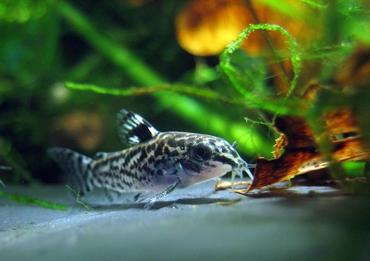
Credit: www.ratemyfishtank.com
Ideal Invertebrates For Dim Aquariums
Low-light tanks can be a challenge for many freshwater species. Some invertebrates do well in these dim conditions. They help keep the tank clean and add life to the aquarium.
These creatures do not need much light to thrive. They are easy to care for and fit well in tanks with plants that need low light.
Amano Shrimp
Amano shrimp are great for dim aquariums. They eat algae and leftover food. This helps keep the tank clean without extra effort.
They prefer hiding places like plants and rocks. Amano shrimp are peaceful and do well with other tank mates. Their clear bodies make them less visible in low light.
Nerite Snails
Nerite snails are perfect for tanks with low light. They eat algae on glass and decorations. These snails do not harm plants.
They need a hard surface to crawl on and clean water. Nerite snails can live in many water types and are easy to care for. They also have beautiful shell patterns.
Ghost Shrimp
Ghost shrimp are small and transparent. They adapt well to dim lighting. These shrimp clean up leftover food and small debris.
They are active and peaceful. Ghost shrimp like hiding places. They are good for beginner aquarists and low-light tanks.
Low-light Plants To Complement Species
Low-light tanks are perfect for many freshwater species. They need plants that thrive without much light. These plants create a natural habitat.
Java Fern, Anubias, and Cryptocoryne are great choices. They need little care and light. Let’s explore each of these plants.
Java Fern
Java Fern is a popular plant for low-light tanks. It grows well in dim conditions. This plant is easy to maintain.
You do not need to plant Java Fern in substrate. It can attach to rocks or driftwood. This makes it flexible for tank setups.
- Thrives in low light
- Grows on surfaces
- Needs minimal care
Anubias
Anubias is a sturdy plant that loves low light. It has broad, dark green leaves. This plant adds beauty to any tank.
Anubias grows slowly and needs little attention. It can be tied to rocks or wood. This plant also helps in reducing algae.
- Strong and hardy
- Slow growth
- Reduces algae naturally
Cryptocoryne
Cryptocoryne is another excellent low-light plant. It has varied leaf shapes and colors. This plant adapts well to different tank conditions.
It may take time to adjust when first planted. Once settled, it grows steadily. This plant enhances tank diversity.
- Adapts to various conditions
- Unique leaf shapes
- Enhances tank diversity
Tank Setup Tips For Low-light Environments
Setting up a tank for freshwater species that thrive in low light needs care. Proper setup helps fish and plants stay healthy.
Low-light tanks can look great and support many species with the right choices. Focus on lighting, substrate, and water conditions.
Lighting Options
Low-light tanks do not need bright lights. Choose lights that mimic natural dim conditions. LED lights with low wattage work well.
Use timers to keep light on about 6 to 8 hours daily. Avoid strong direct sunlight to prevent algae growth.
- LED lights with adjustable brightness
- Fluorescent tubes designed for low light
- Timers to control light duration
- Shade covers to reduce sunlight
Substrate Choices
Pick a substrate that suits low-light plants and fish. Dark substrates show colors well and reduce glare.
Fine gravel or sand works best. It allows plant roots to grow and keeps waste easy to clean.
- Fine gravel for plant rooting
- Sand for a natural look
- Dark color to enhance tank colors
- Easy to clean and maintain
Water Parameters
Maintain stable water parameters for low-light species. Most thrive in slightly acidic to neutral pH levels.
Keep water temperature between 72°F and 78°F. Regular water changes keep the environment healthy.
- pH between 6.5 and 7.5
- Temperature from 72°F to 78°F (22°C to 26°C)
- Regular partial water changes every 1-2 weeks
- Low to moderate water flow
Maintaining Health In Low-light Tanks
Freshwater species in low-light tanks need special care to stay healthy. Light levels affect plant growth and fish behavior. Proper tank maintenance helps keep your aquatic pets safe.
Understanding feeding, water quality, and stress prevention is key. These factors work together to create a balanced environment for your freshwater species.
Feeding Practices
Feed fish small amounts of food daily. Overfeeding pollutes water and harms fish. Choose foods that match the species’ dietary needs.
- Offer sinking pellets for bottom feeders
- Use frozen or live food for variety
- Remove uneaten food after 5 minutes
- Feed low-light plants fish less often
Monitoring Water Quality
Water quality affects all tank life. Test water weekly for key factors. Keep parameters stable to avoid stress and disease.
| Parameter | Safe Range |
| Temperature | 72°F to 78°F (22°C to 26°C) |
| pH Level | 6.5 to 7.5 |
| Ammonia | 0 ppm |
| Nitrites | 0 ppm |
| Nitrates | < 20 ppm |
Preventing Stress
Stress weakens fish and plants. Keep the tank quiet and avoid sudden changes. Provide hiding spots to help fish feel safe.
- Limit loud noises near the tank
- Maintain regular feeding and cleaning times
- Use live plants or decorations for shelter
- Keep water temperature steady

Credit: glassboxdiaries.com
Frequently Asked Questions
What Freshwater Species Survive Well In Low-light Tanks?
Species like bettas, corydoras catfish, and kuhli loaches thrive in low-light tanks. They adapt well to dim environments and require minimal lighting for healthy growth.
How Do Low-light Conditions Affect Freshwater Fish Behavior?
Low-light conditions reduce stress and encourage natural behaviors in many freshwater fish. Fish become more active and comfortable, mimicking their natural habitats with subdued lighting.
Can Plants Survive In Low-light Freshwater Aquariums?
Yes, low-light plants like Java fern, Anubias, and mosses thrive in such tanks. These plants need minimal light and help maintain water quality effectively.
What Are The Benefits Of Low-light Tanks For Freshwater Species?
Low-light tanks reduce algae growth, lower fish stress, and save energy. They create a calm, natural environment that supports species adapted to shaded habitats.
Conclusion
Choosing the right freshwater species for low-light tanks is simple. These fish and plants adapt well to less light. They stay healthy and add life to your tank. Low-light conditions do not mean dull tanks. With the right species, your aquarium can look vibrant.
Enjoy watching these creatures thrive quietly and steadily. Your low-light tank can become a peaceful underwater world. Start with these species to create a balanced, beautiful home. Keep care easy and stress low for happy fish.