
Have you ever wondered how to create the perfect environment for your aquarium? Daylight simulation might be the secret you’re missing.
By mimicking natural sunlight, you can help your fish and plants thrive just like they do in the wild. Imagine your aquarium glowing with vibrant colors, your plants growing healthy and strong, and your aquatic friends feeling right at home.
Keep reading to discover how daylight simulation can transform your aquarium and why it matters for your underwater world.
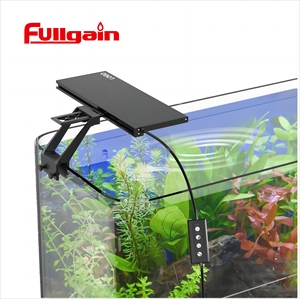
Credit: www.alibaba.com
Benefits Of Daylight Simulation
Daylight simulation in aquariums helps create a healthy environment. It copies the natural sunlight that plants and fish need. This improves their growth and wellbeing.
Using daylight simulation can make your aquarium look more natural. It supports the natural rhythms of all living things inside the tank.
Boosting Plant Growth
Plants in aquariums need light to grow well. Daylight simulation provides the right type of light for photosynthesis. This helps plants grow stronger and healthier.
- Improves leaf color and strength
- Supports faster growth rates
- Helps plants produce oxygen for fish
- Reduces algae growth by balancing light
Enhancing Fish Health
Fish need light to stay active and healthy. Daylight simulation helps regulate their behavior and metabolism. It lowers stress and promotes natural colors.
| Health Aspect | Benefit of Daylight Simulation |
| Activity Level | Increases normal swimming and feeding |
| Stress Reduction | Reduces hiding and erratic swimming |
| Color Vibrancy | Enhances natural fish colors |
| Immune System | Improves resistance to diseases |
Mimicking Natural Cycles
Daylight simulation follows the natural day and night cycle. This helps fish and plants adjust their internal clocks. It creates a balanced and calm aquarium environment.
Key natural cycles daylight simulation can mimic:
- Sunrise and sunset lighting effects
- Seasonal light changes
- Day length variations
- Nighttime moonlight simulation
Types Of Daylight Simulation Lights
Daylight simulation lights help create a natural environment in aquariums. These lights support plant growth and fish health by mimicking sunlight.
There are several types of lights used for daylight simulation. Each type has its features and benefits for aquarium use.
Led Lighting Options
LED lights are energy-efficient and last a long time. They come in many colors and brightness levels. LED options often include adjustable settings for day and night simulation.
- Low heat emission helps keep the water temperature stable.
- Customizable color spectrum supports different plant types.
- Long lifespan reduces the need for frequent replacements.
- Easy to install and maintain.
Fluorescent Bulbs
Fluorescent bulbs are a traditional choice for aquarium lighting. They produce bright light and cover a wide area. These bulbs come in tubes that fit many aquarium setups.
| Type | Color Temperature | Average Lifespan |
| Cool White | 6500K | 7,000 hours |
| Daylight | 10,000K | 8,000 hours |
| Warm White | 3000K | 6,000 hours |
Full Spectrum Lamps
Full spectrum lamps provide light that closely matches natural sunlight. This helps plants grow well and shows fish colors vividly.
Advantages of full spectrum lamps include:
- Balanced light for plant photosynthesis
- Improved fish behavior and health
- Natural look to aquarium environment
Choosing The Right Light Spectrum
Daylight simulation in aquariums helps create a healthy environment. The light spectrum affects plant growth and fish behavior.
Choosing the correct light spectrum is important for natural-looking and thriving aquariums. Different colors have unique effects.
Blue And Red Light Effects
Blue light supports coral and fish health. It helps simulate deep water conditions. Red light encourages plant growth and flowering.
- Blue light enhances fish colors and activity.
- Red light boosts photosynthesis in aquatic plants.
- Too much red light may cause algae growth.
- Balanced use of blue and red light is ideal.
Balanced White Light Benefits
White light combines all colors in the spectrum. It creates a natural daylight effect. This light helps all aquarium life stay healthy.
| Light Type | Effect |
| Cool White | Bright and clear, good for general use |
| Warm White | Soft, enhances plant colors |
| Full Spectrum White | Best for balanced growth and appearance |
Adjusting Intensity And Duration
Light intensity and duration control aquarium health. Too bright or long light can stress fish and plants. Too little light slows growth.
- Start with 8 hours of light daily.
- Increase intensity slowly over weeks.
- Use timers to keep a steady schedule.
- Adjust light based on plant and fish response.
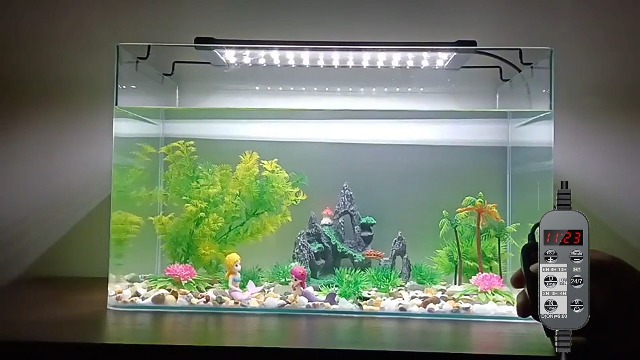
Credit: www.amazon.ca
Setting Up Daylight Simulation
Daylight simulation helps create a natural environment in your aquarium. It supports fish health and plant growth.
Setting up the right lighting system is important to mimic daylight cycles accurately.
Positioning Lights For Optimal Coverage
Place lights evenly above the tank to avoid dark spots. Adjust height to cover all areas well.
- Center lights to cover the main tank area
- Use multiple lights for large tanks
- Angle lights to reduce glare and shadows
- Keep lights away from water to avoid damage
Timing And Automation Tips
Set timers to match natural daylight hours. This helps fish and plants follow a regular day-night cycle.
| Time | Lighting Setting |
| 6:00 AM – 8:00 AM | Soft, warm light |
| 8:00 AM – 6:00 PM | Bright, full spectrum light |
| 6:00 PM – 8:00 PM | Dim, cool light |
| 8:00 PM – 6:00 AM | Lights off |
Combining With Other Aquarium Equipment
Sync daylight simulation with filters and heaters for best results. This keeps the tank stable and healthy.
Here are tips to combine equipment:
- Turn on lights before filters start for gentle wake-up.
- Use smart plugs to automate heaters and lights together.
- Check all devices daily for proper function.
Common Challenges And Solutions
Daylight simulation in aquariums is important for healthy aquatic life. It mimics natural light and helps fish thrive. There are challenges to overcome, but solutions are available.
Understanding these challenges can improve the aquarium environment. Let’s explore common issues and practical fixes.
Preventing Algae Overgrowth
Algae can grow quickly in aquariums with too much light. This can make the tank look dirty and harm fish.
- Limit the hours of light each day
- Use a timer to control lighting
- Choose light bulbs with lower intensity
Managing Heat Output
Lights can produce heat and raise water temperature. This can stress fish and affect their health.
| Light Type | Heat Output |
| LED | Low |
| Fluorescent | Medium |
| Halogen | High |
Avoiding Stress In Aquatic Life
Fish need a stable environment to stay healthy. Sudden changes in light can cause stress.
Use gradual dimming to mimic sunrise and sunset. This helps fish adjust to light changes naturally.

Credit: www.reddit.com
Enhancing Aesthetics With Light
Daylight simulation for aquariums uses light to make underwater scenes look natural. It helps show the beauty of fish and plants clearly.
Good lighting adds depth and creates a lively environment for your aquarium. It makes every detail more visible and attractive.
Highlighting Colors In Fish And Plants
Simulated daylight brings out bright colors in fish and plants. It matches natural light to reveal their true shades and patterns.
- Use full-spectrum lights to show all colors vividly
- Adjust light temperature for warm or cool tones
- Balance brightness to avoid washing out colors
- Position lights to highlight key areas in the tank
Creating Natural Shadows And Depth
Shadows add realism and help fish and plants stand out. They create a sense of space and make the aquarium feel alive.
| Lighting Technique | Effect |
| Top lighting | Produces soft shadows under plants and rocks |
| Side lighting | Creates strong shadows and highlights textures |
| Diffuse lighting | Reduces harsh shadows for a gentle look |
Customizing Light Settings For Visual Appeal
Adjusting light settings helps match the look you want. You can change brightness, color, and timing to suit your tank.
Here is a simple guide to customize your aquarium lighting:
- Set brightness based on tank size and species
- Choose color tones that enhance your fish and plants
- Use timers to mimic natural day and night cycles
- Experiment with angles to find the best light placement
Frequently Asked Questions
What Is Daylight Simulation In Aquariums?
Daylight simulation mimics natural sunlight in aquariums. It uses LED lights to replicate day and night cycles. This helps fish and plants maintain healthy biological rhythms. It enhances the aquarium’s visual appeal and supports natural behaviors.
Why Use Daylight Simulation For Aquarium Plants?
Daylight simulation provides essential light spectrum for photosynthesis. It promotes healthy growth and vibrant colors in aquatic plants. Proper lighting prevents algae overgrowth by balancing light exposure. This creates a stable and thriving aquatic environment.
How Does Daylight Simulation Benefit Aquarium Fish?
Simulated daylight regulates fish sleep and activity cycles naturally. It reduces stress by mimicking familiar environmental conditions. Proper lighting helps maintain fish health and behavior. This leads to a more balanced and lively aquarium ecosystem.
Can Daylight Simulation Improve Aquarium Aesthetics?
Yes, daylight simulation enhances aquarium colors and clarity. It creates realistic lighting effects that highlight plants and fish. Adjustable light intensity and timing mimic natural conditions beautifully. This makes the aquarium more visually appealing and dynamic.
Conclusion
Daylight simulation helps create a natural home for your fish. It supports their health and growth every day. Using proper light cycles keeps the aquarium balanced and lively. Fish and plants both benefit from light that mimics nature. Choose the right daylight settings for your aquarium’s needs.
Small changes can lead to big improvements in water and life quality. Enjoy watching your underwater world thrive with natural light effects. Simple steps make a big difference in aquarium care.