
Are you looking to create a stunning nano reef aquascape that truly shines? Choosing the right lighting is key to bringing out the vibrant colors of your corals and keeping your tiny underwater world healthy.
LED lighting for nano reef aquascapes offers powerful, energy-efficient options that can transform your tank into a dazzling display. You’ll discover how the right LED setup can enhance your reef’s growth, boost its beauty, and make maintenance easier. Keep reading to learn how to light up your nano reef like a pro.
Benefits Of Led Lighting
LED lighting is popular for nano reef aquascapes. It offers many benefits that help coral and fish thrive.
This lighting type uses less energy and can be adjusted to suit your reef’s needs. It lasts longer than traditional lights.
Energy Efficiency
LED lights use less power than other lighting types. This lowers your electricity bill and reduces heat in the tank.
- Consumes less electricity
- Produces less heat
- Reduces cooling needs
- Helps save energy costs
Customizable Spectrum
You can change the color and intensity of LED lights. This lets you match the light to your coral’s needs.
| Light Color | Effect on Reef |
| Blue | Enhances coral growth |
| White | Mimics natural sunlight |
| Red | Supports photosynthesis |
Long Lifespan
LED lights last much longer than other bulbs. This means fewer replacements and less waste.
- Lasts up to 50,000 hours
- Needs fewer replacements
- Cost-effective over time
- Less waste for the environment
Choosing The Right Led Light
LED lighting is vital for a healthy nano reef aquascape. It helps corals grow and shows their true colors. Choosing the right LED light can be simple with the right knowledge.
Different LED lights have different features. Knowing what to look for helps your reef thrive and look great.
Wattage And Coverage
Wattage shows how much power the LED light uses. It relates to how much light the tank gets. Too low wattage means poor coral growth. Too high can harm your reef.
Coverage means how wide the light spreads over your tank. Make sure your LED light covers the whole aquarium. This avoids dark spots where corals may not grow well.
- Choose wattage based on tank size (usually 1 to 3 watts per gallon)
- Check light spread to cover entire tank area
- Use reflectors or multiple lights if needed for even coverage
Color Temperature
Color temperature measures the light color. It is shown in Kelvins (K). Reef tanks need light that mimics natural sunlight under water.
Most reef aquariums use lights between 10,000K and 20,000K. This range helps corals grow and shows their bright colors well.
- 10,000K to 14,000K for natural white and blue light
- Higher than 14,000K for more blue light that enhances coral fluorescence
- Adjust color settings if your LED light allows it
Brands And Models
Many brands make LED lights for nano reefs. Some are known for quality and durability. Research helps find the best fit for your tank size and budget.
Look for models with adjustable settings and good customer reviews. Warranty and support are also important.
- Check popular brands like Kessil, AI Hydra, and Current USA
- Look for features like dimming and spectrum control
- Read reviews from other reef hobbyists
- Consider power efficiency and heat output
Light Spectrum And Reef Health
LED lighting is important for nano reef aquascapes. The light spectrum affects coral growth and health.
Choosing the right colors of light helps corals get energy and stay vibrant.
Blue And Actinic Lights
Blue and actinic lights provide the key wavelengths for coral photosynthesis. These colors help corals produce food and maintain their colors.
- Blue light penetrates water deeply.
- Actinic light enhances coral fluorescence.
- Both support zooxanthellae algae inside corals.
Red And White Lights
Red and white lights add natural brightness to the tank. They help corals see their surroundings and show their true colors.
| Light Color | Effect on Corals |
| Red | Supports growth but less used in deep water |
| White | Balances spectrum and enhances appearance |
Balancing Spectrum For Corals
Proper balance between blue, actinic, red, and white lights creates a healthy reef environment.
Important factors to balance spectrum:
- Use mostly blue and actinic lights for photosynthesis
- Add red and white lights for natural look and coral growth
- Avoid too much red to prevent algae overgrowth
- Adjust light intensity to match coral species needs
Lighting Duration And Scheduling
Choosing the right lighting time is key for nano reef aquascapes. LED lights need to mimic natural conditions for coral health.
Scheduling your lights helps keep stable growth and prevents problems like algae blooms.
Optimal Photoperiod
The best photoperiod for most nano reefs is between 8 to 10 hours daily. This time supports coral photosynthesis and growth.
- Start with 8 hours of light per day
- Gradually increase to 10 hours over weeks
- Keep the schedule consistent every day
- Use a timer to avoid human error
Simulating Natural Cycles
Natural light changes during the day and seasons affect coral health. Simulating this helps corals adjust and thrive.
| Time of Day | Light Intensity |
| Morning | Low to medium |
| Midday | High |
| Evening | Low to medium |
| Night | Off or moonlight |
Use dimming features on LED lights to match these cycles. Moonlight modes help night-time periods without stressing corals.
Avoiding Algae Overgrowth
Too much light or long hours cause algae growth, which harms corals and water quality.
Tips to reduce algae problems:
- Limit lighting to 8-10 hours daily
- Keep light intensity moderate, avoid extremes
- Use timers for consistent schedules
- Maintain good water flow and cleanliness
- Adjust light spectrum away from algae-favoring wavelengths
Installation Tips For Nano Reefs
LED lighting is essential for nano reef aquascapes. It helps corals grow and keeps the tank beautiful. Proper installation is key for success.
Following the right steps ensures your reef thrives. Here are some tips to guide you through the setup.
Positioning Lights
Position lights so all parts of the reef get enough light. Avoid shadows by placing lights evenly.
Consider using adjustable mounts. This allows you to direct the light more precisely where it is needed.
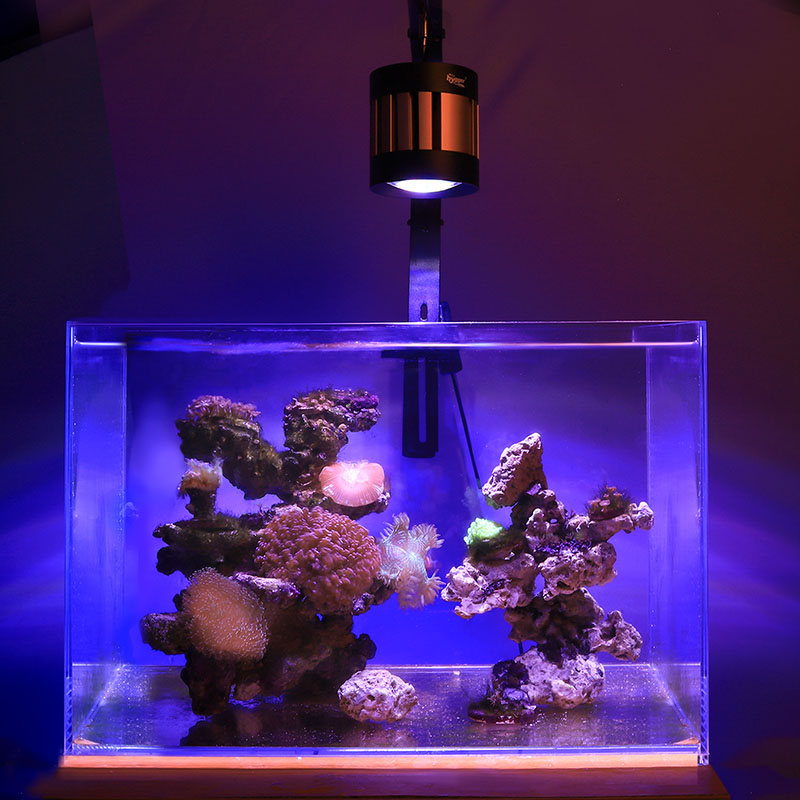
- Place lights 8-12 inches above the water
- Ensure lights cover the entire reef area
- Avoid placing lights too close to the tank edges
Preventing Heat Build-up
Heat can harm your nano reef. LED lights produce less heat but still need monitoring.
Ensure good airflow around the lights. Fans or vents can help keep temperatures in check.
- Use fans to circulate air
- Avoid placing lights inside enclosed hoods
- Monitor tank temperature regularly
Adjusting Intensity
Light intensity affects coral health. Too much or too little light can cause problems.
Start with lower intensity and gradually increase. This helps corals adjust to new light conditions.
- Begin with 50% light intensity
- Increase by 10% weekly
- Observe coral response to changes
Credit: www.chihirosaquaticstudio.com
Maintenance And Troubleshooting
Proper care helps LED lighting for nano reef aquascapes last longer. It also keeps your reef environment healthy and vibrant.
Regular checks and cleaning prevent common issues. Troubleshooting helps fix problems quickly to avoid damage.
Cleaning Led Fixtures
Dust and salt buildup reduce light output. Clean fixtures gently to keep them working well. Use a soft cloth and mild cleaner. Avoid harsh chemicals that can damage the LEDs.
- Turn off and unplug the LED fixture before cleaning
- Use a soft, dry cloth or microfiber towel
- Apply a small amount of mild soap and water if needed
- Wipe the fixture gently and avoid water inside electrical parts
- Let the fixture dry completely before turning it back on
Monitoring Light Output
Check light intensity often to ensure your nano reef plants and corals get enough light. Use a light meter or smartphone app to measure brightness. Record readings weekly to spot any changes.
| Action | Reason | Frequency |
| Measure light output | Ensure proper brightness | Weekly |
| Inspect LEDs | Check for damage or dimming | Monthly |
| Clean lenses | Remove dust and salt buildup | Monthly |
| Adjust fixture height | Maintain optimal light distance | As needed |
Fixing Common Issues
LED lights may flicker or not turn on. Check power connections and switches first. Loose plugs cause most problems. Replace damaged cords to avoid hazards.
- Unplug the fixture and check all connections
- Inspect the power cord for damage or wear
- Test the outlet with another device
- Reset the fixture by turning it off and on after a few minutes
- Contact a professional if issues continue
Enhancing Growth With Led Features
LED lighting is essential for nano reef aquascapes. It helps corals and plants grow by giving the right light spectrum.
Using LED features smartly can boost growth and keep the reef healthy. This guide covers key LED functions for your setup.
Dimming And Effects
Dimming LED lights helps control the brightness and simulates natural light changes. Effects like sunrise and sunset create a calm environment.
- Adjust light intensity for different coral needs
- Use gradual dimming to mimic dawn and dusk
- Apply special effects like moonlight for night viewing
Integration With Controllers
Controllers link LED lights to your aquarium system. They make it easy to manage lighting settings from one place.
| Controller Feature | Benefit |
| Multi-channel control | Customize colors and intensity |
| Wireless connectivity | Remote adjustments via apps |
| Pre-set modes | Quick lighting setups for growth stages |
Using Timers And Automation
Timers automate lighting schedules. Automation helps keep consistent light cycles for coral health.
- Set lights to turn on and off at fixed times
- Use gradual transitions to reduce stress on corals
- Automate different light phases for growth and rest
- Combine with sensors to adjust based on tank conditions
Credit: www.hygger-online.com
Credit: aquascapeshop.com
Frequently Asked Questions
What Are The Benefits Of Led Lighting For Nano Reefs?
LED lighting provides energy efficiency, low heat output, and customizable light spectrums. It enhances coral growth and vibrant colors in nano reef aquascapes. LEDs also have a long lifespan, reducing maintenance and costs over time.
How To Choose The Best Led Light For Nano Reefs?
Select LED lights based on reef size, coral types, and desired light spectrum. Look for adjustable intensity, full spectrum options, and reliable brand reviews. Proper coverage and penetration are essential for healthy coral growth in small nano reef tanks.
Can Led Lighting Improve Coral Health In Nano Reefs?
Yes, LED lighting mimics natural sunlight and promotes photosynthesis in corals. Balanced light spectrums help corals thrive, enhancing coloration and growth. Properly timed LED cycles reduce algae growth and stress on marine life.
How Long Should Led Lights Be On In A Nano Reef?
LED lights should run 8 to 12 hours daily for optimal coral health. Mimic natural daylight cycles with gradual sunrise and sunset effects. Consistent timing prevents algae overgrowth and supports coral photosynthesis.
Conclusion
LED lighting brings many benefits to nano reef aquascapes. It helps corals grow and shows their true colors. LED lights save energy and last a long time. They also produce less heat, keeping your tank safe. Choosing the right LED setup makes your small reef look beautiful.
Simple to use and easy to adjust, LEDs suit beginners and experts alike. Bright, efficient lighting creates a healthy and lively underwater world. Enjoy watching your nano reef thrive under LED lights every day.