
Setting up a saltwater aquarium for species-specific fish can be both exciting and challenging. If you want your fish to thrive, you need more than just a tank and water.
You have to create the perfect environment tailored to the unique needs of your chosen species. This guide will help you avoid common mistakes, save time, and ensure your fish stay healthy and vibrant. Ready to discover how to build the ideal home for your saltwater friends?
Keep reading, and you’ll learn everything you need to know to get started right.

Credit: seatechaquariums.com
Choosing Species-specific Fish
Setting up a saltwater aquarium needs careful fish selection. Choosing species that fit your tank is key.
Each fish species has unique needs and traits. Learn about popular species and their traits first.
Popular Saltwater Species
Some fish are common choices for saltwater tanks. These species vary in size, color, and care.
- Clownfish – small, colorful, and hardy
- Blue Tang – active swimmers with bright blue color
- Mandarinfish – vibrant colors, needs live food
- Gobies – small bottom dwellers, peaceful
- Angelfish – large, colorful, needs space
Compatibility Factors
Not all fish get along. Some fight or stress each other. Choose fish that live well together.
| Factor | Description | Example |
| Tank Size | Space needed for fish to swim | Angelfish need large tanks |
| Diet | Food types and feeding habits | Mandarinfish eat live food |
| Water Conditions | Temperature and salinity needs | Clownfish tolerate varied conditions |
| Temperament | Peaceful or aggressive behavior | Gobies are peaceful |
| Activity Level | Active or calm species | Blue Tang is active |
Behavior And Temperament
Fish personality matters. Aggressive fish can harm shy ones. Watch how fish act before adding them.
Here are common behavior types:
- Territorial:Defend space, may attack others.
- Schooling:Prefer groups, swim together.
- Solitary:Live alone, avoid crowding.
- Peaceful:Get along with most fish.
Selecting The Right Aquarium
Setting up a saltwater aquarium for specific fish species needs careful planning. Choosing the right tank is important to keep your fish healthy and happy.
This guide covers tank size, material options, and filtration systems to help you pick the best aquarium for your saltwater fish.
Tank Size Recommendations
Fish need enough space to swim and grow. The tank size depends on the type and number of fish you want to keep.
- Small fish species need at least 20 gallons.
- Medium-sized fish require 30 to 50 gallons.
- Large or active species need 75 gallons or more.
- Consider extra space for decorations and coral.
- Bigger tanks are easier to maintain stable water conditions.
Material Options
Aquariums come in different materials like glass and acrylic. Each has pros and cons.
| Material | Pros | Cons |
| Glass | Scratch resistant, clear view, cheaper | Heavier, fragile |
| Acrylic | Lightweight, strong, better insulation | Scratches easily, more expensive |
Filtration Systems
Good filtration keeps water clean and safe. Choose a system that fits your tank size and fish type.
- Mechanical – Removes debris and particles.
- Chemical – Uses activated carbon to remove toxins.
- Biological – Supports beneficial bacteria to break down waste.
Many tanks use a combination of these filters for best results.
Water Parameters And Quality
Setting up a saltwater aquarium needs careful attention to water quality. Good water parameters keep fish healthy and active.
Each fish species has specific needs for water conditions. Keeping these stable helps prevent stress and disease.
Salinity Levels
Salinity is the amount of salt in the water. Most saltwater fish need salt levels close to natural sea water.
- Use a hydrometer or refractometer to measure salinity.
- Ideal salinity is usually between 1.020 and 1.026 specific gravity.
- Keep salinity stable to avoid stressing fish.
- Adjust salinity slowly when needed.
Temperature Control
Temperature affects fish metabolism and immune systems. It must stay within a safe range for each species.
| Fish Species | Ideal Temperature (°F) | Ideal Temperature (°C) |
| Clownfish | 74-79 | 23-26 |
| Blue Tang | 75-80 | 24-27 |
| Mandarinfish | 72-78 | 22-26 |
Ph And Hardness
pH shows how acidic or basic water is. Hardness means mineral content like calcium and magnesium.
Maintain these levels for healthy fish:
- pH: 8.0 to 8.4
- General Hardness (GH): 8-12 dGH
- Carbonate Hardness (KH): 8-12 dKH

Credit: www.youtube.com
Aquascaping For Species Needs
Aquascaping is shaping the aquarium to suit your fish. Each species has special needs for their home.
Setting up the right environment helps fish feel safe and act natural. It also improves their health.
Live Rock And Substrate
Live rock provides shelter and helps clean the water. It also supports beneficial bacteria.
Different fish prefer different substrate types. Sand is good for burrowing fish. Gravel suits others.
- Use live rock to create caves and hiding places
- Choose substrate based on fish habits
- Keep substrate clean to avoid waste buildup
Hiding Spots And Territories
Many fish like to hide or claim a space as their own. This lowers stress and stops fights.
Use rocks, caves, and plants to create safe spots. Arrange items to give each fish its own area.
- Provide caves or tunnels for shy fish
- Use decorations to separate aggressive species
- Leave open swimming space for active fish
Lighting Requirements
Lighting affects fish behavior and plant growth. Different species need different light amounts.
Some fish prefer dim light, while others like bright light. Adjust lighting to match their needs.
- Use timers to keep a regular light schedule
- Choose light color based on tank inhabitants
- Monitor fish for signs of too much or too little light
Cycling The Aquarium
Cycling a saltwater aquarium is a key step before adding fish. It creates a safe environment for species-specific fish to live and thrive.
This process helps remove harmful toxins from the water. Understanding how to cycle your aquarium protects your fish from stress and illness.
Nitrogen Cycle Basics
The nitrogen cycle is a natural process that changes fish waste into less harmful substances. It starts with ammonia, which is toxic to fish.
Beneficial bacteria convert ammonia into nitrites, which are also harmful. Then, other bacteria change nitrites into nitrates. Nitrates are safer but still need control.
- Ammonia comes from fish waste and leftover food.
- Good bacteria turn ammonia into nitrites.
- Another set of bacteria change nitrites into nitrates.
- Nitrates can be lowered by water changes or plants.
Establishing Beneficial Bacteria
Beneficial bacteria grow on surfaces like filter media and rocks. They need time and the right conditions to multiply.
- Start with adding ammonia or fish food to feed bacteria.
- Keep the aquarium temperature stable, around 75-80°F (24-27°C).
- Use a good filter to provide surface area for bacteria growth.
- Wait 4 to 6 weeks for bacteria to establish fully.
- Test water regularly to track the cycling progress.
Testing Water Chemistry
Testing water helps check ammonia, nitrite, and nitrate levels. This tells you how the cycle is going and if the water is safe.
| Test | Safe Level | Purpose |
| Ammonia | 0 ppm | Detects toxic waste from fish |
| Nitrite | 0 ppm | Indicates harmful bacteria activity |
| Nitrate | Below 20 ppm | Shows end product, needs control |
Feeding Species-specific Diets
Feeding saltwater aquarium fish the right diet is important. Different fish species need different foods to stay healthy.
Providing species-specific diets helps fish grow strong and show their best colors. It also supports their natural behavior and well-being.
Types Of Food
Saltwater fish eat various foods. Some eat flakes or pellets made for marine fish. Others prefer live or frozen foods.
Common food types include brine shrimp, mysis shrimp, algae, and small crustaceans. Choose food based on the fish species in your tank.
- Flake and pellet foods for herbivores and omnivores
- Frozen or live shrimp for carnivores
- Algae sheets for herbivorous fish
- Specialty diets for picky eaters
Feeding Schedules
Fish need regular feeding times to stay healthy. Feeding too much can harm water quality. Too little food can cause malnutrition.
Most saltwater fish do well with two to three feedings each day. Juvenile fish may need more frequent feeding than adults.
- Feed small amounts two to three times daily
- Observe fish eating behavior to adjust amounts
- Remove uneaten food to keep water clean
- Adjust feeding for species needs and life stage
Supplements And Vitamins
Some fish need extra vitamins or supplements for good health. These can improve color, immune response, and growth.
Common supplements include vitamin-enriched foods and calcium additives. Use supplements carefully and follow package instructions.
- Vitamin-enriched pellets for immune support
- Calcium supplements for shell-building species
- Omega fatty acids for better color and health
- Probiotics to aid digestion
Maintaining A Healthy Environment
Setting up a saltwater aquarium for species-specific fish needs careful planning. Keeping the environment healthy is key to the fish’s well-being.
A healthy tank means clean water and a safe habitat. This helps your fish thrive and reduces stress.
Regular Cleaning Routines
Cleaning your aquarium regularly is essential. It removes waste and prevents algae buildup.
Use a siphon to clean the gravel and a sponge for the glass. This keeps the tank looking nice and safe for fish.
- Clean the glass weekly
- Vacuum the substrate monthly
- Check filters every two weeks
Water Changes
Water changes are vital to maintain water quality. They help remove toxins and add fresh nutrients.
Change 10-15% of the water weekly. Use water that matches the tank’s temperature and salinity.
- Test water parameters regularly
- Use a dechlorinator for tap water
- Warm new water to the tank’s temperature
Monitoring Fish Health
Watch your fish closely to catch health issues early. Look for changes in behavior or appearance.
Healthy fish swim actively and have bright colors. Sick fish may hide, lose color, or show spots.
- Observe fish daily
- Check for signs of stress or disease
- Quarantine new fish before adding them
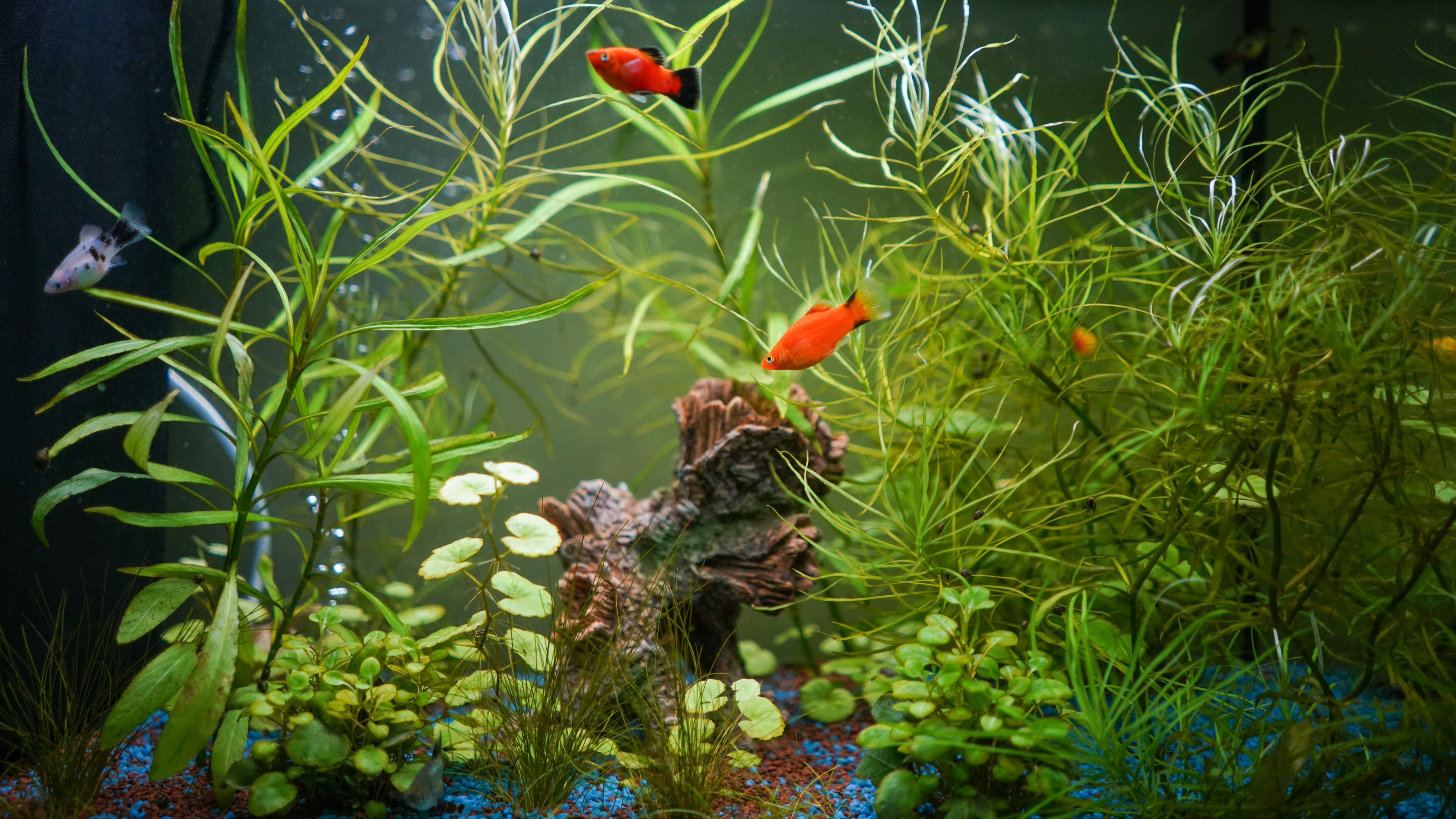
Credit: www.petsradar.com
Common Challenges And Solutions
Setting up a saltwater aquarium for specific fish species can be rewarding. However, it comes with unique challenges. This guide discusses common problems and solutions.
Understanding these challenges helps in maintaining a healthy and vibrant aquarium. Focus on disease prevention, managing aggression, and dealing with algae for success.
Disease Prevention
Disease prevention is crucial for a healthy aquarium. Contaminants and stress can lead to fish diseases. Regular monitoring is key to preventing illnesses.
Quarantine new fish before adding them to the tank. Maintain water quality and ensure proper filtration. Avoid overcrowding to reduce stress among fish.
- Quarantine new arrivals
- Monitor water parameters
- Provide a balanced diet
Managing Aggression
Aggression can be a problem in species-specific tanks. Some fish are territorial and may fight. Understanding fish behavior helps in reducing conflicts.
Provide plenty of hiding places for fish. Adjust the tank environment to suit all species. Observe fish interactions to intervene when necessary.
- Introduce fish gradually
- Rearrange tank decorations
- Use partitions if needed
Dealing With Algae
Algae can quickly take over a tank if not controlled. It competes with fish for resources and affects water quality. Managing algae is vital for a clean tank.
Control lighting and feed fish appropriately to reduce algae growth. Introduce algae-eating species to help maintain balance. Regular cleaning keeps algae in check.
- Limit tank lighting hours
- Perform regular water changes
- Introduce algae eaters like snails
Frequently Asked Questions
What Is A Species-specific Saltwater Aquarium?
A species-specific saltwater aquarium is designed for one fish species. It mimics their natural habitat and reduces aggression. This setup ensures better health and behavior of the fish. It also simplifies care and maintenance by focusing on specific needs.
How Do I Choose Fish For Species-specific Tanks?
Choose fish with similar habitat needs and compatible temperaments. Research their size, diet, and water conditions. Avoid mixing aggressive and peaceful species. This helps create a balanced and stress-free environment. Always prioritize the fish’s well-being.
What Equipment Is Essential For Saltwater Aquarium Setup?
Essential equipment includes a quality tank, protein skimmer, heater, and filtration system. Proper lighting and water testing kits are also vital. These maintain stable water conditions and promote fish health. Investing in reliable gear reduces maintenance problems.
How Often Should I Clean A Species-specific Saltwater Tank?
Clean the tank weekly by removing debris and checking water parameters. Change 10-20% of the water every two weeks. Regular cleaning prevents harmful buildup and keeps fish healthy. Consistency is key for a thriving aquarium.
Conclusion
Setting up a saltwater aquarium for specific fish takes care and patience. Each species needs its own space, water conditions, and food. Choosing the right tank size and equipment helps fish stay healthy. Regular maintenance keeps the water clean and safe.
Watching your fish thrive brings joy and satisfaction. Remember, simple steps lead to a beautiful, balanced aquarium. Take time, learn, and enjoy the peaceful underwater world you create.