
Keeping a tropical fish aquarium can bring vibrant colors and calming beauty into your home. But to enjoy a healthy, thriving tank, you need more than just water and fish.
You need the right care and routine. If you want your fish to live longer and your aquarium to stay crystal clear, you’re in the right place. This guide will show you simple, effective steps to maintain your tropical fish aquarium with confidence.
Ready to make your tank a stunning, stress-free oasis? Let’s dive in!
Credit: www.pond-planet.co.uk
Choosing The Right Tank
Choosing the right tank is the first step in keeping a tropical fish aquarium healthy. The tank size, material, and placement affect the fish and plants inside.
A well-chosen tank supports good water quality and gives your fish enough space to swim and grow comfortably.
Tank Size And Shape
Tank size affects water stability and fish health. Larger tanks keep the water cleaner longer. The shape also matters for fish movement and decoration.
- Choose a tank at least 20 gallons for beginners.
- Long tanks provide more swimming space than tall tanks.
- Wide tanks allow better surface area for oxygen exchange.
- Avoid very small tanks; they need more maintenance.
Material Options
Tanks come in glass or acrylic. Both have pros and cons to consider for your setup.
| Material | Advantages | Disadvantages |
| Glass | Scratch resistant, clear view | Heavier, can break |
| Acrylic | Lighter, better insulation | Scratches easily, more expensive |
Placement Tips
Proper tank placement helps maintain stable water temperature and reduces stress for fish.
Follow these tips to place your aquarium:
- Keep away from direct sunlight to avoid algae growth.
- Place on a strong, level surface that can hold the tank’s weight.
- Keep near a power outlet for filters and lights.
- Avoid areas with frequent temperature changes or drafts.
Selecting Tropical Fish
Choosing the right tropical fish is key to a healthy aquarium. It affects the tank’s environment and the fish’s well-being.
Consider the fish’s needs and how they fit with your tank size and setup before buying.
Popular Species
Many tropical fish species are ideal for beginners and experts. Some common choices are colorful and easy to care for.
- Neon Tetras – Small and peaceful with bright colors
- Guppies – Hardy fish that breed easily
- Mollies – Adapt well to different water conditions
- Betta Fish – Vibrant colors, but keep alone
- Angelfish – Larger and graceful, need space
Compatibility Factors
Fish must live well together to avoid stress and fighting. Compatibility depends on size, temperament, and water needs.
| Factor | Details |
|---|---|
| Temperament | Peaceful fish mix well; aggressive fish may harm others |
| Size | Large fish can eat or bully smaller ones |
| Water Conditions | pH, temperature, and hardness should be similar |
| Diet | Fish with similar diets reduce feeding conflicts |
Fish Quantity Guidelines
Overcrowding harms fish health. Follow guidelines to keep the right number of fish for your tank size.
- Calculate tank volume in gallons or liters
- Allow one inch of fish per gallon of water
- Consider fish size at full growth, not just young size
- Account for the fish’s swimming space needs
- Give extra space for plants and decorations
Setting Up The Aquarium
Setting up a tropical fish aquarium starts with careful planning. A well-prepared tank creates a healthy home for your fish.
Choose the right equipment and materials before adding water or fish. This helps keep your aquarium clean and safe.
Installing Filtration Systems
Filtration keeps the water clean and clear. It removes waste and harmful chemicals from the tank.
Choose a filter that fits your tank size. Place the filter where water flows well for best results.
- Use mechanical filters to trap dirt and debris
- Chemical filters remove toxins and odors
- Biological filters support good bacteria growth
Adding Substrate And Decorations
Substrate is the material on the tank bottom. It helps plants grow and gives fish a natural environment.
Decorations provide hiding places and make the tank look nice. Use smooth items to avoid fish injury.
- Rinse substrate before adding it to the tank
- Use gravel or sand suitable for tropical fish
- Add rocks, plants, or driftwood for decoration
- Arrange decorations to leave swimming space
Water Conditioning
Tap water may contain chemicals harmful to fish. Use water conditioners to make it safe.
Conditioned water keeps fish healthy and supports beneficial bacteria. Test water regularly for best care.
- Use a dechlorinator to remove chlorine and chloramine
- Adjust pH to match tropical fish needs
- Check water temperature for tropical species
- Test ammonia, nitrite, and nitrate levels
Credit: pethelpful.com
Water Quality Management
Keeping the water clean and stable is key for tropical fish health. Good water quality helps fish live longer and stay active.
Regular checks and adjustments can prevent many common problems. Focus on testing water, keeping temperature steady, and controlling pH levels.
Testing Water Parameters
Test water regularly to know its condition. Important parameters include ammonia, nitrite, nitrate, and hardness. Use test kits made for aquariums.
- Check ammonia and nitrite to avoid toxicity
- Monitor nitrate to keep it low
- Measure water hardness to suit fish needs
- Test dissolved oxygen levels if possible
Maintaining Temperature
Keep the tank temperature stable for tropical fish. Sudden changes stress fish and can cause illness.
| Fish Type | Ideal Temperature (°F) | Ideal Temperature (°C) |
| Neon Tetra | 72-78 | 22-26 |
| Guppy | 74-82 | 23-28 |
| Angelfish | 76-84 | 24-29 |
| Discus | 82-86 | 28-30 |
Use a heater with a thermostat to control temperature. Check it daily and adjust if needed.
Controlling Ph Levels
pH shows how acidic or alkaline the water is. Different fish need different pH levels to thrive.
Keep pH stable by:
- Using buffers to adjust pH safely
- Adding natural materials like driftwood
- Avoiding mixing incompatible fish species
- Changing water regularly to keep balance
Feeding Your Fish
Feeding tropical fish is key to their health and happiness. Giving the right food in the right amount helps them grow strong.
Understanding what and how often to feed keeps your aquarium clean and your fish active.
Choosing The Right Food
Different fish need different foods. Some eat flakes, others prefer pellets or live food. Choose food based on your fish species.
- Flake food is good for small, surface-feeding fish.
- Pellets work well for mid-water and bottom feeders.
- Live or frozen foods like brine shrimp help boost nutrition.
- Vegetable-based food suits herbivorous fish.
Feeding Frequency
Feed your fish once or twice daily. Young fish need more frequent feeding. Avoid feeding at night to prevent leftover food.
| Fish Type | Feeding Times per Day |
| Adult Tropical Fish | 1-2 times |
| Young or Fry | 3-4 times |
| Herbivores | 2 times |
| Carnivores | 1-2 times |
Avoiding Overfeeding
Overfeeding can harm fish and water quality. Feed only what your fish eat in two minutes. Remove extra food right away.
Tips to avoid overfeeding:
- Use a small spoon or feeding tool to control portions.
- Observe fish during feeding to check food intake.
- Keep a feeding schedule and stick to it.
- Do not feed snacks or treats too often.
Regular Cleaning Routine
Keeping a tropical fish aquarium clean is important for fish health. A regular cleaning routine helps maintain clear water and a safe environment.
Cleaning tasks include tank cleaning, filter care, and gravel vacuuming. Doing these often prevents problems and keeps fish happy.
Cleaning The Tank
Clean the aquarium glass to remove algae and dirt. Use an algae scraper or sponge made for aquariums.
Wipe the inside walls gently to avoid stressing the fish. Clean both sides of the glass for a clear view.
Filter Maintenance
Filters remove waste and keep water clean. Check the filter every two weeks to keep it working well.
Rinse filter parts in tank water to keep beneficial bacteria. Replace filter media as the instructions say.
- Turn off the filter before cleaning
- Use tank water to rinse filter parts
- Do not use tap water or soap
- Replace media on schedule
Gravel Vacuuming
Gravel collects fish waste and food leftovers. Use a gravel vacuum to clean the substrate during water changes.
Move the vacuum slowly through the gravel to remove debris without sucking up fish or plants.
- Do a partial water change while vacuuming
- Vacuum once a week or every two weeks
- Be gentle to avoid disturbing fish
- Remove about 10-20% of the water each time
Monitoring Fish Health
Maintaining a tropical fish aquarium requires regular monitoring of fish health to prevent diseases and ensure the well-being of your aquatic pets.
Frequent water changes, proper feeding, and a suitable environment are crucial for healthy fish. However, diseases can still occur despite proper care.
Recognizing Common Diseases
- Fungal Infections: Visible fungal growths, such as cotton-like tufts or slimy patches, on the fish’s skin or fins.
- Bacterial Infections: Red or white spots, ulcers, or lesions on the fish’s skin or fins.
- Parasitic Infections: Visible parasites, such as anchor worms, gill worms, or ich, attached to the fish’s body.
- Viral Infections: Unexplained swimming behaviors, lethargy, or loss of appetite in fish.
Regularly inspect your fish for signs of disease, such as unusual swimming behaviors, lethargy, or loss of appetite.
Quarantine Procedures
If you suspect a fish is diseased, immediately quarantine the affected fish to prevent the spread of disease to other fish.
| Quarantine Procedure | Description |
|---|---|
| Isolate the affected fish | Move the fish to a separate tank to prevent contact with other fish. |
| Monitor water parameters | Regularly check water temperature, pH, and ammonia levels. |
| Treat the affected fish | Administer medication according to the manufacturer’s instructions. |
| Monitor the fish’s response | Regularly check the fish’s condition and adjust treatment as needed. |
When To Seek Professional Help
If you are unsure about a fish’s health or if the disease is severe, seek professional help from a qualified aquarium veterinarian or experienced aquarium hobbyist.
Early detection and treatment are crucial for effective disease management. Do not hesitate to seek professional help if you suspect a fish is diseased.
Enhancing Aquarium Environment
A well-maintained aquarium environment is crucial for the health and well-being of tropical fish. A balanced ecosystem requires careful consideration of various factors, including lighting, plant selection, and hiding spots.
Lighting Choices
Lighting plays a significant role in the aquarium environment, affecting the behavior, growth, and color of tropical fish. Different lighting options are available, each with its unique characteristics and benefits.
- Fluorescent lighting is energy-efficient and easy to install
- LED lighting provides precise color temperature and spectrum control
- Halide lighting offers high-intensity light for optimal plant growth
Plant Selection And Care
Plants are essential for maintaining a healthy aquarium environment, providing oxygen, food, and shelter for tropical fish. Selecting the right plants and caring for them properly is crucial for their survival.
Some popular aquarium plants include Java moss, Anacharis, and Hornwort. These plants are easy to care for and provide a natural environment for tropical fish to thrive.
Creating Hiding Spots
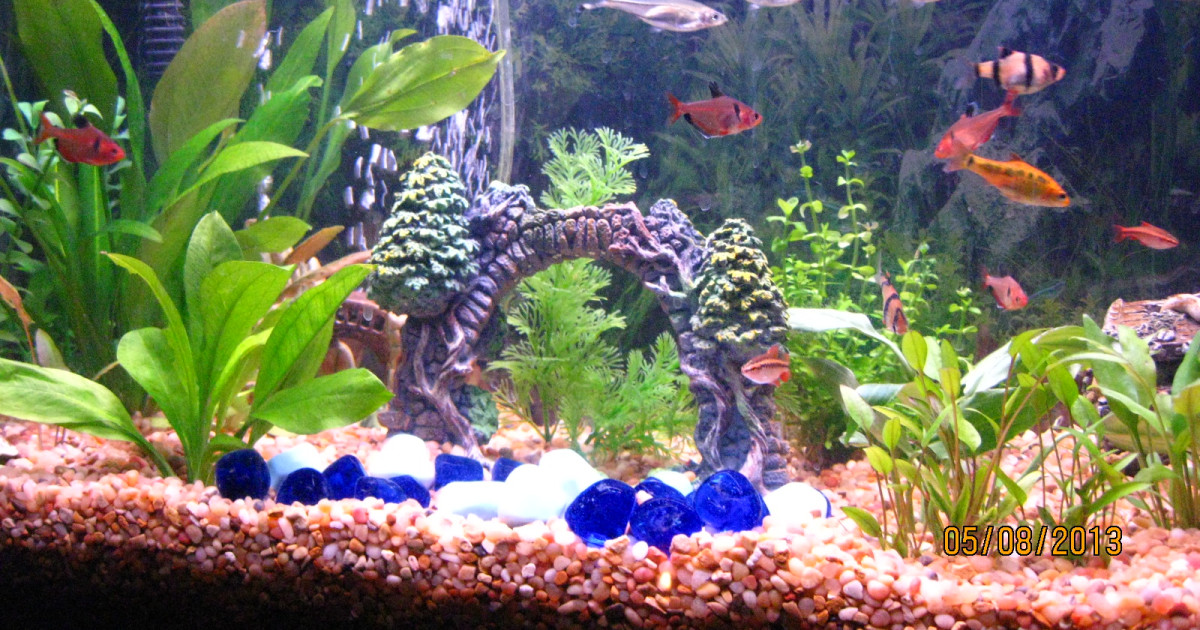
Tropical fish need places to hide and feel secure in their aquarium environment. Providing hiding spots such as rocks, plants, or decorations can help reduce stress and promote a healthy environment.
Some popular hiding spot options include artificial coral, sunken ships, and treasure chests. These decorations can add visual interest and provide a natural environment for tropical fish to explore.
Credit: pethelpful.com
Frequently Asked Questions
How Often Should I Clean My Tropical Fish Aquarium?
Clean your aquarium every 1-2 weeks to maintain water quality. Remove debris, perform partial water changes, and clean the filter regularly. This helps prevent harmful toxin buildup and keeps fish healthy.
What Is The Ideal Water Temperature For Tropical Fish?
Most tropical fish thrive between 75°F and 80°F (24°C-27°C). Use a reliable aquarium heater and thermometer to maintain stable temperatures. Avoid sudden temperature changes to reduce fish stress.
How Do I Balance Aquarium Water Chemistry?
Test water regularly for pH, ammonia, nitrite, and nitrate levels. Maintain pH between 6. 8 and 7. 8 depending on fish species. Use water conditioners and perform partial water changes to keep chemistry stable.
What Type Of Filter Is Best For Tropical Fish Tanks?
A filter that provides mechanical, biological, and chemical filtration is best. Canister or hang-on-back filters are popular choices. They keep water clean and oxygenated, promoting healthy fish and a balanced ecosystem.
Conclusion
Maintaining a tropical fish aquarium takes regular care and patience. Keep the water clean and check the temperature daily. Feed your fish the right amount to avoid overfeeding. Watch your fish for signs of illness or stress. Clean the tank and change the water often to keep fish healthy.
Small efforts make a big difference in keeping your fish happy. Enjoy the calm and beauty your aquarium brings to your home. Simple steps help you create a healthy place for your tropical fish.