
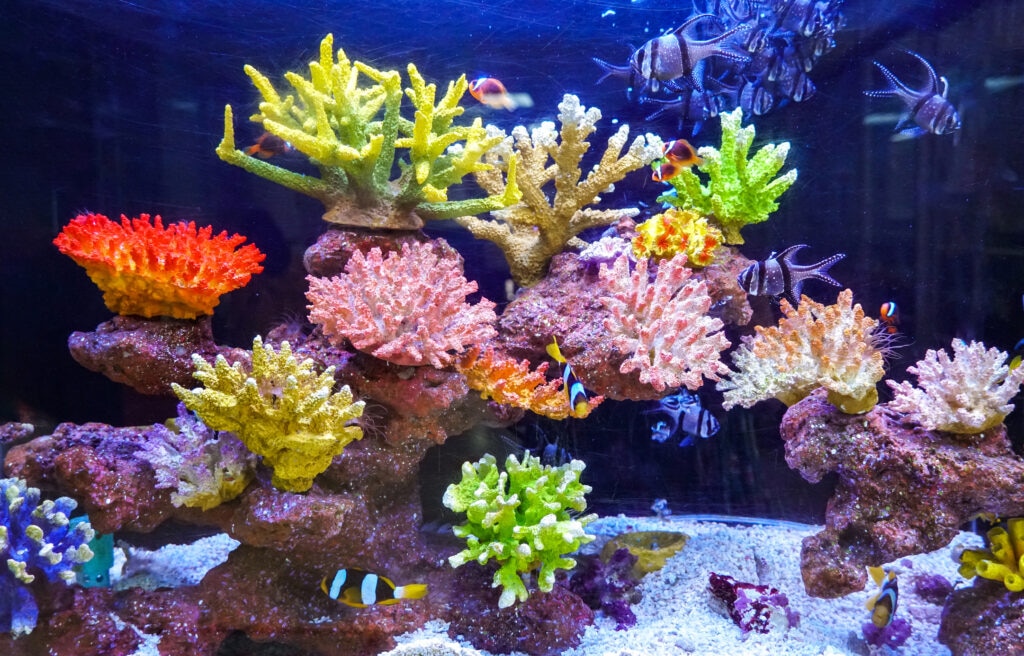
Are you ready to create a stunning underwater world right in your home? A saltwater aquarium for keeping fish and coral offers a vibrant, colorful escape that can brighten any space.
But setting up and maintaining one might seem overwhelming at first. Don’t worry—this guide will walk you through everything you need to know to build a thriving saltwater environment. By the end, you’ll feel confident turning your aquarium into a breathtaking marine paradise that you and your guests will love.
Keep reading to discover how simple steps can make a big splash!
Credit: www.chewy.com
Choosing The Right Aquarium
Selecting the right aquarium is key for a healthy saltwater tank. Fish and coral need space and good conditions.
Think about size, shape, material, and where you will place the tank. This helps your aquarium thrive.
Tank Size And Shape
Choose a tank size based on the fish and coral you want. Bigger tanks are more stable and easier to keep.
Shape affects water flow and space for decorations. Rectangular tanks work well for most setups.
- Small tanks (10-20 gallons) suit beginners with few fish.
- Medium tanks (30-50 gallons) allow more fish and coral.
- Large tanks (50+ gallons) provide stable water and more variety.
- Rectangular tanks offer good space and easy maintenance.
- Cylindrical tanks look nice but may limit decoration space.
Material Options
Saltwater aquariums come in glass or acrylic. Each material has pros and cons to consider.
Glass is strong and scratch-resistant. Acrylic is lighter and clearer but can scratch easily.
- Glass tanks are usually cheaper and hold up well over time.
- Acrylic tanks are lighter and can be shaped in curves.
- Acrylic may need more care to avoid scratches.
- Both materials work well for saltwater fish and coral.
Location Tips
Place the aquarium in a spot with stable temperature and low sunlight. Avoid direct sunlight to stop algae growth.
Make sure the surface can hold the tank’s weight. Keep it near power outlets for equipment.
- Choose a sturdy stand or table for support.
- Keep the tank away from windows and heaters.
- Allow space around the tank for cleaning and maintenance.
- Place near electrical outlets for filters and lights.
Essential Equipment
Setting up a saltwater aquarium for fish and coral needs special tools. These tools help keep the tank clean, bright, and healthy.
Using the right equipment makes sure your underwater pets live well and grow strong.
Filtration Systems
Filtration removes waste and dirt from the water. It keeps the water clear and safe for fish and coral.
There are three main types: mechanical, chemical, and biological filtration. Each type helps in a different way.
- Mechanical filtration traps large particles.
- Chemical filtration removes toxins and odors.
- Biological filtration uses good bacteria to break down waste.
Lighting Needs
Coral needs light to grow and stay healthy. Fish also benefit from proper lighting.
Use LED or fluorescent lights that match natural sunlight. This helps coral photosynthesize and fish behave naturally.
- LED lights save energy and last longer.
- Choose lights with adjustable brightness and color.
- Set a timer to mimic day and night cycles.
Heating And Cooling
Saltwater fish and coral need stable water temperatures. Too hot or cold water can harm them.
Use heaters to keep water warm in cool rooms. Use chillers or fans if the water gets too warm.
- Heaters with thermostats keep the right temperature.
- Chillers cool water in hot climates.
- Fans help increase evaporation to cool the tank.
Water Movement Devices
Water movement is important for fish health and coral growth. It helps oxygen reach all parts of the tank.
Pumps and powerheads create currents that move water around. This also stops waste from settling.
- Pumps circulate water through filters.
- Powerheads create strong water flow.
- Wave makers simulate ocean currents.
Water Chemistry Basics
Keeping fish and coral healthy in a saltwater aquarium needs good water chemistry. This means balancing many elements. Knowing the basics helps your aquarium thrive.
Water chemistry includes salinity, pH, ammonia, nitrite, nitrate, calcium, and alkalinity. Each plays a special role. Let’s look at these important factors.
Salinity Levels
Salinity is the amount of salt in the water. Fish and coral need stable salinity. It is measured in parts per thousand (ppt) or specific gravity.
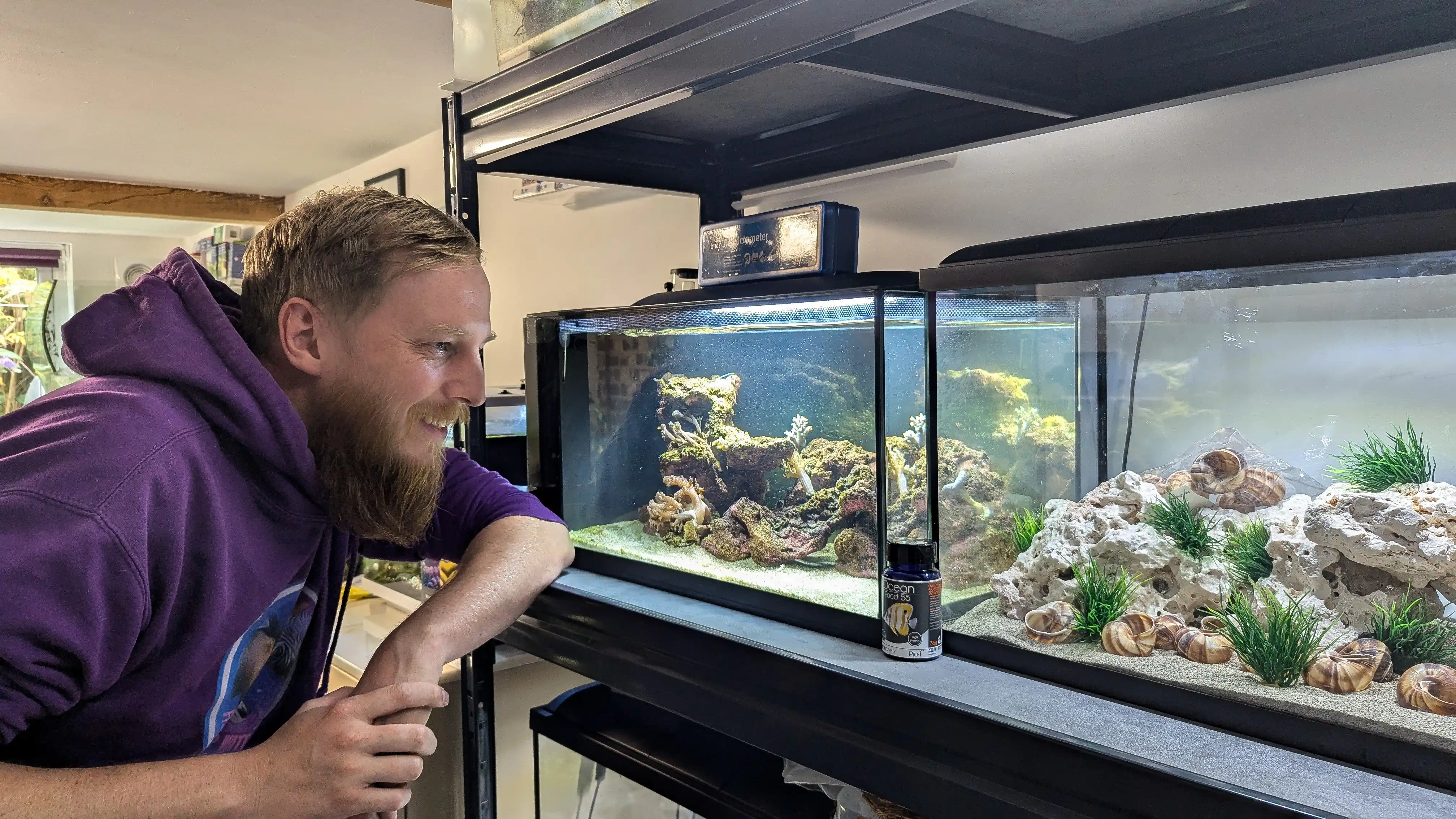
Most saltwater aquariums keep salinity between 1.023 and 1.026 specific gravity. Use a hydrometer or refractometer to check it often.
Ph Balance
pH shows how acidic or basic the water is. Saltwater aquariums need a pH between 8.0 and 8.4. This range supports coral growth and fish health.
Keep the pH steady. Sudden changes can stress or harm your aquarium inhabitants.
Ammonia, Nitrite, And Nitrate
Ammonia and nitrite are toxic to fish and coral. They come from fish waste and uneaten food. Nitrate is less harmful but should stay low.
- Ammonia level: 0 ppm (parts per million)
- Nitrite level: 0 ppm
- Nitrate level: below 20 ppm
Test water regularly. Use filters and water changes to keep these chemicals under control.
Calcium And Alkalinity
| Parameter | Ideal Range | Purpose |
| Calcium | 400 – 450 ppm | Builds coral skeletons and fish bones |
| Alkalinity | 8 – 12 dKH | Keeps pH stable and supports coral growth |
Regularly check calcium and alkalinity. Adjust with supplements if needed. Balanced levels help corals grow strong and healthy.
Credit: www.practicalfishkeeping.co.uk
Selecting Fish And Coral
Choosing the right fish and coral is important for a healthy saltwater aquarium. It helps keep the tank balanced and beautiful.
Think about how the animals live and grow together before adding them to your tank.
Compatible Species
Some fish and coral live well together without causing harm. Pick species that have similar needs and temperaments.
Mixing peaceful fish with aggressive ones can cause stress and damage to your coral.
- Clownfish and bubble tip anemones often live well together.
- Tangs and corals usually coexist peacefully.
- Avoid pairing large predatory fish with small coral species.
Hardy Options For Beginners
Start with fish and coral that are easy to care for. These species tolerate small mistakes and changes better.
They help beginners gain confidence and learn aquarium care basics.
- Fish: Clownfish, damselfish, and gobies.
- Coral: Mushroom coral, zoanthids, and leather coral.
- These species need less light and stable water conditions.
Color And Behavior Considerations
Colors make your tank look lively and attractive. Choose fish and coral with colors that match your style.
Watch how fish behave. Some are shy while others are very active. Their actions affect the tank’s peace.
- Bright colors like orange and yellow brighten the tank.
- Calm fish help keep a peaceful environment.
- Active fish may bother shy coral or smaller fish.
Setting Up The Aquarium
Setting up a saltwater aquarium for fish and coral needs careful planning. A good setup helps create a healthy home for your aquatic life.
This guide covers the main steps: cycling the tank, adding live rock and substrate, and introducing livestock.
Cycling The Tank
Cycling means building good bacteria to keep the water clean. This process takes several weeks but is very important for fish and coral health.
- Start the tank with water and salt mix.
- Add a source of ammonia, like fish food or pure ammonia.
- Test water daily for ammonia, nitrite, and nitrate levels.
- Wait until ammonia and nitrite drop to zero and nitrate rises.
- Do partial water changes to keep nitrate low.
Adding Live Rock And Substrate
Live rock and substrate add natural bacteria and help with filtration. They also create hiding places and surfaces for coral to grow.
| Material | Purpose | Notes |
| Live Rock | Biological filtration and habitat | Choose rock with good coral growth |
| Live Sand | Additional bacteria support | Rinse before adding to tank |
| Crushed Coral | Raises pH and hardness | Use in small amounts |
Introducing Livestock
Bring in fish and coral slowly to avoid stress. Start with hardy species and check water quality often.
- Acclimate fish and coral by floating their bags in the tank water.
- Add small amounts of tank water to the bags every 10 minutes.
- Release fish and coral gently into the aquarium.
- Feed fish lightly and watch for signs of stress or illness.
- Keep a quarantine tank for new or sick animals.
Routine Maintenance
Keeping a saltwater aquarium healthy needs regular care. Routine maintenance helps fish and coral stay strong.
Simple daily and weekly tasks keep water clean and equipment running well.
Water Testing And Changes
Test water often to check pH, salinity, and nitrates. These levels must stay balanced for fish and coral health.
- Use a reliable test kit to measure water parameters.
- Record results to track changes over time.
- Change 10-20% of the water weekly to reduce toxins.
- Use clean, salt-mixed water at the correct temperature.
Cleaning Procedures
Regular cleaning keeps the tank clear and safe. Remove algae and debris from glass and decorations.
- Clean tank glass with an algae scraper or magnet.
- Siphon the substrate to remove waste and uneaten food.
- Rinse filter media in tank water to keep good bacteria alive.
- Do not use soap or chemicals inside the aquarium.
Equipment Checks
Check all equipment weekly to ensure proper function. This includes heaters, pumps, and lights.
| Equipment | Check | Frequency |
|---|---|---|
| Heater | Temperature and power | Weekly |
| Filter | Flow rate and cleanliness | Weekly |
| Lighting | Timer and bulbs | Monthly |
| Air Pump | Air flow and noise | Weekly |
Feeding And Nutrition
Feeding saltwater fish and coral is crucial for their health. Proper nutrition keeps your aquarium vibrant and thriving. Let’s explore how to provide the best diet for your fish and coral.
Understanding the dietary needs of your aquatic life is important. This ensures they receive all necessary nutrients.
Diet For Fish
Different fish have different dietary needs. Some fish eat plants, while others prefer meat. Offering a varied diet keeps fish healthy and happy.
- Herbivores need algae and plant-based foods
- Carnivores need protein-rich foods like shrimp
- Omnivores need a mix of both plant and animal foods
Coral Feeding Techniques
Corals get nutrition from light and food particles. Feeding them the right way is important for their growth. Target feeding ensures corals get enough food.
- Use a turkey baster for spot feeding
- Choose foods like phytoplankton and zooplankton
- Feed at night when corals are more active
Avoiding Overfeeding
Overfeeding is a common mistake in aquariums. It leads to poor water quality and health issues. Feed only what your fish and coral can consume in a few minutes.
- Feed small amounts twice a day
- Remove uneaten food to keep water clean
- Observe your fish and coral to adjust feeding

Credit: www.youtube.com
Troubleshooting Common Issues
Keeping a saltwater aquarium can be fun, but problems can arise. Knowing how to fix them helps keep your fish and coral healthy.
Here are some common issues and how to handle them effectively.
Algae Control
Algae can quickly take over your aquarium. It makes the water cloudy and unhealthy for fish and coral.
- Reduce feeding to lower nutrient levels.
- Use a protein skimmer to remove waste.
- Keep the aquarium away from direct sunlight.
- Add algae-eating fish or snails.
Disease Prevention
Diseases can spread fast in a saltwater aquarium. Early prevention is key to keeping fish healthy.
Quarantine new fish before adding them to the main tank. This helps avoid spreading diseases.
- Maintain good water quality.
- Feed fish a balanced diet.
- Observe fish behavior for early signs of illness.
Managing Water Quality Problems
Water quality is crucial for a healthy saltwater aquarium. Poor water can harm fish and coral.
Regularly test water for pH, ammonia, and nitrate levels. Correct any imbalances immediately.
- Perform regular water changes.
- Use a reliable filtration system.
- Ensure proper water circulation.
Advanced Care Tips
Keeping a saltwater aquarium with fish and coral needs special care. You must focus on water quality and the right environment.
Advanced care means more than cleaning. It includes adding nutrients, breeding, and upgrading your tools.
Supplementing Trace Elements
Corals and fish need tiny amounts of trace elements to stay healthy. These include iodine, strontium, and magnesium.
Add these elements carefully to keep the tank balanced. Test water regularly to avoid overdose.
- Use reliable supplements designed for saltwater tanks
- Measure doses according to tank size and needs
- Test water levels weekly to track changes
- Replace elements during water changes if needed
Breeding Fish And Coral
Breeding saltwater fish and coral needs patience and the right conditions. Separate breeding tanks help protect young animals.
Keep water stable and clean. Provide good food and hiding places for fry and coral larvae.
- Choose healthy, mature fish or coral to breed
- Set up a separate tank with gentle water flow
- Feed breeders high-quality food to boost health
- Remove adults after spawning to protect offspring
Upgrading Equipment
Good equipment keeps your saltwater aquarium stable. Upgrades improve water flow, lighting, and filtration.
Choose gear that fits your tank size and animal needs. Modern equipment helps keep water clean and healthy.
- Upgrade to LED lights for better coral growth
- Use protein skimmers to remove waste effectively
- Install powerheads for even water circulation
- Consider automatic dosing pumps for supplements
Frequently Asked Questions
What Equipment Is Essential For A Saltwater Aquarium?
A saltwater aquarium requires a tank, protein skimmer, heater, powerhead, and lighting. Proper filtration and water testing kits are also vital. These ensure a healthy environment for fish and coral.
How Do I Maintain Water Quality In A Saltwater Aquarium?
Regular water changes, testing salinity, pH, and ammonia levels keep water quality high. Use RO/DI water and marine salt mix for best results. Proper filtration and avoiding overfeeding help maintain balance.
Which Fish And Coral Species Are Best For Beginners?
Clownfish, damselfish, and gobies are beginner-friendly fish. Soft corals like zoanthids and mushrooms are easier to care for. These species adapt well to new tanks and require moderate lighting and flow.
How Often Should I Clean A Saltwater Aquarium?
Clean your tank weekly by removing algae and debris. Replace 10-20% of water every two weeks. Regular equipment checks and substrate vacuuming prevent waste buildup and maintain a healthy habitat.
Conclusion
Saltwater aquariums bring vibrant life into your home. Fish and coral create a colorful, peaceful environment. Regular care keeps the aquarium healthy and beautiful. Proper water conditions help fish and coral thrive. Patience and attention make your tank a success.
Enjoy the calm and wonder every day. This hobby offers joy for all skill levels. Start small, learn, and watch your aquarium grow.