
Choosing the best fish tank for your bettas can feel overwhelming. You want to give your colorful, lively fish the perfect home where they can thrive.
But not all tanks are the same, and different betta species have unique needs. What size tank is right? Should you add plants or decorations? How do you keep the water just right? In this guide, you’ll discover simple, practical tips to pick the ideal tank that suits your specific bettas.
By the end, you’ll feel confident creating a beautiful, healthy environment your fish will love. Keep reading to learn exactly what your bettas need to flourish!

Credit: glassboxdiaries.com
Bettas And Their Habitat Needs
Bettas are colorful fish known for their beauty and strong personalities. They need a special home to stay healthy and happy.
Choosing the right fish tank is important. It helps mimic their natural habitat and meets their needs.
Natural Environment Of Bettas
Bettas come from shallow waters like rice paddies, slow-moving streams, and ponds in Southeast Asia. These places have warm, calm water with lots of plants.
- Water temperature usually stays between 75°F and 80°F (24°C to 27°C).
- Water is soft and slightly acidic to neutral with a pH of 6.0 to 7.0.
- Vegetation is dense, giving hiding spots and resting places.
- Water movement is very gentle or still.
Key Tank Requirements
Your betta’s tank should copy its natural home. This helps the fish feel safe and live longer.
| Tank Feature | Recommended Setup |
|---|---|
| Tank Size | At least 5 gallons (19 liters) |
| Water Temperature | 75°F to 80°F (24°C to 27°C) |
| pH Level | 6.0 to 7.0 |
| Filtration | Gentle filter to avoid strong currents |
| Plants and Decor | Live or silk plants and hiding places |
| Lighting | Low to moderate, to mimic shaded waters |
Tank Size And Shape
Choosing the right tank size and shape is important for betta fish health. Bettas need enough space to swim and explore.
The tank should support the betta’s natural behavior and reduce stress. Good tank design helps keep bettas happy.
Minimum Size Recommendations
Bettas need tanks that hold at least 5 gallons of water. Smaller tanks can harm their health and limit movement.
Using bigger tanks is better. It gives more room for decorations and helps keep water clean longer.
- Minimum tank size: 5 gallons
- Ideal size: 5 to 10 gallons
- Larger tanks reduce water changes
Impact Of Tank Shape On Bettas
Tank shape affects how bettas swim and rest. Tall, narrow tanks limit horizontal swimming space.
Wide, rectangular tanks offer more surface area for oxygen and room for plants. This suits bettas better.
- Tall tanks limit swimming room
- Wide tanks allow natural movement
- Flat tanks improve oxygen exchange
Water Conditions For Different Betta Species
Choosing the right water conditions is important for bettas. Different betta species need specific water settings. This helps them stay healthy and active in their tanks.
Water conditions include temperature, pH, and hardness. Each species has its own needs. Knowing these helps you create the best home for your bettas.
Temperature Preferences
Bettas come from warm waters. Most betta species prefer a tank temperature between 75°F and 82°F (24°C to 28°C). Keeping the water warm helps their metabolism and activity.
Some wild betta species can tolerate slightly cooler water. For example, Betta imbellis prefers temperatures closer to 72°F to 78°F (22°C to 26°C). It is important to research your betta’s species to set the right temperature.
- Betta splendens: 75°F to 82°F (24°C to 28°C)
- Betta imbellis: 72°F to 78°F (22°C to 26°C)
- Betta mahachaiensis: 75°F to 80°F (24°C to 27°C)
Ph And Hardness Levels
pH measures how acidic or alkaline water is. Betta species usually prefer slightly acidic to neutral water. The ideal pH range is between 6.0 and 7.5. Some wild bettas need softer water, while others do well in harder water.
Water hardness is about minerals in the water. Soft water has fewer minerals, and hard water has more. Betta splendens prefers soft to moderately hard water. Other species like Betta smaragdina can handle harder water.
| Betta Species | Ideal pH | Water Hardness (dGH) |
|---|---|---|
| Betta splendens | 6.0 – 7.0 | 3 – 5 |
| Betta smaragdina | 6.5 – 7.5 | 5 – 12 |
| Betta imbellis | 6.0 – 7.0 | 2 – 6 |
Choosing The Right Filtration System
Choosing the right filter for a betta tank is very important. Bettas need clean water but cannot handle strong currents. The filtration system should keep the water clear without stressing the fish.
Filters help remove waste, toxins, and food leftovers. This keeps the tank healthy and the betta happy. Let’s look at the best options and how to keep water quality high.
Low-flow Filters For Bettas
Bettas prefer calm water because strong flow can tire them out. Low-flow filters gently clean the water without making big waves. They keep the tank safe and comfortable for your fish.
- Hang-on-back filters with adjustable flow settings
- Internal sponge filters that provide gentle movement
- Air-driven sponge filters with low air output
- Canister filters set to low flow for larger tanks
Maintaining Water Quality
Good water quality keeps bettas healthy and active. Regular care helps the filter work well and the water stay clean. Testing water often is key to avoid problems.
| Task | Frequency | Reason |
| Partial water change | Weekly (20-30%) | Removes toxins and waste |
| Clean filter media | Monthly | Prevents clogging and keeps flow gentle |
| Check water parameters | Weekly | Ensures safe ammonia and nitrate levels |
| Remove leftover food | Daily | Prevents water contamination |
Substrate And Decorations
Choosing the right substrate and decorations is key for betta fish health. It creates a safe and comfortable tank environment.
Some substrates and decorations help bettas feel secure and reduce stress. Picking the right ones depends on their needs.
Safe Plants And Hiding Spots
Live or silk plants provide good hiding spots for bettas. They offer shelter and places to rest near the water surface.
- Java fern
- Anubias
- Marimo moss balls
- Amazon sword
- Silk plants (avoid plastic)
Decorations like caves or smooth driftwood create extra hiding areas. These help bettas feel less exposed and calm.
Avoiding Sharp Objects
Sharp decorations can hurt bettas’ delicate fins. Avoid rough rocks or ornaments with jagged edges.
| Unsafe Decorations | Reason |
| Sharp rocks | Can tear fins |
| Plastic plants with hard edges | May cause injury |
| Broken ceramic pieces | Have sharp points |
| Metal objects | May rust and pollute water |
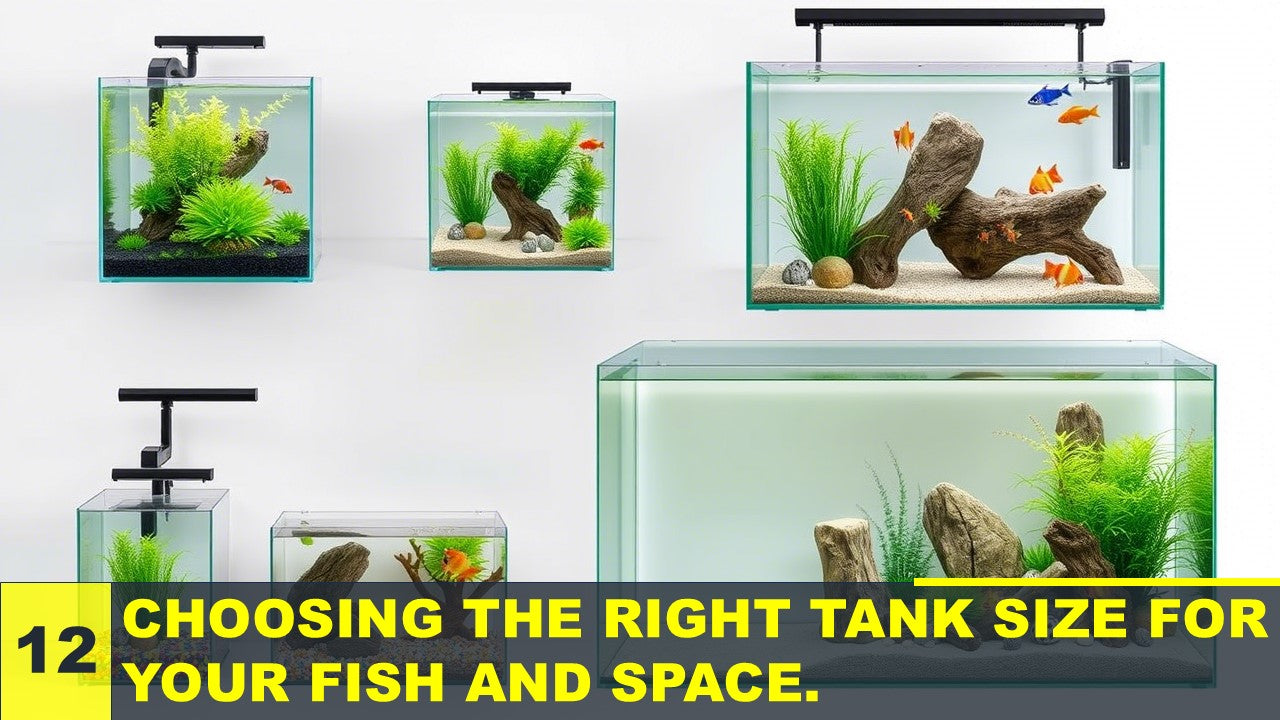
Credit: bubble-magus.net
Lighting And Temperature Control
Creating a suitable environment for bettas is crucial for their health. Both lighting and temperature play key roles in their well-being.
Understanding these needs helps ensure your fish thrive in their tank. Let’s explore the lighting and heating requirements for your bettas.
Lighting Needs For Bettas
Bettas require a balance of light and dark to mimic their natural habitat. Proper lighting helps regulate their sleep and wake cycles.
- Use LED lights that provide a gentle spectrum
- Avoid direct sunlight to prevent overheating
- Maintain a light schedule of 8-12 hours per day
Heating Equipment Options
Bettas are tropical fish, so maintaining the right water temperature is essential. Heaters keep the tank environment stable and comfortable.
| Heater Type | Advantages | Disadvantages |
| Submersible Heater | Even heat distribution | Can be more expensive |
| In-line Heater | Saves tank space | Requires additional setup |
| Substrate Heater | Promotes plant growth | Less effective for large tanks |
Selecting Tanks For Specific Betta Species
Choosing the right tank for your Betta fish is important. Different Betta species have unique needs.
Consider the tank size and features that match your Betta’s natural environment. This ensures their health and happiness.
Veiltail And Plakat Bettas
Veiltail and Plakat Bettas are popular for their beautiful fins. They thrive in tanks with calm water.
Halfmoon And Crowntail Bettas
Halfmoon and Crowntail Bettas are known for their large, flowing fins. They need spacious tanks to swim comfortably.
| Betta Type | Recommended Tank Size |
| Halfmoon | 5 gallons |
| Crowntail | 5 gallons |
Wild Betta Varieties
Wild Betta varieties often prefer tanks that mimic their natural habitat. These tanks should have plants and hiding spots.
- Use live plants for natural filtration
- Include rocks and caves for hiding
- Maintain stable water temperature
Tank Maintenance Tips
Keeping a betta fish tank clean is key to your fish’s health. Proper maintenance helps prevent diseases.
Simple routines make tank care easy and your betta happy. Let’s look at cleaning and water changes.
Regular Cleaning Routines
Clean the tank every week to remove waste and algae. Use a soft cloth or sponge to wipe the glass.
- Remove uneaten food after feeding
- Clean decorations and plants gently
- Use a gravel vacuum to clean the substrate
- Check filter and rinse it with tank water
Water Change Frequency
Change part of the water regularly to keep it fresh. This prevents harmful chemicals from building up.
| Tank Size | Water Change Amount | Frequency |
| 5 gallons or less | 30-50% | Weekly |
| 6-10 gallons | 20-30% | Weekly |
| More than 10 gallons | 10-20% | Every 1-2 weeks |

Credit: glassboxdiaries.com
Frequently Asked Questions
What Size Tank Is Ideal For Different Betta Species?
A 5-gallon tank suits most Betta species well. Larger species require tanks of 10 gallons or more for space and comfort. Proper tank size helps reduce stress and encourages natural behavior, ensuring healthier fish.
How Important Is Water Temperature For Betta Fish?
Water temperature is crucial for Bettas, ideally between 76°F and 82°F. Different species may prefer slight variations. Maintaining stable temperature prevents illness and promotes active, vibrant fish.
Should I Use A Filter For Betta Tanks?
Yes, a gentle filter is recommended to keep water clean without strong currents. Bettas prefer calm water, so choose filters designed for low flow to avoid stressing your fish.
What Tank Decorations Are Best For Betta Species?
Soft plants and smooth decorations are ideal to prevent fin damage. Betta species enjoy hiding spots, so adding caves or silk plants enhances their environment and reduces stress.
Conclusion
Choosing the right fish tank helps your bettas stay healthy and happy. Different betta species need different tank sizes and setups. Small tanks suit some species, while others need more space. Clean water and proper plants make a big difference.
Remember to check water temperature and quality often. A good tank setup reduces stress and illness in bettas. Keep their needs in mind to enjoy watching vibrant, active fish. Simple care leads to a long, bright life for your bettas.
Your effort shows in their beauty and energy every day.