
Are you trying to decide between a submersible heater and an immersion heater? Choosing the right heating solution can save you time, money, and hassle.
Both options have their strengths, but understanding how they work and which fits your needs is key. You’ll discover the clear differences, benefits, and drawbacks of each type. By the end, you’ll feel confident making the best choice for your home or project.
Keep reading to find out which heater suits you perfectly!
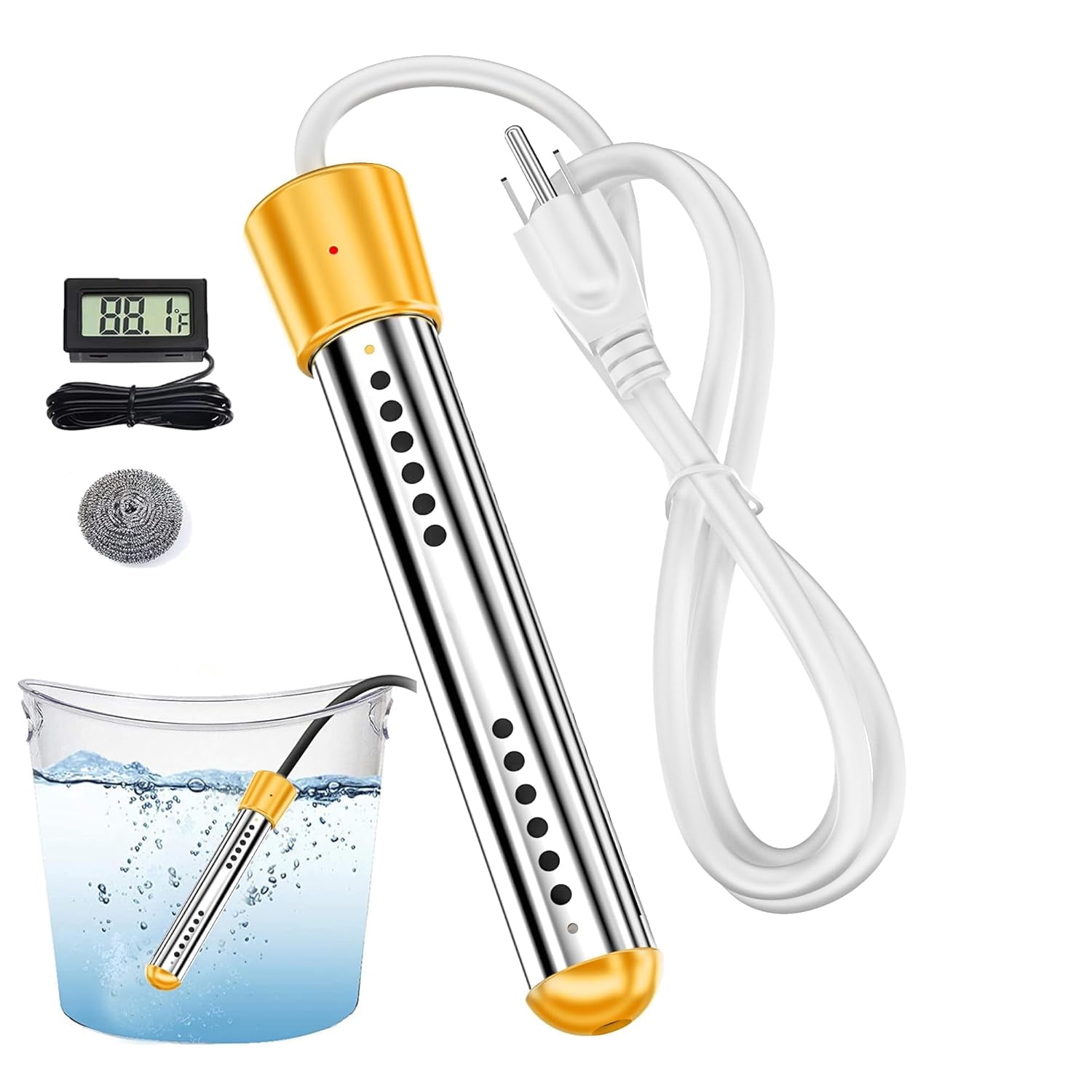
Credit: www.walmart.com
Types Of Heaters
Heaters come in many forms to suit different needs. Two common types are submersible and immersion heaters.
Both types heat liquids but work differently and have different uses. Knowing their types helps you choose the right one.
What Are Submersible Heaters
Submersible heaters sit fully under the liquid to heat it. They work by converting electricity into heat inside the water or other fluids.
These heaters are often used in tanks, pools, and aquariums. They keep water warm without needing external heat sources.
- Designed to be waterproof and safe under liquid
- Usually have a protective casing to prevent damage
- Can heat large volumes of water evenly
- Common in fish tanks and industrial tanks
What Are Immersion Heaters
Immersion heaters are metal rods placed inside liquids to heat them. They work by heating the rod, which warms the surrounding liquid.
These heaters are used in water tanks, boilers, and containers. They are easy to install and remove for maintenance.
- Consist of a heating element and a metal sheath
- Can be inserted or fixed inside tanks or containers
- Available in different sizes and power levels
- Used in homes and industries for heating water or oil
How They Work
Submersible and immersion heaters both heat water but work differently. They are used in tanks, boilers, and other containers.
Understanding how these heaters work helps to choose the right one for your needs.
Mechanism Of Submersible Heaters
Submersible heaters are placed fully inside the water. They use electric heating elements to warm the liquid directly.
The heating element heats up when electricity flows through it. The heat then transfers to the water around it.
- Heater is sealed to avoid water contact with electrical parts
- Heat spreads evenly through water by natural movement
- Temperature can be controlled by a thermostat
Mechanism Of Immersion Heaters
Immersion heaters have a heating coil that is dipped into the water or fluid. The coil heats up when powered on.
Heat from the coil passes to the water, raising its temperature. These heaters often use a metal sheath for protection.
- Heating coil made of metal resists corrosion
- Heater fits into a container through an opening
- Thermostats help keep water at the right temperature
Applications And Uses
Heaters that work underwater help keep liquids warm. Two common types are submersible and immersion heaters. Each one has special places to be used.
Understanding where to use each heater type helps with safety and efficiency. Below are the main uses for both submersible and immersion heaters.
Best Uses For Submersible Heaters
Submersible heaters go fully underwater. They heat water or other liquids directly and fast. These heaters fit well in many settings.
- Heating water in fish tanks and aquariums
- Keeping water warm in hot tubs and spas
- Heating liquids in industrial tanks and vats
- Preventing freezing in water pipes and pumps
- Maintaining temperature in wastewater treatment plants
Best Uses For Immersion Heaters
Immersion heaters are placed inside tanks or containers but do not always go fully underwater. They work well for heating liquids in various industries.
| Application | Type of Liquid | Typical Use |
| Water heating | Water | Boilers, water storage tanks |
| Chemical processing | Acids, solvents | Maintaining correct reaction temperatures |
| Oil heating | Oils and lubricants | Improving fluid flow and viscosity |
| Food industry | Milk, sauces | Pasteurization and cooking processes |
| Heating fuel tanks | Diesel, gasoline | Preventing fuel gelling in cold climates |

Credit: www.amazon.ca
Energy Efficiency
Submersible and immersion heaters both heat water by using electricity. Their energy efficiency affects your electricity bill and environmental impact.
Choosing the right heater can save energy and lower costs over time. Let’s compare their power use and costs.
Power Consumption Comparison
Submersible heaters heat water directly inside the tank. This method reduces heat loss and uses less power.
Immersion heaters heat water by placing a heating element into the water container. Some heat escapes into the air, which wastes energy.
- Submersible heaters use power more evenly.
- Immersion heaters may need more time to heat water fully.
- Submersible types often have better insulation.
Cost Implications
Energy efficiency affects electricity costs for both heaters. Submersible heaters usually cost less to run over time.
Immersion heaters can have lower upfront costs but might increase your power bill due to longer heating times.
| Heater Type | Initial Cost | Running Cost |
|---|---|---|
| Submersible Heater | Higher | Lower |
| Immersion Heater | Lower | Higher |
Safety Considerations
Submersible and immersion heaters are common tools to heat liquids. Both have safety risks that users must know. Understanding these risks helps prevent accidents and damage.
Always use these heaters as instructed. Proper use and care keep you safe and extend the heater’s life.
Risks With Submersible Heaters
Submersible heaters work underwater to heat liquids. They pose electric shock risks if damaged or used incorrectly. Water and electricity together can be dangerous.
Another risk is overheating. If the heater is not fully submerged, it can overheat and break. This may cause fires or burns.
- Electric shock from damaged wires or insulation
- Overheating if the heater is out of water
- Short circuits caused by water leaking into electrical parts
- Burns from touching the hot surface
Risks With Immersion Heaters
Immersion heaters heat liquids by direct contact but often stick out of the liquid. This can cause the heating element to get too hot if not covered properly.
There is also a risk of fire if the heater touches flammable materials. The electrical connections can become loose, causing sparks or shocks.
- Fire risk if heater touches flammable objects
- Electric shock from loose or damaged wiring
- Burns from exposed hot parts
- Damage if used without enough liquid covering the element
Installation And Maintenance
Submersible and immersion heaters are common in homes. They heat water efficiently. Proper installation and maintenance keep them working well.
Learn how to set up these heaters. Follow these steps to ensure they last long.
Setting Up Submersible Heaters
Submersible heaters are placed directly in the water. They are used in aquariums and small tanks. Make sure the heater is fully submerged before turning it on.
Place the heater in a location where water flows freely. This helps in even heat distribution. Avoid placing it near any decorations.
- Ensure the heater is unplugged during installation
- Attach the suction cups to the tank wall
- Check the heater’s temperature settings
Setting Up Immersion Heaters
Immersion heaters fit into large tanks. They are common in hot water systems. Install them through a hole in the tank.
Secure the heater with a flange or screw cap. Make sure it is tight to prevent leaks. Check the power supply before connecting.
- Turn off the main power supply before installation
- Use a wrench to tighten the heater
- Test the heater after installation
Maintenance Tips For Both
Regular maintenance ensures efficient heating. Clean heaters to remove any mineral deposits. Check the heaters for any signs of wear or damage.
Unplug heaters before cleaning. Use a soft cloth to wipe them down. Check the temperature settings regularly.
- Inspect heaters monthly for damage
- Replace faulty heaters immediately
- Keep heaters away from metal objects
Choosing The Right Heater
Submersible and immersion heaters are used to heat liquids. Choosing the right heater depends on several factors. Knowing these factors helps in making the best choice.
Both heaters have unique features. Understanding these features can guide you in selecting the right one for your needs.
Factors To Consider
Consider the type of liquid you need to heat. Some heaters work better with certain liquids. Temperature control is another important factor.
Safety features should also be checked. Heaters with automatic shut-off are safer. Efficiency of the heater can save energy and reduce costs.
- Type of liquid being heated
- Temperature control options
- Safety features like automatic shut-off
- Energy efficiency
Matching Heaters To Needs
Identify your specific needs before choosing a heater. Submersible heaters are ideal for small tanks. Immersion heaters are suitable for larger volumes.
Check if the heater fits your installation requirements. Some heaters are easy to install and remove. Others may require permanent installation.
- Submersible heaters for small tanks
- Immersion heaters for larger volumes
- Consider installation requirements
- Check ease of installation and removal

Credit: www.amazon.ca
Frequently Asked Questions
What Is The Main Difference Between Submersible And Immersion Heaters?
Submersible heaters are fully immersed in liquid, heating it directly. Immersion heaters may be partially submerged, heating through conduction. Submersible heaters provide faster, more efficient heating, while immersion heaters suit surface or indirect heating needs.
Which Heater Is More Energy-efficient For Water Heating?
Submersible heaters are generally more energy-efficient because they heat water directly. This direct contact reduces heat loss, ensuring faster heating and lower energy consumption compared to immersion heaters.
Can Submersible Heaters Be Used In All Liquids?
Submersible heaters work best in water and similar liquids. They may not suit corrosive or highly viscous fluids. Always check the heater’s material compatibility with the specific liquid before use.
How Do Immersion Heaters Ensure Safety During Operation?
Immersion heaters have built-in thermostats and thermal cutoffs. These features prevent overheating and electrical hazards. Proper installation and maintenance also enhance safety during their operation.
Conclusion
Choosing between submersible and immersion heaters depends on your needs. Submersible heaters heat water directly and work well for tanks. Immersion heaters are easy to install and fit in pipes or containers. Both types save energy if used correctly. Think about size, power, and safety before buying.
This helps you pick the best heater for your home or work. Understanding these differences makes heating water simple and effective.