
Keeping your species-specific tank healthy starts with one crucial step: mastering water chemistry. If you want your fish or aquatic creatures to thrive, understanding and maintaining the right water conditions is non-negotiable.
But don’t worry—this isn’t as complicated as it sounds. You’ll discover simple, effective tips to balance your tank’s water perfectly for your unique species. By the end, you’ll feel confident making your tank a safe and vibrant home that your aquatic pets deserve.
Ready to dive in? Let’s get started!
Water Parameters By Species
Different fish species need specific water conditions to thrive. Keeping the right water chemistry helps them stay healthy. Each parameter affects fish in unique ways.
Understanding these parameters lets you create the best environment for your species-specific tank. Watch the water closely and adjust as needed.
Ph Levels And Stability
pH measures how acidic or basic the water is. Most fish prefer a stable pH level. Sudden changes can stress or harm them. For example, African cichlids like a pH around 7.8 to 8.6. Neon tetras thrive near 6.0 to 7.0.
- Test pH weekly with a reliable kit.
- Use buffers to adjust pH slowly.
- Avoid mixing species with very different pH needs.
- Keep the tank clean to prevent pH swings.
Temperature Control
Temperature affects fish metabolism and oxygen levels. Tropical fish usually need 75°F to 80°F. Coldwater fish like goldfish prefer 65°F to 72°F. Sudden temperature changes can cause shock or illness.
| Species | Ideal Temperature (°F) |
| Discus | 82 – 86 |
| Betta | 76 – 81 |
| Goldfish | 65 – 72 |
| Neon Tetra | 70 – 78 |
Hardness And Mineral Content
Water hardness is the amount of dissolved minerals like calcium and magnesium. Some fish prefer soft water, others hard water. For example, Amazonian fish like soft water, while African cichlids need hard water.
- Measure general hardness (GH) and carbonate hardness (KH).
- Use mineral supplements to raise hardness if needed.
- Use reverse osmosis water to lower hardness.
- Keep hardness levels steady to avoid stress.
Oxygen And Carbon Dioxide Balance
Fish need oxygen to breathe and carbon dioxide must stay low. Warm water holds less oxygen than cold water. Plants produce oxygen during the day but release CO2 at night.
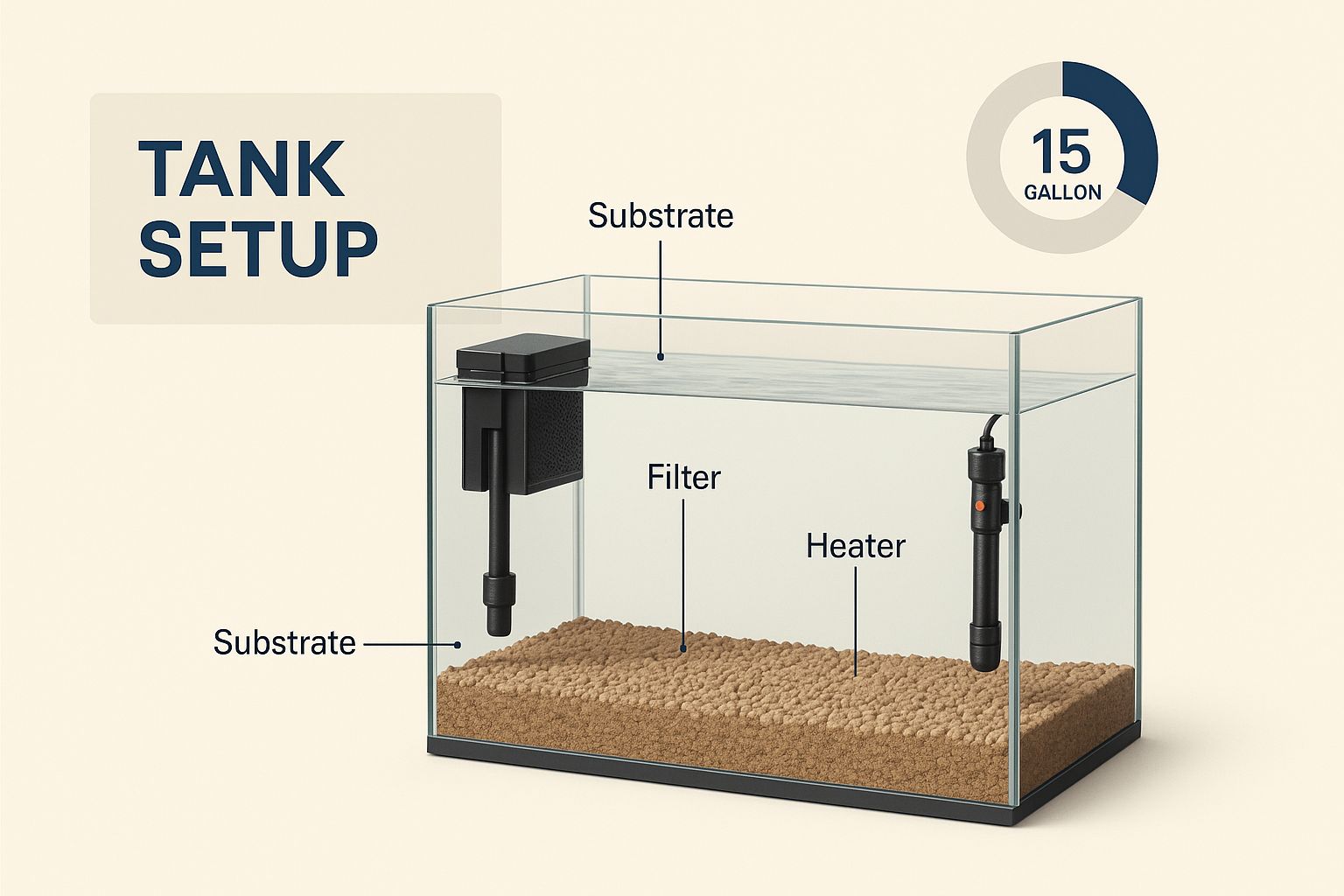
Use aeration devices and live plants to keep the balance. Watch for gasping fish at the surface as a warning sign.
Credit: clixfueling.com
Testing And Monitoring Techniques
Maintaining the right water chemistry is vital for species-specific tanks. Testing and monitoring help keep fish healthy and happy.
Regular checks let you spot issues early and adjust water conditions quickly. This guide covers key testing and monitoring methods.
Choosing The Right Test Kits
Select test kits that match your tank’s specific needs. Different species need different water conditions, so choose kits that measure those parameters.
- Ammonia, nitrite, and nitrate kits for freshwater tanks
- pH test kits for acid-loving or alkaline-preferring species
- Salinity testers for marine or brackish water tanks
- Hardness and alkalinity kits for species sensitive to water hardness
Frequency Of Testing
Test water often enough to catch changes but not too often to stress yourself. The testing schedule depends on tank size, species, and stability.
| Tank Condition | Testing Frequency |
| New setup | Daily |
| Established stable tank | Weekly |
| Species sensitive to water changes | 2-3 times per week |
| After water changes or treatments | Immediately and next day |
Interpreting Test Results
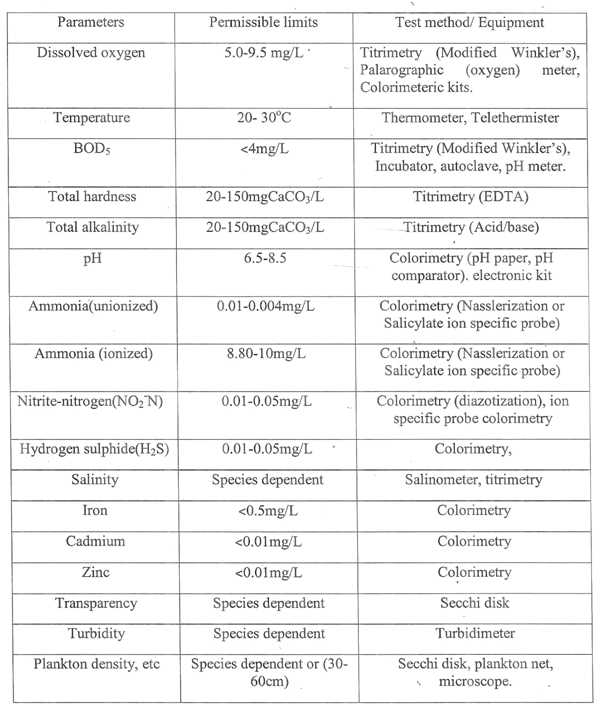
Know the safe ranges for your species. Compare your test results to these ranges to decide if action is needed.
- Check if ammonia and nitrite levels are near zero
- Keep nitrate levels below 20 ppm for most freshwater fish
- Maintain pH within the species’ preferred range
- Adjust hardness and salinity carefully and slowly
- Repeat tests after any correction to confirm stability
Adjusting Water Chemistry Safely
Keeping the right water chemistry is key for species-specific tanks. Fish and plants need stable water conditions to stay healthy.
Changing water chemistry too fast or wrong can harm your tank inhabitants. It is important to adjust water safely and carefully.
Using Buffers And Conditioners
Buffers help keep pH levels stable in your tank. They prevent sudden pH swings that can stress fish.
Water conditioners remove harmful chemicals like chlorine and chloramine. They also add beneficial substances to protect fish.
- Use buffers to keep pH steady
- Apply conditioners to remove toxins
- Follow product instructions carefully
Gradual Vs. Immediate Changes
Make water changes slowly to avoid shocking your fish. Sudden changes can cause stress or illness.
Test water parameters regularly. Adjust pH, hardness, or temperature in small steps over several days.
- Change no more than 10-20% of water at once
- Adjust pH by 0.1 to 0.2 units daily
- Monitor fish behavior for stress signs
Avoiding Common Mistakes
Do not add chemicals without testing water first. Overdosing can harm fish and plants.
Never mix different water treatments unless sure they are safe together. Some chemicals can react badly.
- Test water before adding any chemical
- Use only recommended doses
- Mix treatments carefully or separately
- Keep records of water changes and additives

Credit: piusuzukwu.medium.com
Filtration And Water Changes
Maintaining water chemistry is key for species-specific tanks. Filtration and water changes help keep the tank healthy.
Good filtration removes waste and toxins. Regular water changes keep water fresh and balanced.
Selecting Suitable Filters
Choose filters that fit your tank size and fish species. Some fish need gentle water flow, so pick filters with adjustable speed.
Use filters that provide mechanical, biological, and chemical filtration. This keeps water clean and safe for your fish.
- Mechanical filtration traps debris and waste
- Biological filtration breaks down harmful chemicals
- Chemical filtration removes toxins and odors
- Adjust filter flow for sensitive species
Water Change Schedules
Change water regularly to keep tanks healthy. The schedule depends on tank size and fish type.
Smaller tanks or heavily stocked tanks need more frequent water changes. Large tanks with few fish need less frequent changes.
- Small tanks: change 20-30% weekly
- Medium tanks: change 15-20% weekly or biweekly
- Large tanks: change 10-15% biweekly
- Adjust schedule based on fish health and water tests
Dechlorination And Water Preparation
Tap water often contains chlorine or chloramine. These chemicals harm fish. Always treat water before adding it to the tank.
Use a water conditioner to remove chlorine and chloramine. Test water temperature and pH before adding it to the tank.
- Use water conditioner to neutralize chlorine and chloramine
- Match new water temperature to tank water
- Check pH and adjust if needed for species
- Use dechlorinated water for water changes and topping off
Special Considerations For Sensitive Species
Maintaining water chemistry for sensitive species requires careful attention. These species often need stable and specific water conditions to thrive.
Small changes in water quality can cause stress or illness. Understanding their needs helps create a healthy environment.
Breeding Tank Requirements
Breeding tanks for sensitive species must have precise water parameters. Temperature, pH, and hardness should match natural habitats.
- Keep water temperature steady within 1-2 degrees Celsius.
- Use gentle filtration to avoid strong currents.
- Maintain pH levels specific to the species.
- Provide soft or hard water based on their natural environment.
- Regularly test water to avoid sudden changes.
Handling Disease And Stress
Sensitive species can get sick easily if stressed. Clean water and proper nutrition reduce disease risks.
| Cause | Effect | Solution |
| Poor water quality | Increased illness | Regular water changes |
| High ammonia or nitrite | Gills damage | Use biofilters |
| Sudden temperature change | Stress response | Keep stable temperature |
| Overcrowding | Stress and aggression | Limit tank population |
Customizing For Rare Species
Rare species may need unique water chemistry and tank setups. Research their native habitat for best results.
Tips to customize tanks for rare species:
- Use natural substrates like sand or peat.
- Add plants or driftwood from their region.
- Adjust water hardness and pH carefully.
- Monitor water parameters daily.
- Provide hiding spots to reduce stress.
Credit: piusuzukwu.medium.com
Frequently Asked Questions
What Is Water Chemistry In Species-specific Tanks?
Water chemistry refers to maintaining optimal pH, hardness, and nutrient levels tailored for each species. Proper balance ensures fish health and vibrant ecosystems.
How Often Should I Test Water Parameters?
Test water weekly to monitor pH, ammonia, nitrites, and nitrates. Frequent checks prevent harmful fluctuations and maintain stable conditions.
Which Chemicals Are Safe For Adjusting Tank Water?
Use aquarium-specific buffers and conditioners designed for your species. Avoid household chemicals to prevent toxicity and stress in aquatic life.
Can Incorrect Water Chemistry Harm Fish?
Yes, improper water conditions can cause stress, illness, and death. Maintaining correct chemistry supports fish immune systems and overall well-being.
Conclusion
Maintaining water chemistry is key to healthy species-specific tanks. Regular testing helps catch issues early. Adjust parameters slowly to avoid stressing your fish. Clean water supports fish growth and disease prevention. Keep a routine schedule for water changes and checks.
Each species needs unique care and attention. Consistency makes your aquarium a safe home. Enjoy watching your fish thrive in perfect conditions. Simple steps lead to long-lasting tank success.