
Are you struggling to keep your tanks cool without spending a fortune on chillers? Imagine cutting your energy costs and simplifying your cooling system at the same time.
Cooling tanks without chillers might sound challenging, but it’s more possible than you think. You’ll discover smart, effective ways to maintain the right temperature for your tanks without relying on expensive equipment. Keep reading, and you’ll find practical solutions that can save you money and hassle—making your cooling process easier and more efficient.
Benefits Of Cooling Tanks Without Chillers
Cooling tanks without chillers use natural methods to lower temperatures. They avoid complex equipment like mechanical chillers.
This approach offers many advantages in energy use, maintenance, and design simplicity. These benefits suit many industries and applications.
Lower Energy Consumption
Cooling tanks without chillers save electricity by not using energy-heavy cooling machines. They rely on ambient air or water to cool the tank.
This reduces power bills and cuts carbon emissions. It also helps facilities meet energy efficiency goals.
- No electric chillers running continuously
- Uses natural cooling methods like evaporation or heat exchange
- Lower overall energy demand for cooling
Reduced Maintenance Costs
Without chillers, the system has fewer parts that can break down. This leads to less frequent repairs and lower maintenance costs.
Cooling tanks without chillers need simple upkeep like cleaning and inspection. They avoid complex chiller servicing.
- Fewer mechanical components to maintain
- Simple cleaning routines
- Less risk of equipment failure
Simplified System Design
Cooling tanks without chillers have a straightforward design. They do not require piping and controls for chiller operation.
This makes installation easier and faster. The system is easier to understand and operate for staff.
- Fewer parts and connections
- Easy to install and operate
- Lower risk of design errors
Natural Cooling Techniques
Cooling tanks without chillers can save energy and reduce costs. Natural methods use air, water, and materials to keep tanks cool.
These techniques help maintain temperature without using electric chillers. They are simple and eco-friendly solutions.
Evaporative Cooling Methods
Evaporative cooling uses water evaporation to lower tank temperature. Water absorbs heat as it turns into vapor.
- Spray water on the tank surface
- Use wet pads around the tank
- Allow air flow to help evaporation
- Keep water clean to avoid buildup
Heat Exchange With Ambient Air
Heat exchange cools tanks by passing warm air away and bringing cooler air close. Fans and vents can assist this process.
| Method | Benefit |
| Natural Ventilation | Uses wind to cool tank |
| Fans | Speeds up air movement |
| Shade Structures | Reduces heat from sun |
Thermal Insulation Strategies
Insulation reduces heat entering the tank. It keeps the inside temperature stable for longer periods.
- Foam sheets
- Reflective foils
- Fiberglass wraps
- Natural fibers like straw
Passive Cooling Tank Designs
Cooling tanks keep liquids at safe temperatures. Passive cooling uses natural ways to lower heat.
These tanks do not need chillers or electric parts. They save energy and lower costs.
Material Selection For Heat Dissipation
Choose materials that let heat escape easily. Metals like aluminum or copper cool tanks better.
These materials spread heat fast. This keeps the liquid inside cooler for longer times.
- Aluminum: lightweight and good heat conductor
- Copper: excellent heat transfer but costly
- Steel: strong but slower heat release
Tank Shape And Orientation
Shape affects how air moves around the tank. Round tanks cool more evenly than square ones.
Place tanks to catch cool breezes. Positioning tanks in shade helps lower heat gain.
- Round shapes reduce heat spots
- Orient tanks away from direct sunlight
- Use raised supports for better air flow
Use Of Reflective Coatings
Reflective coatings bounce sunlight away. This stops tanks from heating too much in the sun.
Light colors like white or silver reflect the most heat. Use these coatings on all tank surfaces.
- White paint reflects most sunlight
- Silver coatings reflect infrared heat
- Regular maintenance keeps coatings effective

Credit: juyoumech.en.made-in-china.com
Alternative Cooling Systems
Cooling tanks usually need chillers to keep liquids cold. Chillers use a lot of energy and can be costly. Alternative cooling systems cool tanks without chillers.
These systems use natural or simple methods to lower temperature. They save energy and reduce maintenance costs.
Cooling Towers Integration
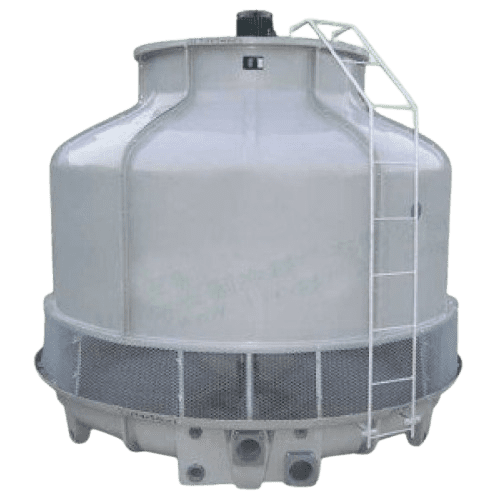
Cooling towers use air and water to cool liquids. They move heat from the tank to the outside air. This process does not need chillers.
Cooling towers work best in warm climates. They reduce the load on chillers or can replace them. This lowers energy use and cuts costs.
- Water flows through a heat exchanger
- Air cools the water in the tower
- Cooled water returns to the tank system
- Heat releases into the outdoor air
Groundwater Cooling Approaches
Groundwater stays cool all year. Pipes can carry water from underground to cool tanks. This method avoids electric chillers.
It uses natural cold water to lower tank temperatures. It works well if groundwater is nearby and clean.
- Pipes bring cold water from underground
- Water passes through heat exchangers
- Heat moves from tank to groundwater
- Water returns underground or is reused
Radiative Cooling Panels
Radiative cooling panels release heat to the sky at night. They cool tanks by sending heat away as infrared rays. This does not need electricity.
Panels work best in dry, clear weather. They reduce tank temperature naturally. This system is simple and low cost.
- Panels face the open sky
- Heat leaves as infrared radiation
- Tank temperature drops at night
- Can be combined with other cooling methods
Cost Comparison And Roi
Cooling tanks without chillers use natural cooling methods. This reduces energy use and lowers costs.
This article compares costs and shows the return on investment for these tanks.
Initial Setup Costs
Cooling tanks without chillers cost less to install. They do not need expensive chiller machines.
Materials and labor are simpler, which cuts initial expenses.
- No chiller equipment purchase needed
- Less complex plumbing and wiring
- Lower installation labor costs
- Reduced maintenance setup
Operational Savings
These tanks save money by using less electricity. Chillers use a lot of power to run.
Lower energy use means smaller utility bills every month.
- Reduced energy consumption
- Lower maintenance expenses
- Fewer repairs and part replacements
- Less downtime for repairs
Long-term Financial Benefits
Over time, the savings add up. The return on investment improves steadily.
Lower costs mean better profits and less financial risk.
| Factor | Cooling Tanks Without Chillers | Cooling Tanks With Chillers |
|---|---|---|
| Initial Cost | Low | High |
| Energy Use | Low | High |
| Maintenance | Low | Moderate to High |
| ROI Timeline | Shorter | Longer |

Credit: trivontrading.co.ke
Applications And Industry Use Cases
Cooling tanks without chillers are useful in many industries. They help keep things cool without using extra machinery. This is important for saving energy and reducing costs.
These tanks are versatile and can be used in different fields. They are effective in managing temperature for various applications.
Food And Beverage Processing
In food and beverage processing, cooling tanks help maintain freshness. They prevent spoilage by keeping products at the right temperature.
Beverages like milk and juice benefit from these tanks. They stay fresh longer, ensuring quality for consumers.
- Milk storage
- Juice preservation
- Beer fermentation
Chemical Storage Solutions
Chemical storage needs careful temperature management. Cooling tanks without chillers help keep chemicals stable.
Stable temperatures prevent dangerous reactions. This ensures safety in chemical storage facilities.
- Industrial chemicals
- Pharmaceutical ingredients
- Laboratory samples
Agricultural Water Cooling
In agriculture, water needs to be cool for irrigation. Cooling tanks help provide the right water temperature for crops.
This helps plants grow better and increases yield. It is essential for farms in hot climates.
- Irrigation systems
- Greenhouse water supply
- Livestock cooling
Challenges And Limitations
Cooling tanks without chillers face several challenges. These systems are often dependent on natural cooling processes. Understanding their limitations helps in planning and optimization.
Users must consider environmental factors and physical space. Performance can vary under different conditions, which affects efficiency.
Climate Dependency
Cooling tanks without chillers rely heavily on local climate. In warm areas, these systems may struggle to maintain low temperatures. Colder climates offer better cooling efficiency.
- Warm climates reduce cooling efficiency
- Cold climates enhance cooling performance
- Humidity impacts the cooling process
Space Requirements
Cooling tanks need ample space for optimal functioning. They require room for air circulation and heat dissipation. Limited space can hinder performance and efficiency.
- Large space allows better air flow
- Compact areas limit cooling effectiveness
- Proper spacing prevents overheating
Performance Variability
Performance of these tanks can vary with environmental changes. Temperature fluctuations affect cooling rates. Consistent performance is challenging without mechanical chillers.
- Temperature shifts impact cooling speed
- Stable environments ensure better performance
- Unpredictable weather can affect efficiency
Credit: amchiller.com
Future Trends In Cooling Tank Technology
Cooling tanks without chillers are becoming more popular. They use natural methods to keep things cool.
New technology helps make these tanks smarter and more eco-friendly. This helps save energy and costs.
Smart Monitoring Systems
Smart systems check the temperature and water levels in cooling tanks. They send alerts if something needs fixing.
These systems use sensors and apps. They help operators control tanks from far away, saving time and effort.
- Real-time temperature tracking
- Water level monitoring
- Automatic alerts for issues
- Remote control via smartphone
Eco-friendly Materials
Manufacturers use green materials to build cooling tanks. These materials reduce waste and pollution.
Biodegradable plastics and recycled metals are common. They make tanks lighter and easier to recycle later.
- Recycled steel and aluminum
- Biodegradable plastics
- Non-toxic coatings
- Materials that last longer
Hybrid Cooling Solutions
Hybrid cooling tanks use more than one cooling method. They combine natural cooling with new technology.
This mix improves cooling speed and saves energy. Hybrid tanks adapt to weather and load changes well.
- Natural air cooling with fans
- Water evaporation methods
- Solar-powered cooling units
- Energy-efficient design features
Frequently Asked Questions
What Are Cooling Tanks Without Chillers?
Cooling tanks without chillers use natural methods to reduce liquid temperature. They rely on ambient air or water circulation. This approach avoids mechanical refrigeration, saving energy and lowering costs. These tanks suit applications with moderate cooling needs and stable environmental conditions.
How Do Cooling Tanks Cool Liquids Naturally?
They cool liquids through evaporation, convection, or conduction. Air or water flow removes heat from the liquid inside. Materials with high thermal conductivity help transfer heat efficiently. This passive cooling reduces energy use and maintenance compared to chiller-based systems.
Are Cooling Tanks Without Chillers Energy Efficient?
Yes, they consume significantly less energy than chiller systems. Without compressors or refrigerants, they lower electricity use. This efficiency benefits facilities aiming to reduce operational costs and environmental impact. However, efficiency depends on climate and cooling requirements.
What Industries Use Cooling Tanks Without Chillers?
Industries like agriculture, brewing, and water treatment use them. They cool liquids such as water, chemicals, or beverages. These tanks fit operations with moderate cooling demands and where chilled water isn’t essential. They provide a cost-effective alternative to chillers.
Conclusion
Cooling tanks without chillers offer a simple way to keep liquids cool. They save energy and reduce costs. Maintenance is easier and less frequent. These tanks suit many industries and needs. Choose the right system to fit your process. Smart design and proper use ensure good results.
Cooling can be effective without complex machines. Think about your needs and space before deciding. This method can work well for smaller setups. Cooler liquids help improve product quality and safety.