
Are you ready to create a vibrant and peaceful saltwater aquarium? Choosing the best tank mates for your saltwater species is key to a healthy and beautiful underwater world.
But it can be tricky—some fish get along, while others can cause stress or harm. You’ll discover which species make perfect companions, helping you build a stunning tank where every creature thrives. Keep reading to find out how to make your saltwater aquarium a true masterpiece!
Choosing Saltwater Tank Mates
Choosing the right tank mates is key to a peaceful saltwater aquarium. Fish and invertebrates must live well together.
Understanding what makes species compatible helps you create a thriving marine environment.
Factors Influencing Compatibility
Compatibility depends on size, diet, and aggression levels. Some fish may bully or eat others.
- Size difference – bigger fish may harm smaller ones
- Diet – carnivores might attack herbivores
- Territorial behavior – some species need their own space
- Activity level – fast swimmers may stress slow species
Behavioral Traits To Consider
Look at how fish act around others. Peaceful species prefer calm neighbors.
| Trait | Effect on Compatibility |
| Territorial | May chase or fight other fish |
| Schooling | Needs groups to feel safe |
| Shy | Can be stressed by active tank mates |
| Aggressive | Can bully or harm others |
Environmental Needs
Different species need specific water conditions and tank setups. Match these needs carefully.
| Species | Water Temp (°F) | pH Range | Habitat |
|---|---|---|---|
| Clownfish | 74-78 | 8.1-8.4 | Reef |
| Blue Tang | 72-78 | 8.0-8.4 | Reef |
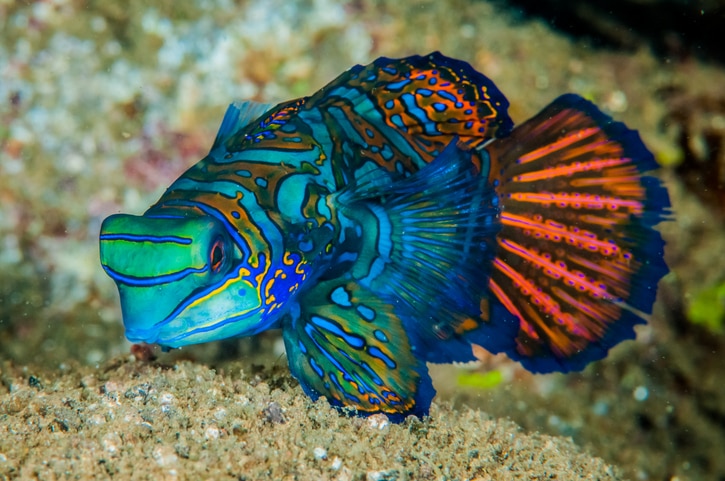
| Mandarinfish | 72-78 | 8.1-8.4 | Sand/Coral |
| Cleaner Shrimp | 72-78 | 8.0-8.4 | Coral |

Credit: www.youtube.com
Top Fish Tank Mates
Choosing the right tank mates is important for a peaceful saltwater aquarium. Fish must live well together without stress or fighting.
We will look at three popular groups and their best companions in saltwater tanks.
Clownfish Compatibilities
Clownfish are friendly and colorful. They do well with other peaceful fish and some invertebrates. Avoid very aggressive fish that might harm them.
- Damselfish
- Firefish
- Cleaner shrimp
- Small gobies
- Soft corals
Tangs And Surgeonfish Partners
Tangs and surgeonfish are active swimmers. They need tank mates that can share space without stress. Keep only one tang of the same species to avoid fights.
| Fish | Compatibility Notes |
| Blue Tang | Good with peaceful fish, avoid other surgeonfish |
| Yellow Tang | Needs plenty of swimming space |
| Foxface Rabbitfish | Can be aggressive if crowded |
| Clownfish | Peaceful and good companions |
Gobies And Blennies
Gobies and blennies are small bottom dwellers. They help clean the tank and are peaceful. They work well with larger fish that do not bother them.
- Watchman Goby
- Yellow Watchman Goby
- Sailfin Blenny
- Lawnmower Blenny
- Cardinalfish
Invertebrate Companions
Choosing the right invertebrates can improve your saltwater tank’s balance. These creatures help keep the environment clean and peaceful.
They offer natural benefits like algae control and debris removal. Let’s explore some popular invertebrate companions for saltwater species.
Shrimp Varieties
Shrimp are active cleaners and peaceful tank mates. They eat leftover food and algae, helping to maintain water quality.
- Cleaner Shrimp: Removes parasites from fish and eats detritus.
- Fire Shrimp: Bright red and provides tank decoration plus cleanup.
- Sexy Shrimp: Small and social, often seen in groups.
- Arrow Crab Shrimp: Prefers hiding spots and controls pests.
Snails For Tank Health
Snails play a key role in keeping tanks free of algae and waste. They consume leftovers that other animals ignore.
| Snail Type | Purpose | Notes |
|---|---|---|
| Nerite Snails | Algae eater | Good on glass and rocks |
| Trochus Snails | Detritus remover | Rolls into a ball when disturbed |
| Turbo Snails | Algae cleaner | Leaves a slimy trail |
| Rabbit Snails | Detritus and leftover food eater | Slow mover, peaceful |
Crabs And Other Crustaceans
Crabs and other crustaceans add variety and activity to the tank. They clean by scavenging and help aerate the substrate.
Popular crustaceans include:
- Emerald Crab: Controls algae and deters pests.
- Hermit Crab: Cleans leftover food and algae, but may move shells.
- Boxer Crab: Small and peaceful, carries sea anemones for defense.
- Decorator Crab: Camouflages with tank debris, adds interest.
Coral And Anemone Allies
Choosing the right tank mates is key to a healthy saltwater aquarium. Coral and anemones need allies that keep them safe and thriving.
This guide shows safe coral choices, anemone compatibility, and how to avoid coral predators in your tank.
Safe Coral Choices
Some corals are easier to keep and less aggressive. These species make good neighbors for most saltwater tanks.
- Zoanthids: Colorful and hardy, good for beginners.
- Mushroom Corals: Adapt well to many environments.
- Leather Corals: Grow fast and handle movement well.
- Star Polyps: Spread quickly and are peaceful.
- Green Star Polyps: Bright green and easy to care for.
Anemone Compatibility
Anemones need special tank mates that do not harm them and can live in the same water conditions.
| Fish Type | Compatibility | Notes |
| Clownfish | High | Forms symbiotic relationships with anemones. |
| Damselfish | Moderate | May bother anemones if overcrowded. |
| Butterflyfish | Low | Can nip at anemone tentacles. |
| Gobies | High | Generally peaceful and safe. |
| Cardinalfish | High | Non-aggressive and compatible. |
Avoiding Coral Predators
Some fish and invertebrates eat or damage corals. Avoid these to keep your corals safe.
- Certain Butterflyfish species
- Pufferfish and Triggerfish
- Crown-of-Thorns Starfish
- Some crabs and shrimp that pick at coral
- Aiptasia anemones, which can harm corals by spreading fast
Common Compatibility Challenges
Keeping saltwater species together can be tricky. Some species do not get along well.
Understanding common challenges helps create a peaceful tank environment.
Aggression And Territoriality
Many saltwater species defend their space strongly. Aggression can cause stress or injury.
- Some fish mark their territory with colors or displays.
- Species that dig or move rocks may disturb others.
- Mixing aggressive and passive species often leads to fights.
- Smaller or shy fish may hide or stop eating.
Feeding Conflicts
Different species eat different foods and at different speeds. Feeding time can cause tension.
| Species Type | Diet | Feeding Behavior |
| Bottom Dwellers | Algae, detritus | Slow, steady eaters |
| Mid-Water Fish | Pellets, flakes | Quick, aggressive eaters |
| Predators | Live or frozen meat | Fast and dominant |
Disease Transmission Risks
Diseases spread fast in saltwater tanks. Mixing species can increase risks.
Common ways diseases spread:
- Contact with infected fish
- Sharing water and filter systems
- Introducing new animals without quarantine
- Stress weakening fish immune systems

Credit: onthemediapk.medium.com
Maintaining Harmony In Mixed Tanks
Creating a peaceful saltwater tank with different species is a rewarding task. The key is choosing the right tank mates and ensuring a balanced environment for all.
Fish have varied needs and behaviors that must be understood. With the right setup and monitoring, you can enjoy a harmonious aquatic community.
Tank Setup Tips
The first step in maintaining harmony is setting up the tank properly. Choose a tank size that provides enough space for all fish to swim freely.
Arrange hiding spots and territories using rocks and plants. This helps reduce stress and aggression among the fish.
- Ensure proper filtration to maintain water quality.
- Keep the water temperature consistent.
- Provide adequate lighting to mimic natural conditions.
Monitoring Fish Behavior
Observing fish behavior is crucial to keeping the peace. Watch for signs of aggression or stress, like chasing or hiding often.
Feeding times are important. Make sure all fish get enough food without competition or bullying.
- Check for any signs of illness or injury.
- Ensure fish are not gasping at the surface.
- Note any changes in activity levels.
Adjusting Tank Conditions
Sometimes, you need to adjust tank conditions to maintain balance. Regularly test water parameters like pH and salinity.
If aggression arises, consider rearranging the tank layout. This can disrupt established territories and reduce conflict.
- Perform regular water changes to keep the environment clean.
- Adjust feeding schedules to reduce competition.
- Add more hiding spots if necessary.
Credit: www.chewy.com
Frequently Asked Questions
What Are The Safest Tank Mates For Saltwater Fish?
Safe tank mates include clownfish, gobies, and blennies. These species are peaceful and adapt well to community tanks. Avoid aggressive or territorial fish to maintain harmony in your saltwater aquarium.
Can Saltwater Species Live With Coral Tank Mates?
Yes, many saltwater fish coexist peacefully with corals. Choose non-aggressive fish that do not nip at coral polyps. Proper tank conditions and compatible species ensure a healthy reef environment.
Which Fish Species Help Control Algae In Saltwater Tanks?
Tangs, blennies, and certain gobies are excellent algae eaters. They help maintain tank cleanliness and balance. Including these species supports a healthy ecosystem by naturally controlling algae growth.
How To Prevent Aggression Among Saltwater Tank Mates?
Maintain adequate tank size and hiding spots to reduce stress. Avoid mixing territorial or aggressive species. Regular monitoring and proper feeding minimize conflicts and promote peaceful coexistence.
Conclusion
Choosing the right tank mates helps your saltwater species live well together. Peaceful fish and invertebrates make a calm aquarium. Avoid aggressive or large fish that may harm others. Always research each species before adding them to your tank. Healthy tank mates create a balanced and happy environment.
Keep water quality stable for all your marine friends. Enjoy watching your diverse saltwater community thrive every day. A well-planned tank brings beauty and life to your home.