
Choosing the right fish species for your large aquarium can feel overwhelming. You want your tank to look stunning, but picking the wrong fish can lead to problems like aggression, overcrowding, or unhealthy water conditions.
What if you could avoid these issues and create a vibrant, peaceful underwater world that you love watching every day? This guide will help you make smart choices that fit your tank size, style, and experience. Keep reading to discover how to select fish that thrive together and turn your aquarium into a beautiful, balanced ecosystem.

Credit: www.completekoi.com
Factors To Consider
Choosing the right fish species for a large aquarium needs careful thought. Many factors affect how well fish live together and stay healthy.
Knowing these factors helps you create a balanced and happy environment for your aquatic pets.
Tank Size And Space
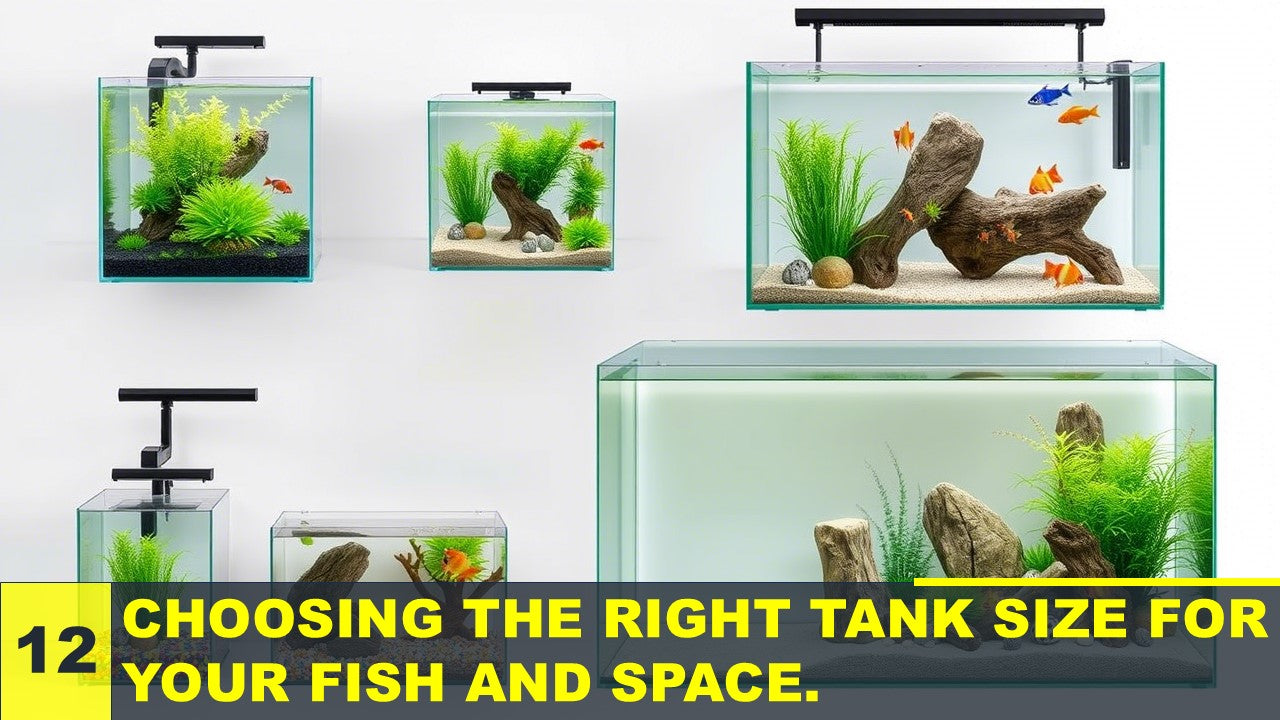
Tank size limits how many and what kind of fish you can keep. Large fish need more space to swim freely. Overcrowding causes stress and illness.
Water Conditions
Different fish need different water temperatures, pH levels, and hardness. Matching fish to your tank’s water keeps them healthy and active.
Compatibility With Other Fish
- Check if fish are peaceful or aggressive
- Group fish with similar sizes
- Avoid mixing species that may fight
- Research social habits before adding new fish
Fish Behavior And Temperament
| Behavior Type | Description |
|---|---|
| Peaceful | Swim calmly, avoid fights |
| Territorial | Defend a certain area strongly |
| Schooling | Prefer to swim in groups |
| Solitary | Live mostly alone |
Dietary Needs
Fish have varied diets such as flakes, pellets, live, or frozen food. Feeding the right food keeps fish healthy and supports growth.
Example diet types include:
- Herbivores: eat plants and algae
- Carnivores: need protein-rich food
- Omnivores: eat both plants and animals

Credit: bubble-magus.net
Popular Large Aquarium Fish
Choosing the right fish for a large aquarium is important. Large fish need enough space to swim and grow.
This guide covers popular large aquarium fish. Each type has different care needs and behaviors.
Cichlids
Cichlids are colorful and active fish. Many species can grow quite large in a big tank.
They need hiding places and stable water conditions. Some cichlids can be aggressive toward others.
- Oscar fish
- Green Terror
- Jack Dempsey
- Electric Blue Cichlid
Catfish
Catfish are bottom dwellers that help keep the tank clean. Many grow large and live long.
They prefer soft substrate and need places to hide during the day. Some are peaceful with other fish.
- Plecostomus (Plecos)
- Pictus Catfish
- Redtail Catfish
- Synodontis Catfish
Tetras
Tetras are small but some species grow larger than others. They like to swim in groups.
They are peaceful and need clean, well-filtered water. Larger tetras add color and movement.
- Buenos Aires Tetra
- Bleeding Heart Tetra
- Black Skirt Tetra
Discus Fish
Discus fish are round and brightly colored. They are popular but need special care and water conditions.
They grow up to 8 inches and prefer warm, soft water. Discus fish do best in groups.
- Require clean, warm water (82-86°F)
- Need a calm environment
- Feed on high-quality flake and pellet food
Angelfish
Angelfish have tall bodies and long fins. They are graceful swimmers and can grow quite large.
They prefer tall tanks with plants. Angelfish can be territorial but are usually peaceful with other fish.
- Grow up to 6 inches tall
- Need a minimum tank size of 20 gallons
- Enjoy planted tanks and hiding spots
Freshwater Vs Saltwater Species
Choosing the right fish species is important for a large aquarium. Freshwater and saltwater fish have different needs.
This guide helps you understand the main differences between freshwater and saltwater fish for your tank.
Differences In Care
Freshwater fish need less equipment and simpler water conditions. Saltwater fish require more gear and stable water quality.
Saltwater tanks need special filters and salt mixes. Freshwater tanks are easier to maintain and more forgiving.
- Freshwater fish tolerate wider temperature ranges
- Saltwater fish need precise salinity and pH levels
- Saltwater tanks require protein skimmers and live rock
- Freshwater tanks often need only basic filters and heaters
- Saltwater fish are usually more sensitive to changes
Popular Freshwater Choices
Freshwater fish are common and easy to find. They work well for beginners and large tanks.
These fish come in many sizes and colors, making your aquarium lively and bright.
- Angelfish – graceful and tall-bodied
- Discus – round and colorful
- Gouramis – peaceful and hardy
- Neon Tetras – small and bright
- Cichlids – active and diverse
Popular Saltwater Choices
Saltwater fish often have bright colors and unique shapes. They add beauty to large aquariums.
These fish need more care but can be very rewarding for experienced hobbyists.
- Clownfish – famous and hardy
- Tang fish – active swimmers
- Gobies – small and bottom dwellers
- Wrasses – colorful and active
- Blennies – interesting behavior and shapes
Credit: bubble-magus.net
Planning Your Aquarium Community
Choosing the right fish species is key for a large aquarium. A good mix creates a balanced and lively tank.
Think about how fish behave and live together. This helps you avoid stress and fights in the tank.
Schooling Vs Solitary Fish
Schooling fish like to swim in groups. They feel safe and show natural behavior when many are together.
Solitary fish prefer to be alone. They may get stressed or aggressive around many fish.
- Schooling fish need at least 5 or more of the same kind.
- Solitary fish need enough space to avoid others.
- Mixing schooling and solitary fish requires care.
Territorial Fish
Territorial fish defend their space in the aquarium. They mark areas and chase others away.
These fish need hiding spots and enough room to avoid fights. Overcrowding causes stress and injury.
- Provide plants and decorations as barriers.
- Choose fish with similar levels of aggression.
- Watch for signs of bullying or stress.
Bottom Dwellers And Surface Swimmers
Fish live in different parts of the tank. Bottom dwellers stay near the gravel or sand.
Surface swimmers stay near the water top. Mixing these fish uses the whole aquarium space well.
- Bottom dwellers clean leftover food and debris.
- Surface swimmers need open space to swim freely.
- Balance fish types to reduce competition for food.
Setting Up The Aquarium Environment
Choosing the right fish species depends on the aquarium environment. A healthy setup keeps fish happy and alive.
This guide explains key parts of setting up your large aquarium. Focus on filtration, plants, lighting, and temperature.
Filtration And Aeration
Good filtration removes waste and keeps water clean. Aeration adds oxygen for fish to breathe well.
Choose filters that match your tank size. Use air pumps or powerheads to improve water movement.
- Mechanical filters trap debris
- Biological filters break down toxins
- Chemical filters remove odors and chemicals
- Aeration helps oxygen dissolve in water
- Keep filters clean for best results
Plants And Decorations
Plants provide shelter and improve water quality. Decorations create hiding spots and reduce stress.
Use live plants suited for your fish. Avoid sharp objects that may harm fish.
- Choose sturdy plants like java fern or anubias
- Use smooth rocks and driftwood
- Arrange decorations to allow swimming space
- Clean decorations regularly to prevent algae
Lighting And Temperature
Lighting affects plant growth and fish behavior. Temperature must stay stable for fish health.
Match lighting to plant needs. Use heaters or coolers to keep water steady.
- Use full-spectrum lights for plants
- Keep light on 8-10 hours daily
- Set temperature based on fish species
- Use reliable heaters and thermometers
- Check temperature daily to avoid spikes
Maintenance Tips For Large Aquariums
Maintaining a large aquarium can be a rewarding hobby. It requires regular attention to ensure a healthy environment for your fish.
Understanding key maintenance tips will help keep your aquatic life thriving.
Regular Water Testing
Testing the water regularly is crucial for fish health. You need to monitor pH levels, ammonia, and nitrates.
- Use a reliable test kit weekly.
- Adjust pH to match fish species needs.
- Keep nitrate levels low to prevent stress.
Feeding Schedules
Establishing a feeding schedule is important. Overfeeding can harm water quality and fish health.
| Fish Type | Feeding Frequency |
| Tropical Fish | Twice Daily |
| Goldfish | Once Daily |
| Cichlids | Once Every Other Day |
Health Monitoring
Regularly check your fish for signs of illness. Early detection is key to treatment.
Frequently Asked Questions
What Fish Species Thrive Best In Large Aquariums?
Large aquariums suit species like Oscars, Angelfish, and Silver Dollars. These fish need ample space to swim and grow. They are hardy and adapt well to big tanks. Proper tank conditions help them thrive and stay healthy long-term.
How To Choose Compatible Fish For A Large Aquarium?
Select fish with similar temperaments and water needs. Avoid aggressive species that may harm others. Research each fish’s size and behavior before buying. Compatibility ensures a peaceful environment and reduces stress among your fish.
What Water Conditions Suit Large Aquarium Fish Species?
Most large aquarium fish prefer stable temperature between 74-80°F. PH levels should range from 6. 5 to 7. 5. Regular water changes and filtration keep water clean. Monitor parameters to maintain a healthy habitat for your fish.
Can Large Aquarium Fish Coexist With Smaller Species?
Some large fish can coexist with smaller species if peaceful. Avoid predatory fish that may eat smaller tank mates. Provide plenty of hiding spots and separate feeding areas. Careful selection promotes harmony in mixed-species tanks.
Conclusion
Choosing the right fish makes your large aquarium thrive. Think about size, behavior, and water needs. Mixing peaceful species helps keep the tank calm. Avoid overcrowding to maintain a healthy environment. Regular care and observation keep fish happy and healthy.
Enjoy watching your colorful, lively aquarium grow. Careful choices lead to a beautiful underwater world. Your fish will thank you with their beauty and life.