
If you want your fish to thrive, the right tank filtration is crucial—especially when you’re setting up a species-specific aquarium. Not all fish have the same needs, and using the wrong filter can harm your aquatic friends or make maintenance a nightmare.
Imagine a filter perfectly tailored to your fish’s natural environment, keeping the water clean and healthy without stressing your species. You’ll discover how to choose and optimize tank filtration that suits your specific fish, so your aquarium stays vibrant and your fish stay happy.
Keep reading to find out how to make your tank filtration work for you and your unique setup.

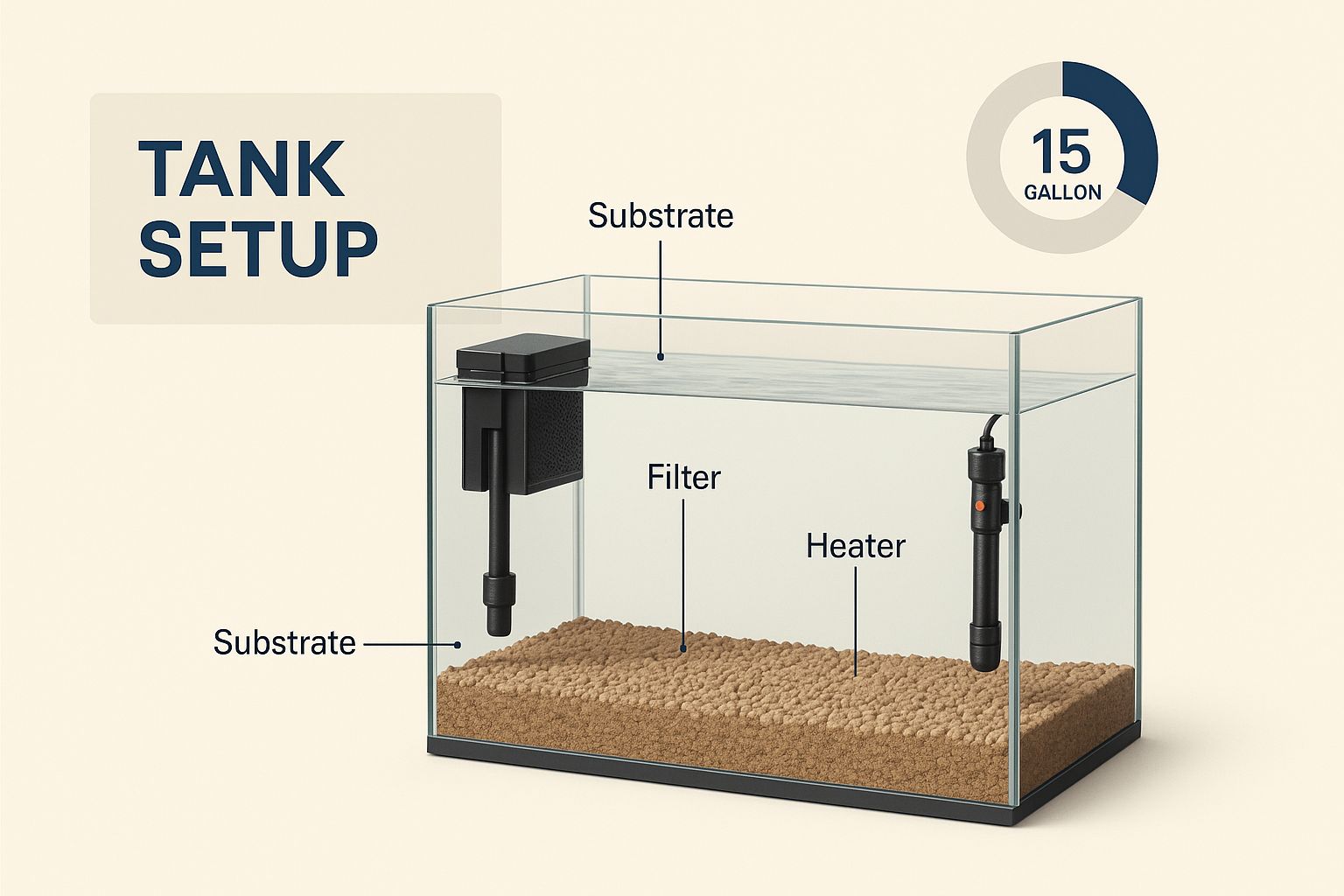
Credit: glassboxdiaries.com
Choosing The Right Filter
Tank filtration is important for keeping fish healthy. Different species need different types of filters. Picking the right filter helps keep the water clean and safe.
You must understand the types of filters and the needs of your fish. This guide explains how to choose the best filter for your tank.
Filter Types Explained
There are three main filter types: mechanical, biological, and chemical. Each type cleans the water in a different way.
Mechanical filters remove dirt and debris. Biological filters use bacteria to break down waste. Chemical filters remove toxins with activated carbon or other media.
- Mechanical filters trap particles in the water
- Biological filters support helpful bacteria growth
- Chemical filters remove harmful chemicals and odors
Matching Filter To Species Needs
Different fish species have unique water needs. Some require strong water flow, while others need gentle currents.
Research your fish’s natural habitat. Choose filters that create similar water conditions. For example, bettas prefer low flow filters.
- Fast-swimming fish need strong water flow
- Bottom-dwellers prefer gentle or no flow
- Plants and shrimp need clean water without harsh chemicals
Filter Size And Capacity
Filter size must match your tank size. A small filter will not clean a large tank well. A large filter may create too much flow for small fish.
Check the filter’s capacity rating. It shows how many gallons it can clean per hour. Pick a filter rated for your tank size or slightly higher.
- Use filters rated for at least 4 times your tank volume per hour
- Choose adjustable flow filters for delicate species
- Replace filter media regularly to keep it effective
Filtration Media Options
Choosing the right filtration media is key for species-specific tank setups. Each type of media targets different impurities and supports your aquatic life.
This guide covers mechanical, biological, and chemical media. Knowing their uses helps maintain clean and healthy water.
Mechanical Media Choices
Mechanical media traps debris and particles from the water. It keeps the tank clear and reduces waste build-up.
- Foam pads – capture large particles and dirt
- Filter floss – traps fine debris and dust
- Sponges – reusable and easy to clean
- Filter socks – good for external filters
Biological Media Benefits
Biological media supports helpful bacteria. These bacteria break down harmful ammonia and nitrites.
| Type | Description | Benefit |
| Ceramic Rings | Porous material with many holes | Large surface area for bacteria growth |
| Bio Balls | Plastic spheres with ridges | Good oxygen flow for bacteria |
| Lava Rock | Natural volcanic rock | Supports strong bacterial colonies |
Chemical Media Uses
Chemical media removes toxins and odors from the water. It helps keep water safe for sensitive species.
Chemical media options include:
- Activated Carbon – removes odors and discoloration
- Zeolite – absorbs ammonia in freshwater tanks
- Phosphate Removers – reduce algae growth
Special Considerations For Freshwater Tanks
Setting up tank filtration for freshwater species requires care. Different fish need different water conditions.
Choosing the right filtration helps keep fish healthy and water clean. This guide covers key points for softwater, hardwater, and sensitive species.
Filtration For Softwater Species
Softwater fish need water with low minerals and gentle flow. Filtration should keep water clean without adding hardness.
- Use biological filters with peat or almond leaves to soften water.
- Avoid using crushed coral or limestone in filters.
- Choose filters that do not increase pH or hardness.
- Perform regular water changes to keep minerals low.
Handling Hardwater Requirements
Hardwater fish thrive in water with high mineral content. Filters should maintain stable hardness without removing essential minerals.
| Filter Type | Effect on Hardness | Notes |
| Activated Carbon | Neutral | Removes impurities, no effect on minerals |
| Crushed Coral Media | Increases Hardness | Good for raising pH and hardness |
| Peat Moss | Decreases Hardness | Not suitable for hardwater setups |
| Biological Filter | Neutral | Supports beneficial bacteria, no mineral change |
Dealing With Sensitive Species
Some fish are sensitive to water changes and filter flow. Gentle filtration protects their health.
- Use sponge filters for gentle water movement.
- Keep filter intake covered to avoid harming small fish.
- Maintain steady water parameters to reduce stress.
- Clean filters gently to preserve beneficial bacteria.
Marine Tank Filtration Needs
Marine tanks require specific filtration to keep fish and corals healthy. Saltwater environments have unique challenges. Proper filtration helps maintain clean and balanced water.
Choosing the right filtration depends on the species in your tank. Each setup needs equipment that supports natural water conditions and removes waste effectively.
Protein Skimmers And Their Role
Protein skimmers remove organic waste before it breaks down. They create tiny bubbles that attract waste particles. This keeps water clear and reduces harmful toxins.
- Improves oxygen levels in the water
- Reduces ammonia and nitrate build-up
- Prevents algae growth by removing nutrients
- Helps maintain stable water chemistry
Live Rock As Biological Filter
Live rock supports beneficial bacteria that break down waste. These bacteria convert harmful ammonia into less toxic substances. Live rock also adds natural habitat for marine life.
| Benefit | Description |
| Ammonia Removal | Bacteria convert ammonia to nitrite and nitrate |
| Natural Habitat | Provides shelter for fish and invertebrates |
| Water Stability | Helps balance pH and other chemical levels |
| Algae Control | Supports organisms that compete with algae |
Maintaining Water Chemistry
Water chemistry keeps marine life safe and healthy. Regular testing helps catch changes early. Key elements to monitor include pH, salinity, and temperature.
- Test water weekly with reliable kits
- Keep salinity between 1.020 and 1.025 specific gravity
- Maintain pH between 8.0 and 8.4
- Control temperature around 75°F to 80°F (24°C to 27°C)
- Perform regular water changes to remove toxins
Filtration For Planted Aquariums
Planted aquariums need special care to keep plants and fish healthy. Filtration plays a key role in cleaning water without harming plants.
Choosing the right filter helps balance water quality and plant growth. It also supports fish and other tank inhabitants.
Balancing Filtration And Plant Health
Strong filters clean water well but can remove nutrients plants need. Filters should keep water clear while supporting plant growth.
Use filters that do not strip away important minerals. Make sure filtration is gentle enough to avoid stressing plants and fish.
- Choose filters with adjustable flow rates
- Use biological filtration to keep beneficial bacteria
- Avoid over-cleaning to preserve nutrients
Avoiding Strong Currents
Strong water flow can damage delicate plants and disturb fish. It also makes it hard for plants to take in nutrients.
Set filters to create gentle currents that move water without causing stress. Use spray bars or diffusers to spread flow evenly.
- Lower filter output or use flow control valves
- Place filter outlets to reduce direct flow on plants
- Add plants or decorations to block strong currents
Nutrient Control Through Filtration
Good filtration removes waste but keeps nutrients plants need. Filters can help control algae by managing excess nutrients.
Choose filters that balance removing harmful chemicals with keeping minerals. Regular maintenance helps keep nutrient levels stable.
- Use mechanical filters to catch debris
- Biological filters support bacteria that break down waste
- Avoid over-filtering to keep essential nutrients
- Clean filters regularly to prevent buildup
Credit: clixfueling.com
Maintenance And Troubleshooting
Tank filtration is key for a healthy aquatic environment. Proper maintenance ensures the system runs efficiently. Troubleshooting helps fix any issues that may arise.
Regular checks and cleaning extend the lifespan of your filtration system. It’s crucial to be aware of filter performance and potential failures.
Cleaning And Replacing Media
Cleaning and replacing media is essential for effective filtration. Dirty media can reduce water quality and filter efficiency.
- Remove the filter media carefully.
- Rinse in tank water to preserve beneficial bacteria.
- Replace any media that is worn out or clogged.
Signs Of Filter Failure
Identifying signs of filter failure early can prevent major problems. Watch for changes in water clarity and unusual noises from the filter.
- Cloudy or smelly water
- Reduced water flow
- Unusual filter sounds
Optimizing Filter Performance
Optimizing filter performance keeps your tank environment stable. Adjust settings based on your specific species’ needs.
| Species | Recommended Flow Rate |
| Goldfish | Low |
| Tropical Fish | Moderate |
| Saltwater Fish | High |
Advanced Filtration Techniques
Fish tanks need clean water to keep fish healthy. Advanced filtration helps maintain water quality in species-specific setups.
Different techniques can be used to ensure the right environment for each species. These techniques remove waste and control harmful microorganisms.
Using Uv Sterilizers
UV sterilizers use light to kill bacteria and algae in the water. This keeps the tank clear and safe for fish.
They are a great option for tanks with sensitive species. UV sterilizers prevent the spread of diseases by removing pathogens.
- Easy to install and maintain
- Effective against harmful microorganisms
- Helps reduce algae growth
Implementing Sumps And Canisters
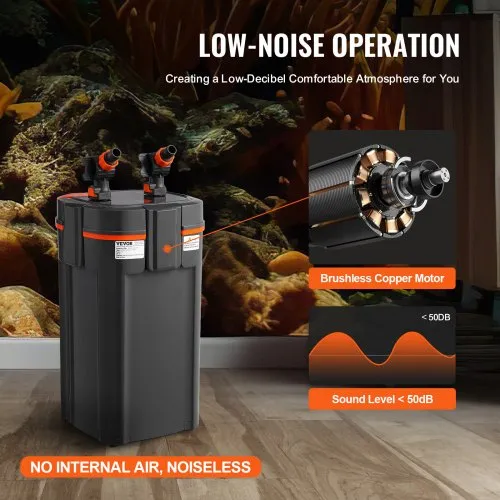
Sumps and canister filters are powerful tools for water filtration. They handle large volumes of water, providing efficient cleaning.
These systems are suitable for both freshwater and saltwater tanks. They offer mechanical, chemical, and biological filtration.
| Type | Benefits |
| Sump | Increases water volume, hides equipment |
| Canister | Customizable media, quiet operation |
Automated Filtration Systems
Automated filtration systems simplify tank maintenance. They ensure consistent water quality with minimal effort.
These systems adjust to the needs of different species. Automation helps maintain the right balance of nutrients and waste.
- Reduces manual cleaning
- Monitors water parameters
- Adapts to tank conditions
Credit: www.vevor.com
Frequently Asked Questions
What Is The Best Filter For Species-specific Tanks?
The best filter depends on the species’ needs and tank size. Choose filters that provide gentle flow for delicate fish and strong filtration for messy species. Research your species’ preferences to ensure optimal water quality and health.
How Often Should Tank Filters Be Cleaned?
Clean tank filters every 2-4 weeks to maintain efficiency. Avoid over-cleaning to preserve beneficial bacteria. Rinse filter media in tank water, not tap water, to protect microbial colonies essential for a healthy aquarium environment.
Can Species-specific Setups Affect Filtration Needs?
Yes, species-specific setups influence filtration type and capacity. Some species require strong water flow, while others prefer calm conditions. Tailor filtration systems to match species behavior, size, and bioload for balanced water quality and stress-free habitats.
Why Is Biological Filtration Crucial In Species-specific Tanks?
Biological filtration breaks down harmful ammonia and nitrites into less toxic nitrates. It supports beneficial bacteria colonies essential for species health. Proper biological filtration maintains stable water chemistry, preventing fish stress and disease in specialized aquariums.
Conclusion
Choosing the right tank filtration keeps your species healthy and happy. Each fish or aquatic animal needs clean water that suits its lifestyle. Proper filters remove waste and harmful chemicals efficiently. Clear water helps fish breathe and stay active. Simple steps to maintain filters improve tank life.
Remember, good filtration supports natural behavior and growth. Keep checking your setup regularly to avoid problems. Healthy tanks mean thriving species and beautiful aquariums. Care and attention make all the difference in fishkeeping success.