
Are you struggling to get the best results from your seasonal breeding efforts? Understanding the right temperature for breeding can make all the difference.
Whether you’re a seasoned farmer or just starting out, knowing how temperature affects reproduction is key to success. In this guide, you’ll discover simple, practical tips to help you create the perfect environment for breeding. Keep reading, and you’ll unlock the secrets to boosting fertility and improving outcomes, season after season.
Seasonal Breeding Basics
Breeding animals and plants depends on many factors. One key factor is temperature. It influences growth and reproduction.
Understanding how temperature changes with seasons helps improve breeding success. This guide explains why temperature matters and how seasons impact breeding.
Why Temperature Matters
Temperature controls many body functions in animals and plants. It affects hormone levels and breeding cycles. Too hot or too cold can stop breeding.
- Warm temperatures often increase activity and fertility.
- Cold temperatures can slow down or pause breeding.
- Stable temperatures help maintain regular breeding patterns.
- Sudden temperature changes can cause stress and reduce breeding success.
Impact Of Seasons On Breeding
Seasons change temperature, daylight, and food availability. These changes affect when and how animals and plants breed.
| Season | Temperature Range | Breeding Effect |
| Spring | 10°C – 20°C | Breeding starts as temperatures rise |
| Summer | 20°C – 30°C | Peak breeding activity in many species |
| Autumn | 10°C – 20°C | Breeding slows down; preparation for winter |
| Winter | Below 10°C | Breeding often pauses or stops |

Credit: mysterytacklebox.com
Ideal Temperature Ranges
Temperature plays a key role in seasonal breeding for many animals. The right temperature helps animals breed successfully. Too hot or too cold can stop breeding cycles.
Knowing ideal temperature ranges helps farmers and breeders support healthy animal growth. Different species need different temperatures for breeding.
Optimal Conditions For Different Species
Each species has a unique temperature range that encourages breeding. Birds, reptiles, and mammals all respond to heat differently. Keeping temperatures steady improves breeding success.
- Chickens breed well between 65°F and 75°F (18°C – 24°C).
- Reptiles like turtles need 80°F to 90°F (27°C – 32°C) for egg laying.
- Cattle breed best in cooler ranges of 50°F to 70°F (10°C – 21°C).
- Sheep prefer 55°F to 65°F (13°C – 18°C) for optimal mating.
Temperature Variations By Season
Seasons change temperature, affecting breeding times. Animals often breed in spring or fall when temperatures are mild. Extreme summer or winter temperatures can reduce breeding activity.
| Season | Temperature Range | Breeding Activity |
|---|---|---|
| Spring | 55°F – 75°F (13°C – 24°C) | High breeding activity |
| Summer | 70°F – 90°F (21°C – 32°C) | Moderate to low breeding |
| Fall | 50°F – 70°F (10°C – 21°C) | High breeding activity |
| Winter | Below 50°F (10°C) | Low to no breeding |
Temperature Control Techniques
Maintaining the right temperature is important for seasonal breeding success. Animals need stable conditions to reproduce well.
Temperature control helps create a safe and comfortable environment. This guide explains ways to heat, cool, and monitor breeding areas.
Heating Methods
Heating keeps animals warm during cold seasons. It prevents stress and supports healthy breeding cycles.
Common heating options include heat lamps, heated mats, and infrared heaters. Each method provides gentle, even warmth.
- Heat lamps offer focused warmth for small areas
- Heated mats provide floor warmth for resting animals
- Infrared heaters warm the air without drying it out
- Use thermostats to avoid overheating
Cooling Strategies
Cooling helps keep animals comfortable in hot weather. It reduces heat stress that can affect breeding.
Common cooling techniques include fans, shade structures, and misting systems. These lower temperature and improve airflow.
- Fans increase air circulation to cool animals
- Shade protects from direct sunlight
- Misting systems lower air temperature with fine water spray
- Provide fresh water to keep animals hydrated
Monitoring Tools
Monitoring tools track temperature and humidity in breeding areas. They help keep conditions stable.
Thermometers, hygrometers, and digital sensors provide real-time data. Alerts can warn when temperatures go outside safe ranges.
- Digital thermometers show accurate temperature readings
- Hygrometers measure humidity levels
- Smart sensors send alerts to phones or computers
- Regular checks prevent harmful temperature changes

Credit: milefour.com
Timing Breeding Cycles
Seasonal breeding depends on the right timing and temperature. Animals breed best when conditions match their natural cycles.
Knowing how temperature affects breeding helps plan cycles well. This guide focuses on timing breeding for success.
Seasonal Timing Tips
Breeding seasons vary by species and climate. Start breeding when temperatures match the species’ natural cycle.
Use daylight length as a cue. Longer days often signal breeding time for many animals.
- Track local temperature patterns
- Note natural breeding months
- Match breeding to warm or mild seasons
Adjusting For Temperature Fluctuations
Temperature changes can disrupt breeding cycles. Adjust care and environment to keep animals comfortable.
Use heating or cooling tools if temperatures stray from ideal ranges. Monitor animals closely for stress signs.
- Provide shelter to protect from cold or heat
- Use temperature controls like heaters or fans
- Keep water and food accessible during temperature shifts
Troubleshooting Temperature Issues
Temperature plays a key role in seasonal breeding success. Too hot or too cold can harm animals’ health and reproduction.
This guide helps you spot temperature problems and fix them quickly to keep breeding on track.
Signs Of Temperature Stress
Animals show clear signs when temperatures are too high or low. Watch for changes in behavior and health.
- Reduced appetite or water intake
- Restlessness or excessive panting
- Lethargy or unusual quietness
- Decreased breeding activity
- Shivering or huddling together
- Changes in body temperature or coat condition
Early detection helps prevent serious problems and breeding delays.
Corrective Actions
Fix temperature issues by adjusting the environment and care routines. This keeps animals comfortable and healthy.
- Use shade, fans, or misters to cool hot areas
- Provide warm bedding or shelters in cold weather
- Check and repair heating or cooling equipment
- Increase water availability to prevent dehydration
- Adjust feeding times to cooler parts of the day
- Monitor animals closely and separate stressed individuals
Regular checks and quick fixes improve breeding success and animal welfare.
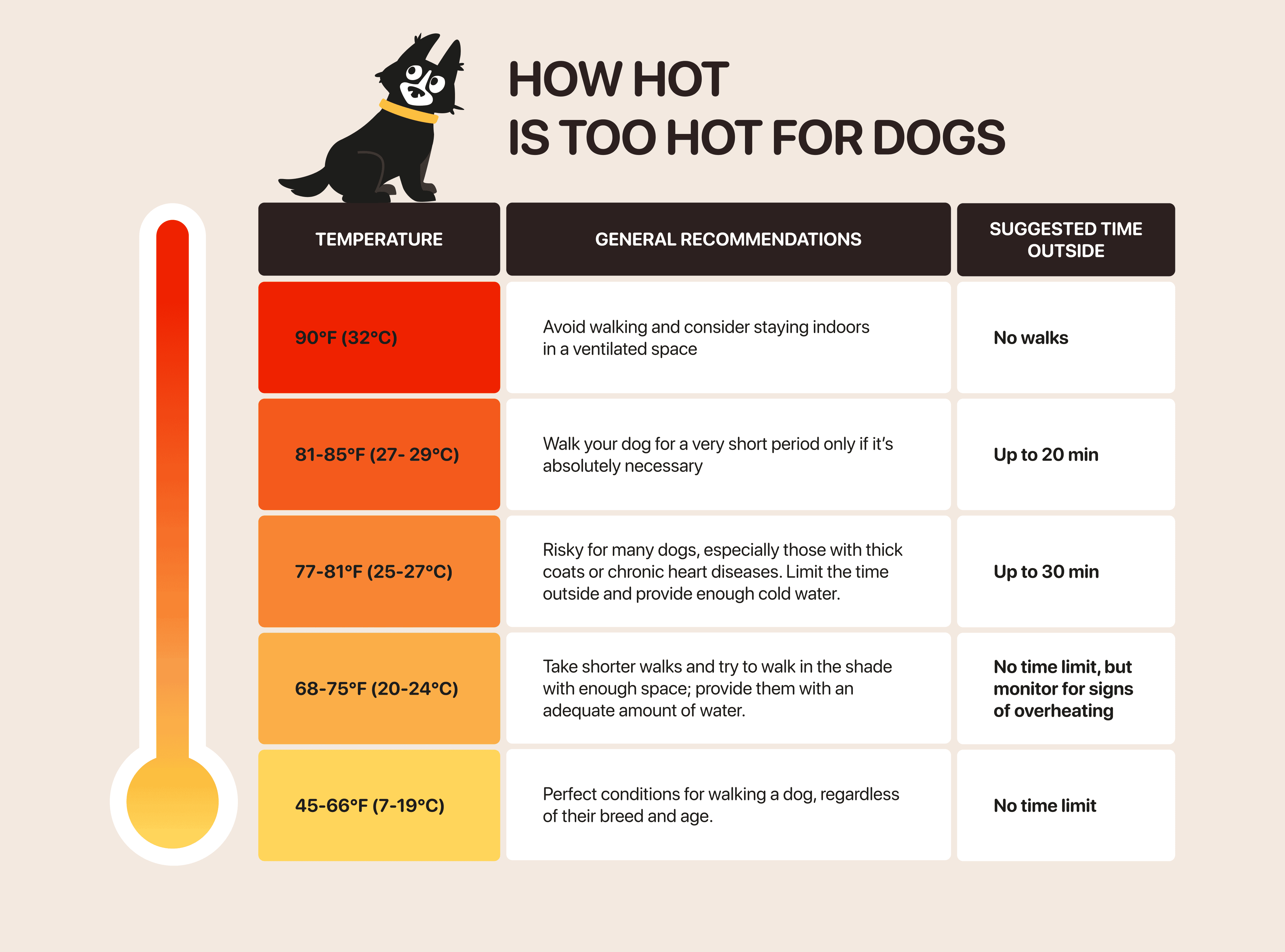
Credit: www.woofz.com
Success Stories And Case Studies
Seasonal breeding is crucial for farmers. It helps them optimize production. Understanding temperature guides can lead to successful breeding. Let’s explore some experiences and research insights.
Farmers’ Experiences
Farmers have shared their stories of success. They used temperature guides to improve livestock breeding. These guides helped them choose the right breeding times.
- John from Texas saw a 20% increase in calf birth rates.
- Maria in Spain reduced livestock stress during heatwaves.
- Lee in Australia timed breeding to match cooler months.
Research Insights
Research provides valuable insights into seasonal breeding. Studies show that temperature affects breeding success. Proper planning can lead to better outcomes.
| Temperature Range | Impact on Breeding |
| 10°C – 15°C | Optimal for sheep |
| 20°C – 25°C | Ideal for cattle |
| 30°C – 35°C | High stress, low success |
Frequently Asked Questions
What Is The Ideal Temperature For Seasonal Breeding?
The ideal temperature for seasonal breeding varies by species but generally ranges between 65°F and 75°F. Stable temperatures promote reproductive health and increase success rates. Extreme temperatures can disrupt hormonal cycles and reduce fertility.
How Does Temperature Affect Breeding Cycles?
Temperature influences hormone production that controls breeding cycles. Warmer temperatures usually trigger mating behaviors, while colder climates may delay or inhibit breeding. Consistent temperature helps maintain regular cycles and improves offspring viability.
When Should I Adjust Temperature For Breeding?
Adjust temperatures before the breeding season starts, typically 2-4 weeks in advance. This prepares animals for optimal reproductive conditions. Gradual changes prevent stress and improve breeding success rates.
Can Temperature Changes Cause Breeding Failure?
Yes, sudden or extreme temperature changes can stress animals, disrupting hormonal balance. This may lead to reduced fertility or failure to conceive. Maintaining stable, suitable temperatures is crucial for successful breeding.
Conclusion
Seasonal breeding needs the right temperature to work well. Warm or cold can change animals’ behavior and health. Knowing the best temperature helps breeders plan better. It keeps animals safe and helps them breed successfully. Remember, small changes in temperature make a big difference.
Keep track of weather and adjust accordingly. This way, breeding can happen smoothly and naturally. Simple steps bring better results. Caring for animals means watching their environment closely. Temperature guides are useful tools for every breeder.